
Horomos Monastery
Art and History
Edited by E. Vardanyan

Hardback (Published)
(December 2015)
ISBN: 9782916716572
Price: $100.00
On back order
The monastery of Horomos is situated on the right bank of the Axurean river, a short distance to the northeast of Ani, the Armenian “city of 1000 churches.” The present volume, with contributions by six authors, takes a fresh look at the site, providing exhaustive updated information. A comprehensive study of the history of the monastic congregation from the 10th to the 20th century is followed by a general survey of the architecture, a detailed examination of a new kind of monastic structure, the zamatun, endowed with rich symbolic decoration, a decipherment of the crosses and xac’k’ars, a review of the manuscript output of the scriptorium, and finally, an epigraphic corpus providing both a photograph and a drawing for each extant inscription, thus ensuring a much more complete and reliable text than in all previous editions and translations.
The monastery of Horomos is situated on the right bank of the Axurean river, about 5 km as the crow flies to the north-east of Ani, the Armenian “city of 1000 churches”. When the monastery was founded (c. 930), Ani was still little more than a fortress. Soon, however, Ani grew into a royal city (960) and the seat of the Catholicos (992), while the humble monastic congregation became the “rest place of the Kings”, the chaplaincy of the capital, an important cultural centre and showcase of Bagratid architecture. It continued to develop and prosper up to the end of the 13th century. From the 19th century onwards, the site was visited by learned travellers, who described the monuments and transcribed their inscriptions. About 1910, the famous historian of Armenian arts, T’oros T’oramanean, drew complete plans and elevations of the extant buildings, with a detailed account of their decoration. In 1920, however, Turkey annexed the province of Kars and Horomos was included in a military zone, inaccessible to archaeological research. Only in 2013 and 2014, were Armenian visitors able to penetrate the site again and to take new photographs of monuments and inscriptions. The present volume, with contributions by six authors, takes a fresh look at the site, providing exhaustive updated information. A comprehensive study of the history of the monastic congregation from the 10th to the 20th century is followed by a general survey of the architecture, a detailed examination of a new kind of monastic structure, the zamatun, endowed with rich symbolic decoration, a decipherment of the crosses and xac’k’ars, a review of the manuscript output of the scriptorium, and finally, an epigraphic corpus providing both a photograph and a drawing for each extant inscription, thus ensuring a much more complete and reliable text than in all previous editions and translations.
- Edited by E. Vardanyan
Other Titles in this Series
 L’union à l’épreuve du formulaire
Professions de foi entre Églises d'Orient et d'Occident (XIIIe-XVIIIe siècle)
Volume 51
 Constantinople et les provinces d’Asie Mineure, IXe-XIe siècle
Administration impériale, sociétés locales et rôle de l'aristocratie
Volume 52

 À la mesure de l’Empire
Poids de balance et représentations du pouvoir dans le commerce de l'Antiquité tardive (IVe-VIIIe siècle)
Volume 59


Similar Books
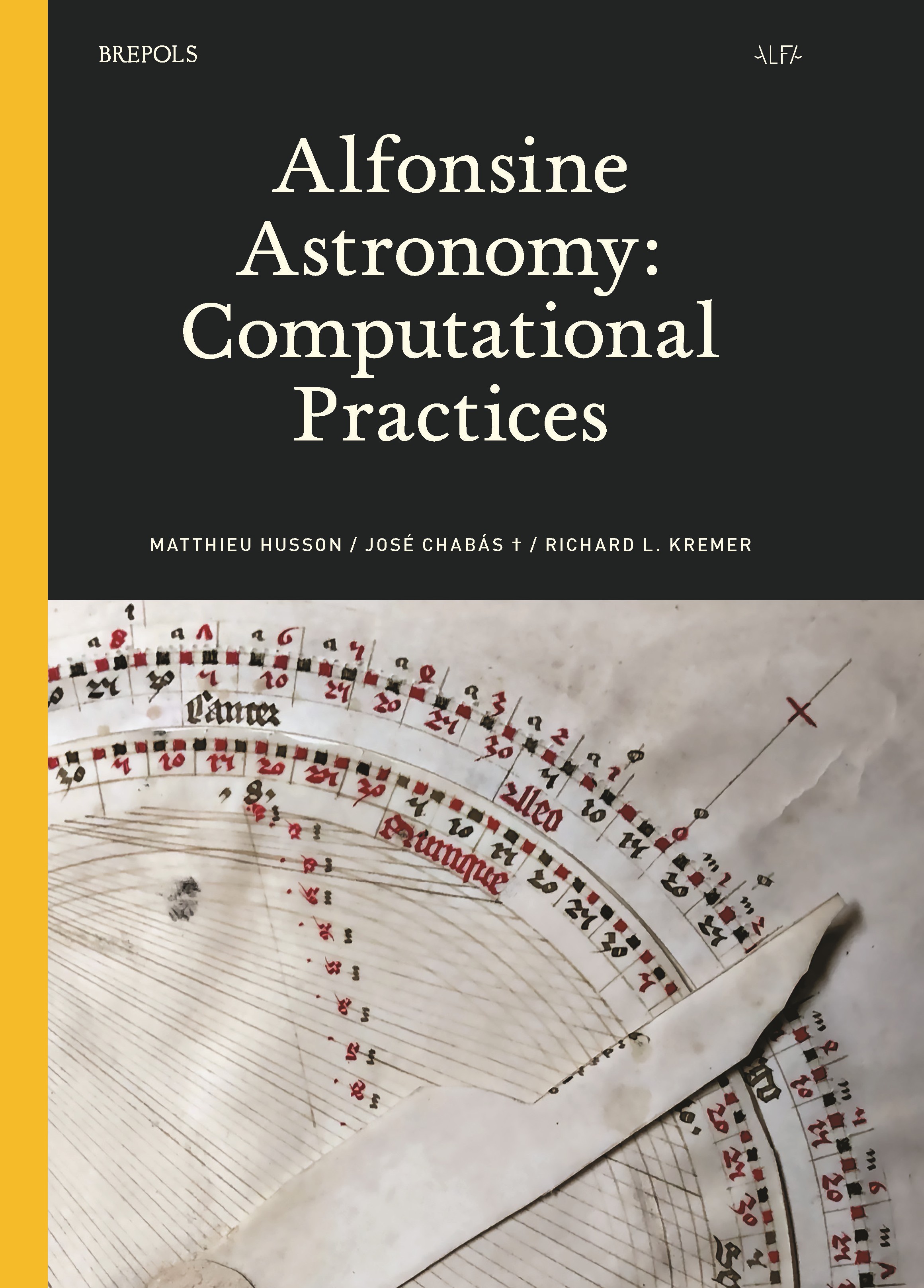
 A Collaborative Tapestry in Honour of Shirley Ann Brown / Une fresque brodée en l’honneur de Shirley Ann Brown
The Bayeux Tapestry Seen by her Colleagues and Friends / La Tapisserie de Bayeux vue par ses collègues et amis



 Balthasar Caymox of Nuremberg
Early Modern German Print Publishers: Popular Prints of the Seventeenth Century
 Behind the Scenes of Medieval Roofs
An Overview of the Roofing Systems of Italian Churches
Volume 90


 Circulation, Use, Impact
The Consumption of Architectural Books in the Early Modern Eastern Adriatic
Volume 1


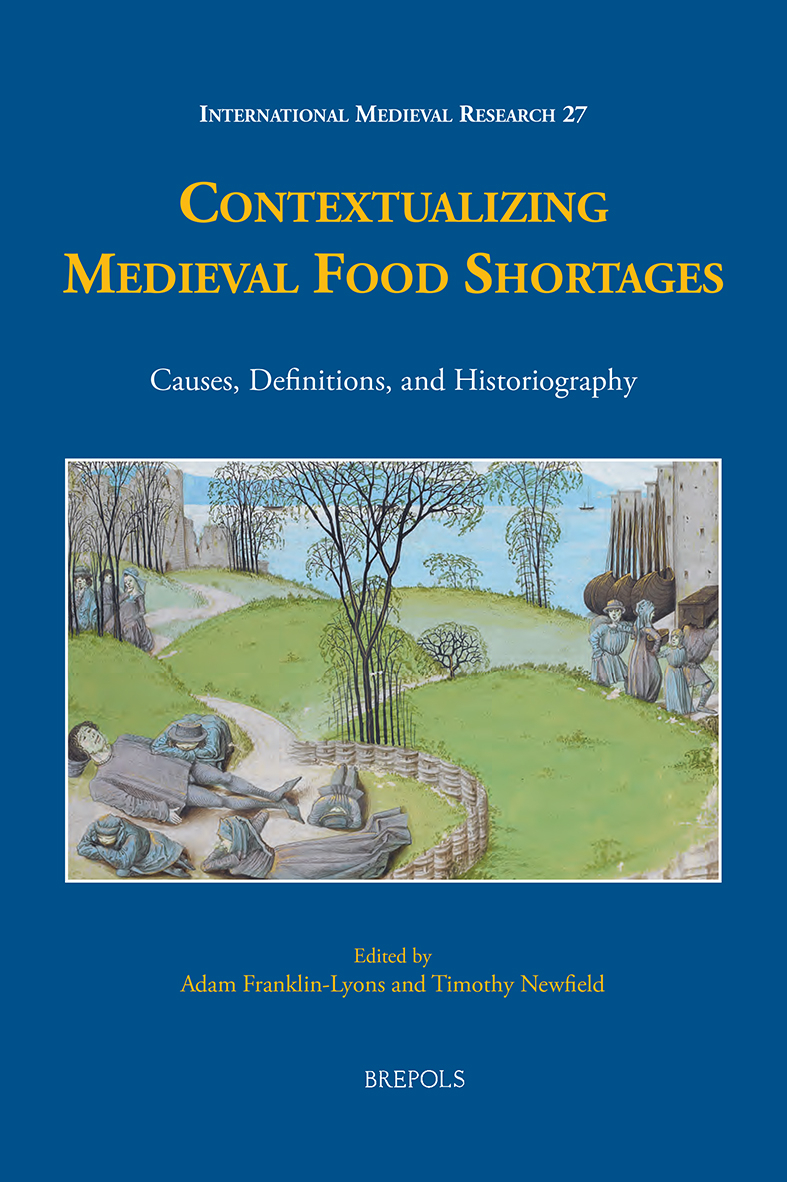


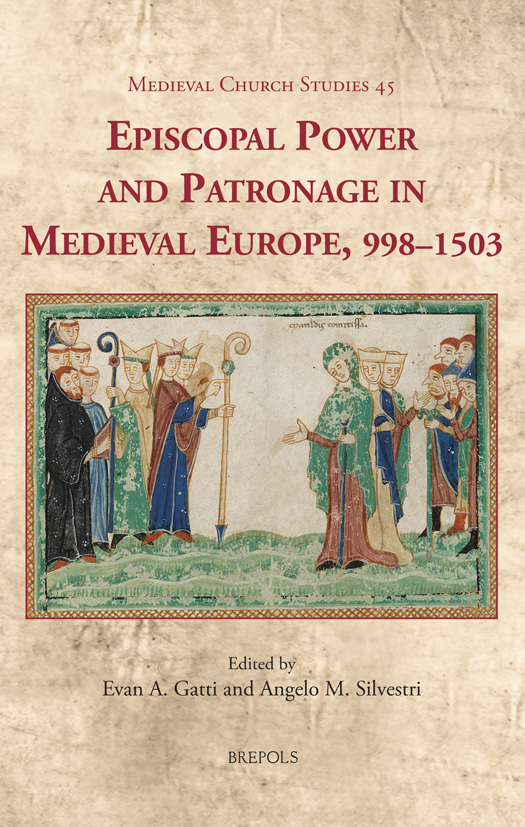


 Innovation and Medieval Communities
The Circulation of Ideas and Practices in and out of the Town (1200-1500)
Volume 63
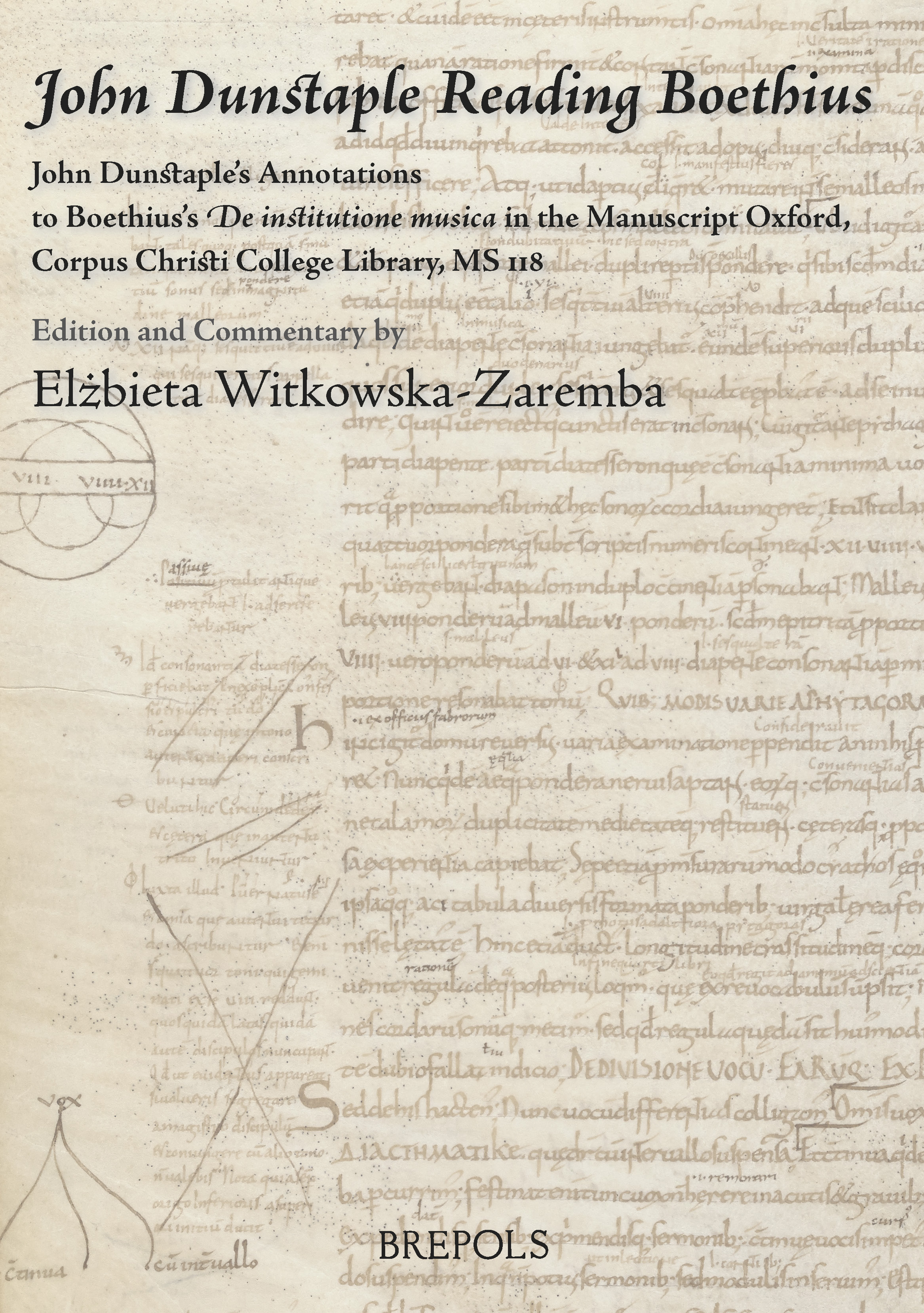 John Dunstaple Reading Boethius
John Dunstaple’s Annotations to Boethius’s “De institutione musica” in the Manuscript Oxford, Corpus Christi College Library, MS 118
 Late Antique villae in the Balkans (3rd–7th c. AD): Current Research Questions and Perspectives
HAEMUS Companion to the Late Antique Balkans 1
Volume 4
 Legal Visuality
Exegesis, Ambiguity, and Dissimulation of the Donation of Constantine in the Early Modern Period
 Linguistic and Cultural Dynamics in a Frontier Society
New Perspectives on Northeastern Bavaria and Western Bohemia in the Early Middle Ages
Volume 9

 Medieval Debates on Foreknowledge: Future Contingents, Prophecy, and Divination
Acts of the XXVII Annual Colloquium of the SIEPM, Trento 12-15 September 2023
Volume 31
 Medieval Yeghegis, Armenia
History, Archaeology, Society. Local Multiplicities and Global Connections of a Rural Centre on the Silk Road(s)
 Monastic Manuscripts from the Eastern Mediterranean (Sinai, Jerusalem, Antioch)
Production, Use, and Contexts
 Naples as Laboratory / Laboratorium Neapel
Style Options, Artistic Rivalry and Self Fashioning in Neapolitan Baroque Painting / Plurale Stilbildung, Kunstlerkonkurrenz und Self Fashioning in der neapolitanischen Barockmalerei
 Nurturing the Elite
Representations of Drinking, Eating, and Religious Vessels in Palmyrene Funerary Iconography
Volume 13