
Culte des saints et littérature hagiographique
Accords et désaccords
Edited by V. Déroche Edited by B. Ward-Perkins Edited by R. Wisniewski

In an ideal world, hagiography and the cult of saints would develop in parallel and strengthen each other: a successful cult would need texts, just as much as it needed shrines, relics and feasts. This book, studying the evidence from the Greek, Latin, Syriac, Coptic, Armenian, and Georgian worlds, shows that the reality of the link between hagiography and cult was often more complex. Some stories were written in response to existing veneration, but the cult practices and the image of the saint which they presented, differed from those promoted by the principal shrines of the same saint. Other stories preceded the emergence of cult, and gave rise to it only very much later. Yet others, while enjoying considerable literary success, never achieved for their heroes a shrine or a place in the calendar of feasts. Hagiography could initiate, support, change, or even ignore cult; but cult could just as well initiate, support, change, or even ignore hagiography.
In an ideal world, hagiography and the cult of saints would develop in parallel and strengthen each other: a successful cult would need texts, just as much as it needed shrines, relics and feasts. This book, studying the evidence from the Greek, Latin, Syriac, Coptic, Armenian, and Georgian worlds, shows that the reality of the link between hagiography and cult was often more complex. Some stories were written in response to existing veneration, but the cult practices and the image of the saint which they presented, differed from those promoted by the principal shrines of the same saint. Other stories preceded the emergence of cult, and gave rise to it only very much later. Yet others, while enjoying considerable literary success, never achieved for their heroes a shrine or a place in the calendar of feasts. Hagiography could initiate, support, change, or even ignore cult; but cult could just as well initiate, support, change, or even ignore hagiography.
- Edited by V. Déroche
- Edited by B. Ward-Perkins
- Edited by R. Wisniewski
Other Titles in this Series
 À la mesure de l’Empire
Poids de balance et représentations du pouvoir dans le commerce de l'Antiquité tardive (IVe-VIIIe siècle)
Volume 59


 L’union à l’épreuve du formulaire
Professions de foi entre Églises d'Orient et d'Occident (XIIIe-XVIIIe siècle)
Volume 51
 Constantinople et les provinces d’Asie Mineure, IXe-XIe siècle
Administration impériale, sociétés locales et rôle de l'aristocratie
Volume 52

Similar Books
 A Collaborative Tapestry in Honour of Shirley Ann Brown / Une fresque brodée en l’honneur de Shirley Ann Brown
The Bayeux Tapestry Seen by her Colleagues and Friends / La Tapisserie de Bayeux vue par ses collègues et amis
 Behind the Scenes of Medieval Roofs
An Overview of the Roofing Systems of Italian Churches
Volume 90






 Innovation and Medieval Communities
The Circulation of Ideas and Practices in and out of the Town (1200-1500)
Volume 63
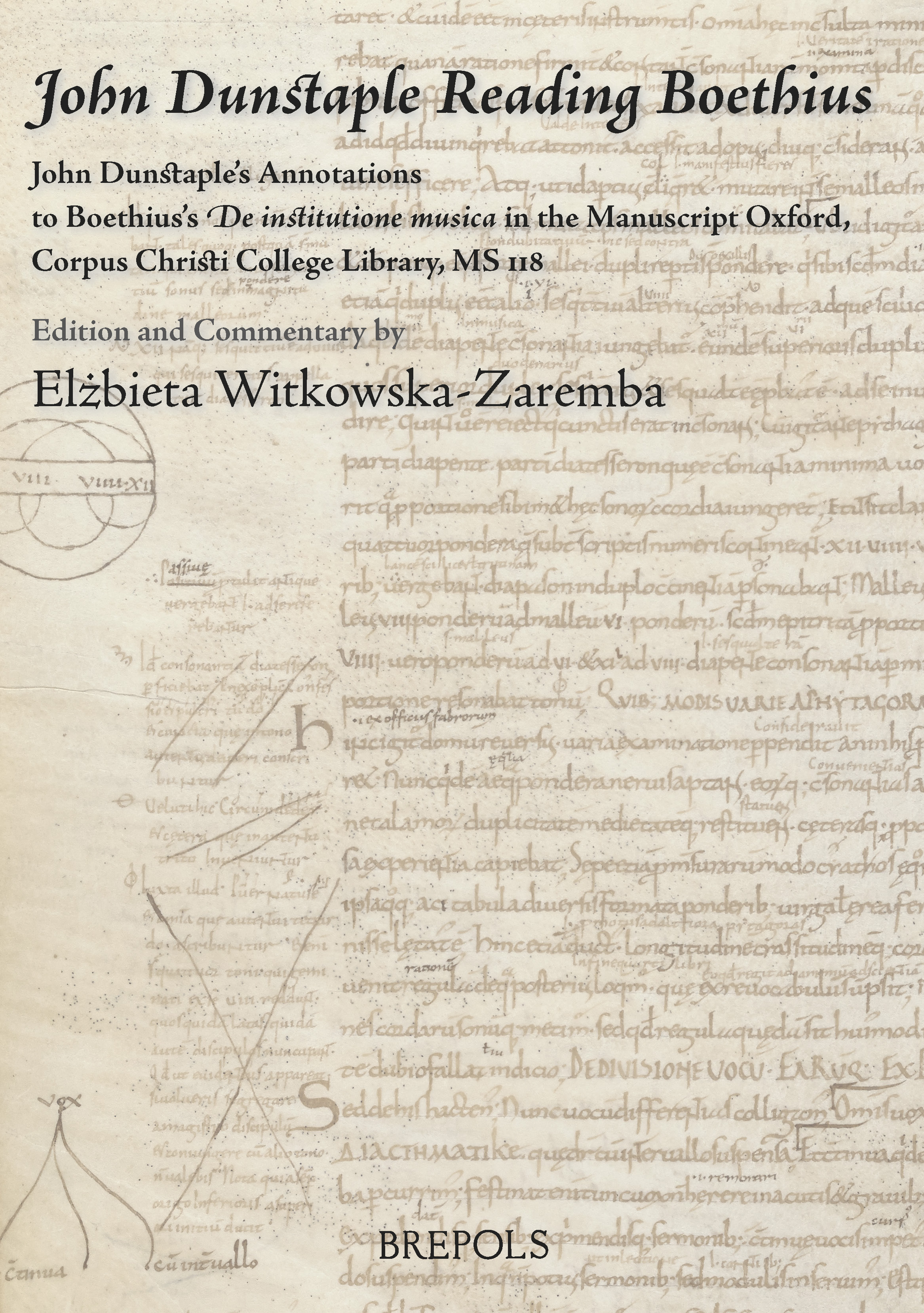 John Dunstaple Reading Boethius
John Dunstaple’s Annotations to Boethius’s “De institutione musica” in the Manuscript Oxford, Corpus Christi College Library, MS 118
 Linguistic and Cultural Dynamics in a Frontier Society
New Perspectives on Northeastern Bavaria and Western Bohemia in the Early Middle Ages
Volume 9
 Medieval Debates on Foreknowledge: Future Contingents, Prophecy, and Divination
Acts of the XXVII Annual Colloquium of the SIEPM, Trento 12-15 September 2023
Volume 31
 Medieval Yeghegis, Armenia
History, Archaeology, Society. Local Multiplicities and Global Connections of a Rural Centre on the Silk Road(s)


 Power and Women in Southeast and Central Europe in Late Medieval and Early Modern Period (1300-1600)
Volume 10


 The Anglo-Norman Bible’s Books of Kings, a Critical Edition
(BL Royal 1 C III, fols 234r-274v)
Volume 37


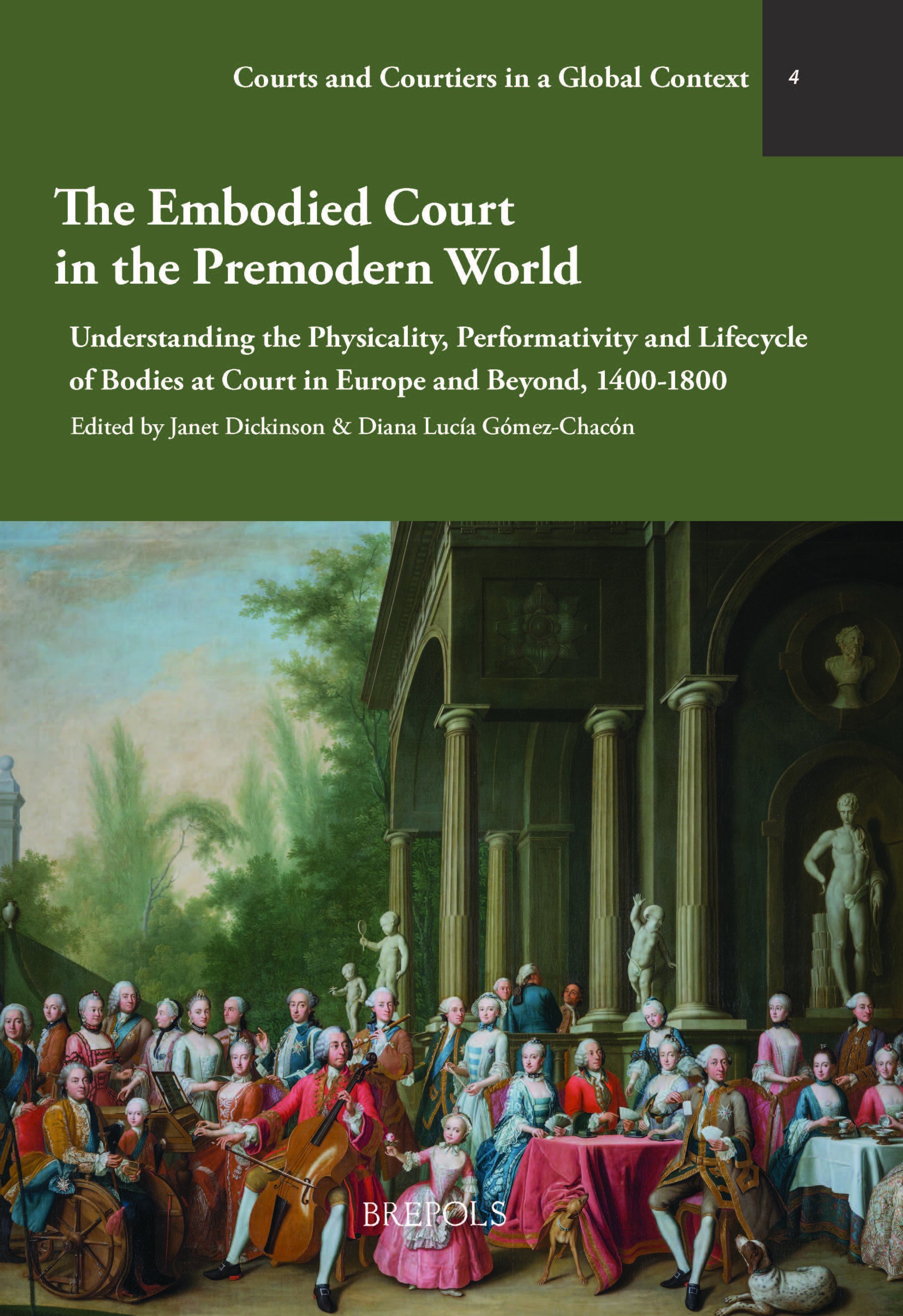 The Embodied Court in the Premodern World
Understanding the Physicality, Performativity and Lifecycle of Bodies at Court in Europe and Beyond, 1400-1800
Volume 4


 The Middle English ‘Medicines for Horses’
Edited from the Manuscript formerly at Kensington Palace, HRH Duke of Gloucester MS s.n. (olim York House MS 45)
Volume 69
