
Gesellschaft und Wirtschaft im archaischen Süditalien
Ein Modell zu Identität und Hexis, ausgehend von Ripacandida und weiteren binnenländischen Gemeinschaften
By (author) Christian Erik Heitz

Hardback (Published)
(April 2021)
ISBN: 9783954903269
8.31 x 11.69 inches
Price: $179.00
In stock
Ausgehend von der Analyse der indigenen Nekropole von Ripacandida in der Nordbasilikata und dem Vergleich mit weiteren Befunden im suditalischen Binnenland entwirft die Arbeit ein Modell indigener Gemeinschaften des Gebiets im 7. – 5. Jh. v. Chr.: ihrer Identitatskategorien, gesellschaftlichen Struktur und wirtschaftlichen Basis. Zudem wird die Art, Funktion und Bedeutung der Verbindungen zu den aufstrebenden griechischen Kustensiedlungen diskutiert, und die Inkorporation fremder Objekte aus diesen Bereichen in die indigenen Kontexte betrachtet. Dabei steht bewusst die emische Perspektive im Vordergrund, um den graeco-zentrischen Fokus fruherer Untersuchungen der Gesellschaften dieser Zeitregion infrage zu stellen.
English summary: The necropolis of Ripacandida in southern Italy (Apulia/prov. Foggia) is situated on a hill mediating between the uplands of the southern Apennines to the west and the Adriatic shore to the east. The local Archaic-Classical community (6th/5th century BCE) witnessed the rise of eastern Mediterranean settlements (apoikiai) in southern Italy and thereby the creation of a completely new situation of cultural transfer and encounter in the region. This is reflected in the material goods incorporated in the tombs that will entirely be presented and discussed in the volume. While largely maintaining their traditional ties to the neighboring areas, reflected in the use of material culture from the adjacent areas, the influx of Greek elements rises remarkably during the use period of the graveyard. It however becomes apparent that the Greek-style pottery incorporated into the local society does not replace traditional shapes and wares but rather complemented by these imports or imitations. In the course of the two centuries under investigation, the affiliation of the local community seems to shift from a more inland-orientated perspective to a closer connection to the lowlands Adriatic shore. The local community in the 6th century BCE was basically organized in an egalitarian way in small household units as suggested by the tombs arranged in clusters. In the 5th century BCE, richly equipped burials of males were separated from the tomb clusters, indicating social changes. At the same time, richly equipped females become prominent in some clusters and take over some male burial features (body placement), possibly indicating the takeover of male characteristics, like the household head, in the living community as well.The minute analysis of the local community and the comparison with other sites of the region shows that the indigenous society in the period under study is not at all static but very dynamic, and not a mere static receiver of new impulses coming from the ‘culturally superior’ (and much better researched) newcomers from the east. A number of internal social developments (i.e. hierarchization, reorganization of familial structures and gender roles, economic reorientation) occurred within the indigenous communities of southeastern Italy that cannot be attributed to external stimuli triggered by foreign presence alone. German description: Die Nekropole von Ripacandida in Suditalien (Apulien/Prov. Foggia) liegt auf einem Hugel, der zwischen den Hochebenen des sudlichen Apennins im Westen und der Adriakuste im Osten vermittelt. Die lokale archaisch-klassische Gemeinschaft (6./5. Jh. v. Chr.) war Zeuge des Aufstiegs von ostmediterranen Siedlungen (apoikiai) an den Kusten und der Schaffung einer vollig neuen Situation von Kulturtransfer und Begegnung in der Region. Dies spiegelt sich in den materiellen Beigaben der lokalen Graber wider, die hier vollstandig vorgestellt und diskutiert werden. Unter weitgehender Beibehaltung der traditionellen Bindungen an die benachbarten Gebiete, die die Verwendung materieller Kultur aus den angrenzenden Gebieten bezeugt, steigt der Zustrom griechischer Elemente wahrend der Nutzungszeit des Graberfeldes bemerkenswert an. Es wird jedoch deutlich, dass die in die lokale Gesellschaft eingebrachte Keramik griechischer Pragung die traditionellen Formen und Waren nicht ersetzt, sondern nur erganzt. Im Laufe der beiden untersuchten Jahrhunderte scheint sich die Zugehorigkeit der lokalen Gemeinschaft von einer eher ins Binnenland orientierten Perspektive zu einer engeren Verbindung mit dem Flachland an der adriatischen Kuste zu verschieben. Die lokale Gemeinschaft im 6. Jh. v. Chr. war grundsatzlich egalitar in kleinen Haushaltseinheiten organisiert, wie die in Clustern angeordneten Graber nahelegen. Im 5. Jh. v. Chr. wurden reich ausgestattete Mannergraber von den Grabgruppen abgesondert, wahrend gleichzeitig reich ausgestattete Frauen in einigen Clustern prominent werden und mannliche Bestattungsmerkmale ubernehmen, was auf Verschiebungen im Gefuge der ortlichen Gemeinschaft hindeutet.Die eingehende Analyse der ortlichen Gemeinschaft und der Vergleich mit anderen Fundorten der Region zeigt, dass die indigene Gesellschaft im Untersuchungszeitraum keineswegs statisch, sondern sehr dynamisch war, und nicht nur ein statischer Empfanger neuer Impulse, die von den ‘kulturell uberlegenen’ (und viel besser erforschten) Neuankommlingen aus dem Osten kamen. Innerhalb der indigenen Gemeinschaften Sudostitaliens kam es zu einer Reihe interner sozialer Entwicklungen (Hierarchisierung, Reorganisation der familiaren Strukturen und der Geschlechterrollen, wirtschaftliche Neuorientierung), die nicht allein auf aussere, durch die fremde Prasenz ausgeloste Impulse zuruckgefuhrt werden konnen.
Christian Heitz studied Classical Archaeology, Prehistory and Early History and Ancient History in Heidelberg. He achieved the MPhil in Archaeology and Anthropology 1998 at the University of Cambridge, the PhD in Classical Archaeology 2003 in Heidelberg, and the habilitation 2015 in Innsbruck. His research interests cover a wide spectrum, from Aegean Bronze Age to Roman art. He is currently working on the Pre-Roman and Roman Iron Age in southern Italy. Current publications deal with cross-cultural comparisons of cultural contact, the role of textiles and pastoralism as well as social developments in Archaic-Classical southern Italy. He is director of the investigations at Ascoli Satriano (Prov. Foggia/Apulia) at the Institute of Archaeologies of the University of Innsbruck.
- By (author) Christian Erik Heitz
Other Titles in this Series
 Bestattungsrituale in Unteritalien vom 5. bis 4. Jh. v. Chr.
Überlegungen zur sogenannten Samnitisierung Kampaniens
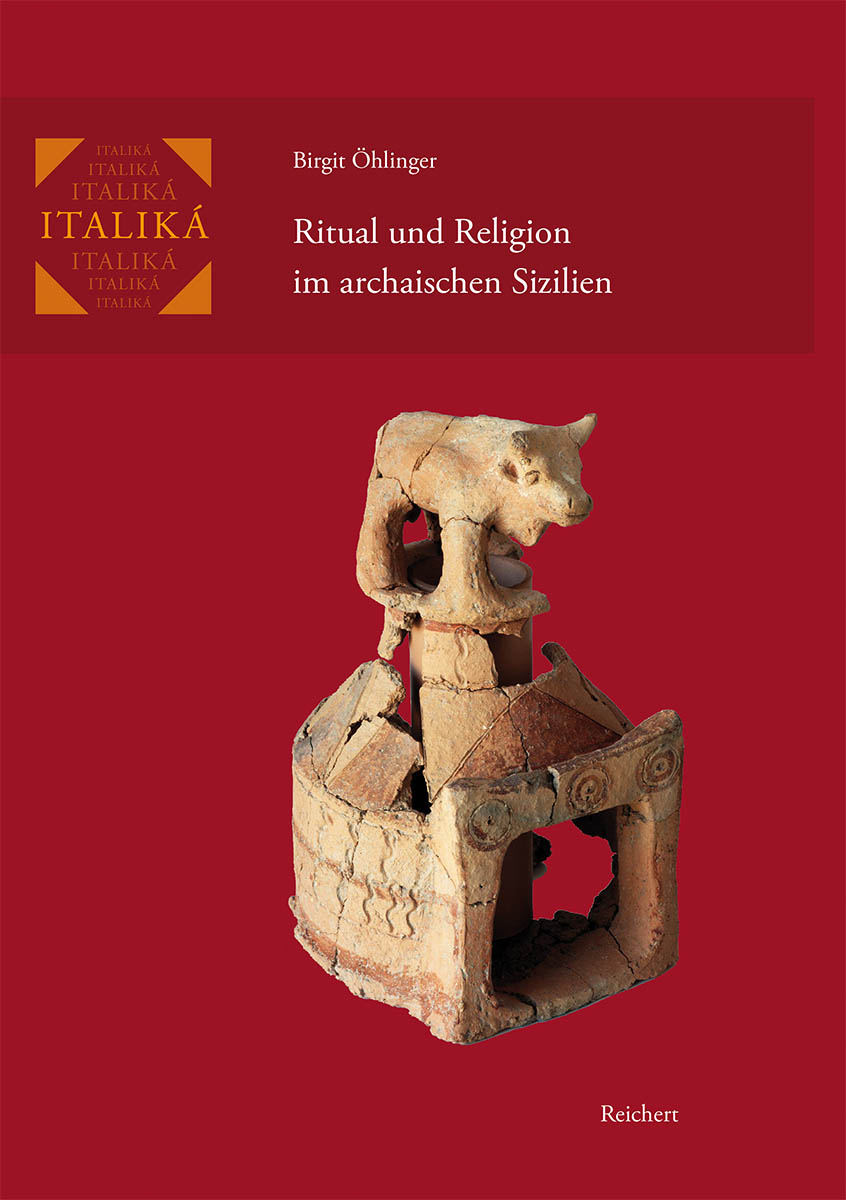 Ritual und Religion im archaischen Sizilien
Formations- und Transformationsprozesse binnenländischer Kultorte im Kontext kultureller Kontakte
 Bestattungssitten zwischen Tradition und Modifikation
Kulturelle Austauschprozesse in den griechischen Kolonien in Unteritalien und Sizilien vom 8. bis zum 5. Jahrhundert v. Chr.

 Etruskische Heiligtümer des 8.–5. Jhs. v. Chr. als Wirtschaftsräume und Konsumptionsorte von Keramik
 Die Kammergräber von Tarent
Untersuchungen zur Grabarchitektur und Ausstattung vom 4. bis zum 1. Jahrhundert v. Chr.
Similar Books




 Between Bones and Beliefs
Human-Bird Relations in Central and Northern Europe in the First Millennium AD
Volume 4
 Caesar’s Visions and Impact on the Roman Empire
Revisiting the Archaeological and Historical Record of the 40s BC
Volume 2


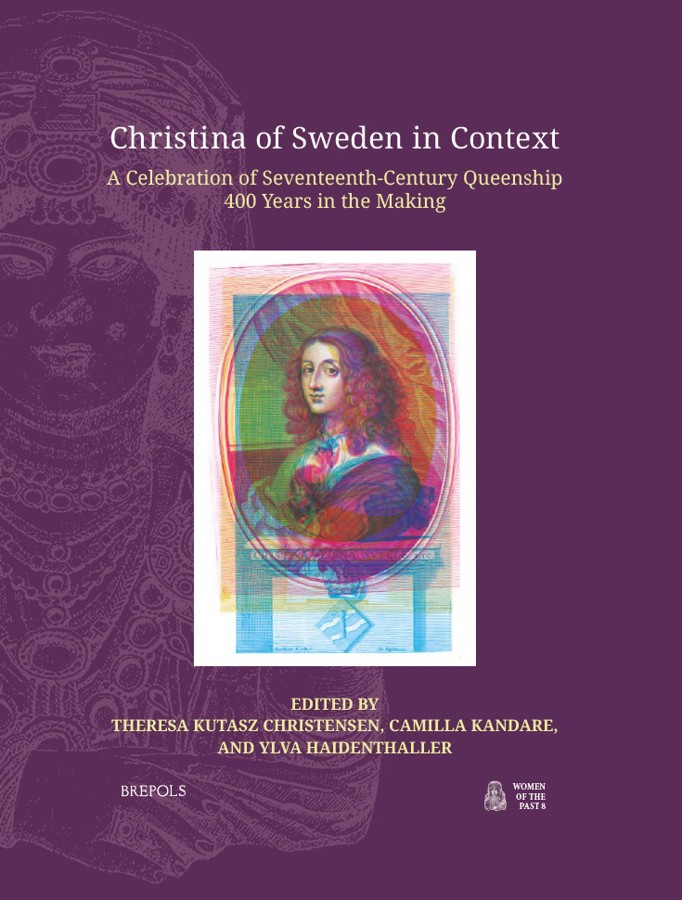 Christina of Sweden in Context
A Celebration of Seventeenth-Century Queenship 400 Years in the Making

 Construction Processes in Historical Western Societies (5th c. BC – 10th c. AD)
Case Studies on Techniques, Models, and Costs
 Contesting Labeled Identities
The Sociology of Gentilics in Biblical and Northwest Semitic Literature

 Drunk the Potion, No Whit Charmed
The Doctrine of Pure and Perfect Souls from Iamblichus to Damascius

 Engaged Languages and Literatures / Langues et Littératures engagées
Critical Views / Regards Critiques
 Epigraphic “Shades” from Hellenistic Thrace
Contextualizing Inscriptions in Greek from Thracian Tombs

 Epiphanies of the Divine in the Septuagint and the New Testament
Fifth International Symposium of the Corpus Judaeo-Hellenisticum Novi Testamenti (CJHNT), 14-17 May 2015, Nottingham


 Etruscan and Roman Hellenistic Anatomical ex votos
Reassessing Popular Religious Expressions in Central Italy
Volume 8




 Gold, Silver and Glass: Power Networks, Cultural Identities, Technology Transfers and Agency across the Old World (7th Century BC – 1st Century AD)
Proceedings of a Conference Held at the British Museum, 16–18 June 2023



 Invisible Labour in Antiquity
Visualizing Obscure Work in the Ancient Mediterannean and West Asia
Volume 1

 Language and Power in the Roman Empire and Early India
Hierarchy, Ambiguity, and the Art of Reading the Signs in Cosmopolitan Cultures
 Late Antique villae in the Balkans (3rd–7th c. AD): Current Research Questions and Perspectives
HAEMUS Companion to the Late Antique Balkans 1
Volume 4

