
Etnicidad vs. Aculturación: Las necrópolis castellanas de los siglos V-VI d.C. y el asentamiento visigodo en la Península Ibérica. Una mirada desde la meseta sur
By (author) Rafael Barroso Cabrera

Paperback (Published)
(December 2018)
ISBN: 9781789690798
7.99 x 10.91 inches
Price: $56.00
In stock
A study of the political and archaeological controversies surrounding the Castilian Necropoleis of the V-VI Centuries AD and the Visigoth Settlement in the Iberian Peninsula. The author attempts to deconstruct the various controversies and presents fresh analysis based on the archaeological data and literary evidence.
English summary: The Visigoth settlement in the Iberian Peninsula and its relationship with the archaeological record of the 5th-6th centuries AD continues to be one of the most controversial issues in Spanish archaeology. The controversy relates to politics as much as it relates to archaeological research with two points remaining particularly controversial: the alleged use of the Visigoth past by the Francoist intelligentsia as an ideological affirmation of the regime and the contribution of archaeologist Julio Martinez Santa-Olalla in supporting and enabling this re-interpretation of Visigothic archaeology. The purely archaeological aspect of the controversy relates to an archaeological interpretation, stemming from the ranks of the so-called New Archeology, of the Castilian necropoleis containing grave goods of Pontic-Danubian type. This interpretation places special emphasis on social and cultural phenomena above the ethnic criteria defended by the Vienna School. This volume approaches the ideological question that underlies these controversies, as well as their repercussions in the direction adopted by later archaeological investigations in relation to the history of Spain. The author attempts to deconstruct the work of Martinez Santa-Olalla and places it in the context of the scientific production of his time. At the same time, it relativizes the role played by the Visigoth period in the Francoist ideological construction. Once the discussion is framed in these terms, the author dedicates his study to a refutation of the cultural interpretation of the phenomenon of the Visigothic necropoleis of the Castilian plateau based on the archaeological data and by comparing this data with literary sources. The study also addresses two other historical problems that could be related to the Gothic settlement in the Castilian plateau: the creation of the bishopric of Segovia and the flourishing of the city of Toledo. Spanish description: El asentamiento visigodo en la Peninsula Iberica y su relacion con el registro arqueologico de los siglos V-VI d.C. continua siendo en la actualidad una de las cuestiones mas controvertidas de la arqueologia espanola. Gran parte de esa controversia tiene que ver con aspectos que trascienden a la propia investigacion arqueologica y nos situan en el plano de la politica. Asi, a la hora de abordar el problema hay dos puntos que han resultado especialmente polemicos: la presunta utilizacion del pasado visigodo por parte de la intelectualidad franquista como afirmacion ideologica del regimen y la contribucion del arqueologo burgales Julio Martinez Santa-Olalla en la fijacion del esquema de arqueologia visigoda. Por otro lado, el aspecto puramente arqueologico de la controversia tiene que ver con la interpretacion que desde las filas de la denominada New Archaeology se viene realizando de las necropolis castellanas con ajuares de tipo pontico-danubiano. Dicha interpretacion hace especial hincapie en fenomenos sociales y culturales por encima de los criterios etnicos defendidos por la Escuela de Viena. El presente estudio aborda de forma lucida la cuestion ideologica que subyace detras de la polemica, asi como las repercusiones que ha tenido en la posterior direccion adoptada por la investigacion arqueologica en relacion con la propia historia de Espana. En este sentido, el autor realiza un ejercicio de deconstruccion de la figura de Martinez Santa-Olalla y lo situa en el contexto de la produccion cientifica de su epoca. Al mismo tiempo, relativiza el papel desempenado por el periodo visigodo en la construccion ideologica franquista. Una vez situada la discusion en estos terminos, el autor dedica su estudio a una refutacion de la interpretacion en clave cultural del fenomeno de las necropolis visigodas de la meseta castellana desde los propios datos arqueologicos y a partir del cotejo de estos datos con los testimonios que proporcionan las fuentes literarias. Ademas, el presente estudio aborda tambien otros dos problemas historicos que podrian estar relacionados con el asentamiento godo en la meseta castellana: la creacion de la sede episcopal segoviana y el auge de la ciudad de Toledo.
RAFAEL BARROSO CABRERA (Madrid, 1963) is University Master’s Degree (Prehistory and Archaeology). He is a specialist in the Visigothic period, to which he has devoted a good part of his research work. Within this work, the author has collaborated in several research projects on this period, mentioning the one devoted to the Sedes Regia Toletana or Sacra tempora. Certae aedes. As a researcher, he has published numerous studies on the history and archaeology of Visigothic Spain, also highlighting his contributions to the study of Visigoth art and his collaborations in the research projects of Los Hitos and Idanha-a-Velha. Previously he has worked in several excavation campaigns in the Roman cities of Valeria and Ercavica. He has also directed, among others, the excavation of the necropolis of La Dehesa de la Casa (Cuenca) and of the Roman uilla and necropolis of Tinto Juan de la Cruz (Madrid). | RAFAEL BARROSO CABRERA (Madrid, 1963) es Máster Universitario (Prehistoria y Arqueología). Es especialista en el período visigodo, al que ha dedicado buena parte de su labor investigadora. En el marco de este trabajo, el autor ha colaborado en diversos proyectos de investigación en este periodo. Como investigador ha publicado numerosos estudios sobre historia y arqueología de la España visigoda, destacando también sus contribuciones al estudio del arte visigodo y sus colaboraciones en los proyectos de investigación de Los Hitos e Idanha-a-Velha. Anteriormente ha trabajado en diversas campañas de excavación de las ciudades romanas de Valeria y Ercavica. También ha dirigido, entre otras, la excavación de la necrópolis de La Dehesa de la Casa (Cuenca) y de la villa romana y la necrópolis visigoda de Tinto Juan de la Cruz (Madrid).
- By (author) Rafael Barroso Cabrera
Similar Books
 «Solazoxa festa, stradolze e stracomplia»
Festschrift für Raymund Wilhelm zum 65. Geburtstag mit Beiträgen zu Diskurstraditionen und mittelalterlicher Philologie
Volume 249
 A Collaborative Tapestry in Honour of Shirley Ann Brown / Une fresque brodée en l’honneur de Shirley Ann Brown
The Bayeux Tapestry Seen by her Colleagues and Friends / La Tapisserie de Bayeux vue par ses collègues et amis

 Behind the Scenes of Medieval Roofs
An Overview of the Roofing Systems of Italian Churches
Volume 90

 Cahiers de recherches médiévales et humanistes – Journal of Medieval and Humanistic Studies
Volume 51

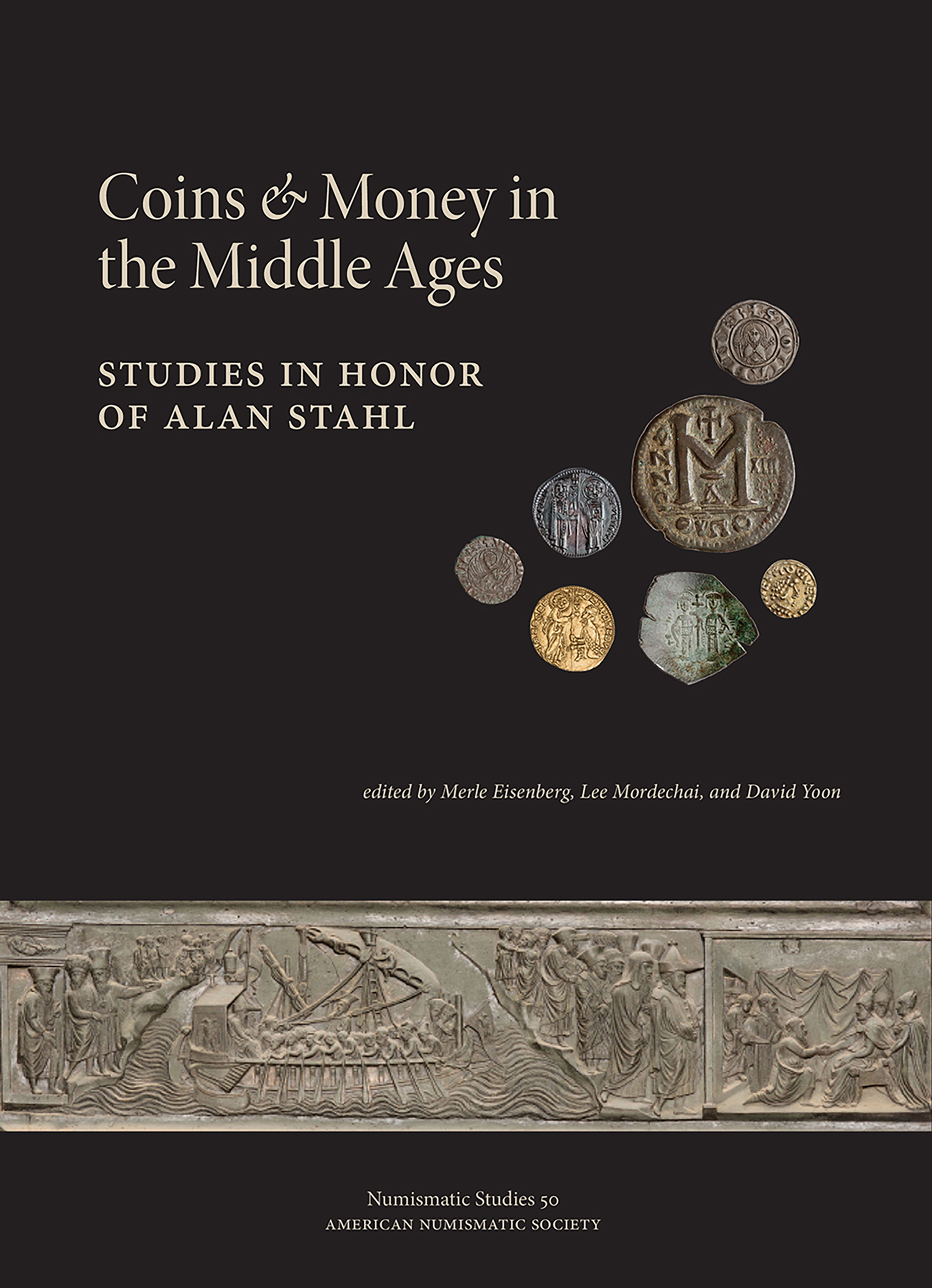






 Innovation and Medieval Communities
The Circulation of Ideas and Practices in and out of the Town (1200-1500)
Volume 63
 John Dunstaple Reading Boethius
John Dunstaple’s Annotations to Boethius’s “De institutione musica” in the Manuscript Oxford, Corpus Christi College Library, MS 118

 Medieval Debates on Foreknowledge: Future Contingents, Prophecy, and Divination
Acts of the XXVII Annual Colloquium of the SIEPM, Trento 12-15 September 2023
Volume 31

 Medieval Yeghegis, Armenia
History, Archaeology, Society. Local Multiplicities and Global Connections of a Rural Centre on the Silk Road(s)
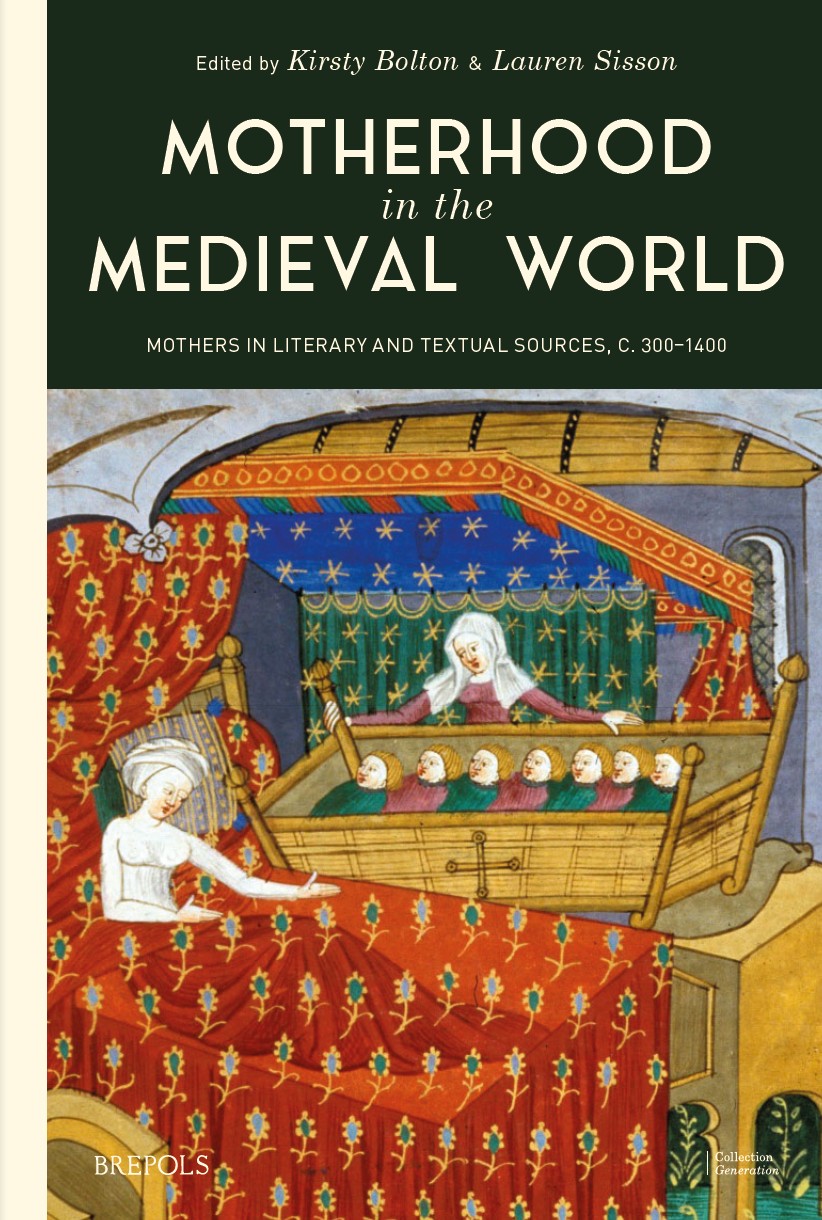
 Nicholas of Lyra’s Commentaries on the Gospels of Matthew and Luke
Franciscan Exegesis in a Time of Crisis



 Power and Women in Southeast and Central Europe in Late Medieval and Early Modern Period (1300-1600)
Volume 10

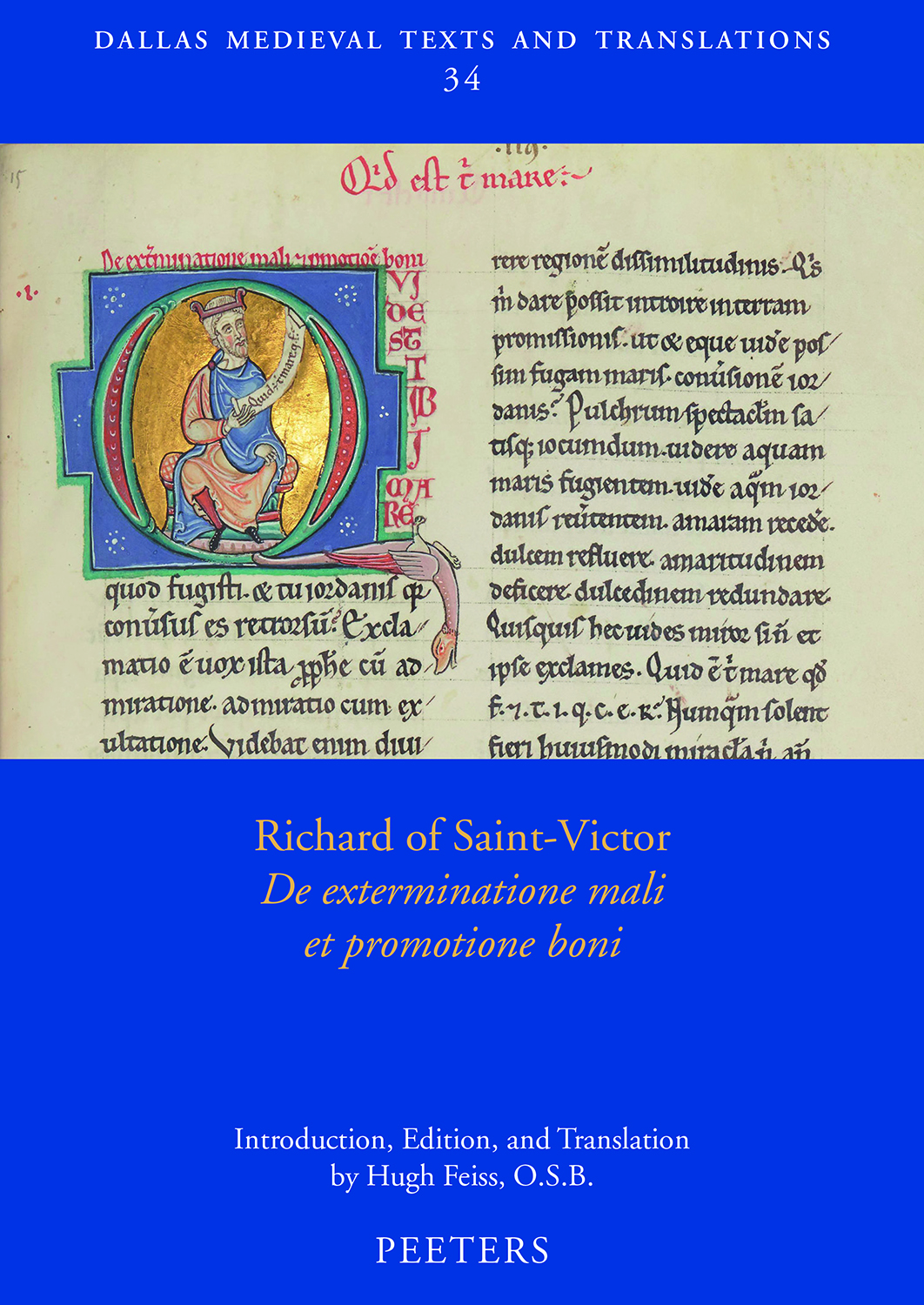

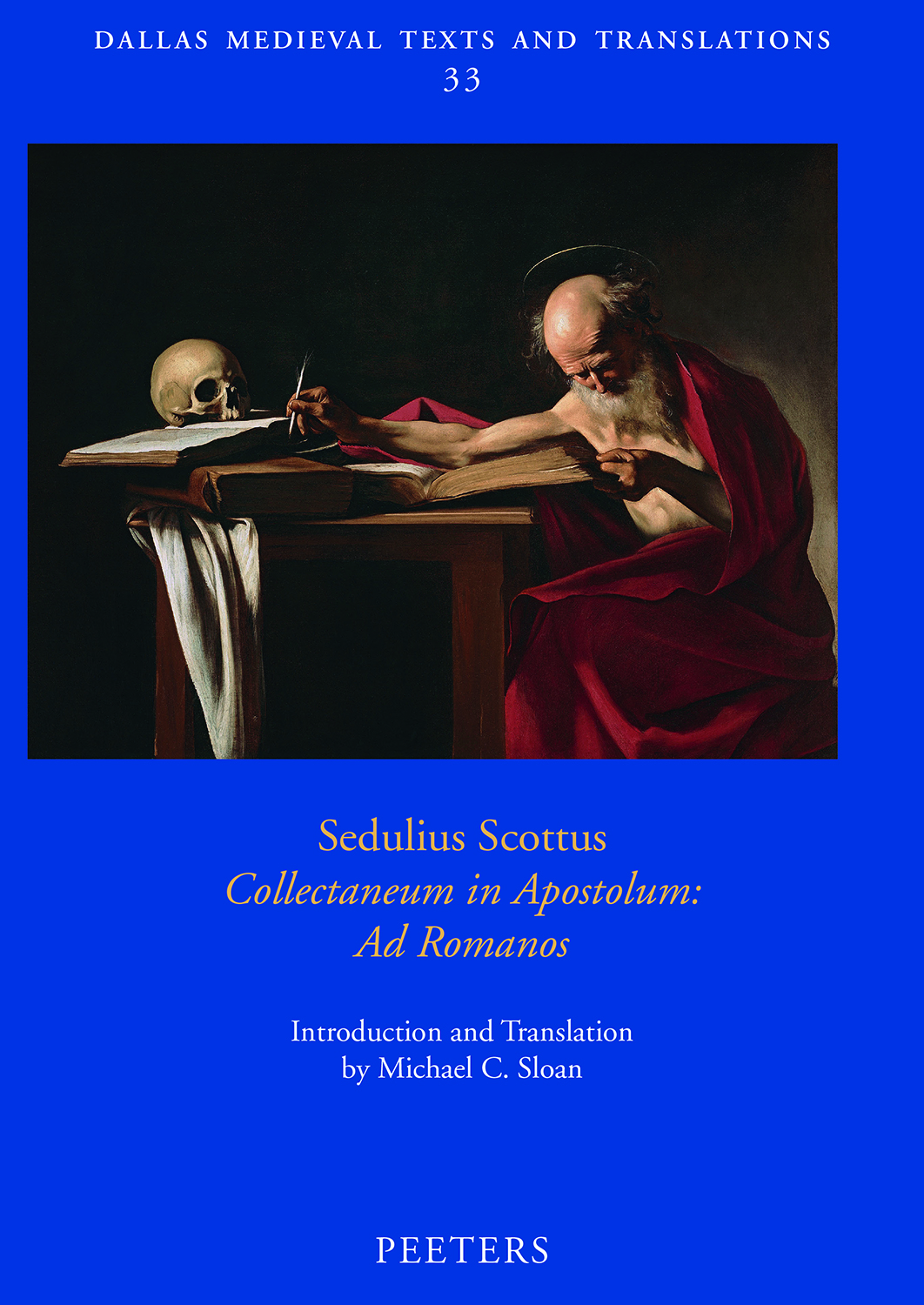



 The Anglo-Norman Bible’s Books of Kings, a Critical Edition
(BL Royal 1 C III, fols 234r-274v)
Volume 37