
Erzählweisen des Sagbaren und Unsagbaren / Between Commemoration and Amnesia
Formen des Holocaust-Gedenkens in schweizerischen und transnationalen Perspektiven / Forms of Holocaust Remembrance in Swiss and Transnational Perspectives
Contributions by Valérie Arato Sulzer Contributions by Wulff Bickenbach Contributions by Klaus-Michael Bogdal Contributions by Barbara Bonhage Contributions by Sabina Bossert Contributions by Hannah Einhaus Contributions by Anna Fersztand Contributions by Peter Gautschi Contributions by Daniel Gerson Contributions by Remo Gysin Contributions by Helena Kanyar-Becker Contributions by Nadev Kaplan Contributions by Hans-Lukas Kieser Contributions by Sara Kviat Bloch Contributions by Regula Ludi Contributions by Anna Minta Contributions by Marc Perrenoud Contributions by Erik Petry Contributions by Joel E. Rubin Contributions by Balz Spörri Contributions by Gregor Spuhler Contributions by René Staubli Contributions by Walter Stoffel Contributions by Kaspar Surber Contributions by Benno Tuchschmid Contributions by Judy Tydor Baumel-Schwartz Edited by Maoz Azaryahu Edited by Ulrike Gehring Edited by Fabienne Meyer Edited by Jacques Picard Edited by Christina Späti

Hardback (Out of print)
(June 2021)
ISBN: 9783412521608
6.34 x 9.25 inches
Price: $82.00
On back order
Unterschiedliche Erzählweisen – ein Plädoyer der transnationalen Lesart von Holocaust-Gedenken
The way in which the Holocaust and the Second World War are remembered and the many forms and debates that have emerged from this contemporary field have also left their mark on Switzerland. However, the “monuments” that exist in that non-occupied country are not only material ones. What may be discovered is also evident in musical and literary works, biographies and self-testimonies, feature films and documentaries, landscapes, teaching materials and school lessons, as well as in debates about demands for restitution, recognition or rehabilitation. This book presents different aspects and modes of cultural remembrance, and at the same time it addresses a plea for a transnational reading of Holocaust remembrance. From the knowledge that crosses semantic and territorial borders, there is much to be learned for one’s own purposes. For this reason, this anthology takes its lift-off from Switzerland, but also presents insights and examples that touch many of Danish, German, Israeli, Austrian, Swedish or Hungarian concerns.
- Contributions by Valérie Arato Sulzer
- Contributions by Wulff Bickenbach
- Contributions by Klaus-Michael Bogdal
- Contributions by Barbara Bonhage
- Contributions by Sabina Bossert
- Contributions by Hannah Einhaus
- Contributions by Anna Fersztand
- Contributions by Peter Gautschi
- Contributions by Daniel Gerson
- Contributions by Remo Gysin
- Contributions by Helena Kanyar-Becker
- Contributions by Nadev Kaplan
- Contributions by Hans-Lukas Kieser
- Contributions by Sara Kviat Bloch
- Contributions by Regula Ludi
- Contributions by Anna Minta
- Contributions by Marc Perrenoud
- Contributions by Erik Petry
- Contributions by Joel E. Rubin
- Contributions by Balz Spörri
- Contributions by Gregor Spuhler
- Contributions by René Staubli
- Contributions by Walter Stoffel
- Contributions by Kaspar Surber
- Contributions by Benno Tuchschmid
- Contributions by Judy Tydor Baumel-Schwartz
- Edited by Maoz Azaryahu
- Edited by Ulrike Gehring
- Edited by Fabienne Meyer
- Edited by Jacques Picard
- Edited by Christina Späti
Other Titles in this Series


Similar Books



 Dis/United States of Vulnerability
Literary and Cultural Transgressions in U.S. Poetry Since the 1960s
Volume 330


 European Drama and Performance Studies
Dramatisations politiques. Théâtre, politique et idéologie au XIXe siècle (1806-1914)
Volume 27


 Modernization, Crises, Cultural Revolutions
Yugoslavia’s 1960s and 1970s through the amateur film lens


 Visual Memory and Oblivion
Monuments and Conflicts in Urban Spaces in Central and Eastern Europe from the Nineteenth Century to the Present Day



 “Tod durch Erschießen”
Generaloberst Nikolaus von Falkenhorst. Wehrmachtsbefehlshaber in Norwegen 1940–1945. Erinnerungen – Verhörprotokolle – Urteilssprüche
Volume 63
 “Zum Siege unserer menschenfreundlichen Prinzipien”
Ungarische Freimaurernetzwerke im „Orient“ 1886-1920




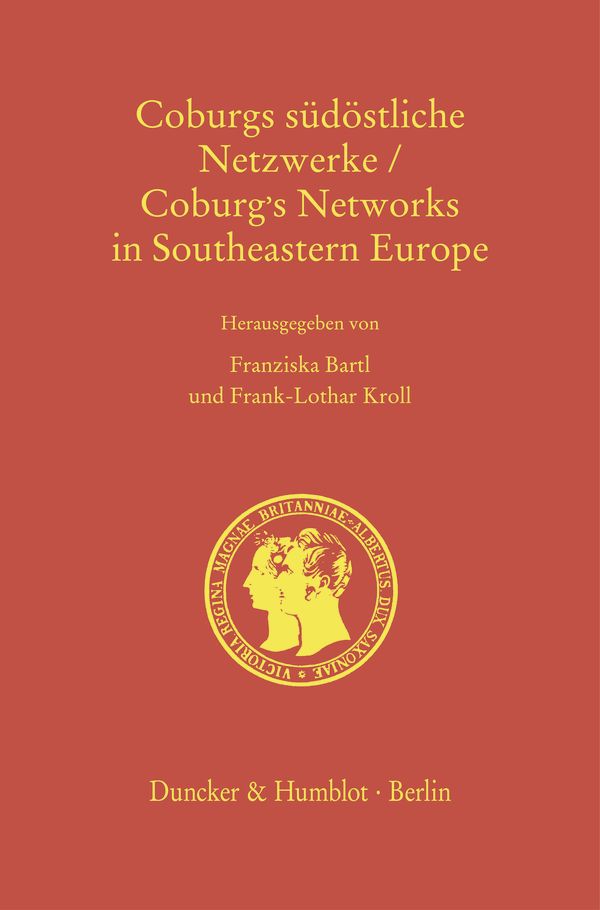 Coburgs südöstliche Netzwerke – Coburg’s Networks in Southeastern Europe
Bulgarien, Rumänien und Ostmitteleuropa im 19. und 20. Jahrhundert. Hrsg. von Franziska Bartl und Frank-Lothar Kroll mit einem Grußwort Seiner Majestät des Königs der Bulgaren Simeon II.
Volume 39


 Dark Like You
Zur medienreflexiven Modernität der Kinder- und Jugendzeitschrift ‚The Brownies’ Book‘ (1920–1921)
Volume 191
 Das Dasein und das isolierte Subjekt
Die Frage der philosophischen Selbstinterpretation des Menschen bei Heidegger
 Das Generalgouvernement Belgien im Ersten Weltkrieg 1914-17–1918
Die Erinnerungen des Generalobersten Ludwig Freiherrn von Falkenhausen
Volume 64