
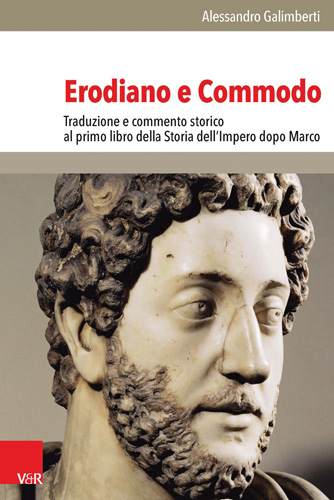
Erodiano e Commodo
Traduzione e commento storico al primo libro della Storia dell'Impero dopo Marco
By (author) Alessandro Galimberti
Hardback (Published)
(December 2013)
ISBN: 9783525253038
6.34 x 9.33 inches
Price: $125.00
In stock
This is the first historical commentary on the first book of Herodians’ “History of the Empire after Marcus” on Commodus’ principate. The commentary is accompanied by an extensive historiographical introduction and by the Italian translation. Herodian is an original historian, which has a political vision of the of Commodus’ reign different from the other sources which reflect the senatorial point of view. Italian text.
English summary: It’s the first historical commentary on the first book of Herodian’s “History of the Empire after Marcus” on Commodus’ principate. The commentary is accompanied by an extensive historiographical introduction and by the italian translation. The analysis of the first book shows that Herodian was an eyewitness of Commodus’ reign and integrates this testimony, made of personal memories, with oral and written sources. There is no reason to exclude that Herodian had read the work of Cassius Dio – who was also an eyewitness of Commodus’ time – indeed, it is very likely that Dio was among the sources of Herodian, although it is wrong to think that Herodian depends exclusively from Dio and consequently to understimate the testimony of Herodian in favor of that of Dion. Herodian, who writes for a greek audience is for us a very valuable source for Commodus’ reign for at least two reasons: first, because it preserves a point of view different from the senatorial one that is in Dion and in the Commodus life in the Historia Augusta, as well as in other minor sources, radically hostile to Commodus, among which Galen’s De indolentia, whose testimony (the oldest in the reign of Commodus) is here valued for the first time. Herodian’s judgment of Commodus is also more complex than the other sources. The final judgment of Commodus is emblematic of the point of view of Herodian and that is a missed opportunity: Commodus wasted his talent and his nobility. His downfall is ultimately due to the fact of having disregarded the expectations that had been created around him. German description: Alessandro Galimberti legt mit diesem Buch den ersten historischen Kommentar zum ersten Buch Herodians Die Geschichte des Imperiums nach Marcus vor. Seine Analysen zeigen, dass Herodian zu einer weitaus differenzierteren und weniger negativen Beurteilung uber die Herrschaft von Kaiser Commodus als die meisten anderen zeitgenossischen Quellen kommt, die vor allem die Sicht des Senats widerspiegeln. So charakterisiert er dessen Herrschaft als verpasste Gelegenheit. Commodus vergeudete sein Talent und seine adlige Abstammung, was letztendlich zu seinem Niedergang fuhrte. Dem italienischen Kommentar voraus geht eine historische Einfuhrung und eine italienische Ubersetzung des ersten Buchs Herodians.
Dr. Alessandro Galimberti lehrt Römische Geschichte am Historischen Seminar der Katholischen Universität Mailand.
- By (author) Alessandro Galimberti
Other Titles in this Series
 Die Argumente des Dritten Menschen in Platons Dialog »Parmenides«
Rekonstruktion und Kritik aus analytischer Perspektive


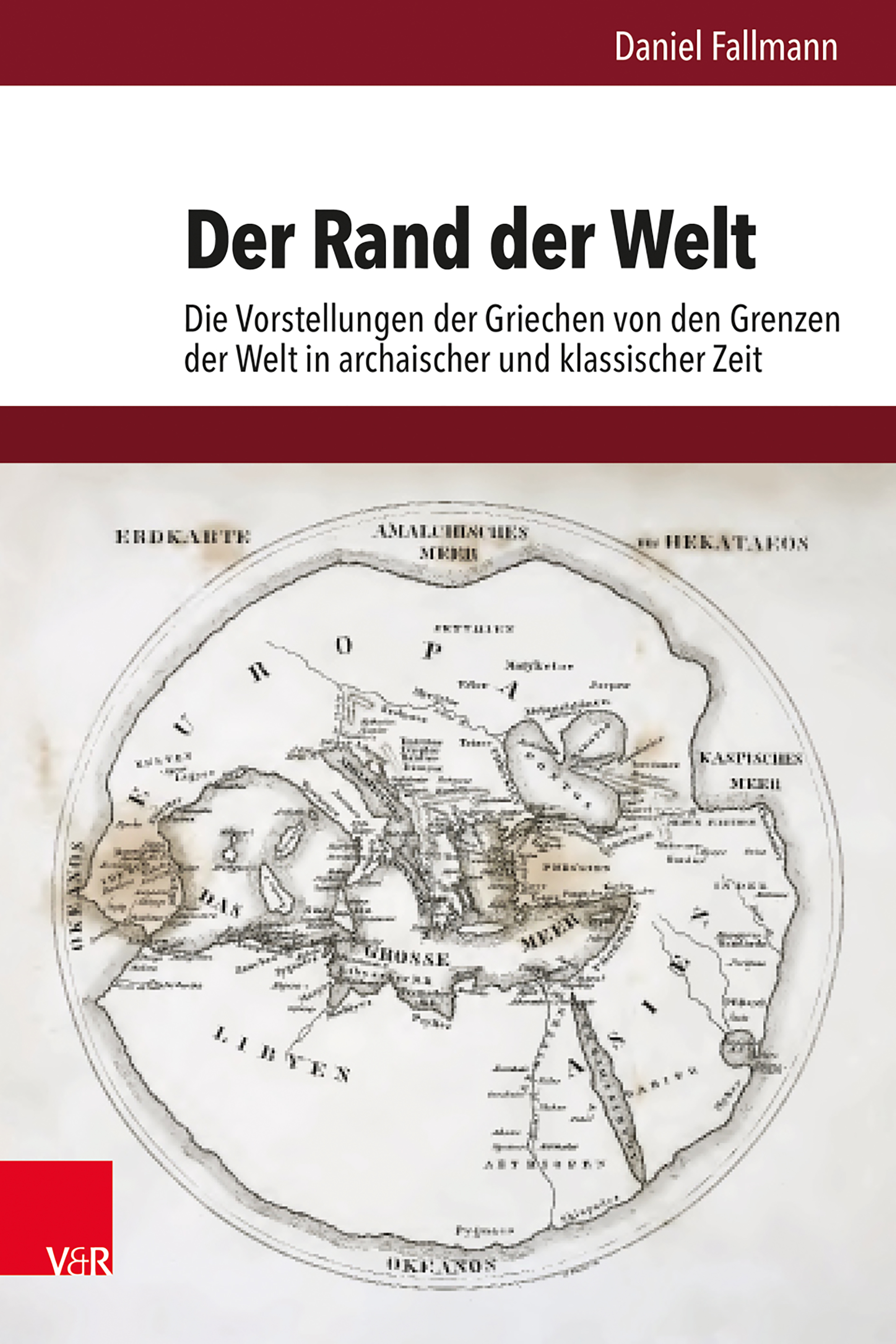 Der Rand der Welt
Die Vorstellungen der Griechen von den Grenzen der Welt in archaischer und klassischer Zeit



 Tragische Rhetorik
Darstellungsweise und dramatische Funktionen scheiternder Reden in der attischen Tragödie
 Von Jerusalem zu Aelia Capitolina
Die römische Politik gegenüber den Juden von Vespasian bis Hadrian
 Quintus Smyrnaeus »Posthomerica« 1
Die Wiedergeburt des Epos aus dem Geiste der Amazonomachie. Mit einem Kommentar zu den Versen 1–219
 Entscheidungsszenen im römischen Epos
Erzählerische Darstellungen des inneren Zwiespalts von Vergil bis Silius Italicus


 Exemplarische Vergangenheit
Valerius Maximus und die Konstruktion des sozialen Raumes in der frühen Kaiserzeit
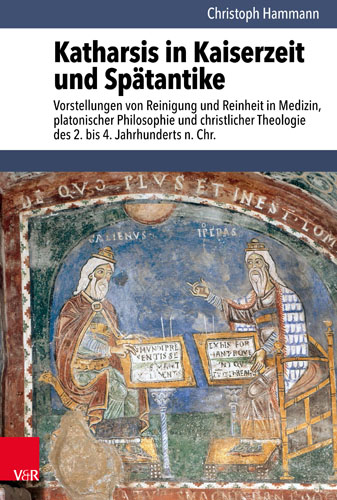 Katharsis in Kaiserzeit und Spätantike
Vorstellungen von Reinigung und Reinheit in Medizin, platonischer Philosophie und christlicher Theologie des 2. bis 4. Jahrhunderts n. Chr




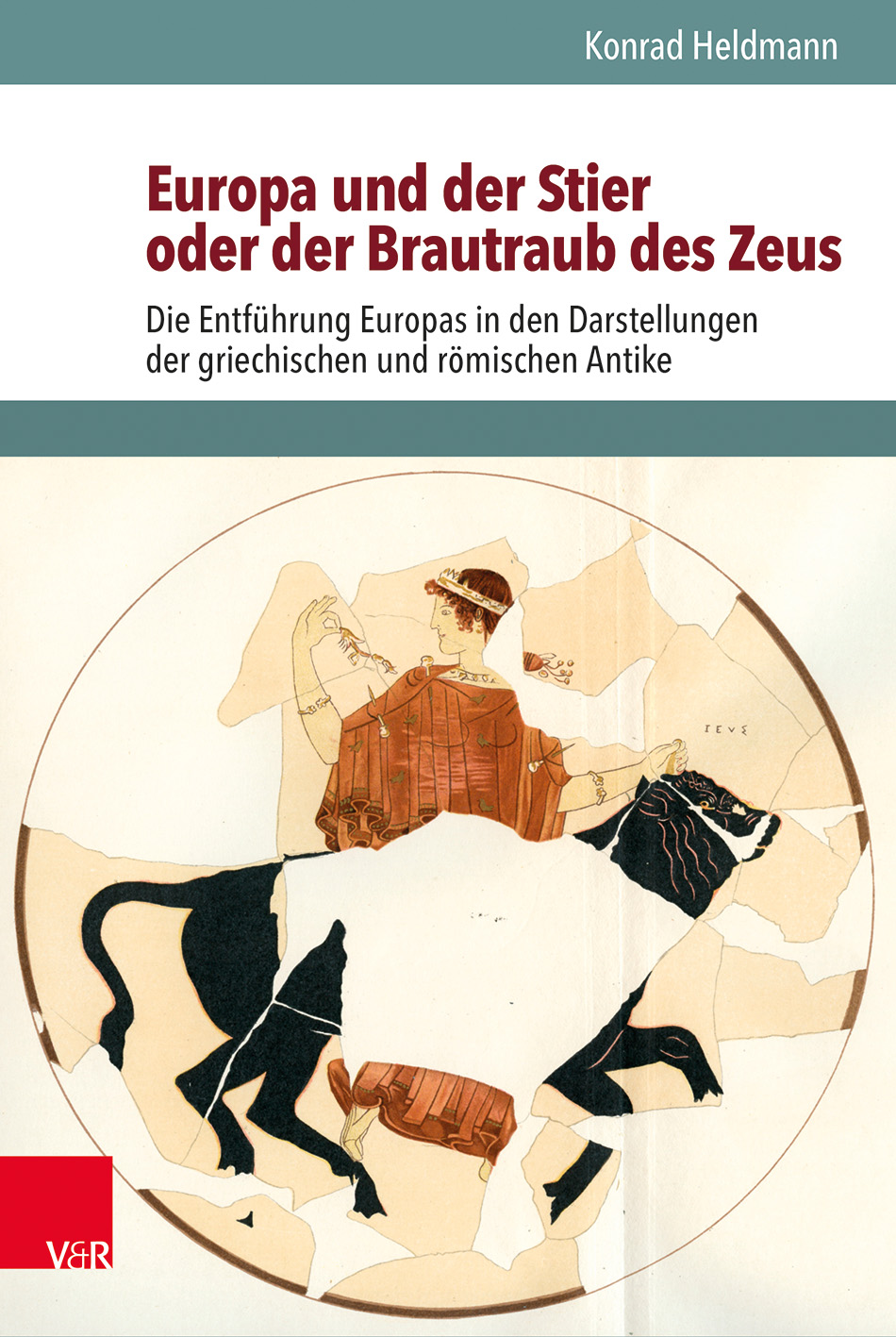 Europa und der Stier oder der Brautraub des Zeus
Die Entführung Europas in den Darstellungen der griechischen und römischen Antike



Similar Books


 Contesting Labeled Identities
The Sociology of Gentilics in Biblical and Northwest Semitic Literature

 Drunk the Potion, No Whit Charmed
The Doctrine of Pure and Perfect Souls from Iamblichus to Damascius

 Epigraphic “Shades” from Hellenistic Thrace
Contextualizing Inscriptions in Greek from Thracian Tombs

 Epiphanies of the Divine in the Septuagint and the New Testament
Fifth International Symposium of the Corpus Judaeo-Hellenisticum Novi Testamenti (CJHNT), 14-17 May 2015, Nottingham


 Gold, Silver and Glass: Power Networks, Cultural Identities, Technology Transfers and Agency across the Old World (7th Century BC – 1st Century AD)
Proceedings of a Conference Held at the British Museum, 16–18 June 2023
 Language and Power in the Roman Empire and Early India
Hierarchy, Ambiguity, and the Art of Reading the Signs in Cosmopolitan Cultures
 Late Antique villae in the Balkans (3rd–7th c. AD): Current Research Questions and Perspectives
HAEMUS Companion to the Late Antique Balkans 1
Volume 4


 Nurturing the Elite
Representations of Drinking, Eating, and Religious Vessels in Palmyrene Funerary Iconography
Volume 13





 Roman Copies, Collecting, and Culture in the Bay of Naples and Beyond
Papers in Honor of Eugene J. Dwyer



 The Compositional History of the Book of Kings
An Analysis of the Evaluative Frameworks in 1 Kings 14–2 Kings 25




 Zooarchaeology of Ancient Greek Sanctuaries in Southwestern Sicily
Faunal Analysis from Selinus and Akragas as Evidence of Differences in the Treatment of Animals for Ritual Purposes


