Encyclopedie du trans/posthumanisme
L'humain et ses prefixes
Edited by Gilbert Hottois Contributions by Pierre Daled Contributions by Christophe Den Tandt Contributions by Emile De Pauw Contributions by Gerard Dine Contributions by Laurent Frippiat Contributions by Jerome Goffette Contributions by Jean-Yves Goffi Contributions by Denis Goldschmidt Contributions by Marc Groenen Contributions by Gilbert Hottois Edited by Jean-Noel Missa Contributions by Celine Kermisch Contributions by Dominique Lambert Contributions by Alex Mauron Contributions by Jean-Noell Missa Contributions by Dorian Neerdael Contributions by Pascal Nouvel Contributions by Laurence Perbal Contributions by Marie-Genevieve Pinsart Contributions by Chloe Pirson Contributions by Joelle Proust Edited by Laurence Perbal Contributions by Isabelle Queval Contributions by Sylvie Vranckx Contributions by Sylvie Allouche Contributions by Muriel Andrin Contributions by Bernard Baertschi Contributions by Jean-Michel Besnier Contributions by Georges Chapouthier Contributions by Axel Cleeremans

Paperback (Published)
(January 2015)
ISBN: 9782711625369
5.31 x 8.46 inches
Price: $41.00
In stock
English summary: This series of articles seeks to encompass the numerous debates surrounding the relationship between humanity and technology, specifically the ways that technology is transforming us as a species. The first section examines the philosophical and ethical questions of trans- and post-humanism. The second section highlights scientific and biomedical techniques related to transhumanism. The final part discusses in particular the place of post- and transhumanism in science fiction. French description: Les prefixes de l’humain sont nombreux (ab- in-, para-, pre-, post-, proto-, sub-, sur-, trans-humain…). Ils invitent a reflechir a la nature, aux limites et aux transformations de l’etre humain ainsi qu’aux reactions intellectuelles et emotionnelles suscitees. Le trans/posthumanisme concerne toutes les techniques materielles d’augmentation ou d’amelioration (physique, cognitive, emotionnelle) de l’homme, une perspective volontiers situee dans le prolongement de l’humanisme progressiste des Lumieres. Mais l’homme ameliore ou augmente – transforme – pourrait s’eloigner toujours davantage des conditions de l’homme naturel cultive ordinaire. Le transhumanisme risque de verser, brutalement ou imperceptiblement, dans le posthumanisme, referant a des entites qui, bien que descendant de l’homme, seraient aussi etrangeres a celui-ci que l’espece humaine est eloignee des formes de vie paleontologiques. Le posthumanisme flirte avec le nihilisme et l’imagination apocalyptique. Aux franges les plus audacieuses de la bioethique, l’Encyclopedie n’ecarte pas plus qu’elle ne focalise les questions ethiques. Elle englobe, sans les confondre, l’analyse conceptuelle, l’extrapolation technoscientifique et l’imagination speculative. La premiere partie Philosophie et ethique est consacree au debat philosophique relatif au trans/posthumanisme. Les entrees refletent le vocabulaire conceptuel propre aux principaux auteurs trans/posthumanistes et a leurs critiques directs. La deuxieme partie Technoscience et medecine d’amelioration parcourt les references actuelles aux sciences et aux techniques biomedicales inherentes a la problematique transhumaniste. Elle distingue entre ce qui se fait, pourra probablement se faire ou releve du domaine de la projection speculative et imaginaire. La troisieme partie Techniques, arts et science-fiction est centree autour des echanges entre technosciences et creations artistiques, specialement l’imaginaire de la science-fiction ou les themes post/transhumanistes sont fortement representes.
- Edited by Gilbert Hottois
- Contributions by Pierre Daled
- Contributions by Christophe Den Tandt
- Contributions by Emile De Pauw
- Contributions by Gerard Dine
- Contributions by Laurent Frippiat
- Contributions by Jerome Goffette
- Contributions by Jean-Yves Goffi
- Contributions by Denis Goldschmidt
- Contributions by Marc Groenen
- Contributions by Gilbert Hottois
- Edited by Jean-Noel Missa
- Contributions by Celine Kermisch
- Contributions by Dominique Lambert
- Contributions by Alex Mauron
- Contributions by Jean-Noell Missa
- Contributions by Dorian Neerdael
- Contributions by Pascal Nouvel
- Contributions by Laurence Perbal
- Contributions by Marie-Genevieve Pinsart
- Contributions by Chloe Pirson
- Contributions by Joelle Proust
- Edited by Laurence Perbal
- Contributions by Isabelle Queval
- Contributions by Sylvie Vranckx
- Contributions by Sylvie Allouche
- Contributions by Muriel Andrin
- Contributions by Bernard Baertschi
- Contributions by Jean-Michel Besnier
- Contributions by Georges Chapouthier
- Contributions by Axel Cleeremans
Other Titles in this Series


Similar Books


 Drunk the Potion, No Whit Charmed
The Doctrine of Pure and Perfect Souls from Iamblichus to Damascius
 Éthique, politique, religions
Superstition (XVIIe - XXIe siècles). Sémantique, histoires et cultures


 La Lettre clandestine
La littérature philosophique clandestine, ses éditeurs et ses éditions
Volume 34
 Libertinage et philosophie à l’époque classique (XVIe-XVIIIe siècle)
Athéisme, Modernité et Sécularisation / Atheism, Modernity and Secularization
Volume 23


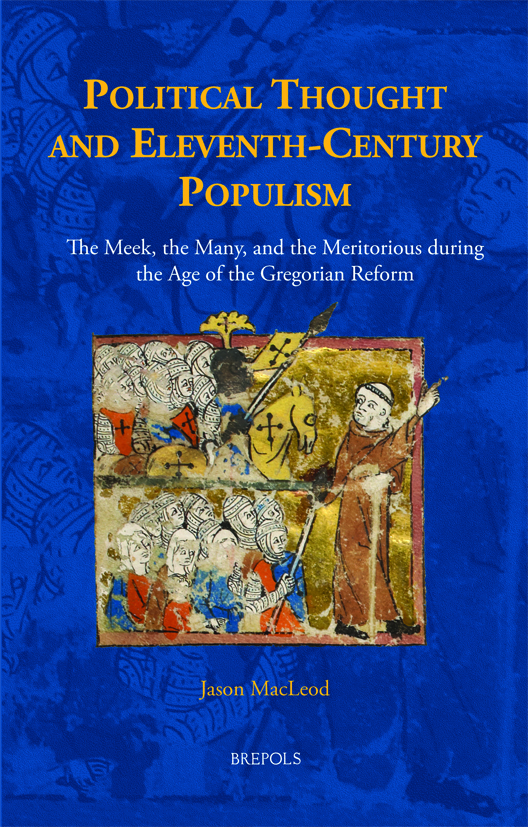 Political Thought and Eleventh-Century Populism
The Meek, the Many, and the Meritorious during the Age of the Gregorian Reform
Volume 38


 The Latin Hermes in Translation
Asclepius, Glosses on Trismegistus, Book of Six Principles of Things, Book of 24 Philosophers
Volume 50



 ‘Emergente Evolution’?
Fallstudien zur philosophischen Rekonstruktion und schopfungstheologischen Rezeption eines naturalistischen Paradigmas
Volume 40
 Al-Ğābirīs Genese und Kritik der Arabischen Vernunft
On Genesis and Critique of Arab Reason by Muḥammed ʿĀbid al-Ğābirī


 Das Dasein und das isolierte Subjekt
Die Frage der philosophischen Selbstinterpretation des Menschen bei Heidegger


 Der Geist des Menschen und die originäre Erfahrung der Zerbrechlichkeit
Eine philosophisch-theologische Grundlegung nach Edith Stein im Dialog mit der medizinischen Anthropologie und der existentiellen Psychologie