
Emotionale Sprache in Ciceros zweiter Philippika gegen Marc Anton
Einführung in die emotionslinguistische Textanalyse und Kommentar
By (author) Ken Heuring

Hardback (Published)
(June 2024)
ISBN: 9783161613654
6.54 x 9.49 inches
Price: $134.00
In stock
In this study, Ken Heuring focuses on Cicero’s Second Philippic, a passionate invective against Marcus Antonius, who succeeded Julius Caesar after his assassination in 44 BC. The author introduces key concepts in emotion linguistics, illustrating them with extracts taken from the speech.
In dieser Studie widmet sich Ken Heuring der zweiten Philippika Ciceros, einer leidenschaftlichen Schmahrede gegen Marcus Antonius. Er war fur kurze Zeit Nachfolger Julius Caesars, nachdem er 44 v. Chr. von Republikanern ermordet worden war. Als wichtige Gattung der antiken Rhetorik zeichnet sich die Invektive durch einen hohen Grad an Emotionalitat aus: Die antike Rhetorik verstand Schimpfworter, Ubertreibungen, pathetische Ausrufe und diverse andere rhetorische Techniken als Mittel, um die Gefuhle der Zuhorer im Sinne des Redners zu erregen. In seiner zweiten Philippika wendet Cicero das Wort als Waffe gegen seinen Gegner Marcus Antonius. Um der emotionsleitenden Tiefenstruktur der Rede auf die Spur zu kommen, fuhrt Ken Heuring zunachst in die Grundbegriffe der Emotionslinguistik anhand vielfaltiger Beispiele ein. Anschliessend analysiert er die zahlreichen emotionalen Codes in Ciceros Meisterwerk. Diese Studie erganzt und vertieft damit die klassische Analyse um eine elementare Kategorie.
I. Einführung in die Emotionslinguistik
Grundbegriffe: Invektivität, Emotionen, Sprache - Emotionslinguistische Pragmatik - Paraverbale und nonverbale Emotionscodes - Verbale Emotionscodes
II. Emotionslinguistischer Kommentar der zweiten Philippika
Geboren 1990; 2020 Promotion; 2021-2023 Referendariat an einem Nürnberger Gymnasium; Schuldienst an einer staatlichen FOS in München.
- By (author) Ken Heuring
Other Titles in this Series

 Emotionen und Politik in der späten römischen Republik
Emotionsstrategien bei Cicero in den Jahren 58-49 v. Chr.

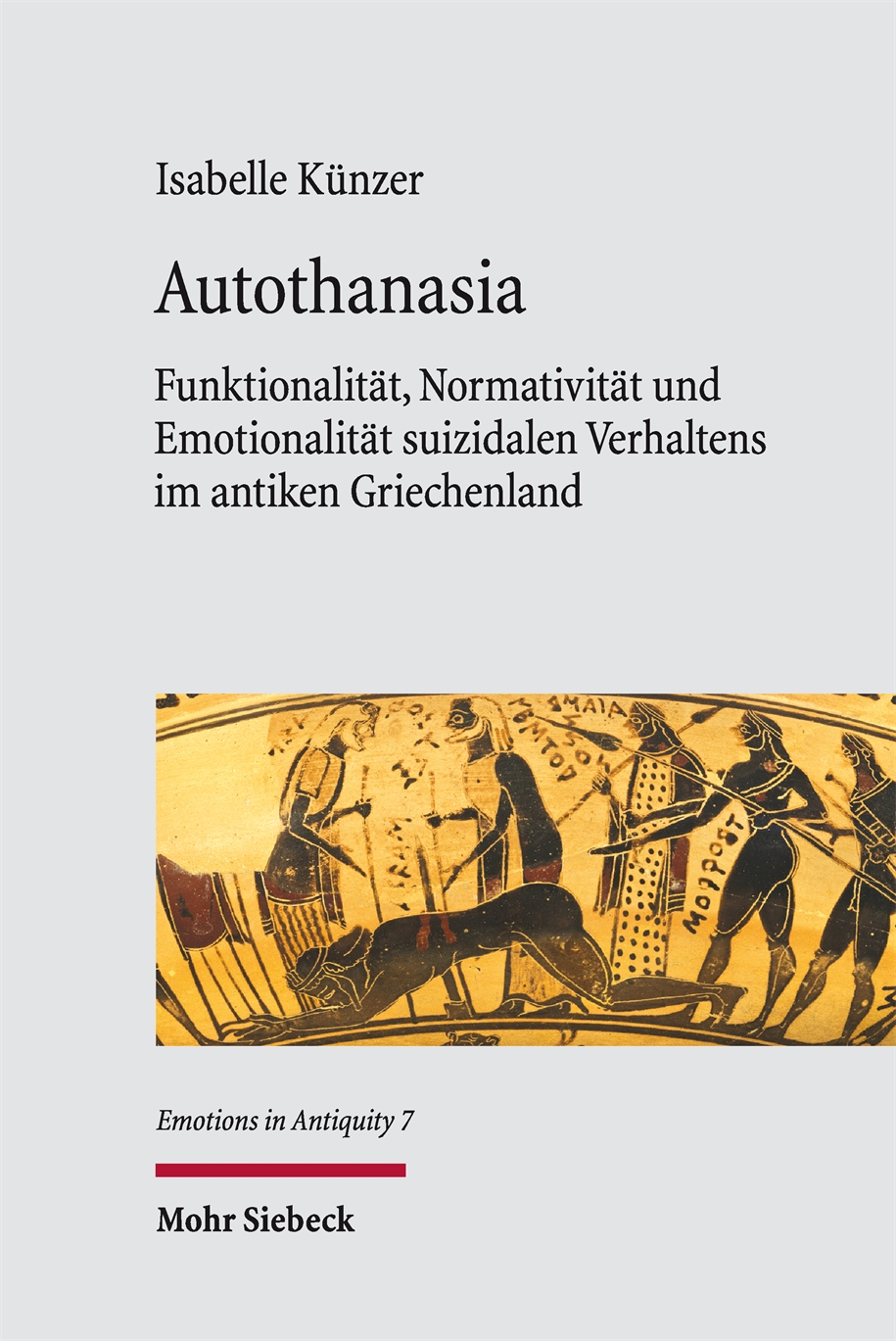 Autothanasia
Funktionalität, Normativität und Emotionalität suizidalen Verhaltens im antiken Griechenland
 Emotionen als Movens der antiken Welt
Handlungsleitende Funktionen von Emotionen in Kultur und Gesellschaft der Antike

Similar Books



 Contesting Labeled Identities
The Sociology of Gentilics in Biblical and Northwest Semitic Literature


 Drunk the Potion, No Whit Charmed
The Doctrine of Pure and Perfect Souls from Iamblichus to Damascius

 Epigraphic “Shades” from Hellenistic Thrace
Contextualizing Inscriptions in Greek from Thracian Tombs

 Epiphanies of the Divine in the Septuagint and the New Testament
Fifth International Symposium of the Corpus Judaeo-Hellenisticum Novi Testamenti (CJHNT), 14-17 May 2015, Nottingham


 Éthique, politique, religions
Superstition (XVIIe - XXIe siècles). Sémantique, histoires et cultures


 Gold, Silver and Glass: Power Networks, Cultural Identities, Technology Transfers and Agency across the Old World (7th Century BC – 1st Century AD)
Proceedings of a Conference Held at the British Museum, 16–18 June 2023

 La Lettre clandestine
La littérature philosophique clandestine, ses éditeurs et ses éditions
Volume 34
 Language and Power in the Roman Empire and Early India
Hierarchy, Ambiguity, and the Art of Reading the Signs in Cosmopolitan Cultures
 Late Antique villae in the Balkans (3rd–7th c. AD): Current Research Questions and Perspectives
HAEMUS Companion to the Late Antique Balkans 1
Volume 4
 Libertinage et philosophie à l’époque classique (XVIe-XVIIIe siècle)
Athéisme, Modernité et Sécularisation / Atheism, Modernity and Secularization
Volume 23


 Nurturing the Elite
Representations of Drinking, Eating, and Religious Vessels in Palmyrene Funerary Iconography
Volume 13


 Political Thought and Eleventh-Century Populism
The Meek, the Many, and the Meritorious during the Age of the Gregorian Reform
Volume 38



