
Die Orts- und Gewässernamen der neuassyrischen Zeit
Teil 1: Die Levante
By (author) Ariel M. Bagg

Paperback (Published)
(March 2008)
ISBN: 9783895005862
6.69 x 9.45 inches
Price: $74.00
On back order
The present work is the last contribution to the edition „Répertoire Géographique des Textes Cunéiformes“ (RGTC). Thirteen volumes have been already published in this series and they became – along with the corresponding TAVO-historical maps – an important research tool in the field of the historical geography of the Ancient Near East. <br/>This volume presents the place names from the Neo-Assyrian period in two parts. The first volume (RGTC 7/1) comprises the toponyms from the Levant. The second volume (RGTC 7/2), now in preparation, includes the place names from the remaining regions, namely the northern, southern and eastern regions, as well as from Egypt and the Assyrian heartland. Although the arrangement of earlier volumes was followed, the critical commentary of the secondary literature demands a more extensive treatment in this volume.
English summary: The present work is the last contribution to the edition in several volumes “Repertoire Geographique des Textes Cuneiformes” (RGTC), published within the series “Tubinger Atlas des Vorderen Orients” (TAVO). Thirteen volumes have been already published in this edition RGTC and they became – along with the corresponding TAVO-historical maps – an important research tool in the field of the historical geography of the Ancient Near East. This volume presents the place names from the Neo-Assyrian period in two parts. The first volume (RGTC 7/1) comprises the toponyms from the Levant. The second volume (RGTC 7/2), now in preparation, includes the place names from the remaining regions, namely the northern, southern and eastern regions, as well as from Egypt and the Assyrian heartland. The arrangement of the book follows earlier volumes of the series. The material comprises all the published, non-literary sources from the Neo-Assyrian period, namely royal inscriptions, letters, legal and administrative texts, treaties, royal grant and decrees, astrological reports, and historiographical texts. Following RGTC Vol. 5 all the texts after 934 BC have been considered. The alphabetical collection of place names is divided as usual in the categories “place names” and “watercourses”. The main criterion for the arrangement of the attestations are the different spellings. Within the same spelling the arrangement of the attestations follows chronological and typological criteria. The attestations are followed by a commentary concerning the identification of the place name with a discussion of the relevant secondary literature. Since the toponyms from the Levant have been intensive discussed in assyriological works as well as in works concerning the Old Testament, the earlier identification proposals demand a more extended treatment than in earlier RGTC-volumes. Comprehensive indices, among them a register of modern place names as well as a register of the mentioned Old-Aramaic, Biblical, Classical, Luwian, and Phoenician toponyms, complete the book. An enclosed map shows most of the identified places. A comprehensive, historic-geographic study of the presented material, including many historical maps, will be published separately. German description: Der vorliegende Band bildet den Abschluss des mehrbandigen Werkes “Repertoire Geographique des Textes Cuneiformes” (RGTC), das innerhalb des “Tubinger Atlas des Vorderen Orients” (TAVO) erscheint. Die Bande des RGTC sind ebenso wie die Karten des TAVO ein wichtiges Hilfsmittel fur die Erforschung der Historischen Geographie des Alten Orients. Das Material fur die “Orts- und Gewassernamen der neuassyrischen Zeit” wird in zwei Banden vorgelegt: RGTC 7/1 enthalt die Toponyme und Hydronyme der Levante, RGTC 7/2 (in Vorbereitung) wird die keilschriftlich uberlieferten Orts- und Gewassernamen Agyptens, des assyrischen Kernlandes sowie der nordlich, sudlich und ostlich daran anschliessenden Regionen enthalten. Die Darbietung des Materials folgt fruheren RGTC-Banden: Sie erschliesst alle Texte der neuassyrischen Zeit, soweit sie nicht als “literarisch” einzustufen sind, d.h. Konigsinschriften, Briefe, Rechts- und Verwaltungsurkunden, Vertrage, konigliche Erlasse, astrologische Berichte und historiographische Texte. Chronologisch an RGTC 5 von Kh. Nashef anschliessend, berucksichtigt dieser Band alle Texte von 934 v. Chr. bis zum Untergang des Assyrerreiches. Orts- und Gewassernamen werden alphabetisch und unter Berucksichtigung der unterschiedlichen Keilschriftorthographie aufgefuhrt. Daruber hinaus erfolgt die Anordnung der Belege nach chronologischen und typologischen (Art der Quelle) Kriterien. Angaben zur Lokalisierung unter Berucksichtigung der relevanten Sekundarliteratur schliessen sich daran an. Anders als in fruheren Banden beansprucht die kritische Sichtung der Lokalisierungsvorschlage hier mehr Raum, da die Toponyme aus Syrien-Palastina zu denen gehoren, die in der assyrologischen und palastinakundlichen Literatur bereits seit der Fruhzeit der Assyrologie diskutiert werden. Umfangreiche Register, darunter ein Verzeichnis der modernen Ortsamen sowie der erwahnten aramaischen, biblischen, klassischen, luwischen und phonizischen Toponyme runden den Band ab. Eine beigefugte Karte veranschaulicht die meisten Lokalisierungsvorschlage. Eine ausfuhrliche Auswertung des in diesem Band gesammelten Materials erfolgt in einer separaten Monographie (in Vorbereitung).
- By (author) Ariel M. Bagg
„In conclusion, Bagg’s work is decidedly praiseworthy, in that the listings in RGTC 7//2/1–2 reflect in full the state of the art in toponomastic data and research from the Neo-Assyrian empire. Such a result is achieved by the author not only by subsuming in its entirety the vastly accrued corpus of relevant sources from the NA period which either came to light through new discoveries or was republished in totally updated form during the last thirty years, but also by scrupulously recording the essential information/opinions drawn from a large set of dedicated secondary studies of recent date, spread far and wide in journals, lexica, conference volumes and Festschriften, and thus hitherto quite inconvenient to gather and fit into a coherent research framework, as the reviewer can personally testify.“<br/><br/>Von Frederick Mario Fales<br/>In: Orientalistische Literaturzeitung Bd. 115 Heft 4-5 (2020), S. 328-331
—
Other Titles in this Series
 Das christlich-koptische Ägypten in arabischer Zeit (Teil 2: D–F)
Eine Sammlung christlicher Sätten in Ägypten in arabischer Zeit, unter Ausschluß von Alexandria, Kairo, des Apa-Mea-Klosters, der Sketis und der Sinai-Region


 Beiträge zur Umweltgeschichte des Vorderen Orients
Contributions to the Environmental History of Southwest Asia
 Der östliche Orta Toroslar (Mittlerer Taurus) und angrenzende Gebiete
Eine formationskundliche Darstellung der Vegetation Südost-Anatoliens


 Répertoire Géographique des Textes Cunéiformes
Die Orts- und Gewässernamen der präsargonischen und sargonischen Zeit
 Das christlich-koptische Ägypten in arabischer Zeit (Teil 3: G–L)
Eine Sammlung christlicher Stätten in Ägypten in arabischer Zeit, unter Ausschluß von Alexandria, Kairo, des Apa-Mea-Klosters, der Sketis und der Sinai-Region

 Siedlungen Palästinas in griechisch-römischer Zeit
Ostjordanland, Negeb und (in Auswahl) Westjordanland
 Geomorphologie der Türkei
Erläuterungen zur geomorphologischen Übersichtskarte der Türkei (1:2.000.000)

 The Ancient Distribution of Ungulate Mammals in the Middle East
Fauna and Archeological Sites in Southwest Asia and Northeast Africa
 Aktuelle und historische Seismizität im Vorderen und Mittleren Orient
Einführung in die TAVO-Karte A II 13: »Vordere Orient. Seismotektonik und geschichtliche Beben«
 Die lybischen Fürstentümer des Deltas
vom Tod Osorkons II. bis zur Wiedervereinigung Ägyptens durch Psametik I.

 Historisch-georgaphische Aspekte der Geschichte des Pontischen und Armenischen Reiches
Teil 1: Untersuchungen zur historischen Geographie von Pontos unter den Mithradatiden


 Die antiken Synagogen in Israel
Die jüdischen Synagogen, Lehrhäuser und Gerichtshöfe (1); Die samaritischen Synagogen (2)
 Die ägyptisch-arabischen Dialekte I und II
1. Einleitung und Anmerkung zu den Karten. 2. Dialektatlas von Ägypten


Similar Books


 Connecting the Dots: Counting, Writing, and the Beginnings of Civilization
The Secret Lives of Clay Tokens: A Memoir

 Exploring Gender Dynamics across the Ancient Near East
Collected Essays of Gender and Methodology in the Ancient Near East (GeMANE) 4 and 5
Volume 7


 Ḫattušaš utnē išḫameški
Hittite and Other Ancient Near Eastern Studies Presented to Piotr Taracha on the Occasion of His 65th Birthday

 New Research on Old Collections in Southwest Asian Archaeology
Proceedings of the Workshop Held at the British Museum, London, 31 July – 2 August, 2023
 Old Aramaic Inscriptions and their Contexts
An Epigraphic, Archaeological, and Historical Synthesis
Volume 63

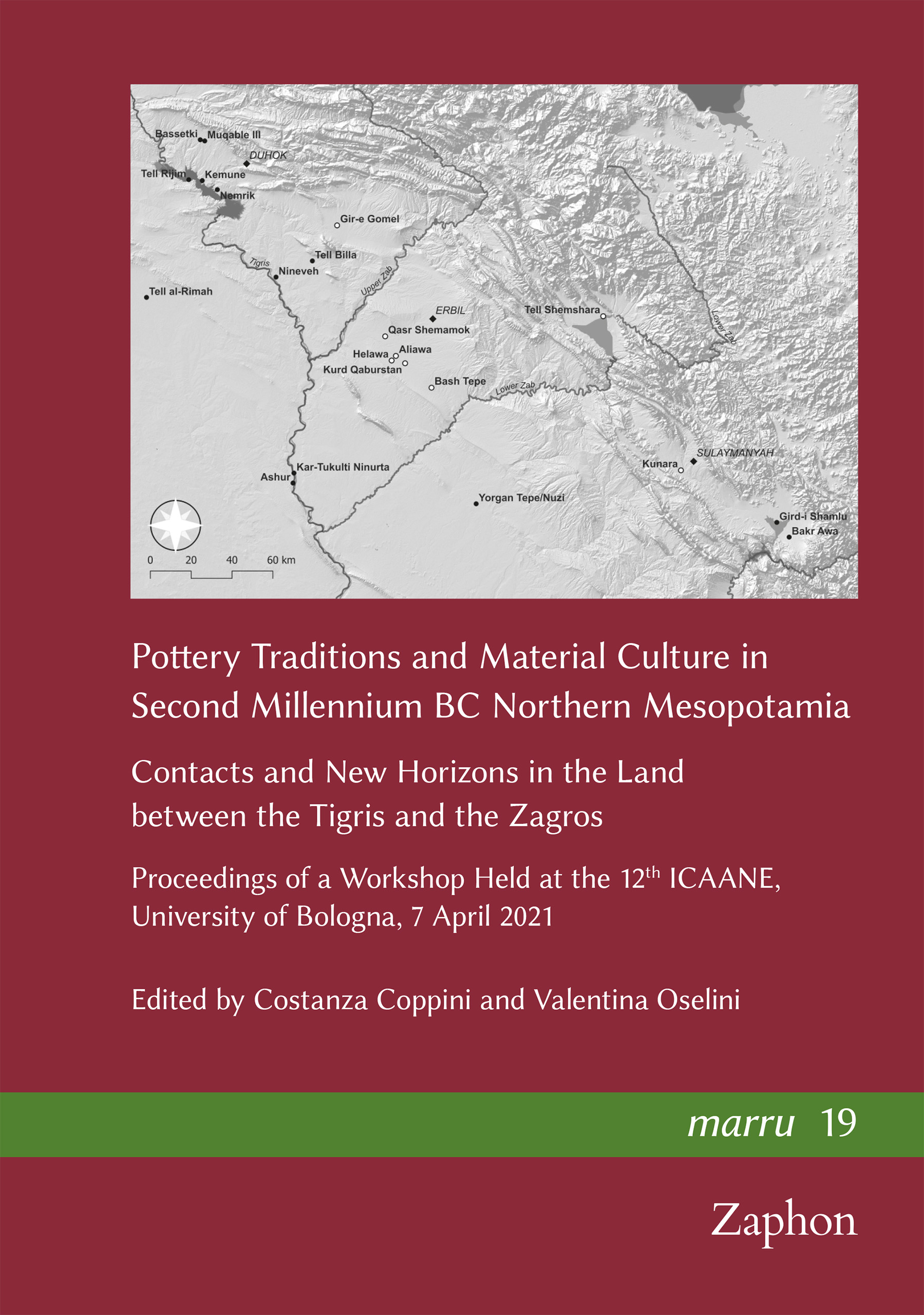 Pottery Traditions and Material Culture in Second Millennium BC Northern Mesopotamia
Contacts and New Horizons in the Land between the Tigris and the Zagros. Proceedings of a Workshop Held at the 12th ICAANE, University of Bologna, 7 April 2021
Volume 19
 Punning in Odd or Elegant Constructions in Jeremiah
The Convergence of Linguistics, Rhetoric, and Textuality in the Hebrew Text of Jeremiah
 Shame in the Worlds of the Hebrew Bible and Akkadian Texts
A Linguistic Study and Its Implications
Volume 33
 Telling Contexts
Archaeological and Textual Studies in Honor of Elizabeth Bloch-Smith and Mark S. Smith
 The Body
Lived, Cultured, Adorned: Essays on Dress and the Body in the Bible and Ancient Near East in Honor of Nili S. Fox
 The Discourse of Rites
Shaping and Reshaping the (Counter-)Priestly Rituals Conducted Outside the Tabernacle
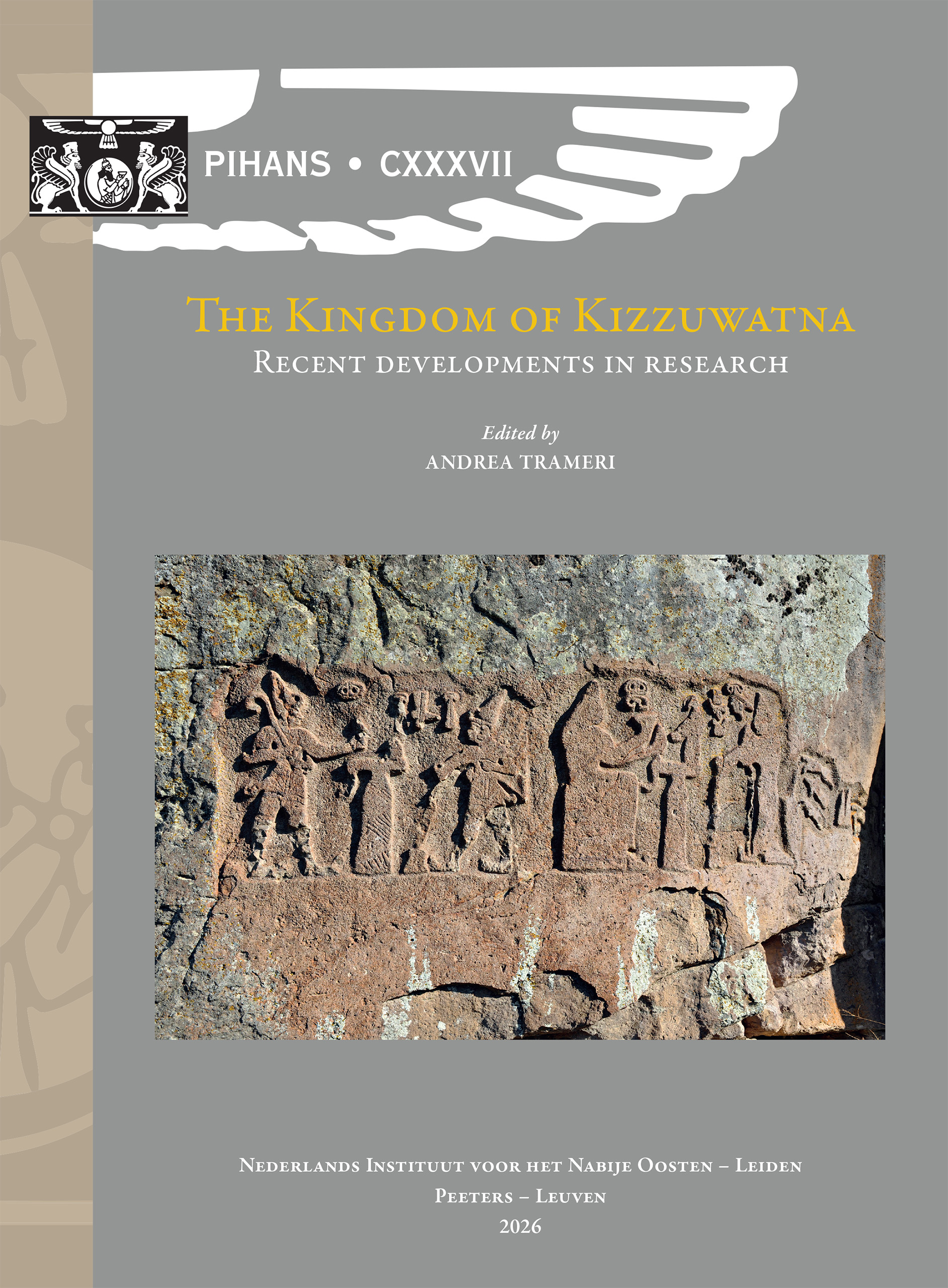 The Kingdom of Kizzuwatna: Recent Developments in Research
Proceedings of the Third NINO Postdoctoral Research Fellow Annual Conference, Leiden, 23rd-25th March 2023
Volume 137


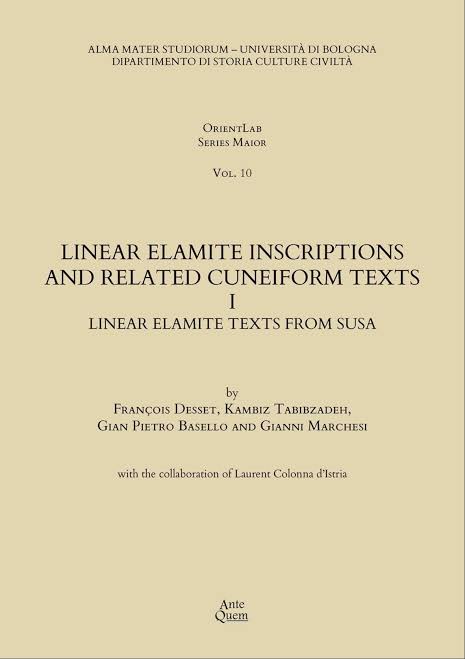
 Die Entwicklung erdbebensicherer Bautechniken in der Frühen und Mittleren Eisenzeit in Ostanatolien
Volume 11
 Die JHWH-Religion und die Vorstellung göttlicher Gesetzgebung
Überschneidungen zwischen der Rechtsentwicklung und der Sphäre der Religion in der Geschichte des antiken Israel und Juda

 Kultur – Kontakt – Kultur
Beiträge anlässlich der 66. Rencontre Assyriologique Internationale in Frankfurt/Main und Mainz, 25.–29. Juli 2022
Volume 35
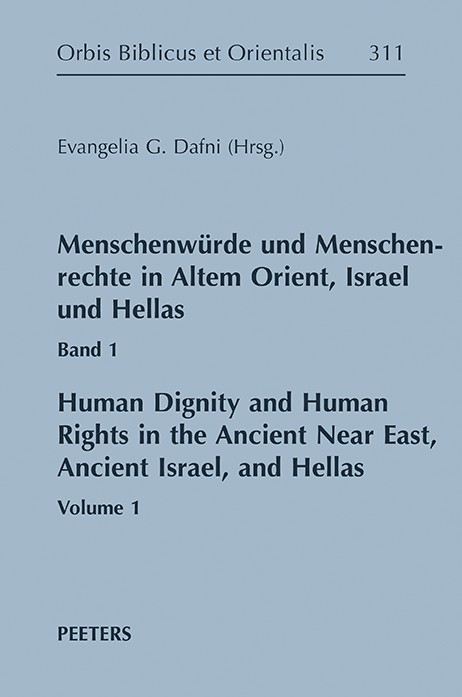 Menschenwürde und Menschenrechte im Altem Orient, Israel und Hellas. Band 1
Human Dignity and Human Rights in the Ancient Near East, Ancient Israel, and Hellas. Volume 1
Volume 311
 Ptolemaiou Procheiroi Kanones. Les «Tables Faciles» de Ptolemée. Volume 2a: Tables A3-A13
Édition critique, Transcription
 Sprachwissenschaftliche und kulturhistorische Reflexionen
Festschrift zu Ehren von Jörg Klinger
Volume 31

 Vom Mädchen zur Frau
Weihgaben als Indikatoren rituellen und kommunikativen Handelns von Frauen in griechischen Kulten
Volume 188
 Von der Symmachie zur Arché und zurück
Die Entwicklungsphasen des Ersten Attischen Seebundes (478/7–404 v. Chr.)
