
Die Geschichte der Grafschaft Lowenstein und der Grafen von Lowenstein-Habsburg vom spaten 13. bis zur Mitte des 15. Jahrhunderts
by Gerhard Fritz

Die Grafen von Lowenstein-Habsburg waren illegitime Nachkommen von Konig Rudolf von Habsburg. Albrecht I. von Lowenstein-Habsburg baute bis zum Tode Rudolfs (1291) die Position der Grafschaft, mit der er erst ein Jahrzehnt zuvor belehnt worden war, erheblich aus, so dass die Lowenstein-Habsburger einige Jahre lang als eines der Geschlechter mit grossen Zukunftsaussichten erschienen. Der Tod des habsburgischen Konigs und zu Beginn des 14. Jahrhunderts einsetzende Erbschaftsstreitigkeiten bei den Lowenstein-Habsburgern liessen das Grafengeschlecht aber rasch in die Bedeutungslosigkeit versinken. Ende des 14. Jahrhunderts musste die Halfte der mittlerweile stark geschrumpften Grafschaft an die Pfalz verpfandet werden, und seit etwa 1420/30 begannen sich verschiedene Nachbardynastien um den Besitz der aussterbenden Lowenstein-Habsburger zu bemuhen. 1441 verkauften die Grafen ihre Herrschaft an die Pfalz, behielten sich aber noch langere Zeit verschiedene Nutzungsrechte vor, bis mit dem Tod des letzten Lowenstein-Habsburgers 1464 das Geschlecht erlosch.
Die Grafen von Lowenstein-Habsburg waren illegitime Nachkommen von Konig Rudolf von Habsburg. Albrecht I. von Lowenstein-Habsburg baute bis zum Tode Rudolfs (1291) die Position der Grafschaft, mit der er erst ein Jahrzehnt zuvor belehnt worden war, erheblich aus, so dass die Lowenstein-Habsburger einige Jahre lang als eines der Geschlechter mit grossen Zukunftsaussichten erschienen. Der Tod des habsburgischen Konigs und zu Beginn des 14. Jahrhunderts einsetzende Erbschaftsstreitigkeiten bei den Lowenstein-Habsburgern liessen das Grafengeschlecht aber rasch in die Bedeutungslosigkeit versinken. Ende des 14. Jahrhunderts musste die Halfte der mittlerweile stark geschrumpften Grafschaft an die Pfalz verpfandet werden, und seit etwa 1420/30 begannen sich verschiedene Nachbardynastien um den Besitz der aussterbenden Lowenstein-Habsburger zu bemuhen. 1441 verkauften die Grafen ihre Herrschaft an die Pfalz, behielten sich aber noch langere Zeit verschiedene Nutzungsrechte vor, bis mit dem Tod des letzten Lowenstein-Habsburgers 1464 das Geschlecht erlosch.
- By (author) Gerhard Fritz
Other Titles in this Series

Similar Books
 A Collaborative Tapestry in Honour of Shirley Ann Brown / Une fresque brodée en l’honneur de Shirley Ann Brown
The Bayeux Tapestry Seen by her Colleagues and Friends / La Tapisserie de Bayeux vue par ses collègues et amis
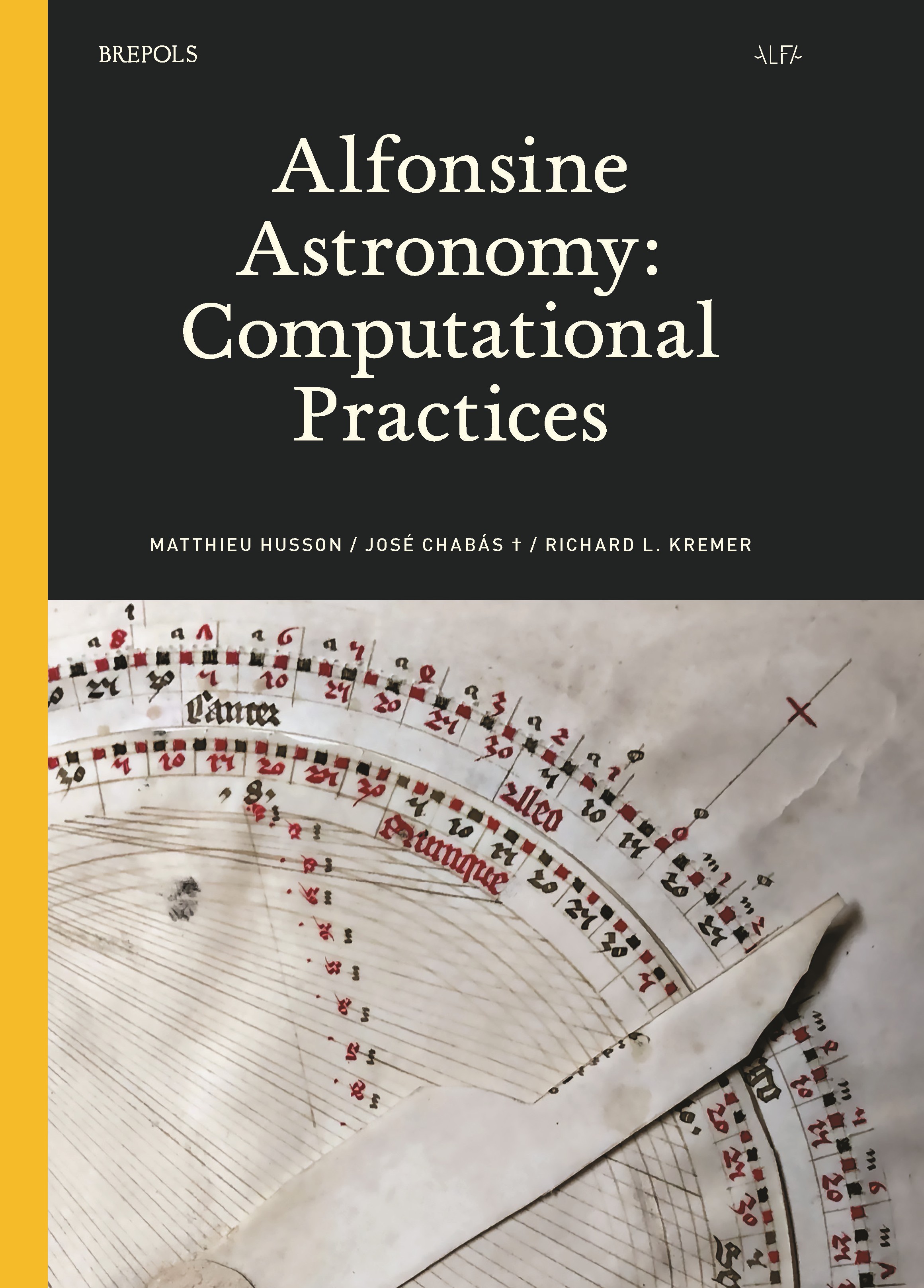
 Behind the Scenes of Medieval Roofs
An Overview of the Roofing Systems of Italian Churches
Volume 90


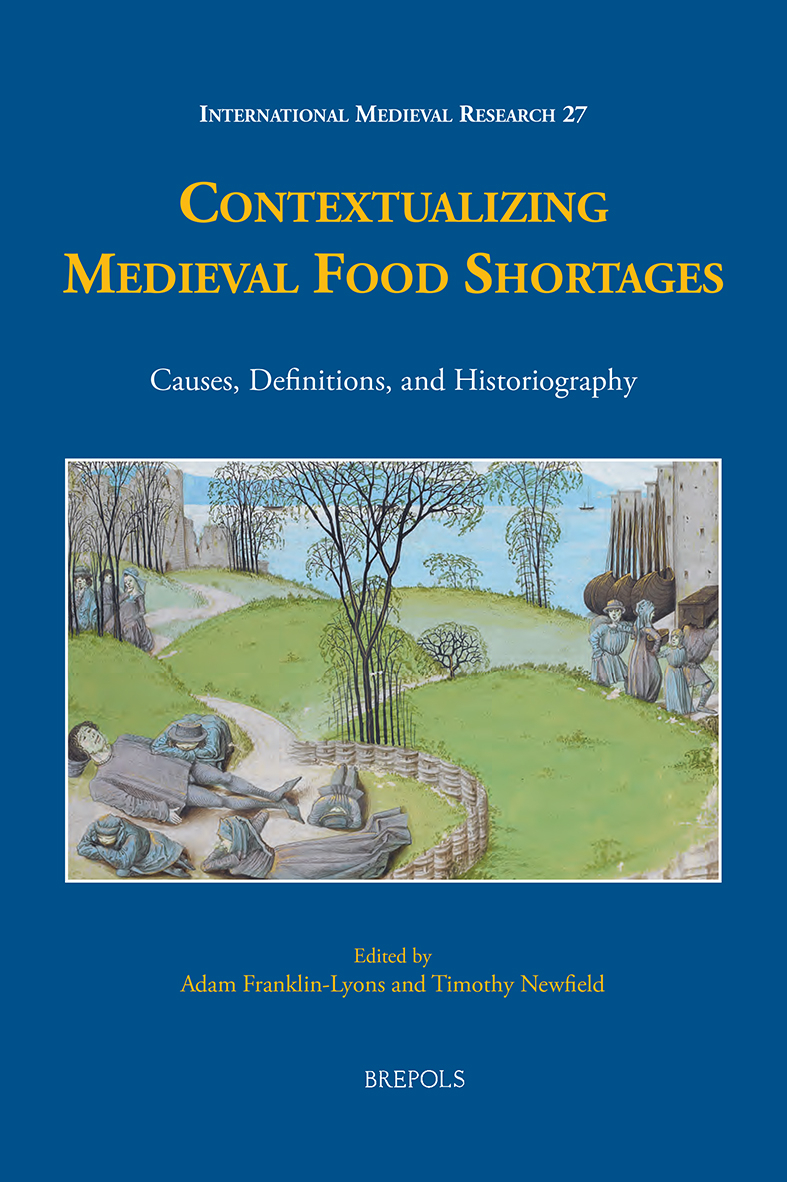


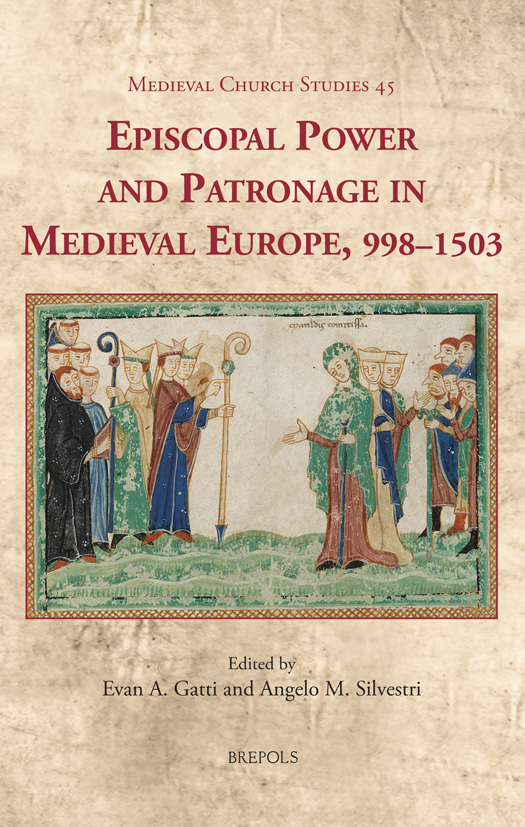


 Innovation and Medieval Communities
The Circulation of Ideas and Practices in and out of the Town (1200-1500)
Volume 63
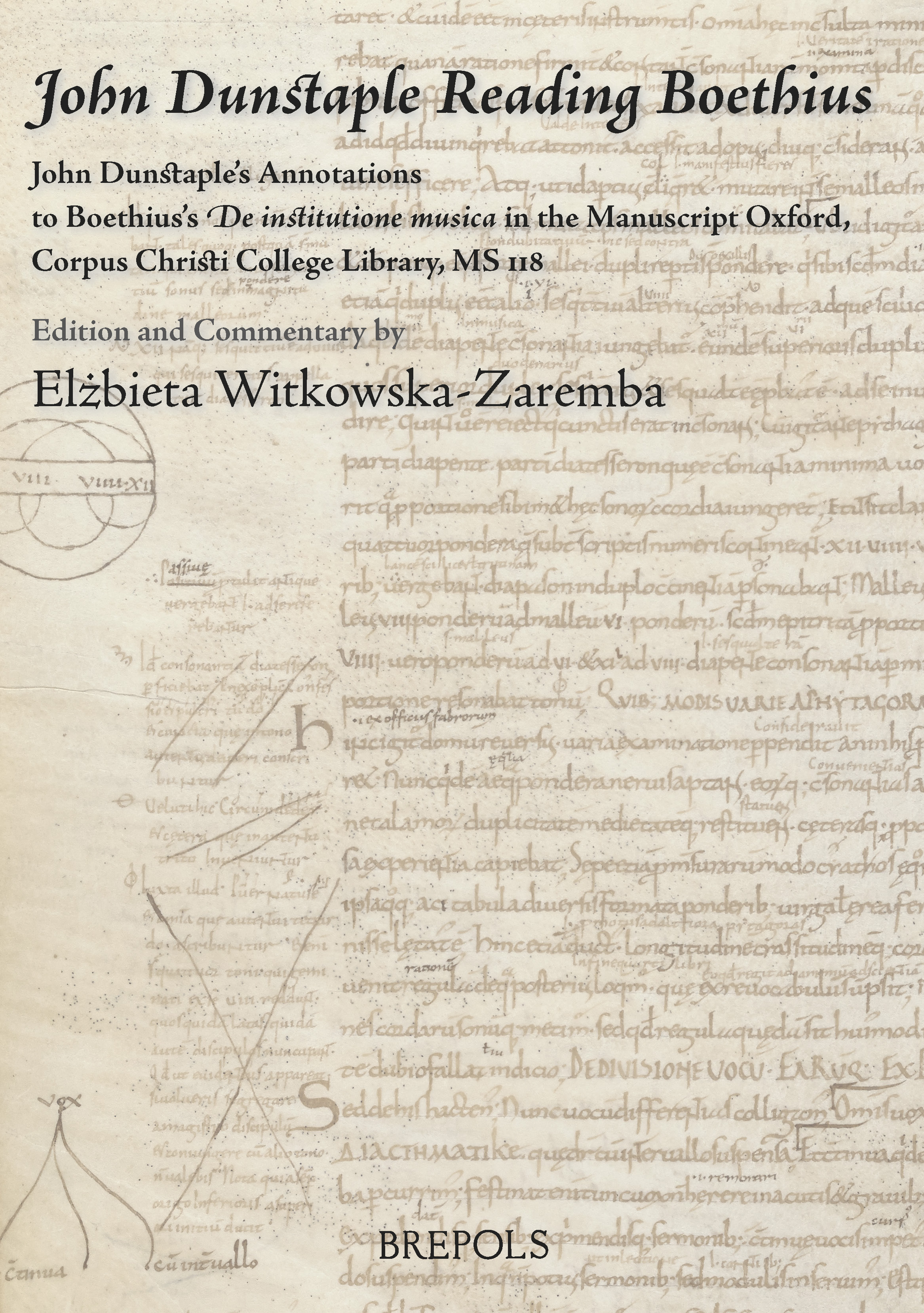 John Dunstaple Reading Boethius
John Dunstaple’s Annotations to Boethius’s “De institutione musica” in the Manuscript Oxford, Corpus Christi College Library, MS 118
 Linguistic and Cultural Dynamics in a Frontier Society
New Perspectives on Northeastern Bavaria and Western Bohemia in the Early Middle Ages
Volume 9
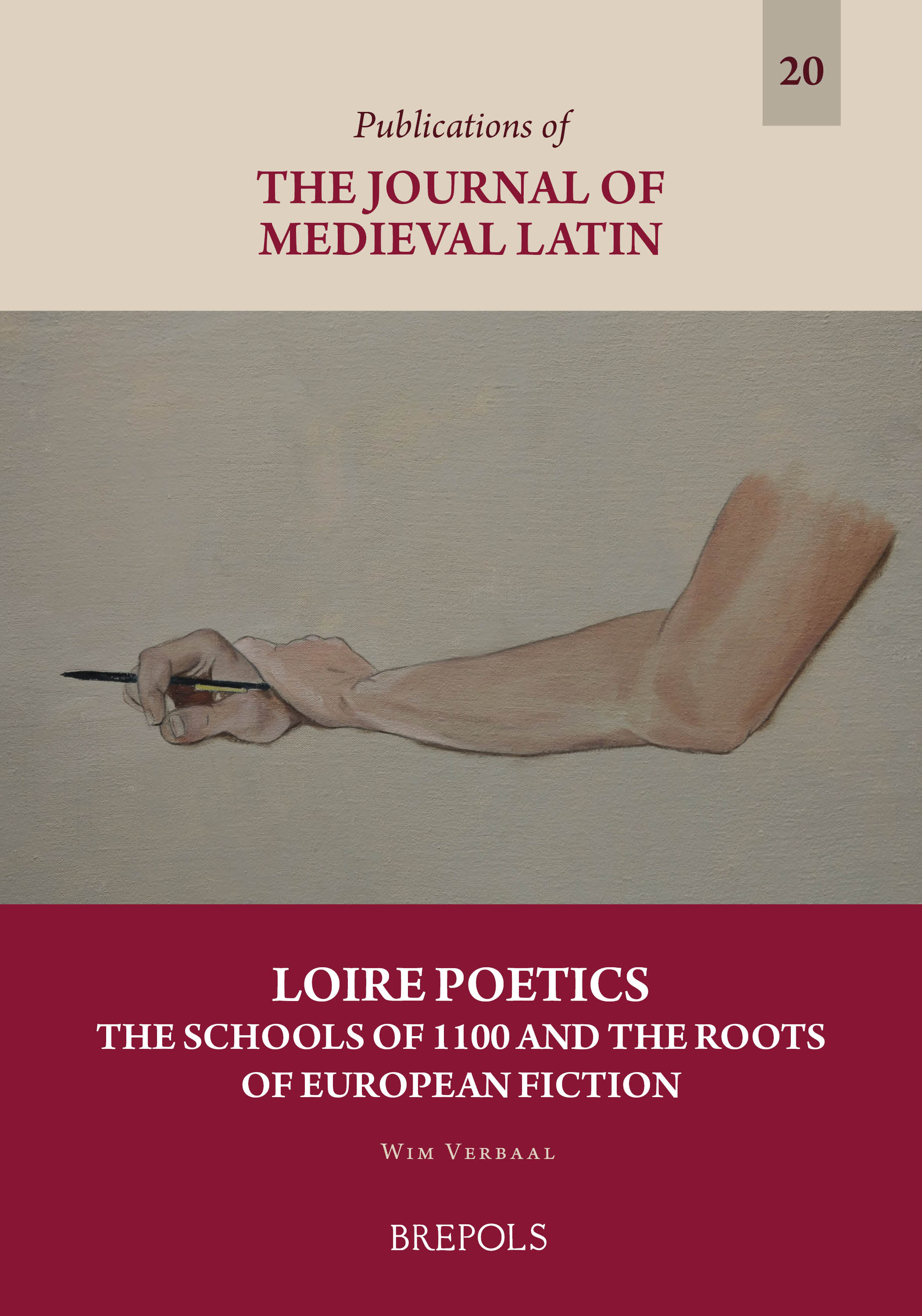
 Medieval Debates on Foreknowledge: Future Contingents, Prophecy, and Divination
Acts of the XXVII Annual Colloquium of the SIEPM, Trento 12-15 September 2023
Volume 31
 Medieval Yeghegis, Armenia
History, Archaeology, Society. Local Multiplicities and Global Connections of a Rural Centre on the Silk Road(s)
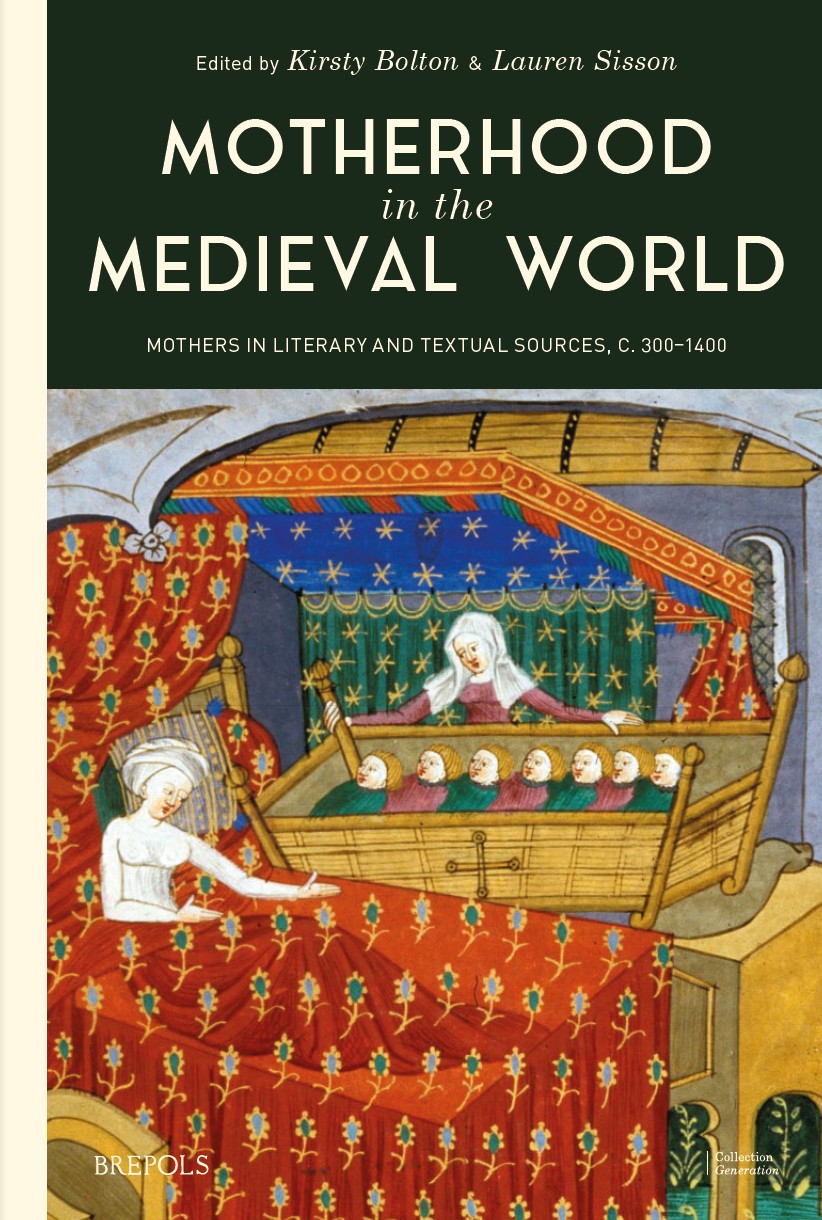
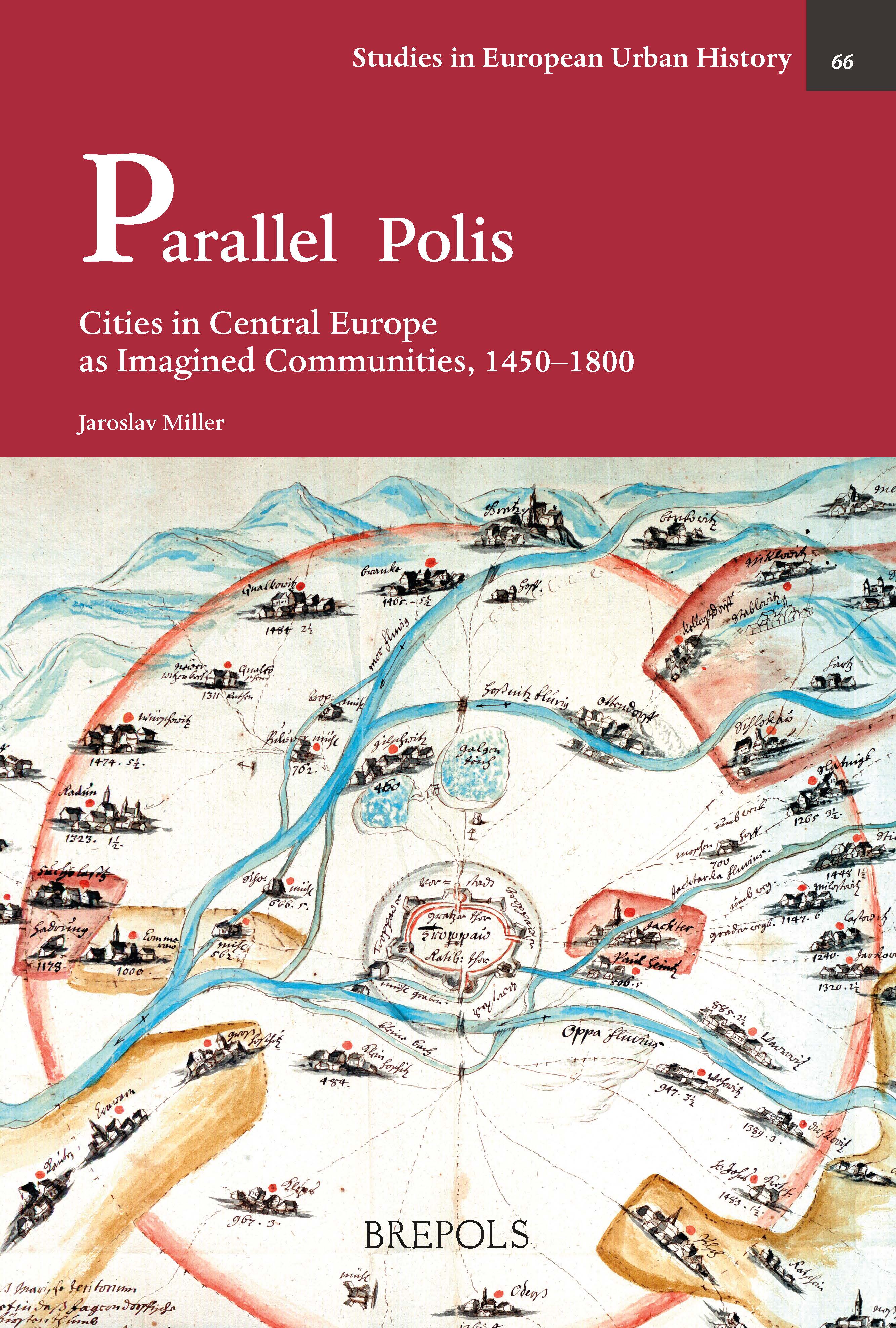


 Power and Women in Southeast and Central Europe in Late Medieval and Early Modern Period (1300-1600)
Volume 10

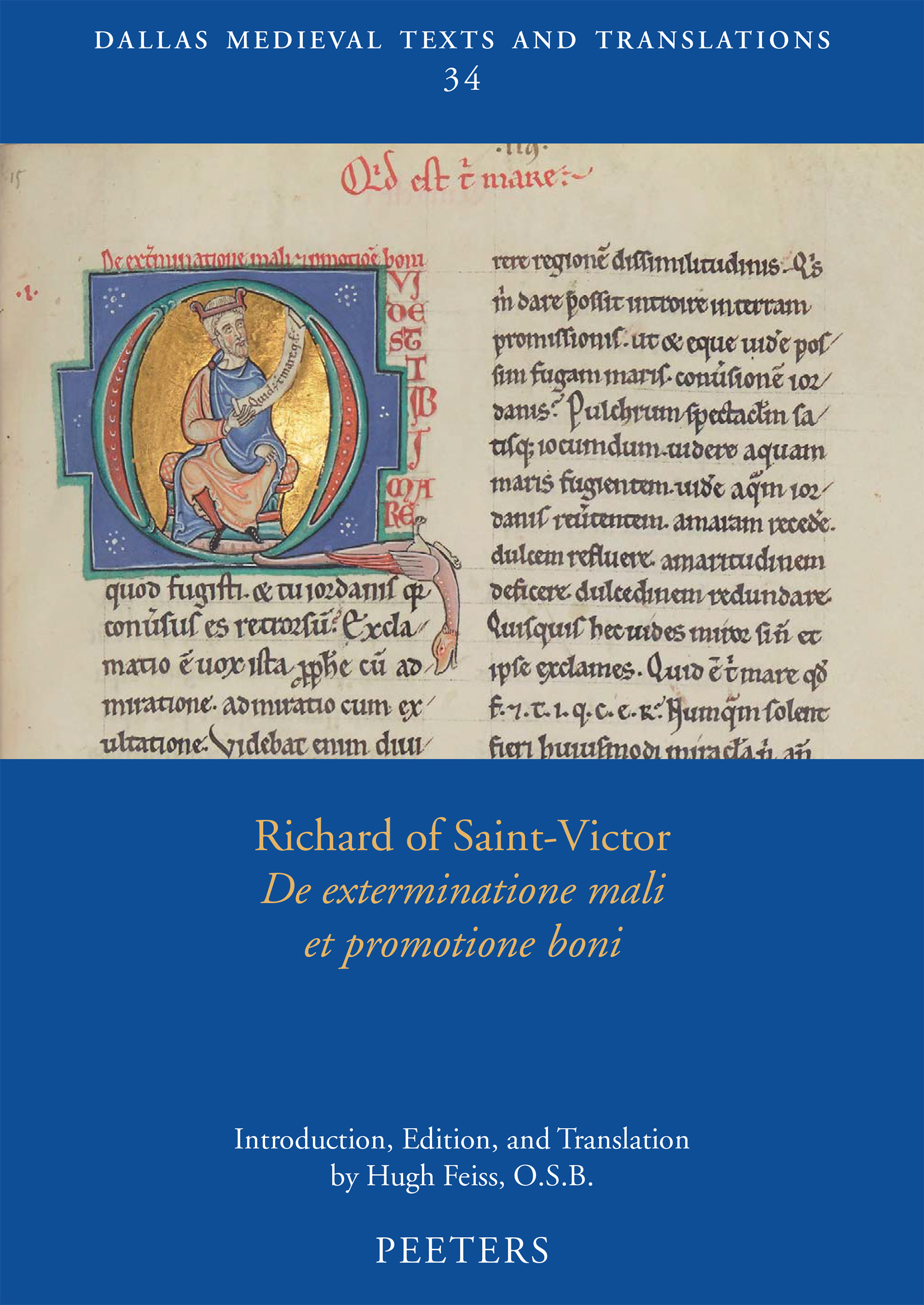

 The Anglo-Norman Bible’s Books of Kings, a Critical Edition
(BL Royal 1 C III, fols 234r-274v)
Volume 37


 The Embodied Court in the Premodern World
Understanding the Physicality, Performativity and Lifecycle of Bodies at Court in Europe and Beyond, 1400-1800
Volume 4


