
Darstellung und Gebrauch der “senatus consulta” in der römischen Jurisprudenz der Kaiserzeit
Edited by Pierangelo Buongiorno Edited by Sebastian Lohsse

Hardback (Published)
(July 2022)
ISBN: 9783515126182
6.69 x 9.49 inches
Price: $171.00
On back order
Wie, zu welchem Zweck und in welchen Zusammenhangen beziehen sich die klassischen romischen Juristen in ihren Werken auf die Beschlusse des romischen Senats? Welche Bedeutung kommt solchen Beschlussen fur die Entscheidungsfindung in den Werken der romischen Juristen zu? Ging es den Juristen nur um den eigentlichen Anwendungsbereich der Senatsbeschlusse, waren sie womoglich darum bemuht, den vom Senat verfolgten Motiven auch daruber hinaus Rechnung zu tragen, oder suchten sie umgekehrt nach Moglichkeiten zur Einschrankung der Reichweite einzelner Beschlusse? Und inwieweit sind juristische Quellen damit verlassliche Zeugen bei einer Zusammenstellung der romischen Senatsbeschlusse? Diesen Fragen spuren die Autorinnen und Autoren zu verschiedenen Juristen vom augusteischen Zeitalter bis in die Zeit der Severer nach. Sie leisten damit wertvolle methodische Unterstutzung zur Erstellung der Palingenesie der romischen Senatsbeschlusse.
Pierangelo Buongiorno ist Professor für Römisches Recht an der Università degli Studi di Macerata und leitet das Projekt zur Erstellung einer Palingenesie der römischen Senatsbeschlüsse an der Westfälischen Wilhelms-Universität Münster.
- Edited by Pierangelo Buongiorno
- Edited by Sebastian Lohsse
Other Titles in this Series
 Il “senatus consultum de Plarasensibus et Aphrodisiensibus” del 39 a. C.
Edizione, traduzione e commento
 Texte wiederherstellen, Kontexte rekonstruieren
Internationale Tagung über Methoden zur Erstellung einer Palingenesie, Münster, 23.–24. April 2015

 Governare l’emergenza
Sulla gestione senatoria di “interregnum”, “dictatura” e “prorogatio imperii” (V-III sec. a.C.)


Similar Books


 Contesting Labeled Identities
The Sociology of Gentilics in Biblical and Northwest Semitic Literature

 Drunk the Potion, No Whit Charmed
The Doctrine of Pure and Perfect Souls from Iamblichus to Damascius
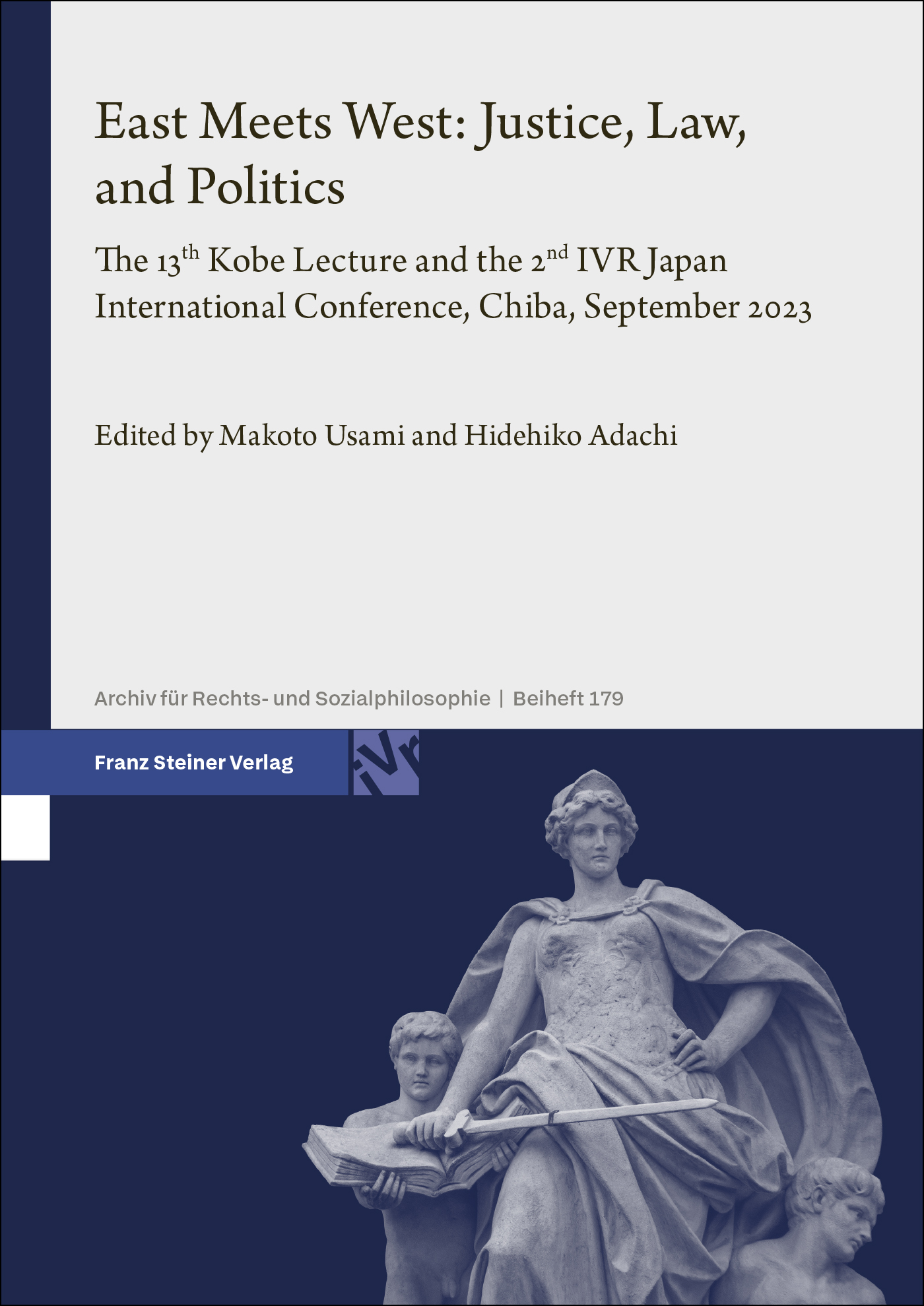 East Meets West: Justice, Law, and Politics
The 13th Kobe Lecture and the 2nd IVR Japan International Conference, Chiba, September 2023

 Epigraphic “Shades” from Hellenistic Thrace
Contextualizing Inscriptions in Greek from Thracian Tombs

 Epiphanies of the Divine in the Septuagint and the New Testament
Fifth International Symposium of the Corpus Judaeo-Hellenisticum Novi Testamenti (CJHNT), 14-17 May 2015, Nottingham


 False Friends in Comparative Law
Advantages and Risks of Legal Transplants in Civil Law – the Polish-German Perspective


 Gold, Silver and Glass: Power Networks, Cultural Identities, Technology Transfers and Agency across the Old World (7th Century BC – 1st Century AD)
Proceedings of a Conference Held at the British Museum, 16–18 June 2023
 Language and Power in the Roman Empire and Early India
Hierarchy, Ambiguity, and the Art of Reading the Signs in Cosmopolitan Cultures
 Late Antique villae in the Balkans (3rd–7th c. AD): Current Research Questions and Perspectives
HAEMUS Companion to the Late Antique Balkans 1
Volume 4
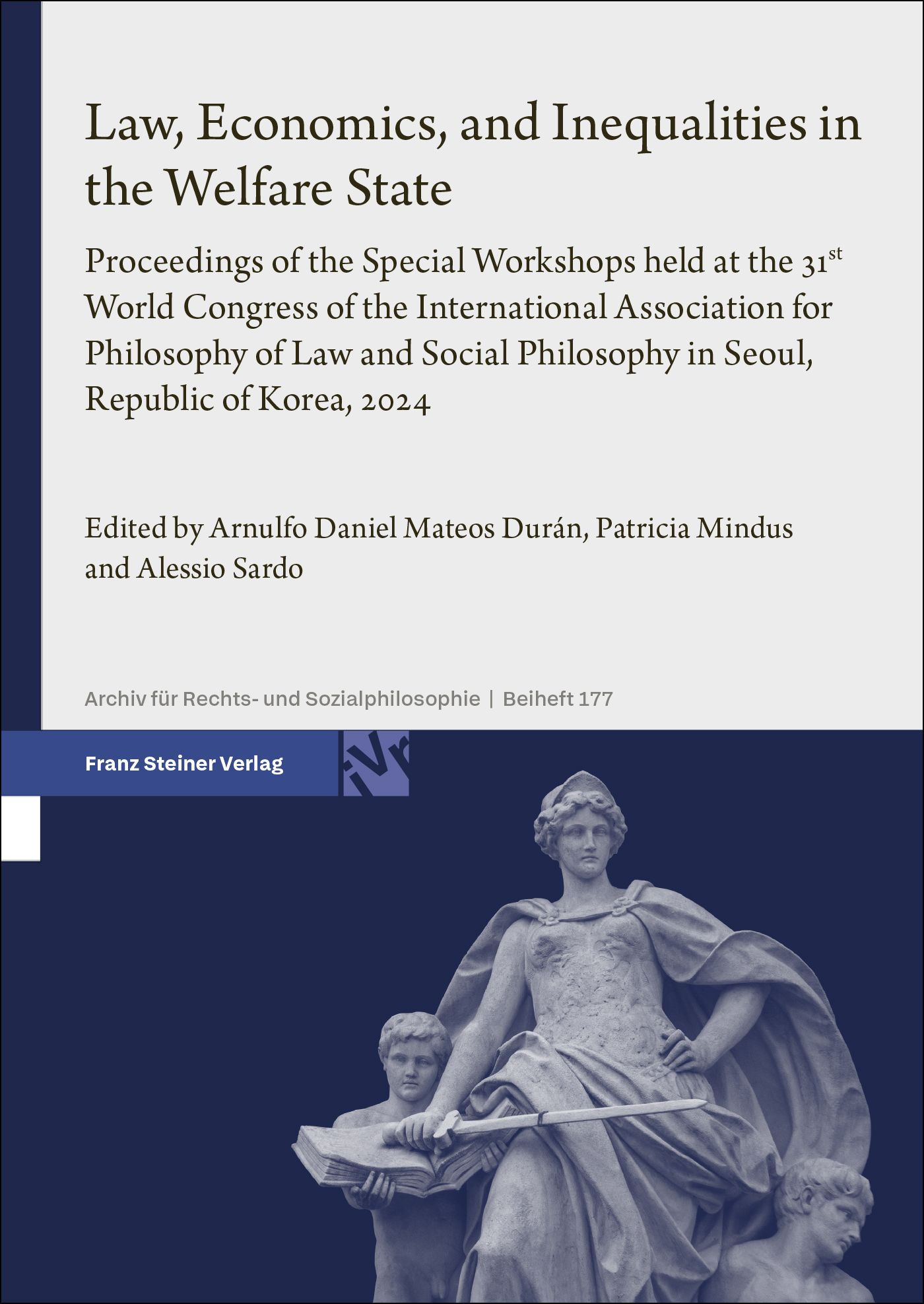 Law, Economics, and Inequalities in the Welfare State
Proceedings of the Special Workshops held at the 31st World Congress of the International Association for Philosophy of Law and Social Philosophy in Seoul, Republic of Korea, 2024
 Legal Pluralism and the Tajik Experience of Xinjiang
Between Custom and the Chinese State: An Ethnographic Perspective
 Liturgia semper reformanda
Adaptations and accommodations in the liturgy in light of canon 838 of the Code of Canon Law


 Nurturing the Elite
Representations of Drinking, Eating, and Religious Vessels in Palmyrene Funerary Iconography
Volume 13





 Roman Copies, Collecting, and Culture in the Bay of Naples and Beyond
Papers in Honor of Eugene J. Dwyer



 The Compositional History of the Book of Kings
An Analysis of the Evaluative Frameworks in 1 Kings 14–2 Kings 25