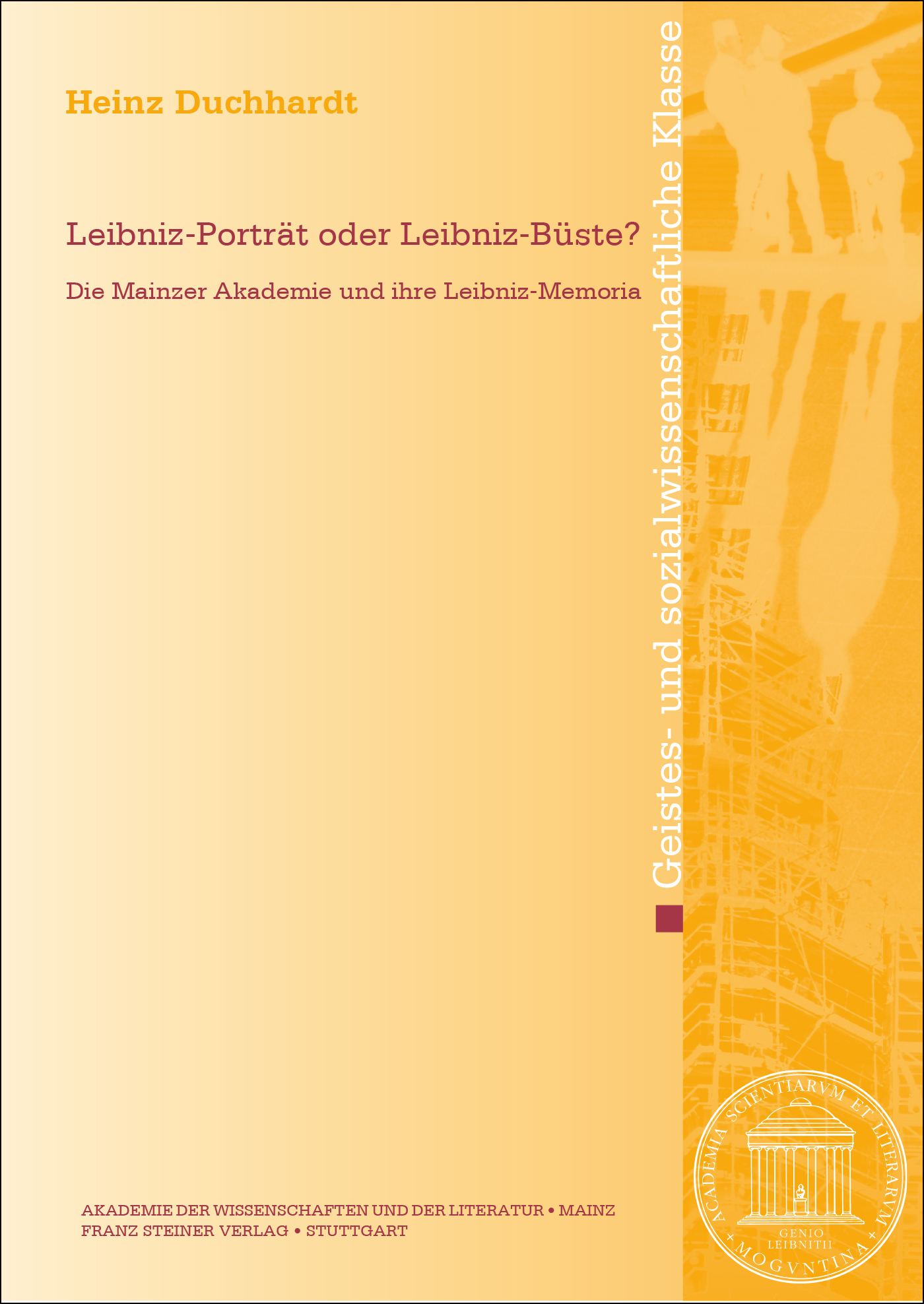
Characters in New British Hard Science Fiction
With a Focus on Genetic Engineering in Paul McAuley, Alastair Reynolds and Brian Stableford
By (author) Sarah Herbe

Hardback (Published)
(April 2012)
ISBN: 9783825358747
6.06 x 9.21 inches
Price: $46.00
On back order
Hard science fiction, a sub-genre of science fiction that is especially based on scientific plausibility and extrapolation, has experienced a renaissance from the mid-1990s onwards. The present study deals with a corpus of new hard science fiction novels by British writers published between 1995 and 2004, focusing on three series by Paul McAuley, Alastair Reynolds and Brian Stableford. It offers a thematic-narratological approach. Thematically, the focus is on human genetic engineering; a topic that has only recently been fully accepted into the repertory of hard science fiction themes. This thematic focus is combined with a focus on the presentation of characters. The study explores the strategies employed to create plausible characters in new hard science fiction, discusses how the physical constructedness of characters is mirrored on a textual level, and examines how the distribution of knowledge about and access to genetic engineering stratifies the population of future societies.
Hard science fiction, a sub-genre of science fiction that is especially based on scientific plausibility and extrapolation, has experienced a renaissance from the mid-1990s onwards. The present study deals with a corpus of new hard science fiction novels by British writers published between 1995 and 2004, focusing on three series by Paul McAuley, Alastair Reynolds and Brian Stableford. It offers a thematic-narratological approach. Thematically, the focus is on human genetic engineering; a topic that has only recently been fully accepted into the repertory of hard science fiction themes. This thematic focus is combined with a focus on the presentation of characters. The study explores the strategies employed to create plausible characters in new hard science fiction, discusses how the physical constructedness of characters is mirrored on a textual level, and examines how the distribution of knowledge about and access to genetic engineering stratifies the population of future societies.
- By (author) Sarah Herbe
Other Titles in this Series


 Die Betextung des offentlichen Raumes
Eine Studie zur Spezifik von Meso-Kommunikation am Beispiel von Bahnhofen, Innenstadten und Flughafen
Volume 26


 Kulturelle Dynamiken/Cultural Dynamics / Jenseits der Grenze
De-/Re-Lokalisierung u Hybridisierung
Volume 40


 Popular Theatre in Early Modern England, Germany and Italy (1570-1640)
A Study in Incultural Theatricality with an Analysis of 'Engelische Comedien und Tragedien' (1620)
Volume 38


 ‘Those Gay Days of Wickedness and Wit’
The Restoration Period in Popular Historiographies (18th-21st Centuries)
Volume 35


Similar Books


 Ars Prophetica
Theology in the Poetry of Twentieth-Century Hebrew Poets Avraham Halfi, Shin Shalom, Amir Gilboa, and T. Carmi


 Cahiers de l’Association internationale des études françaises
J. M. G. Le Clézio - Enseigner les littératures francophones aujourd’hui - Récit de soi et expérience de l’illusion (XVIIe-XVIIIe siècles)
Volume 78
 Cahiers de littérature française
Les Métamorphoses du texte. Enjeux intertextuels et transpositions visuelles
Volume 25
 Cahiers de recherches médiévales et humanistes – Journal of Medieval and Humanistic Studies
Volume 51
 Cahiers de sémiotique des cultures
Ponctuation et sens. Nouvelles perspectives / Punctuation and meaning. New perspectives
Volume 6


 CompLit
Myth, Folklore and Magic in European Literatures. Critical and Contemporary Reconfigurations


 Dis/United States of Vulnerability
Literary and Cultural Transgressions in U.S. Poetry Since the 1960s
Volume 330


 European Drama and Performance Studies
Dramatisations politiques. Théâtre, politique et idéologie au XIXe siècle (1806-1914)
Volume 27


 La Lettre clandestine
La littérature philosophique clandestine, ses éditeurs et ses éditions
Volume 34


 La Revue des lettres modernes
« Afin que rien ne meure ». Le deuil dans et de l’œuvre de Marguerite Duras
Volume 9