
Building the Sacred in a Crusader Kingdom
Gothic Church Architecture in Lusignan Cyprus, c. 1209 - c. 1373
By (author) Michalis Olympios

At the eastern confines of Latin Christendom, between the Levantine Crusader states, Byzantium, and Islam, the Lusignan kingdom of Cyprus (1192-1489) was home to a rich and diverse array of Gothic ecclesiastical structures, significant remains of which are still to be seen today. From the grand Latin cathedrals of Nicosia and Famagusta, the austere churches of the mendicant orders, and the magnificent monastic buildings of Bellapais Abbey to the imposing Greek and Nestorian cathedrals of Famagusta and the churches of the Eastern Christians (Armenians, Melkites, Maronites, etc.), Cypriot Gothic architecture evolved to serve the needs of the island’s multi-cultural and multi-creedal society. This new study is based on original research on the physical fabric of Cyprus’ Gothic ecclesiastical edifices, on a thorough exploitation of the published archaeological data, and on a new reading of the extant documentary sources (some of which are published here for the first time) to offer a fresh account of the development and place of Cypriot Gothic in the architectural history of medieval Europe and the eastern Mediterranean. It proposes to do so by re-evaluating and re-contextualizing the ambitions of the patrons and the choices (and compromises) of the master masons responsible for this unique monumental heritage. The conclusions reached in this study have far-reaching implications for the history of Gothic architecture on the island and the surrounding region. The cathedral of Nicosia, the kingdom’s capital, re-emerges as the single most important architectural undertaking of the period. Not only is it singled out as the site where full-fledged Gothic was first introduced in the Latin East in the early thirteenth century, it is also identified as the chantier where French Rayonnant made its Cypriot debut in the latter part of the century, nearly thirty years before Famagusta Cathedral was renovated in an up-to-date Rayonnant style in c. 1300. With the rise of the royal port-town of Famagusta after the fall of Acre (1291), two major architectural centres developed side by side, leading parallel and seldom converging lives. The distinctiveness of their styles is thrown into higher relief by the creation of a ‘Crusader Revival’ architectural idiom unique to Famagusta by the 1360s, to visually complement the crown’s crusading policies. The study of lesser churches in the two royal towns, as well as the major non-urban monastic complex, Bellapais Abbey, demonstrates how the ideas and designs introduced at the two cathedrals were adopted and adjusted to the tastes and needs of a diverse local clientele, ranging from the king and the mendicant orders to the Greeks and Eastern Christians.
At the eastern confines of Latin Christendom, between the Levantine Crusader states, Byzantium, and Islam, the Lusignan kingdom of Cyprus (1192-1489) was home to a rich and diverse array of Gothic ecclesiastical structures, significant remains of which are still to be seen today. From the grand Latin cathedrals of Nicosia and Famagusta, the austere churches of the mendicant orders, and the magnificent monastic buildings of Bellapais Abbey to the imposing Greek and Nestorian cathedrals of Famagusta and the churches of the Eastern Christians (Armenians, Melkites, Maronites, etc.), Cypriot Gothic architecture evolved to serve the needs of the island’s multi-cultural and multi-creedal society. This new study is based on original research on the physical fabric of Cyprus’ Gothic ecclesiastical edifices, on a thorough exploitation of the published archaeological data, and on a new reading of the extant documentary sources (some of which are published here for the first time) to offer a fresh account of the development and place of Cypriot Gothic in the architectural history of medieval Europe and the eastern Mediterranean. It proposes to do so by re-evaluating and re-contextualizing the ambitions of the patrons and the choices (and compromises) of the master masons responsible for this unique monumental heritage. The conclusions reached in this study have far-reaching implications for the history of Gothic architecture on the island and the surrounding region. The cathedral of Nicosia, the kingdom’s capital, re-emerges as the single most important architectural undertaking of the period. Not only is it singled out as the site where full-fledged Gothic was first introduced in the Latin East in the early thirteenth century, it is also identified as the chantier where French Rayonnant made its Cypriot debut in the latter part of the century, nearly thirty years before Famagusta Cathedral was renovated in an up-to-date Rayonnant style in c. 1300. With the rise of the royal port-town of Famagusta after the fall of Acre (1291), two major architectural centres developed side by side, leading parallel and seldom converging lives. The distinctiveness of their styles is thrown into higher relief by the creation of a ‘Crusader Revival’ architectural idiom unique to Famagusta by the 1360s, to visually complement the crown’s crusading policies. The study of lesser churches in the two royal towns, as well as the major non-urban monastic complex, Bellapais Abbey, demonstrates how the ideas and designs introduced at the two cathedrals were adopted and adjusted to the tastes and needs of a diverse local clientele, ranging from the king and the mendicant orders to the Greeks and Eastern Christians.
- By (author) Michalis Olympios
Other Titles in this Series


 Flamboyant Architecture and Medieval Technicality
The Rise of Artistic Consciousness at the End of Middle Ages (c. 1400-1530)
Volume 12
 Les charpentes du XIe au XIXe siecle. Grand Ouest de la France
Typologie et evolution, analyse de la documentation de la Mediatheque de l'architecture et du patrimoine
Volume 5
 Architecture of Disjuncture
Mediterranean Trade and Cathedral Building in a New Diocese (11th-13th Centuries)
Volume 13
 The Parish and Pilgrimage Church of St Elizabeth in Kosice
Town, Court, and Architecture in Late Medieval Hungary
Volume 6


 Compressed Meanings
The Donor's Model in Medieval Art to around 1300: Origin, Spread and Significance of an Architectural Image in the Realm of Tension between Tradition and Likeness
Volume 2


 Roof Frames from the 11th to the 19th Century
Typology and development in Northern France and in Belgium
Volume 3


 Architecture and Visual Culture in the Late Antique and Medieval Mediterranean
Studies in Honor of Robert G. Ousterhout
Volume 14
Similar Books
 A Collaborative Tapestry in Honour of Shirley Ann Brown / Une fresque brodée en l’honneur de Shirley Ann Brown
The Bayeux Tapestry Seen by her Colleagues and Friends / La Tapisserie de Bayeux vue par ses collègues et amis

 Behind the Scenes of Medieval Roofs
An Overview of the Roofing Systems of Italian Churches
Volume 90


 Circulation, Use, Impact
The Consumption of Architectural Books in the Early Modern Eastern Adriatic
Volume 1





 Innovation and Medieval Communities
The Circulation of Ideas and Practices in and out of the Town (1200-1500)
Volume 63
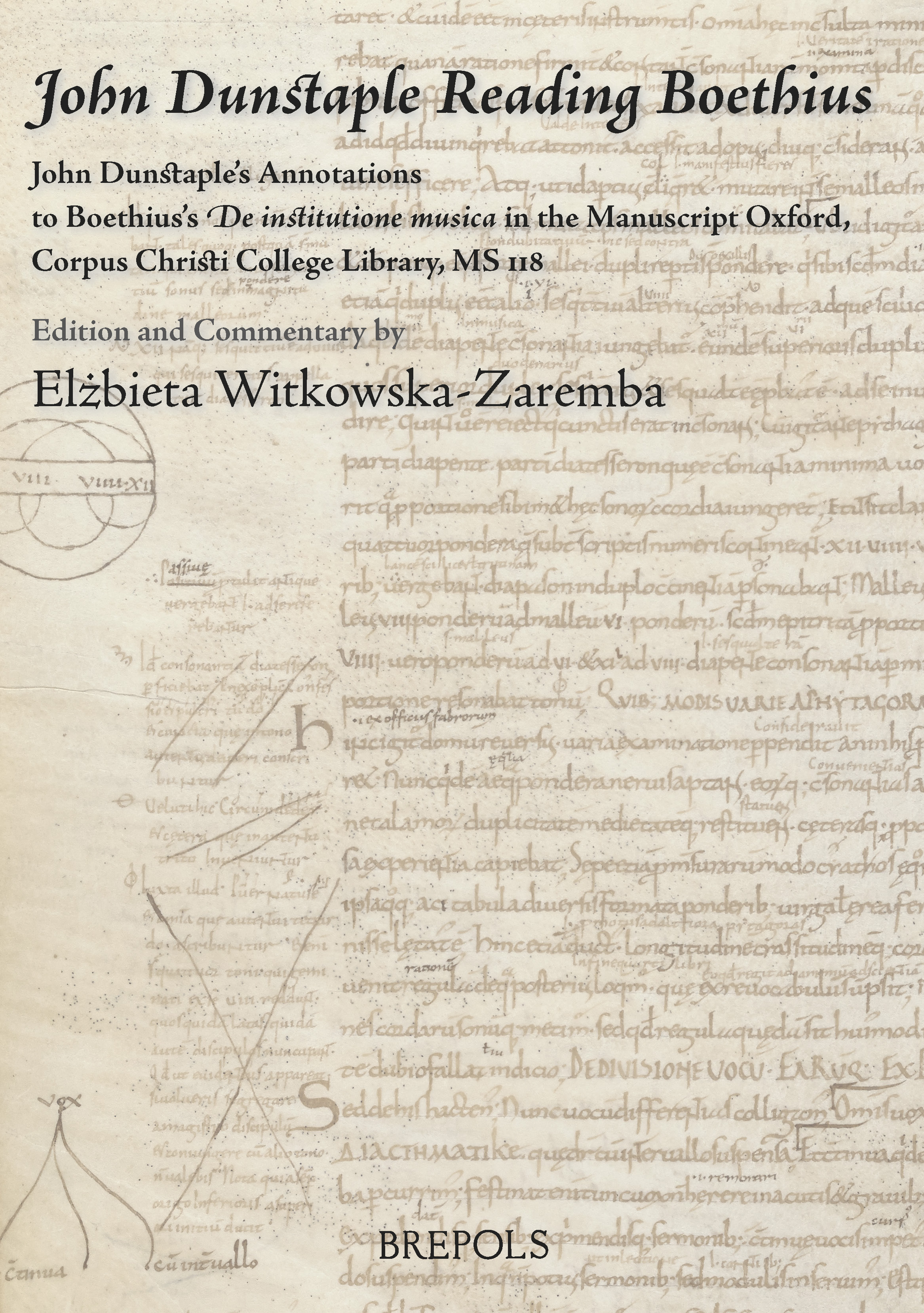 John Dunstaple Reading Boethius
John Dunstaple’s Annotations to Boethius’s “De institutione musica” in the Manuscript Oxford, Corpus Christi College Library, MS 118
 Late Antique villae in the Balkans (3rd–7th c. AD): Current Research Questions and Perspectives
HAEMUS Companion to the Late Antique Balkans 1
Volume 4
 Linguistic and Cultural Dynamics in a Frontier Society
New Perspectives on Northeastern Bavaria and Western Bohemia in the Early Middle Ages
Volume 9

 Medieval Debates on Foreknowledge: Future Contingents, Prophecy, and Divination
Acts of the XXVII Annual Colloquium of the SIEPM, Trento 12-15 September 2023
Volume 31
 Medieval Yeghegis, Armenia
History, Archaeology, Society. Local Multiplicities and Global Connections of a Rural Centre on the Silk Road(s)


 Power and Women in Southeast and Central Europe in Late Medieval and Early Modern Period (1300-1600)
Volume 10



 The Anglo-Norman Bible’s Books of Kings, a Critical Edition
(BL Royal 1 C III, fols 234r-274v)
Volume 37