
Building Roman Greece
Innovation in Vaulted Construction in the Peloponnese
by Paolo Vitti

This book discusses a selection of 29 vaulted Roman buildings in the Peloponnese dating from the 1st century BC to 3rd century AD. The research was carried out over ten years, until summer 2013. The research has been award the “Grand Prix” for the EU Prize for Cultural Heritage/ Europa Nostra Award on May 2014. The study fills a gap in the studies of Roman construction, which have generally failed to seek innovation in the building techniques outside Central Italy. The research revealed the importance of Roman architecture in the Peloponnese and its contribution to the development of construction techniques. The significance of these structures had been hitherto only partially recognised and understood, because the few publications to have dealt in any depth with Roman architecture in the Peloponnese were conditioned by an excessive focus on the city of Rome, attributing only relative importance to the specific nature of local building traditions. For the first time a study evaluates systematically and analytically Roman construction in Greece. Most of the buildings included in the study had never been analysed before and were not even known to specialists. In earlier discussions of Roman architecture in Greece, the construction aspects had been treated cursorily. Scholars were basically focused on comparisons with Rome, thus failing to understand the peculiarities of the construction process. This study offers a detailed layout of the ways in which solid-brick vaulting and concrete vaulting were employed, showing that local workmen were experienced and expert enough to use inventiveness in dealing with technical and structural problems, thus creating a construction tradition distinct from the one in use in Rome. The author analyses on one hand the Italic construction tradition and on the other, the development of a local construction techniques, which were also influenced by eastern vaulting tradition imported from Parthia The new methodological approach of the research is based on on-site study, with sketches, drawings and descriptions, through which it was possible to recognise and understand the construction solutions adopted in each building. The first-hand observation and the technical drawings and/or descriptions of the construction characteristics have eventually made it possible to identify and understand a building style based on the widespread use of brick for walls and vaults that was to become particularly influential in the late antique period, when Eastern building techniques became more markedly different from the ones adopted in the Western part of the Empire. This methodology becomes a reference point for future research on similar regional contexts and historical periods that share the same construction principles, rooted in the use of mortar as bonding material.
This book discusses a selection of 29 vaulted Roman buildings in the Peloponnese dating from the 1st century BC to 3rd century AD. The research was carried out over ten years, until summer 2013. The research has been award the “Grand Prix” for the EU Prize for Cultural Heritage/ Europa Nostra Award on May 2014. The study fills a gap in the studies of Roman construction, which have generally failed to seek innovation in the building techniques outside Central Italy. The research revealed the importance of Roman architecture in the Peloponnese and its contribution to the development of construction techniques. The significance of these structures had been hitherto only partially recognised and understood, because the few publications to have dealt in any depth with Roman architecture in the Peloponnese were conditioned by an excessive focus on the city of Rome, attributing only relative importance to the specific nature of local building traditions. For the first time a study evaluates systematically and analytically Roman construction in Greece. Most of the buildings included in the study had never been analysed before and were not even known to specialists. In earlier discussions of Roman architecture in Greece, the construction aspects had been treated cursorily. Scholars were basically focused on comparisons with Rome, thus failing to understand the peculiarities of the construction process. This study offers a detailed layout of the ways in which solid-brick vaulting and concrete vaulting were employed, showing that local workmen were experienced and expert enough to use inventiveness in dealing with technical and structural problems, thus creating a construction tradition distinct from the one in use in Rome. The author analyses on one hand the Italic construction tradition and on the other, the development of a local construction techniques, which were also influenced by eastern vaulting tradition imported from Parthia The new methodological approach of the research is based on on-site study, with sketches, drawings and descriptions, through which it was possible to recognise and understand the construction solutions adopted in each building. The first-hand observation and the technical drawings and/or descriptions of the construction characteristics have eventually made it possible to identify and understand a building style based on the widespread use of brick for walls and vaults that was to become particularly influential in the late antique period, when Eastern building techniques became more markedly different from the ones adopted in the Western part of the Empire. This methodology becomes a reference point for future research on similar regional contexts and historical periods that share the same construction principles, rooted in the use of mortar as bonding material.
- By (author) Paolo Vitti
Other Titles in this Series
 Il Principato di Apollo
Mito e propaganda nelle lastre Campana dal tempio di Apollo Palatino
Volume 57


 Malattie e pandemie nellantica Roma
Cicerone, Plinio, Svetonio, Catone, Tacito, Marziale, Plauto, Seneca et alii
Volume 240
 Forme e strutture della religione nell’italia mediana antica / Forms and Structures of Religion in Ancient Central Italy
III Convegno Internazionale dell'Istituto di Ricerche e Documentazione sugli antichi umbri 21-25 settembre 2011
Volume 206

 The Four Season of Cyrene
The Excavation and Explorations in 1861 of Lieutenants R. Murdoch Smith, R.E. and Edwin A. Porcher, R.N
Volume 155
 Ergasteria
Impianti artigianali ceramici ad Atene ed in Attica dal protogeometrico alle soglie dell'ellenismo
Volume 110


 Glittica elamita Dalla meta del III alla meta del II millennio a.C
Sigilli a stampo, sigilli a cilindro e impronte rinvenute in Iran e provenienti da collezioni private museali
Volume 182


Similar Books


 Behind the Scenes of Medieval Roofs
An Overview of the Roofing Systems of Italian Churches
Volume 90
 Caesar’s Visions and Impact on the Roman Empire
Revisiting the Archaeological and Historical Record of the 40s BC
Volume 2

 Circulation, Use, Impact
The Consumption of Architectural Books in the Early Modern Eastern Adriatic
Volume 1


 Drunk the Potion, No Whit Charmed
The Doctrine of Pure and Perfect Souls from Iamblichus to Damascius

 Epiphanies of the Divine in the Septuagint and the New Testament
Fifth International Symposium of the Corpus Judaeo-Hellenisticum Novi Testamenti (CJHNT), 14-17 May 2015, Nottingham


 Etruscan and Roman Hellenistic Anatomical ex votos
Reassessing Popular Religious Expressions in Central Italy
Volume 8


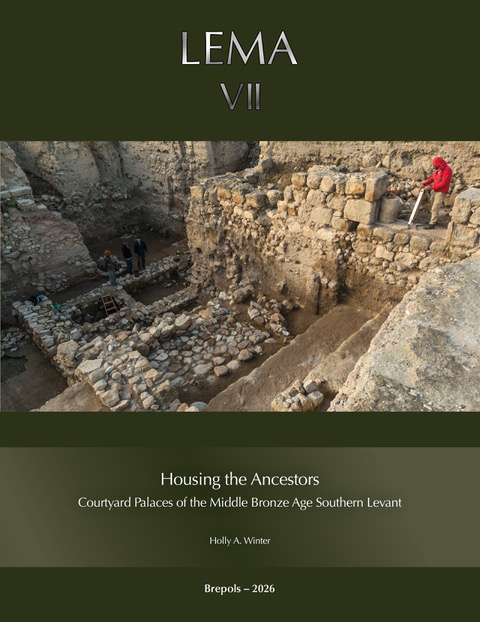

 Invisible Labour in Antiquity
Visualizing Obscure Work in the Ancient Mediterannean and West Asia
Volume 1
 Language and Power in the Roman Empire and Early India
Hierarchy, Ambiguity, and the Art of Reading the Signs in Cosmopolitan Cultures
 Late Antique villae in the Balkans (3rd–7th c. AD): Current Research Questions and Perspectives
HAEMUS Companion to the Late Antique Balkans 1
Volume 4


 Nurturing the Elite
Representations of Drinking, Eating, and Religious Vessels in Palmyrene Funerary Iconography
Volume 13


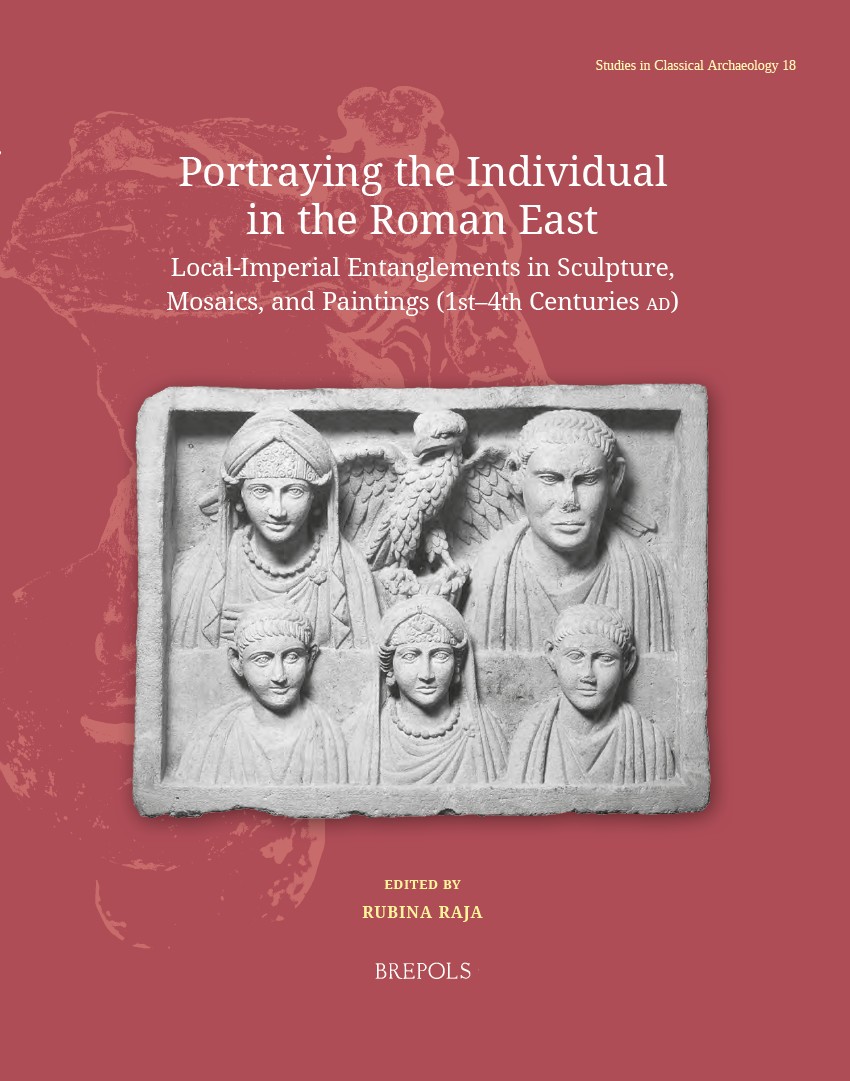 Portraying the Individual in the Roman East
Local–Imperial Entanglements in Sculpture, Mosaics, and Paintings (First–Fourth Centuries AD)
Volume 18

 Small Worlds and Relational Agencies: Local Societies in Early Medieval Iberia
Pequeños mundos y Agencias relacionales: Sociedades locales altomedievales en la Península Ibérica

 The Compositional History of the Book of Kings
An Analysis of the Evaluative Frameworks in 1 Kings 14–2 Kings 25


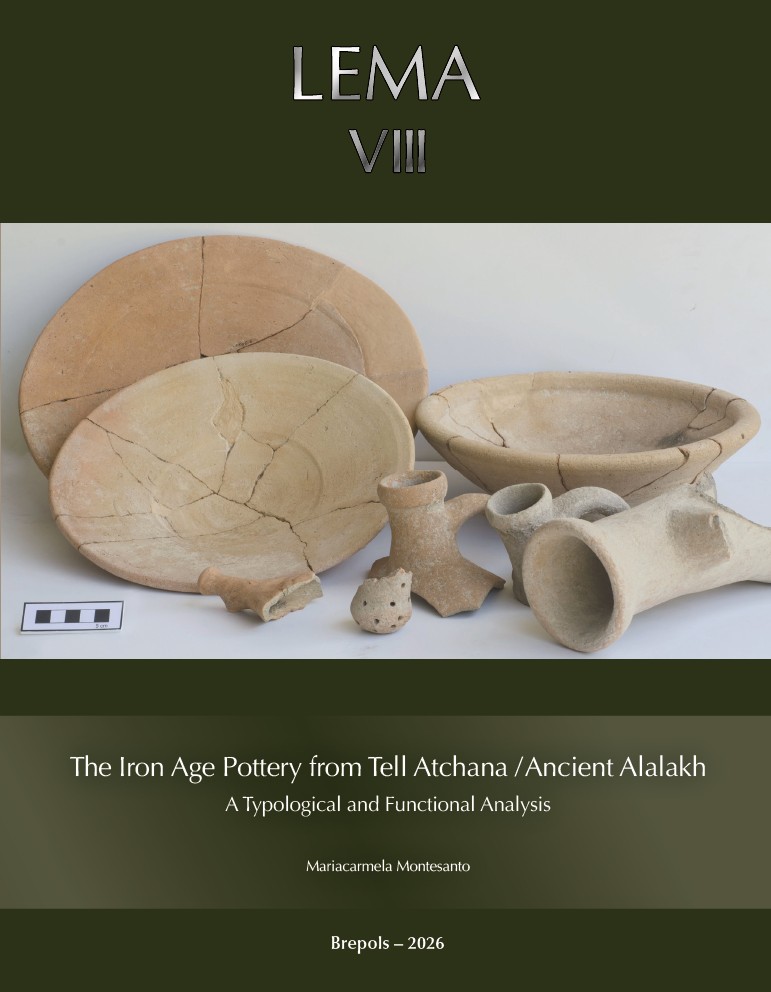 The Iron Age Pottery from Tell Atchana / Ancient Alalakh
A Typological and Functional Analysis
Volume 8


 Visual Memory and Oblivion
Monuments and Conflicts in Urban Spaces in Central and Eastern Europe from the Nineteenth Century to the Present Day
