
Attributing Value to Space
Edited by William O'Reilly Edited by Ellinor Forster
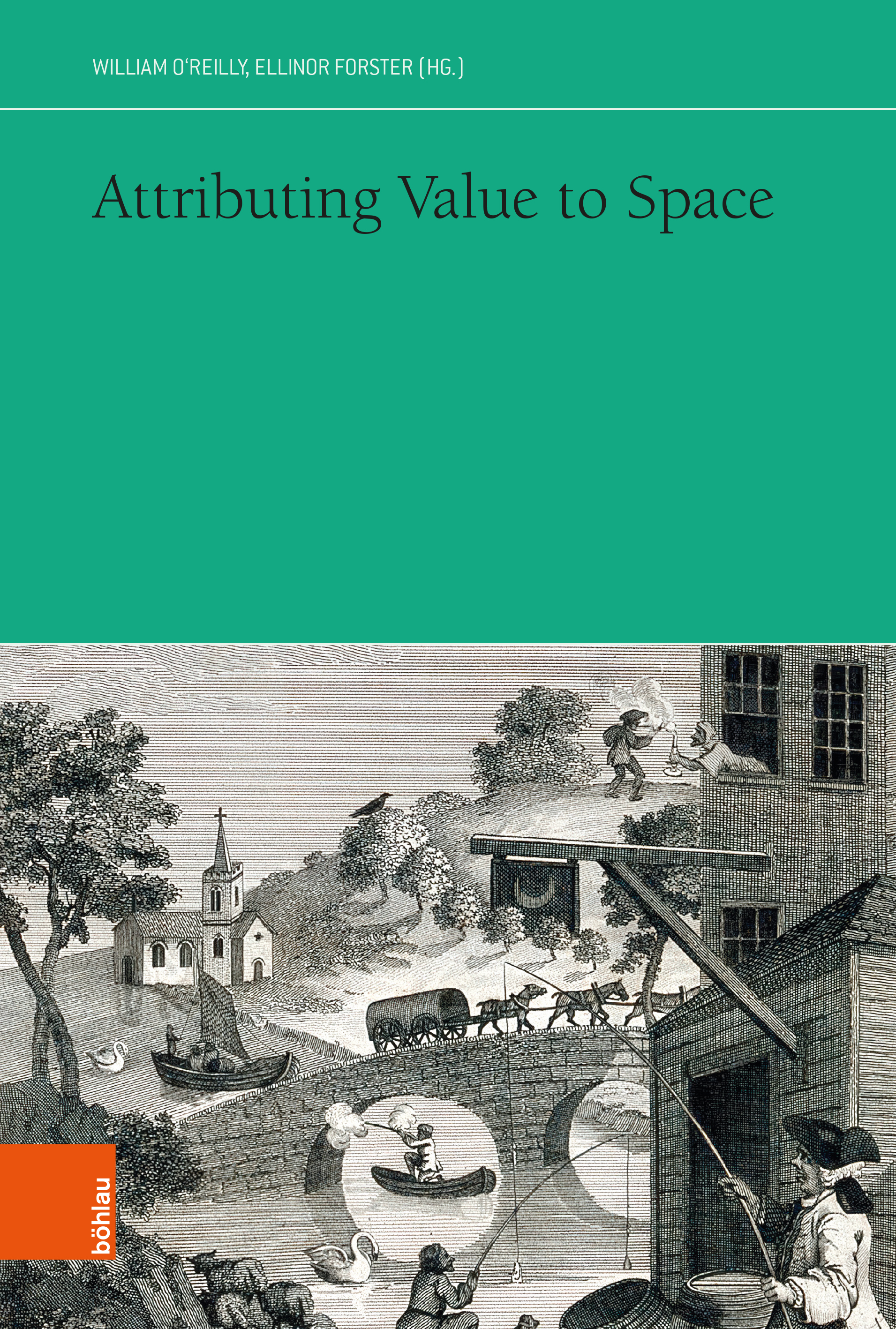
Spatial revaluation in the eighteenth century
Space is never neutral. The attribution of value to space, whether urban, maritime, imperial, domestic or natural, was among the most consequential cultural and political acts available to historical actors. How places acquired worth, how that worth was contested and communicated, and how it was embedded in structures of power, memory, and identity: these are the questions that animate this issue of OGE18. Drawing on case studies from across Europe and the Atlantic world, from nocturnal court spaces to Caribbean ports of print, from reconstructed Hungarian cities to the gardens of menageries and the ecological imaginaries of displaced migrants, the contributors to this volume examine value attribution as a dynamic, relational and politically charged process. Together, these essays demonstrate that the eighteenth century was a period of intensive spatial revaluation in which commercial expansion, imperial ambition, aesthetic innovation, and new cultures of mobility combined to transform how Europeans understood, judged and inhabited as well as constructed the spaces they encountered.
- Edited by William O’Reilly
- Edited by Ellinor Forster
Other Titles in this Series
 Querschnitt. Aktuelle Forschungen zur Habsburgermonarchie im 18. Jahrhundert
Cutting Across. New Research on the Habsburg Monarchy in the Eighteenth Century. Études transversales. Nouveautés sur la monarchie des Habsbourg au XVIIIe siècle


 Achtzehntes Jahrhundert digital: zentraleuropäische Perspektiven
Digital Eighteenth Century: Central European Perspectives. Dix-huitième siècle numérique: perspectives de l'Europe centrale


Similar Books


 From the Frontiers of the Empire to the Borders of the Nations
Borderland Security and Safety in the (post-)Ottoman Spaces (1700–1939)
 Lobbying for Equality
Jacques Godard and the Struggle for Jewish Equality during the French Revolution
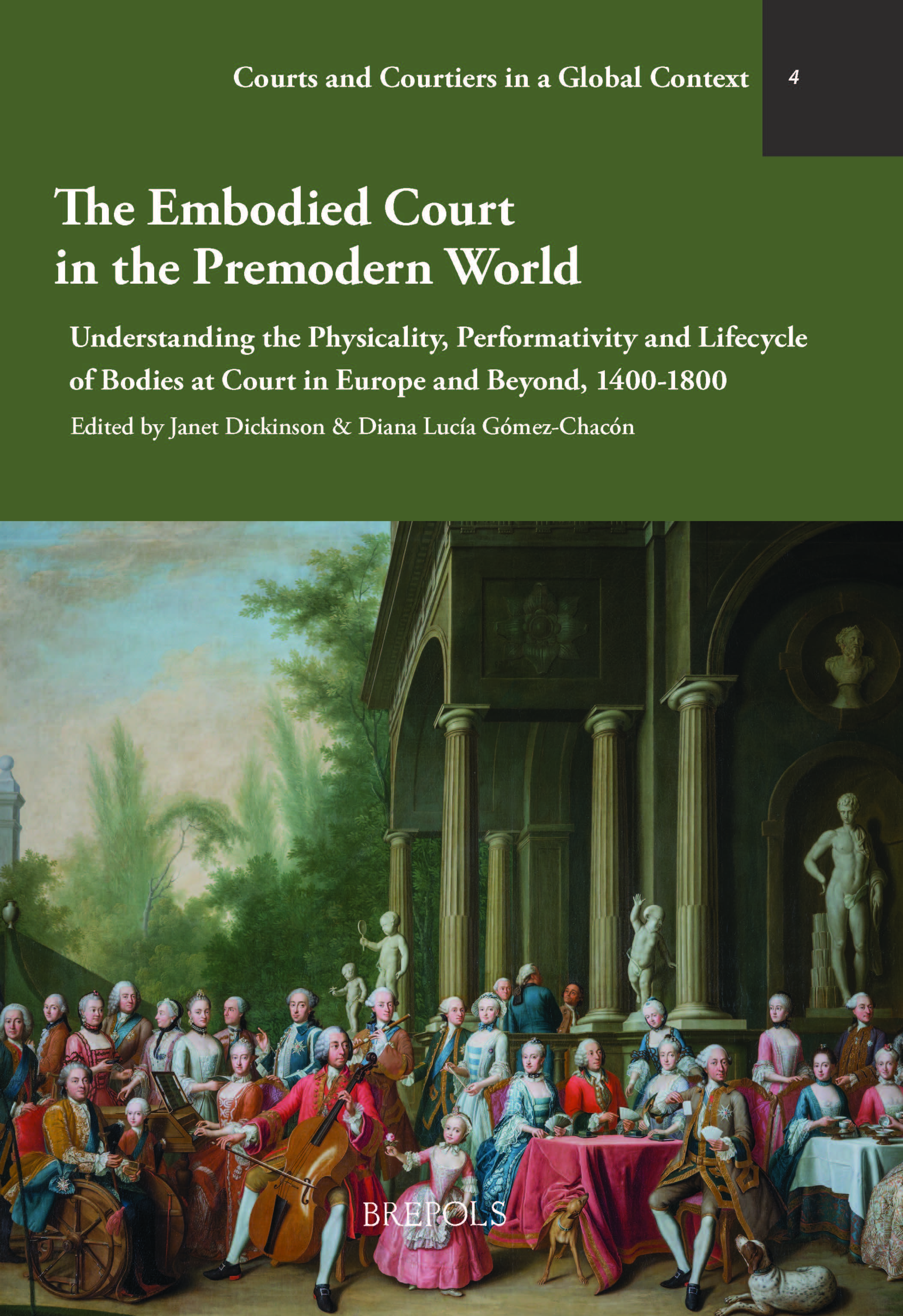 The Embodied Court in the Premodern World
Understanding the Physicality, Performativity and Lifecycle of Bodies at Court in Europe and Beyond, 1400-1800
Volume 4
 “Italien übertrifft alles, was man mir darüber gesagt hat”
Wilhelmine von Bayreuth und Friedrich II. im Briefdialog über die Italienreise der Markgräfin

 Der Rezipient ist im Werk
Differenzerfahrung und Adressatenbezug in Reisedarstellungen des 15.–18. Jahrhunderts

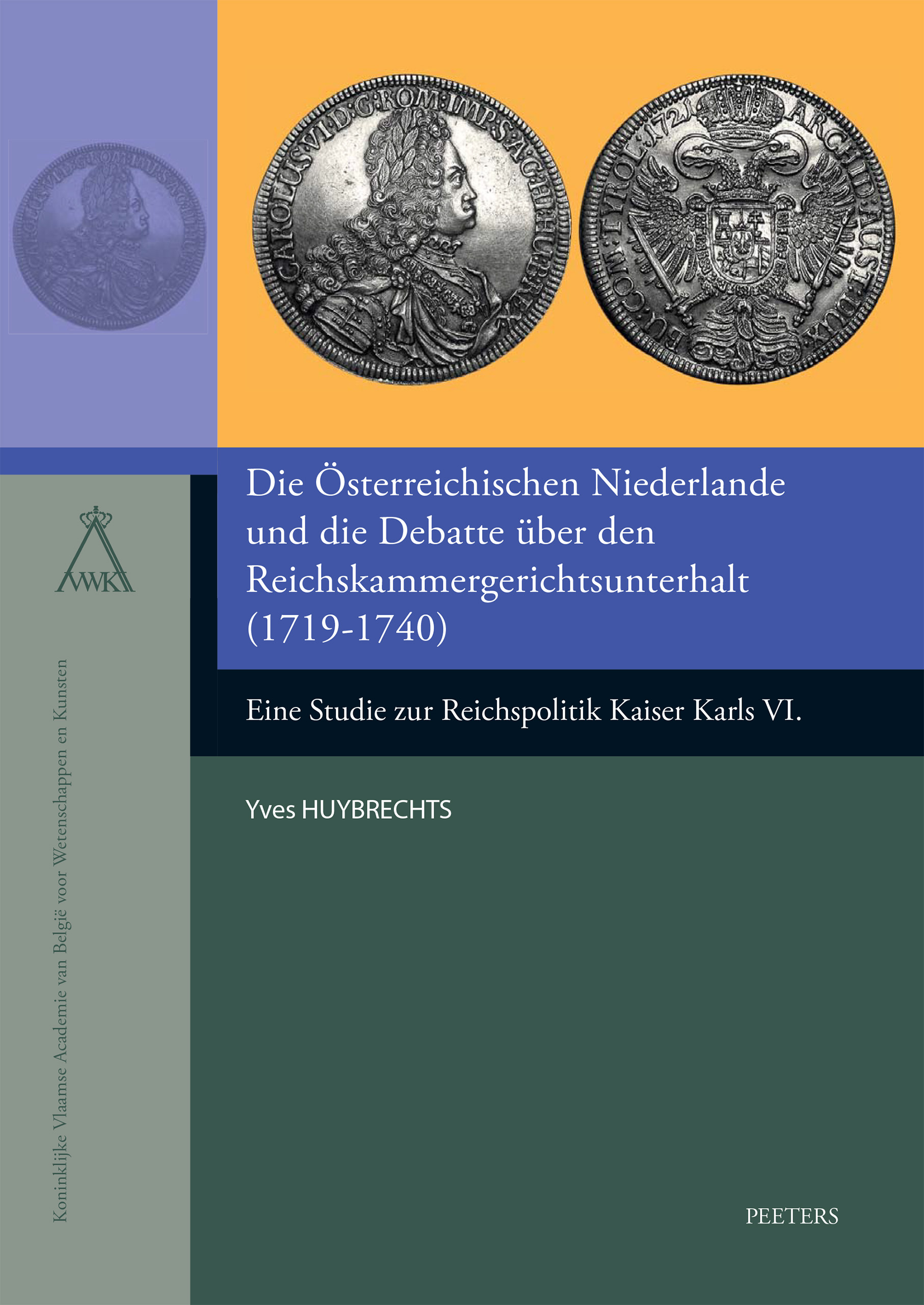 Die Österreichischen Niederlande und die Debatte über den Reichskammergerichtsunterhalt (1719-1740)
Eine Studie zur Reichspolitik Kaiser Karls VI.
Volume 43
 Die Popularität des Französischen im Europa des 17. und 18. Jahrhunderts
Akten des 13. Kongresses des Frankoromanistikverbandes vom 21.–23. September 2022 an der Universität Wien


 Le Théâtre entre Paris et les provinces de France
Ancrages, circulations et transversalités (XVIIe-XVIIIe siècle)
Volume 739, 7
 Les Franque
Du chantier à l’agence, l’ascension d’une famille d’architectes au XVIIIe siècle
Volume 3

 Mit der Vergangenheit in die Zukunft
Die Ungarndeutschen und die Siedlungsmigration im 18. Jahrhundert
 Ostern zwischen Tradition und Aufklärung
Die Deutung der Auferstehung Jesu in protestantischen Osterpredigten der späten Aufklärungszeit
 Qu’est-ce qu’un texte littéraire ?
L’apport des écrits didactiques (Moyen Âge – XVIIIe siècle)
Volume 729, 71

 Theologische Anthropologie in G. E. Lessings Frühwerk
Literarische Bilder von Gemeinschaft und Nonkonformität, Glück und Sünde

 Animal Magnetism in Motion / Le magnetisme animal en mouvement
Reconfigurations and Circulations, 1776-1848 / Reconfigurations et circulations, 1776-1848



 On the steps of the throne
The King's family and its political and cultural role in the Spanish monarchy (16th-18th centuries)
Volume 1

 The Jews in English Baptist Eschatology
Conversion, Restoration, and National Identity, 1649-1815
Volume 84
 Übersetzungsprozesse im langen 18. Jahrhundert
Wissensräume zwischen Transkulturalität und nationalen Diskursen