
Powdered Fakes
The Legitimacy of Elizabeth Petrovna in Russian Court Culture 1741–1761
By (author) Deniss Hanovs By (author) Valdis Tēraudkalns

Hardback (Published)
(July 2025)
ISBN: 9783506798213
6.1 x 9.25 inches
Price: $113.00
In stock
This study examines the 18th century Russian court culture as a political frame for legitimacy of the new empress Elizabeth, daughter of Peter I, who seized power after a coup d’etat in November 1741 and was in need of explaining the coup and cancelling the previous rule in public sphere.
This study examines the 18th century Russian court culture as a political frame for legitimacy of the new empress Elizabeth, daughter of Peter I, who seized power after a coup d’etat in November 1741 and was in need of explaining the coup and cancelling the previous rule in public sphere. The book reflects on narratives and practices of the new government in its attempt to legitimise the new sovereign using memory politics to construct Emperor Peter I as the creator of the new Russia. Using interdisciplinary methods, Deniss Hanovs and Valdis T?raudkalns analyse the tools which were used to create this new legitimacy. These include a court opera, multimedia baroque festivals and religious ceremonies, epic poetry and even students’ essays dedicated to the new empress, which created a multifaceted collection of performative actions, in text, music, ritual, drawings and ceremonial architecture.
- By (author) Deniss Hanovs
- By (author) Valdis Tēraudkalns
Other Titles in this Series


Similar Books


 From the Frontiers of the Empire to the Borders of the Nations
Borderland Security and Safety in the (post-)Ottoman Spaces (1700–1939)
 Lobbying for Equality
Jacques Godard and the Struggle for Jewish Equality during the French Revolution
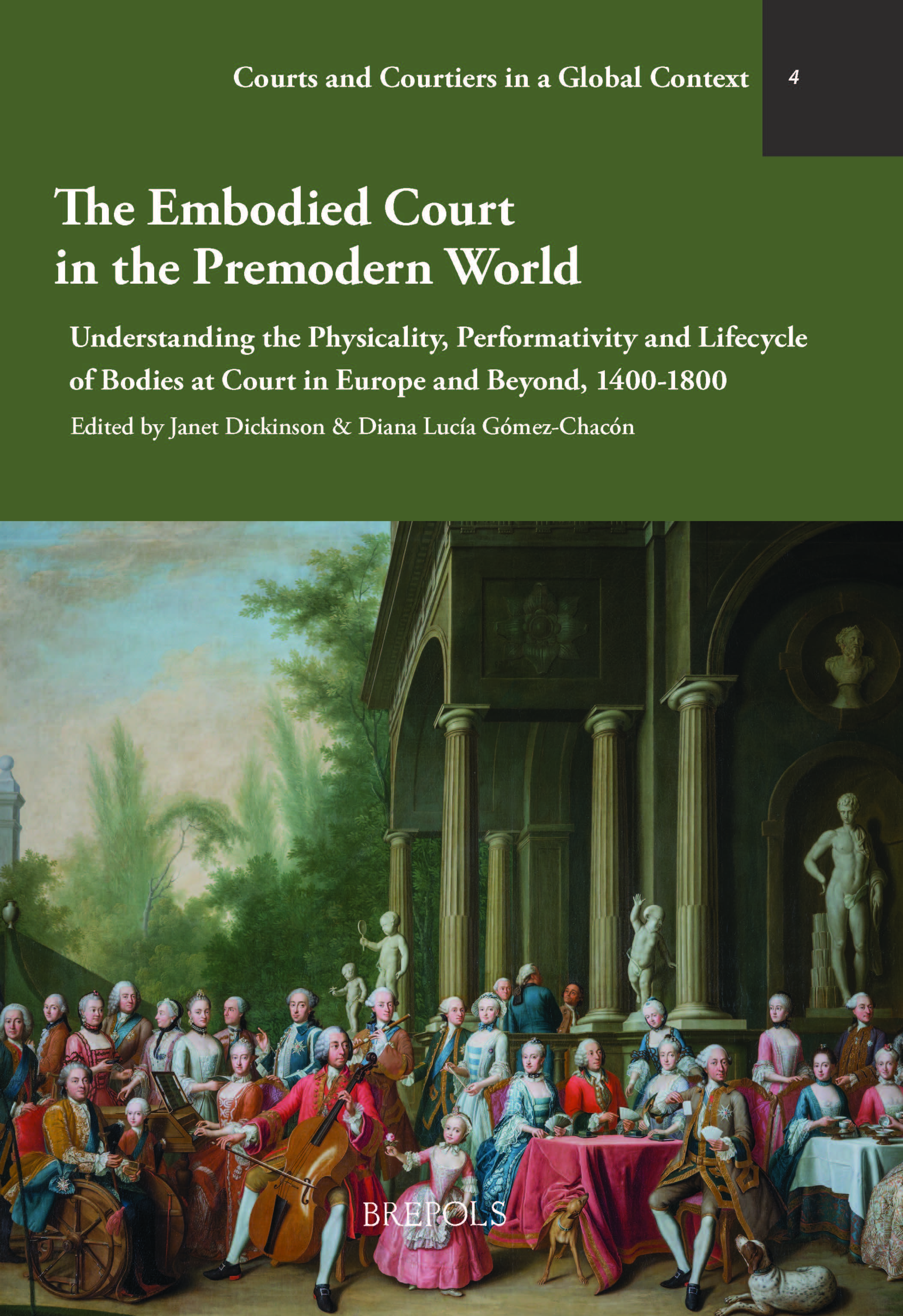 The Embodied Court in the Premodern World
Understanding the Physicality, Performativity and Lifecycle of Bodies at Court in Europe and Beyond, 1400-1800
Volume 4
 “Italien übertrifft alles, was man mir darüber gesagt hat”
Wilhelmine von Bayreuth und Friedrich II. im Briefdialog über die Italienreise der Markgräfin

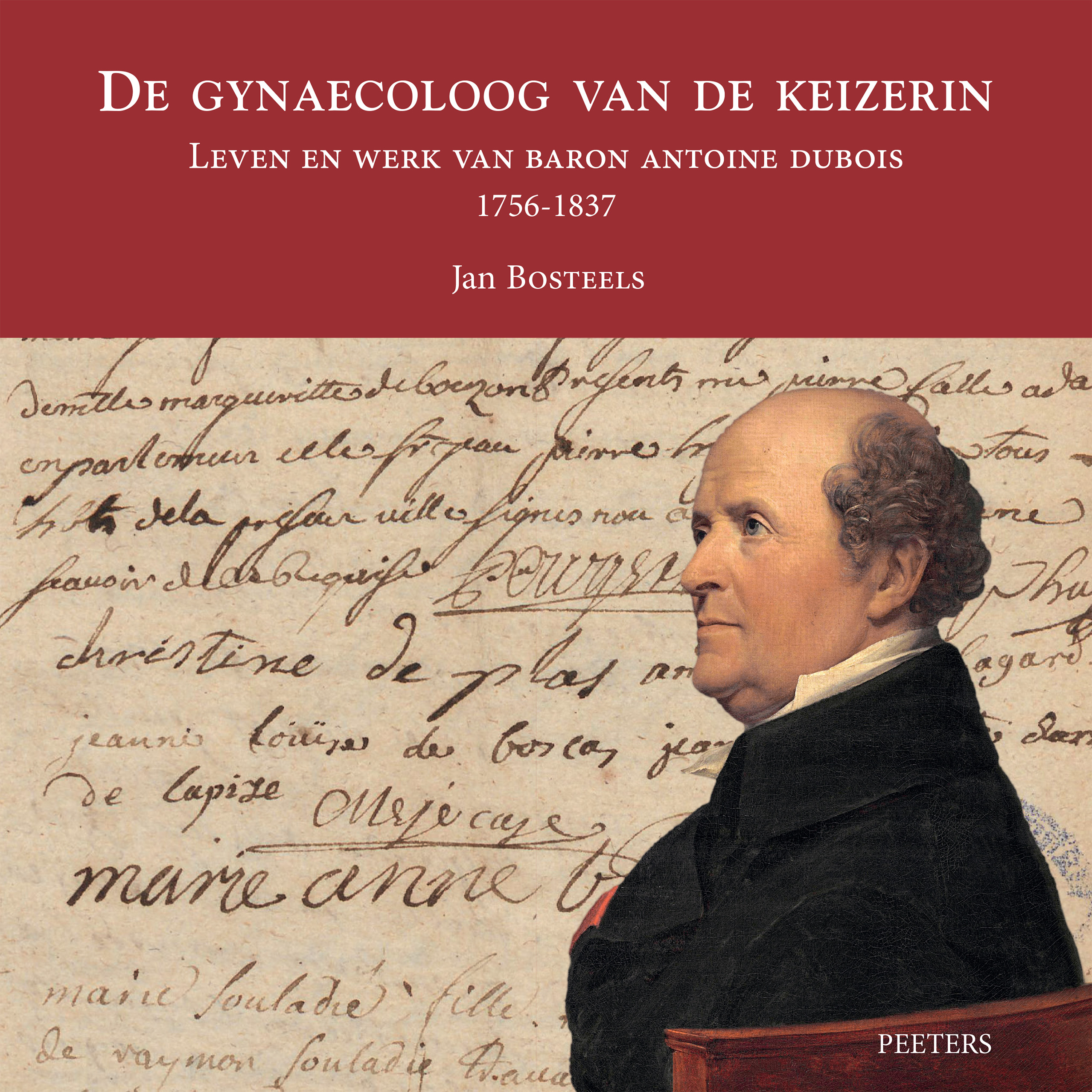
 Der Rezipient ist im Werk
Differenzerfahrung und Adressatenbezug in Reisedarstellungen des 15.–18. Jahrhunderts

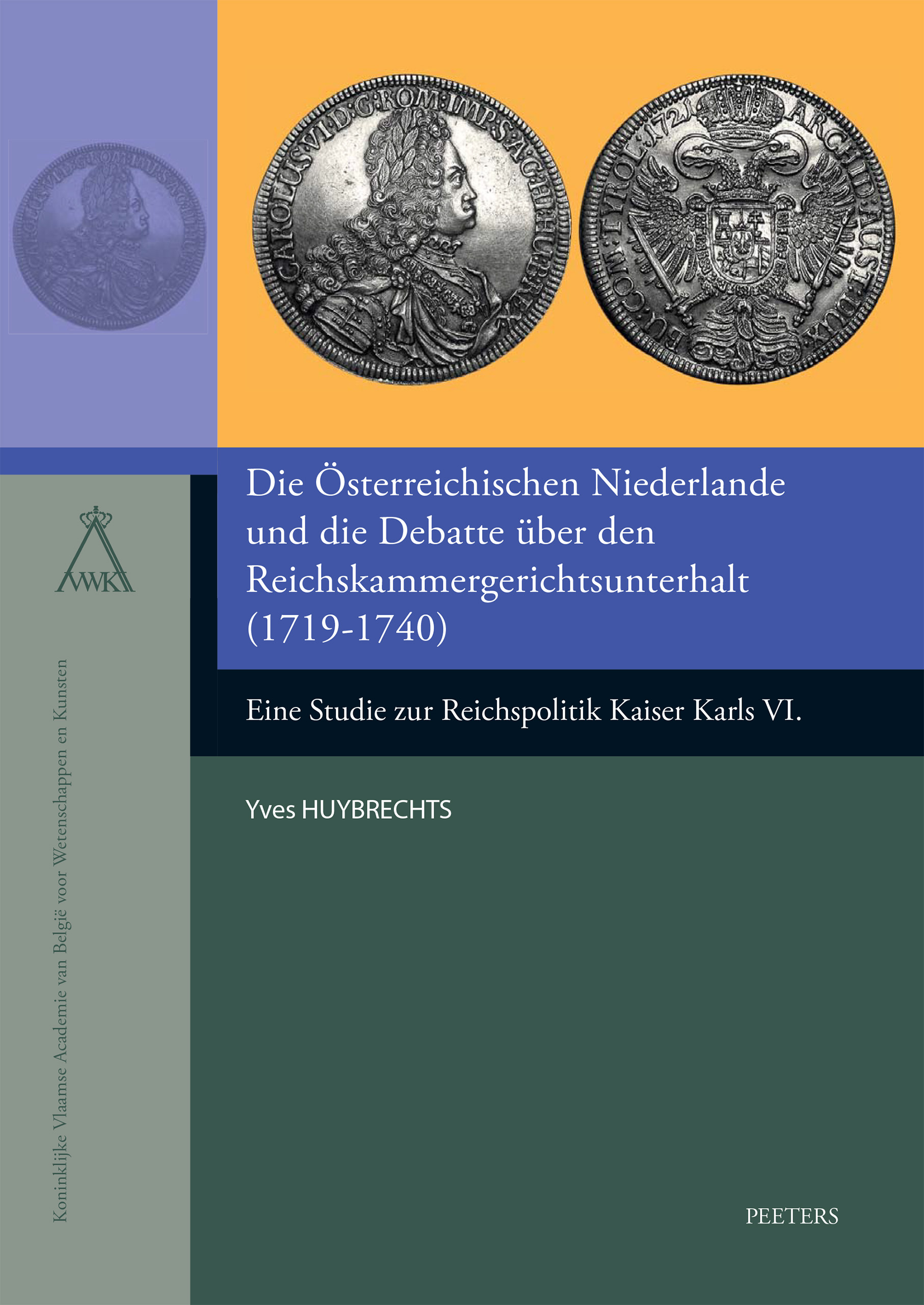 Die Österreichischen Niederlande und die Debatte über den Reichskammergerichtsunterhalt (1719-1740)
Eine Studie zur Reichspolitik Kaiser Karls VI.
Volume 43
 Die Popularität des Französischen im Europa des 17. und 18. Jahrhunderts
Akten des 13. Kongresses des Frankoromanistikverbandes vom 21.–23. September 2022 an der Universität Wien


 Le Théâtre entre Paris et les provinces de France
Ancrages, circulations et transversalités (XVIIe-XVIIIe siècle)
Volume 739, 7
 Les Franque
Du chantier à l’agence, l’ascension d’une famille d’architectes au XVIIIe siècle
Volume 3

 Mit der Vergangenheit in die Zukunft
Die Ungarndeutschen und die Siedlungsmigration im 18. Jahrhundert
 Qu’est-ce qu’un texte littéraire ?
L’apport des écrits didactiques (Moyen Âge – XVIIIe siècle)
Volume 729, 71

 Theologische Anthropologie in G. E. Lessings Frühwerk
Literarische Bilder von Gemeinschaft und Nonkonformität, Glück und Sünde

 Animal Magnetism in Motion / Le magnetisme animal en mouvement
Reconfigurations and Circulations, 1776-1848 / Reconfigurations et circulations, 1776-1848



 On the steps of the throne
The King's family and its political and cultural role in the Spanish monarchy (16th-18th centuries)
Volume 1
 The Jews in English Baptist Eschatology
Conversion, Restoration, and National Identity, 1649-1815
Volume 84
 Übersetzungsprozesse im langen 18. Jahrhundert
Wissensräume zwischen Transkulturalität und nationalen Diskursen

 „The Hidden Jewel in Britain’s Military Crown“
Die britische Schießpulvermühle Waltham Abbey und ihre Handwerker 1787 bis 1816
 »Mit neuem Eifer an der Bildung junger Leute zu arbeiten«
Das Pädagogium Regium Halle und das Philanthropin Dessau im bildungsräumlichen Vergleich
Volume 69
 1423–2023. 600 Jahre Sachsen(-Meißen)
"Sächsische" Fürstentümer, König- und Kaiserreiche und ihre Traditionen (10.–16. Jahrhundert)