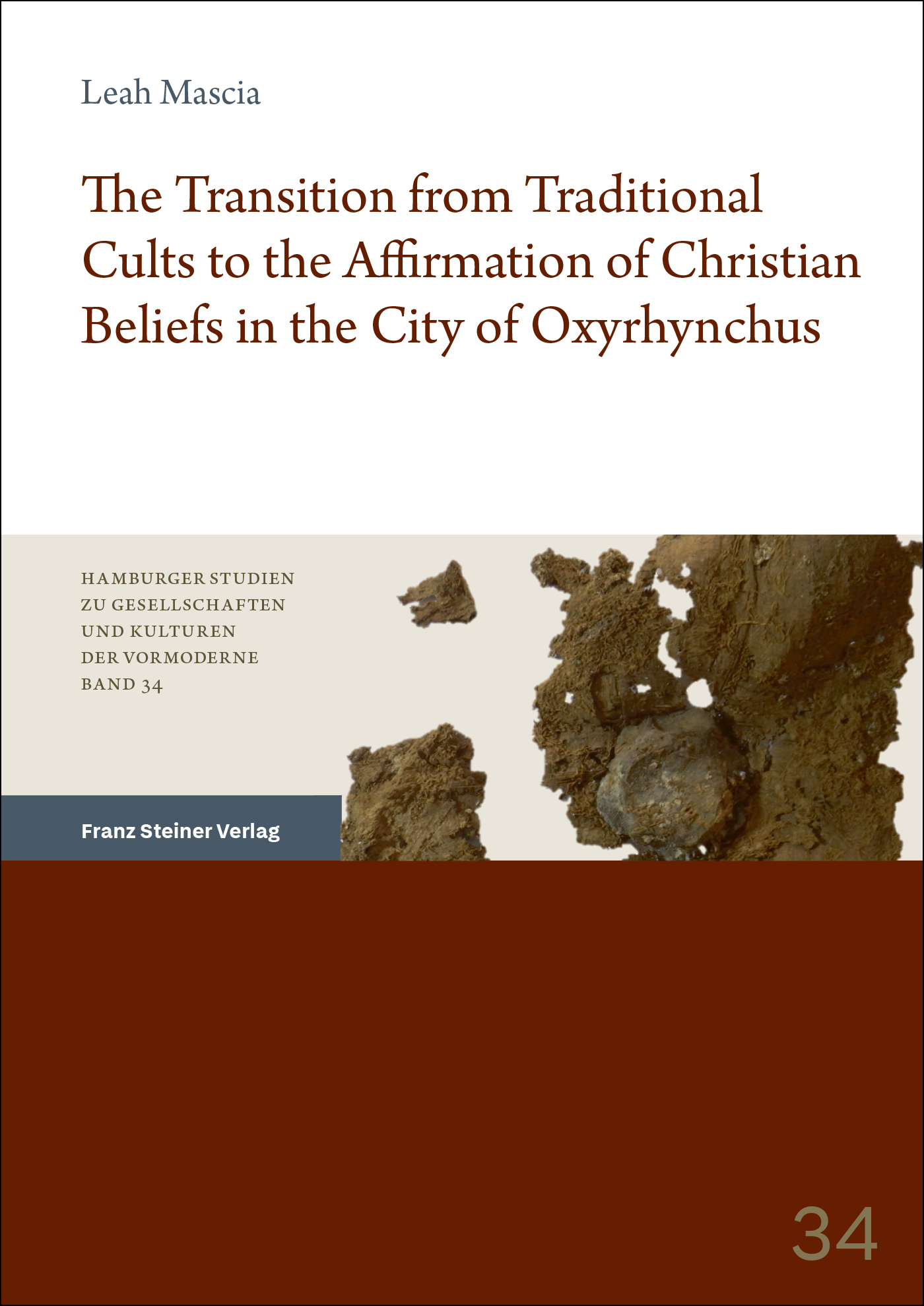
Ancient Cookware from the Levant
An Ethnoarchaeological Perspective
by Gloria London

Hardback (Published)
(August 2016)
ISBN: 9781781791998
8.31 x 10.83 inches
Price: $150.00
In stock
Ancient clay cooking pots in the southern Levant are unappealing, rough pots that are not easily connected to meals known from ancient writings or iconographic representations. To narrow the gap between excavated sherds and ancient meals, the approach adopted in this study starts by learning how food traditionally was processed, preserved, cooked, stored, and transported in clay containers. This research is based on the cookware and culinary practices in traditional societies in Cyprus and the Levant, where people still make pots by hand. Clay pots were not only to cook or hold foods. Their absorbent and permeable walls stored memories of food residue. Clay jars were automatic yogurt makers and fermentation vats for wine and beer, while jugs were the traditional water coolers and purifiers. Dairy foods, grains, and water lasted longer and/or tasted better when stored or prepared in clay pots. Biblical texts provide numerous terms for cookware without details of how they looked, how they were used, or why there are so many different words. Recent studies of potters for over a century in the southern Levant provide a wealth of names whose diversity helps to delineate the various categories of ancient cookware and names in the text. Ancient Cookware from the Levant begins with a description of five data sources: excavations, ancient and medieval texts, 20th century government reports, early accounts of potters, and ethnoarchaeological studies. The final section focuses on the shape, style, and manufacture of cookware for the past 12,000 years. For archaeologists, changes in cooking pot morphology offer important chronological information for dating entire assemblages, from Neolithic to recent times. The survey of pot shapes in Israel, Palestine, and Jordan presents how different shapes were made and used.
Ancient clay cooking pots in the southern Levant are unappealing, rough pots that are not easily connected to meals known from ancient writings or iconographic representations. To narrow the gap between excavated sherds and ancient meals, the approach adopted in this study starts by learning how food traditionally was processed, preserved, cooked, stored, and transported in clay containers. This research is based on the cookware and culinary practices in traditional societies in Cyprus and the Levant, where people still make pots by hand. Clay pots were not only to cook or hold foods. Their absorbent and permeable walls stored memories of food residue. Clay jars were automatic yogurt makers and fermentation vats for wine and beer, while jugs were the traditional water coolers and purifiers. Dairy foods, grains, and water lasted longer and/or tasted better when stored or prepared in clay pots. Biblical texts provide numerous terms for cookware without details of how they looked, how they were used, or why there are so many different words. Recent studies of potters for over a century in the southern Levant provide a wealth of names whose diversity helps to delineate the various categories of ancient cookware and names in the text. Ancient Cookware from the Levant begins with a description of five data sources: excavations, ancient and medieval texts, 20th century government reports, early accounts of potters, and ethnoarchaeological studies. The final section focuses on the shape, style, and manufacture of cookware for the past 12,000 years. For archaeologists, changes in cooking pot morphology offer important chronological information for dating entire assemblages, from Neolithic to recent times. The survey of pot shapes in Israel, Palestine, and Jordan presents how different shapes were made and used.
- By (author) Gloria London
"Many studies have concentrated on a specific class of cooking vessels. . . Gloria London's research instead aims to achieve a longue dureie perspective on production, consumption, and usage of cooking vessels in the Levant. The greatest achievement and contribution of this research lies in the illumination of finds and behaviors from various periods combined with the results and insights from the field of ethnoarchaeology, especially the research of traditional potters from Cyprus and the Middle East. London has made a remarkable effort to introduce the use of current ethnoarchaeological research as a tool for understanding a fundamental portion of daily life, including cooking and the production of cooking vessels. . . . The book supplies more useful tools for the arsenal of anyone interested in the ancient Near East, and her research will hopefully be used by the scholarly community in the coming years." --Monnickendam-Givon, Barak, Israel Antiquities Authority, Journal of Near Eastern Studies (2020, 79/1) "Ancient Cookware from the Levant is an extraordinary volume that brings together decades of ground-breaking research by one of ethnoarchaeology's most notable and accomplished ceramic experts. . . . While the significance of this volume is to the study of pyrotechnology, craft production, and foodways is tremendous, the groundwork is also laid for connecting these subfields to larger socioeconomic, cultural, and political research questions. . . . High product values and copious illustrations make this a volume of standout quality destined to become a fundamental reference text for ceramics specialsts of the ancient Near East and beyond." --Mara T. Horowitz (2019), ETHNOARCHAEOLOGY, VOL.11, NO.1, 95-96. "This book is an important contribution to the study of ethnoarchaeology, ceramics, and food preparation in the southern Levant. [...] Scholars and students interested in ancient food preparation will find this book an essential addition to their library." --Cynthia Shafer-Elliott, Biblical Archaeology Review, July/August 2017 "A valuable and rigorous contribution to the archaeology of the Levant." --Rebekah Welton, Journal for the Study of the Old Testament 41.5 "By providing vivid examples of the contemporary production and use of traditional pottery, London reminds us of the human depth and complexity behind the production of kitchen equipment and the preparation of meals. In doing so, she provides archaeologists much food for through regarding how ancient cooking wares could have been made, sold, and used." --Peter J. Stone, American Journal of Archaeology Vol. 122, No. 1 (January 2018)
—
Other Titles in this Series


 About Edom and Idumea in the Persian Period
Recent Research and Approaches from Archaeology, Hebrew Bible Studies and Ancient Near Eastern Studies


Similar Books





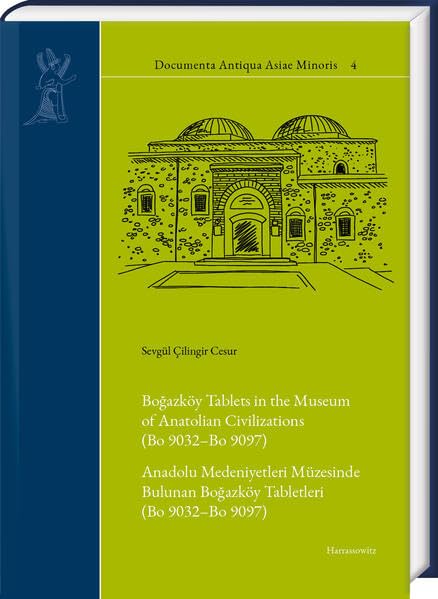 Boğazköy Tablets in the Museum of Anatolian Civilizations (Bo 9032–Bo 9097)
Anadolu Medeniyetleri Müzesinde Bulunan Boğazköy Tabletleri (Bo 9032–Bo 9097)
Volume 4
 Connecting the Dots: Counting, Writing, and the Beginnings of Civilization
The Secret Lives of Clay Tokens: A Memoir

 Curating the Prehistoric Past
Studies on West Asian Archaeology and Beyond in Honour of Yoshihiro Nishiaki

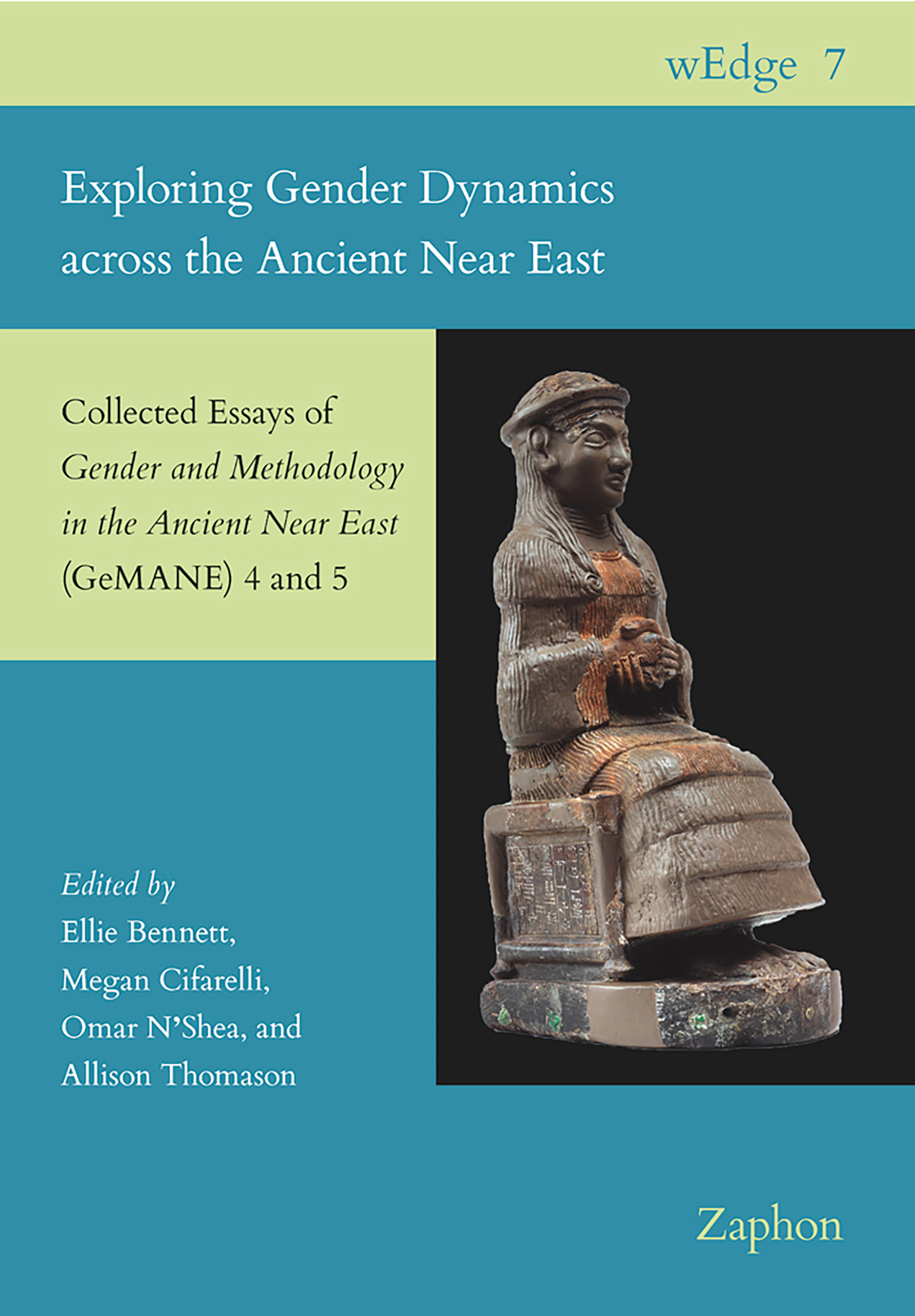 Exploring Gender Dynamics across the Ancient Near East
Collected Essays of Gender and Methodology in the Ancient Near East (GeMANE) 4 and 5
Volume 7


 Ḫattušaš utnē išḫameški
Hittite and Other Ancient Near Eastern Studies Presented to Piotr Taracha on the Occasion of His 65th Birthday




 Kultur – Kontakt – Kultur
Beiträge anlässlich der 66. Rencontre Assyriologique Internationale in Frankfurt/Main und Mainz, 25.–29. Juli 2022
Volume 35
 Money of Mercenaries in the Cimmerian Bosporus
From the Mithridatic Wars to the Roman-Bosporan War of AD 45-49
Volume 45

 New Research on Old Collections in Southwest Asian Archaeology
Proceedings of the Workshop Held at the British Museum, London, 31 July – 2 August, 2023
 Old Aramaic Inscriptions and their Contexts
An Epigraphic, Archaeological, and Historical Synthesis
Volume 63

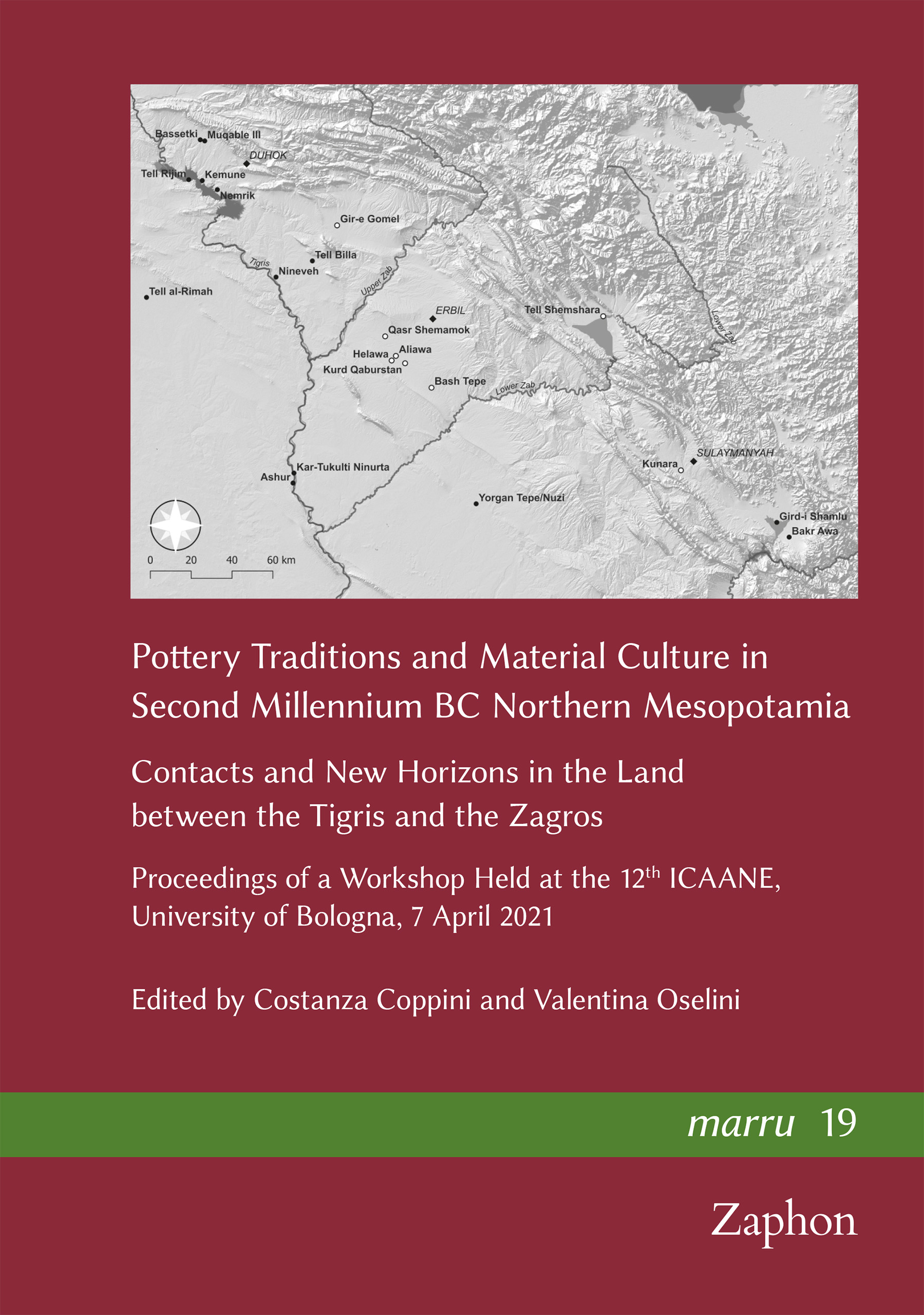 Pottery Traditions and Material Culture in Second Millennium BC Northern Mesopotamia
Contacts and New Horizons in the Land between the Tigris and the Zagros. Proceedings of a Workshop Held at the 12th ICAANE, University of Bologna, 7 April 2021
Volume 19
 Punning in Odd or Elegant Constructions in Jeremiah
The Convergence of Linguistics, Rhetoric, and Textuality in the Hebrew Text of Jeremiah

 Sertorius, the Exiles of the Sullan Regime and the Provinces of the Empire
Legitimacy, Morality and Imperial Discourse in the 70s BCE
 Shame in the Worlds of the Hebrew Bible and Akkadian Texts
A Linguistic Study and Its Implications
Volume 33

 Telling Contexts
Archaeological and Textual Studies in Honor of Elizabeth Bloch-Smith and Mark S. Smith
 The Body
Lived, Cultured, Adorned: Essays on Dress and the Body in the Bible and Ancient Near East in Honor of Nili S. Fox
 The Discourse of Rites
Shaping and Reshaping the (Counter-)Priestly Rituals Conducted Outside the Tabernacle
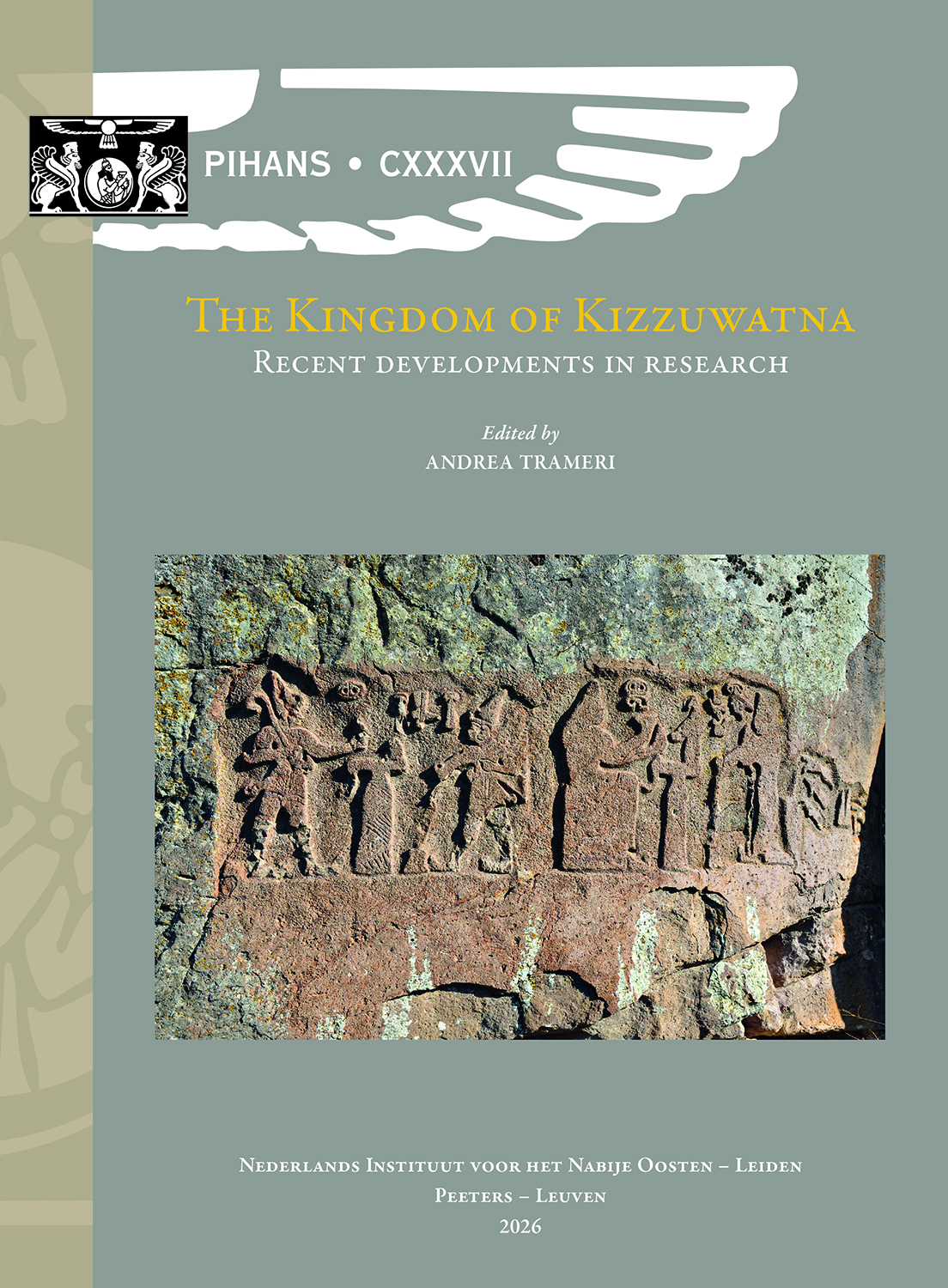 The Kingdom of Kizzuwatna: Recent Developments in Research
Proceedings of the Third NINO Postdoctoral Research Fellow Annual Conference, Leiden, 23rd-25th March 2023
Volume 137