
Aedificia Nova
Studies in Honor of Rosemary Cramp
Catherine Karkov is a professor of art history at the University of Leeds who specializes in Anglo-Saxon Art, material culture, and gender in late antiquity and the early medieval culture. Helen Damico is professor emerita of English and founder of the Institute for Medieval Studies at the University of New Mexico. She has published widely on Old and Middle English literature, particularly Beowulf.

Hardback (Published)
(July 2008)
ISBN: 9781580441100
6.14 x 9.21 inches
Price: $19.95
In stock
The essays vary in subject, discipline, and methodological approach, they center on the interpretation of the material world, whether in literature, stone, or the artifacts removed from an archaeological dig. The essays deal mainly with the Germanic and Celtic worlds, but incorporate motifs from Eastern Christian and Roman cultures.
While the essays offered in this collection vary in subject, discipline, and methodological approach, they center on the interpretation of the material world, whether that materiality appears in literature, stone, or the artifacts removed from an archaeological dig. The essay deal mainly with the Germanic and Celtic worlds, but incorporate motifs from Eastern Christian and Roman cultures. Contributors address the themes of time in history; societal and ideological change and continuity; iconic style and polysemous textuality; symbolic and representational interpretation; gender-specific economic production; definitions of social and political structures; and social processes of eclecticism and adaptation. Hence the approaches are interdisciplinary, contextual, comparative, and fluid in their integration of texts and images where the text represented is as crucial to the meaning as is the image or object; they therefore represent the study of the material culture of the Anglo-Saxon period at its best. The variety of disciplines represented in the essays and the range of topics covered by the individual scholars give some indication of the enormous scope of the scholarship of Rosemary Cramp, in whose honor this volume was produced. Readers will find that the subjects dealt with resonate with each other in interesting and complex ways. It is an invaluable contribution to scholars of Anglo-Saxon culture and archaeology.
Abbreviations
Introduction by Catherine E. Karkov and Helen Damico
The Changing Image, Divine and Human, in Anglo-Saxon Art by Rosemary Cramp
Bede and Change by George H. Brown
Who Then Read the Ruthwell Poem in the Eighth Century? by Éamonn Ó Carragáin
The Boar on the Helmet by Roberta Frank
Beowulf and Archaeology - Revisited by John Hines
Embroidered Wood: Animal-Headed Posts in the Bayeux "Tapestry" by Gale R. Owen-Crocker
Design in the Past: Metalwork and Textile Influences on Pre-Conquest Sculpture in England by Elizabeth Coatsworth
Missing Material: Early Anglo-Saxon Enameling by Susan Youngs
The Doors of His Face: Early Hell-Mouth Iconography in Ireland by Carol Neuman de Vegvar
Constructing Salvation: The Figural Iconography of the Iona Crosses by Jane Hawkes
Apocalypse Then: Anglo-Saxon Ivory Carving in the Tenth and Eleventh Centuries by Leslie Webster
The Class Beads from St. Ninian's Isle, Shetland by Colleen E. Batey
Roman to Saxon in East Anglia by Catherine Hills
Literary Insights into the Basis of Some Burial Practices in Ireland and Anglo-Saxon England in the Seventh and Eighth Centuries by Elizabeth O'Brien
Buried Truths: Shrouds, Cults, and Female Production in Anglo-Saxon England by Kelley M. Wickham-Crowley
Toward a Definition of the Irish Monastic Town by John Bradley
Bibliography
Contributors
Index of Manuscripts
General Index
- Edited by Catherine E. Karkov
- Edited by Helen Damico
Other Titles in this Series


 Anglo-Saxon Books and Their Readers
Essays in Celebration of Helmut Gneuss's Handlist of Anglo-Saxon Manuscripts

Similar Books
 A Collaborative Tapestry in Honour of Shirley Ann Brown / Une fresque brodée en l’honneur de Shirley Ann Brown
The Bayeux Tapestry Seen by her Colleagues and Friends / La Tapisserie de Bayeux vue par ses collègues et amis
 Behind the Scenes of Medieval Roofs
An Overview of the Roofing Systems of Italian Churches
Volume 90






 Innovation and Medieval Communities
The Circulation of Ideas and Practices in and out of the Town (1200-1500)
Volume 63
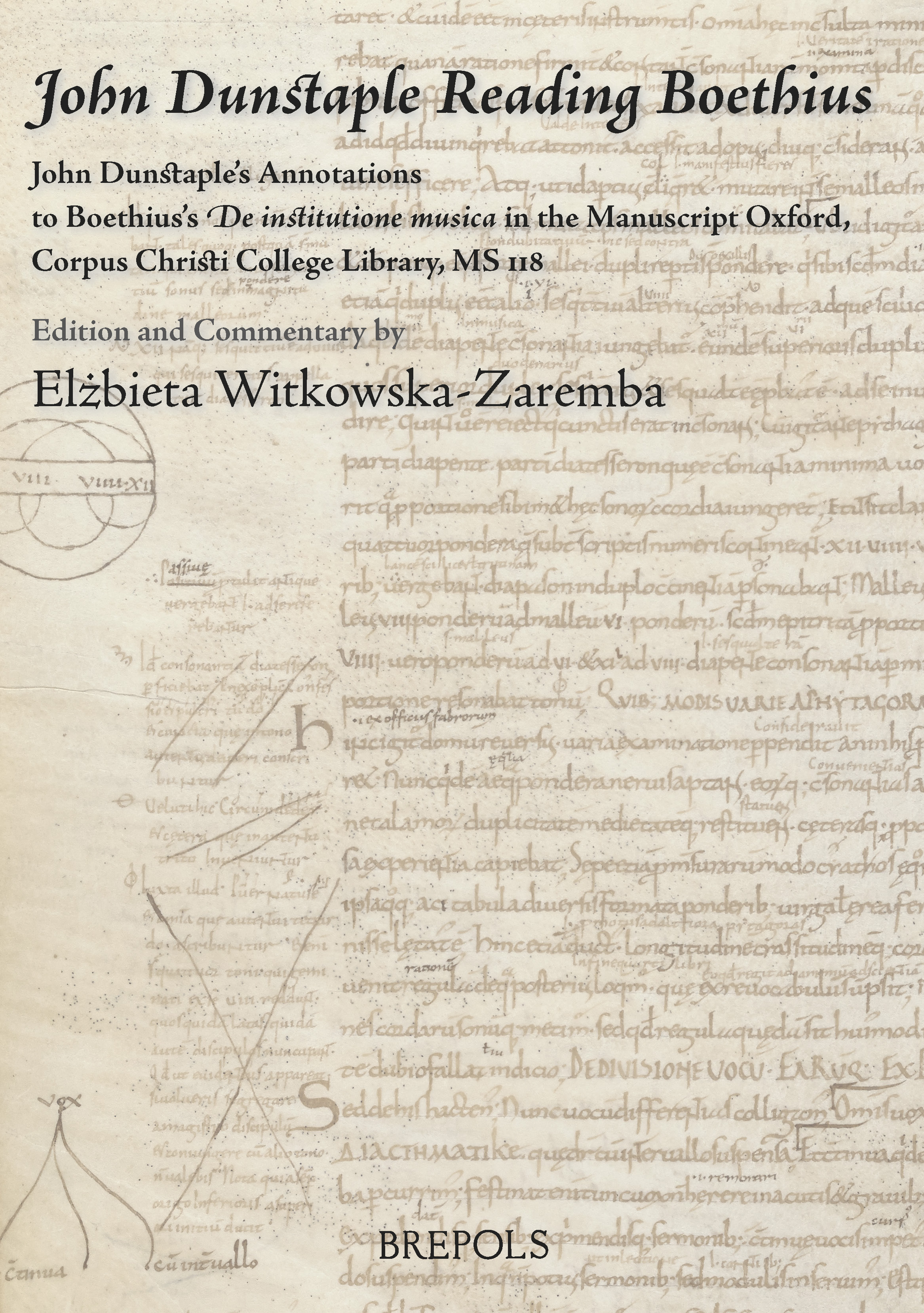 John Dunstaple Reading Boethius
John Dunstaple’s Annotations to Boethius’s “De institutione musica” in the Manuscript Oxford, Corpus Christi College Library, MS 118
 Linguistic and Cultural Dynamics in a Frontier Society
New Perspectives on Northeastern Bavaria and Western Bohemia in the Early Middle Ages
Volume 9
 Medieval Debates on Foreknowledge: Future Contingents, Prophecy, and Divination
Acts of the XXVII Annual Colloquium of the SIEPM, Trento 12-15 September 2023
Volume 31
 Medieval Yeghegis, Armenia
History, Archaeology, Society. Local Multiplicities and Global Connections of a Rural Centre on the Silk Road(s)
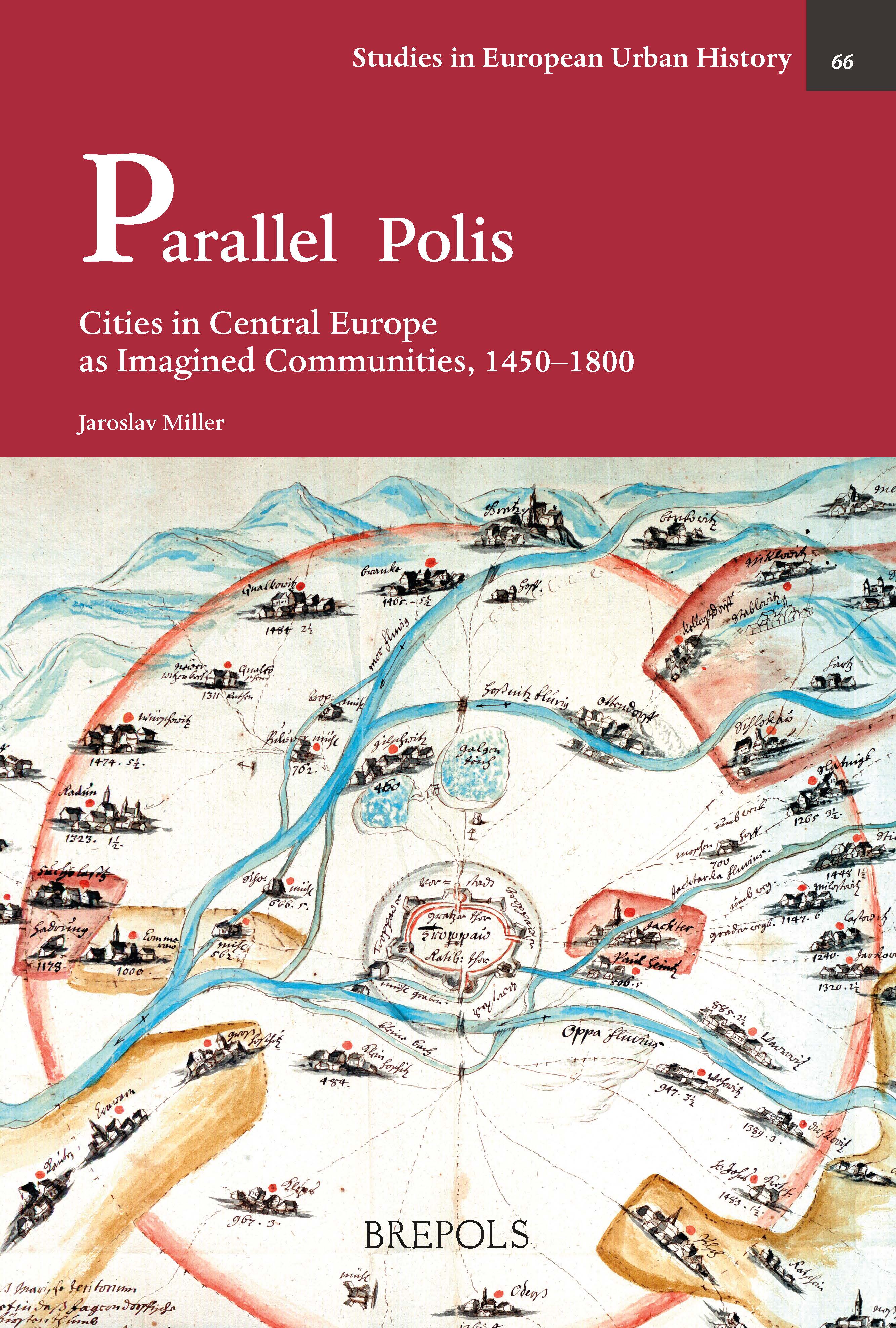


 Power and Women in Southeast and Central Europe in Late Medieval and Early Modern Period (1300-1600)
Volume 10


 The Anglo-Norman Bible’s Books of Kings, a Critical Edition
(BL Royal 1 C III, fols 234r-274v)
Volume 37


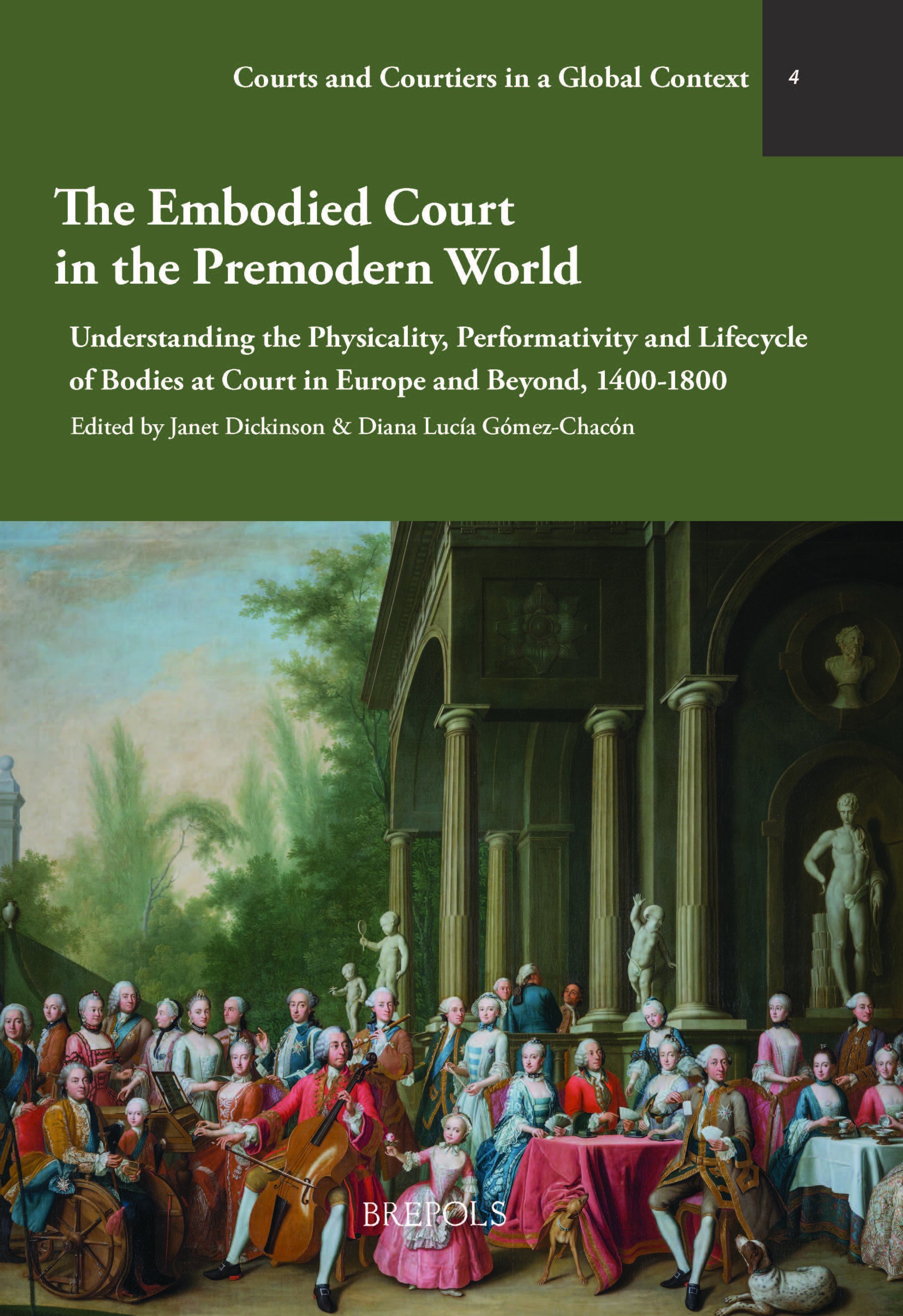 The Embodied Court in the Premodern World
Understanding the Physicality, Performativity and Lifecycle of Bodies at Court in Europe and Beyond, 1400-1800
Volume 4


