
Abraham im Werk des Lukas
Seine theologische Bedeutung, narrative Gestaltung und literarische Funktion
by Eva-Maria Kreitschmann

Paperback (Published)
(December 2025)
ISBN: 9783161642500
6.65 x 9.45 inches
Price: $162.00
In stock
Luke demonstrates a pronounced theological and narratological interest in the figure of Abraham. In his narrative, he reinterprets the important Jewish theological theme of the Abrahamic covenant as salvation from affliction, renewed justice, and a restored relationship with God in Israel. Using the figure of Abraham, Luke creates a coherent narrative thread through which he retells the story of Jesus.
English summary: Luke demonstrates a pronounced theological and narratological interest in the figure of Abraham. In his narrative, he reinterprets the important Jewish theological theme of the Abrahamic covenant as salvation from affliction, renewed justice, and a restored relationship with God in Israel. Using the figure of Abraham, Luke creates a coherent narrative thread through which he retells the story of Jesus. German description: Mehr als die anderen kanonischen Evangelien rekurriert das Lukasevangelium auf die Figur des Stammvaters Abraham, etwa in den Erzahlungen von der “Tochter” und dem “Sohn Abrahams” oder von “Abrahams Schoss”. Dennoch gilt die lukanische Abrahamrezeption im Vergleich mit Paulus als wenig originell. Eva-Maria Kreitschmann zeigt allerdings, dass der dritte Evangelist ein ganz eigenes theologisches Interesse an der Figur Abrahams hat und ihm durchaus eine spezifische Funktion im Erzahlverlauf des Evangeliums zukommt. So ist die Abrahamrezeption des Lukas als Aktualisierung einer judischen Abrahamtheologie zu lesen. Diese kreist um Motive wie die Erfullung des Abrahambundes als Rettung aus Bedrangnis, erneuerte Gerechtigkeit und wiederhergestellte Gottesbeziehung in Israel. Lukas entfaltet dieses Thema jedoch nicht punktuell, sondern spinnt geradezu einen Abraham-Erzahlfaden, durch den die Jesusgeschichte im Sinne einer judischen Abrahamtheologie ausgelegt wird.
Teil A. Einleitung I. Forschungsgeschichte II. Narrative Analyse III. Verfasser, Adressatenschaft und historischer Standort IV. Zusammenfassung und weiteres Vorgehen Teil B. Textanalyse I. Abraham in der Hinfuhrungserzahlung (Lk 1,1-2,52) II. Abraham in der Rede des Taufers (Lk 3,1-18) III. Abraham in der Genealogie Jesu (Lk 3,23-38) IV. Die Heilung einer ""Tochter Abrahams"" am Sabbat (Lk 13,10-17) V. Abraham in Jesu Lehre vom endzeitlichen Gastmahl (Lk 13,22-30) VI. Abraham im Gleichnis vom Vater und seinen beiden Sohnen (Lk 15,11-32) VII. Abraham im Gleichnis vom reichen Mann und armen Lazarus (Lk 16,19-31) VIII. Zachaus, der Oberzollner als ""Sohn Abrahams"" (Lk 19,1-10) IX. Abraham im Gesprach Jesu mit den Sadduzaern (Lk 20,27-40) X. Abraham in der Tempelrede des Petrus (Apg 3,13.25-26) XI. Abraham in der Rede des Stephanus (Apg 7,2-53) XII. Abraham in der Rede des Paulus im pisidischen Antiochia (Apg 13,16-41) XIII. Abraham bzw. die Vatererzahlung nach Apg 13 Teil C: Motivliche Profilierung des lukanischen Abrahambildes: Ein Blick auf die anderen neutestamentlichen Schriften Teil D: Ergebnis ~GER~Teil A. Einleitung I. Forschungsgeschichte II. Narrative Analyse III. Verfasser, Adressatenschaft und historischer Standort IV. Zusammenfassung und weiteres Vorgehen Teil B. Textanalyse I. Abraham in der Hinfuhrungserzahlung (Lk 1,1-2,52) II. Abraham in der Rede des Taufers (Lk 3,1-18) III. Abraham in der Genealogie Jesu (Lk 3,23-38) IV. Die Heilung einer ""Tochter Abrahams"" am Sabbat (Lk 13,10-17) V. Abraham in Jesu Lehre vom endzeitlichen Gastmahl (Lk 13,22-30) VI. Abraham im Gleichnis vom Vater und seinen beiden Sohnen (Lk 15,11-32) VII. Abraham im Gleichnis vom reichen Mann und armen Lazarus (Lk 16,19-31) VIII. Zachaus, der Oberzollner als ""Sohn Abrahams"" (Lk 19,1-10) IX. Abraham im Gesprach Jesu mit den Sadduzaern (Lk 20,27-40) X. Abraham in der Tempelrede des Petrus (Apg 3,13.25-26) XI. Abraham in der Rede des Stephanus (Apg 7,2-53) XII. Abraham in der Rede des Paulus im pisidischen Antiochia (Apg 13,16-41) XIII. Abraham bzw. die Vatererzahlung nach Apg 13 Teil C: Motivliche Profilierung des lukanischen Abrahambildes: Ein Blick auf die anderen neutestamentlichen Schriften Teil D: Ergebnis
- By (author) Eva-Maria Kreitschmann
Other Titles in this Series


 The Sabbath and the Sanctuary
Access to God in the Letter to the Hebrews and its Priestly Context
Volume 349
 Geschichte des Gottesvolkes und christliche Identitat
Eine kanonisch-intertextuelle Auslegung der Stephanusepisode Apg 6,1-8,3
Volume 279
 Christ the Ideal King
Cultural Context, Rhetorical Strategy, and the Power of Divine Monarchy in Ephesians
Volume 313
 The Death of the Soul in Romans 7
Sin, Death, and the Law in Light of Hellenistic Moral Psychology
Volume 256


 Proclaiming the Kerygma in Athens
The Argument of Acts 17:16-34 in Light of the Epicurean and Stoic Debates about Piety and Divine Images in Early Post-Hellenistic Times
Volume 596

 The Lord of the Gospel of John
Narrative Theory, Textual Criticism, and the Semantics of Kyrios
Volume 478


 Earliest Christian History
History, Literature, and Theology. Essays from the Tyndale Fellowship in Honor of Martin Hengel
Volume 320


 Relationale Ontologie bei Paulus
Die ontische Wirksamkeit der Christusbezogenheit im Denken des Heidenapostels
Volume 326
 Fellowship and Food in the Kingdom
Eschatological Meals and Scenes of Utopian Abundance in the New Testament
Volume 234


 Psalmenrezeption in der Passionsgeschichte des Matthausevangeliums
Eine intertextuelle Studie zur Verwendung, theologischen Relevanz und strukturgebenden Funktion der Psalmen in Mt 26-27 im Lichte fruhjudischer Psalmenrekurse
Volume 571
 Hohe Messianologie
Ubermenschliche Aspekte eschatologischer Heilsgestalten im Fruhjudentum
Volume 523
 Isaiah’s Servants in Early Judaism and Christianity
The Isaian Servant and the Exegetical Formation of Community Identity
 Evangelienexegese als Partiturlesen
Eine Interpretation von Mk 1,1-8,22a zwischen Komposition und Performanz
Volume 490
 The Gospel as the Revelation of God’s Righteousness
Paul's Use of Isaiah in Romans 1:1-3:26
Volume 428
Similar Books
 ‘For You I Study, For You I Work, For You I Live, For You I Am Ready To Even Give My Life’
Essays in Honour of Francis (Frank) J Moloney, SDB


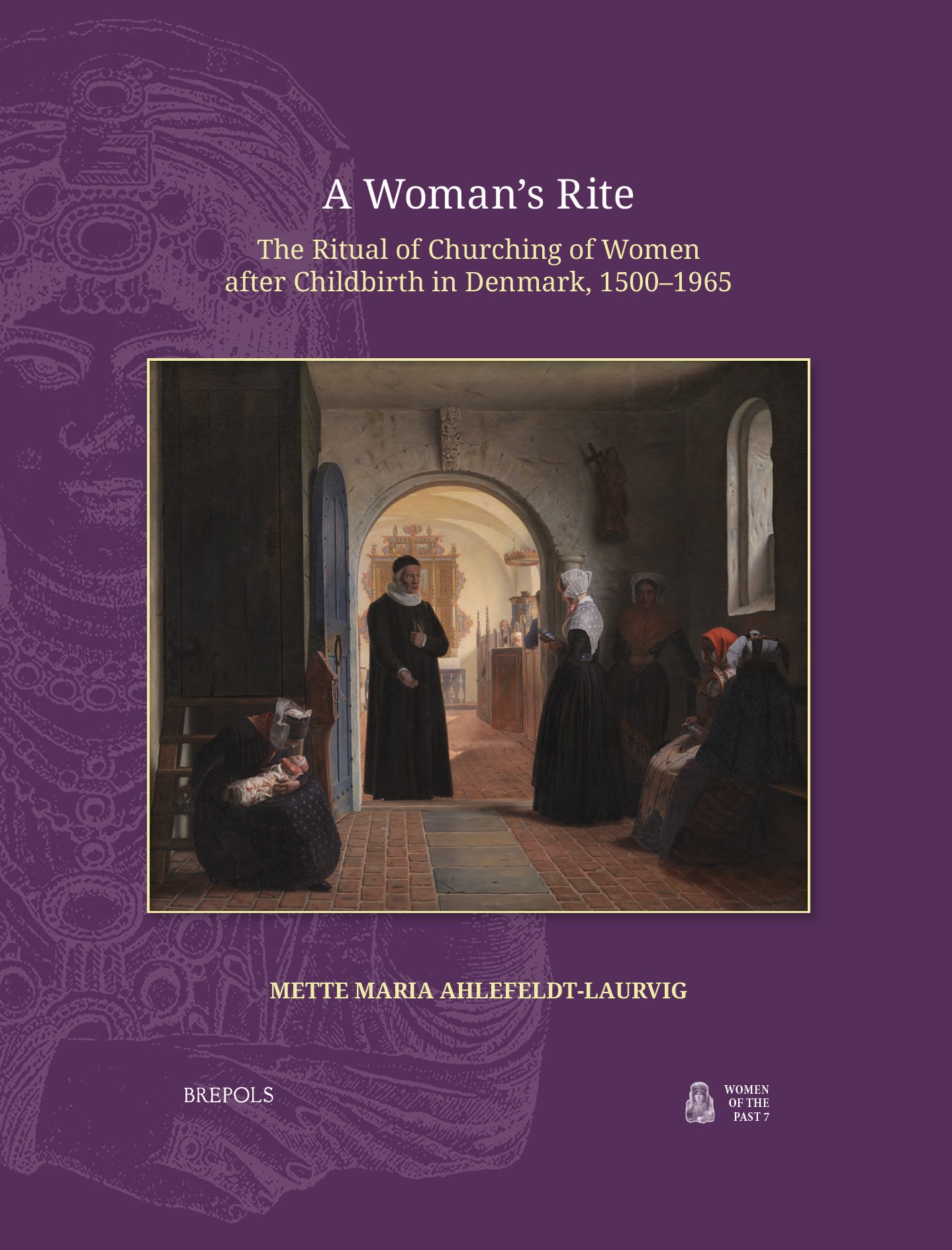


 Ars Prophetica
Theology in the Poetry of Twentieth-Century Hebrew Poets Avraham Halfi, Shin Shalom, Amir Gilboa, and T. Carmi
 As Messianism Turns to Heresy
The Regenstein Chair Lectures On Lurianic Kabbalah and Shabbatai Tzevi at Hebrew Union College - Cincinnati
 Athanasius of Alexandria, Epistula ad episcopos Aegypti et Libyae
Old Slavonic Version and English Translation
Volume 261


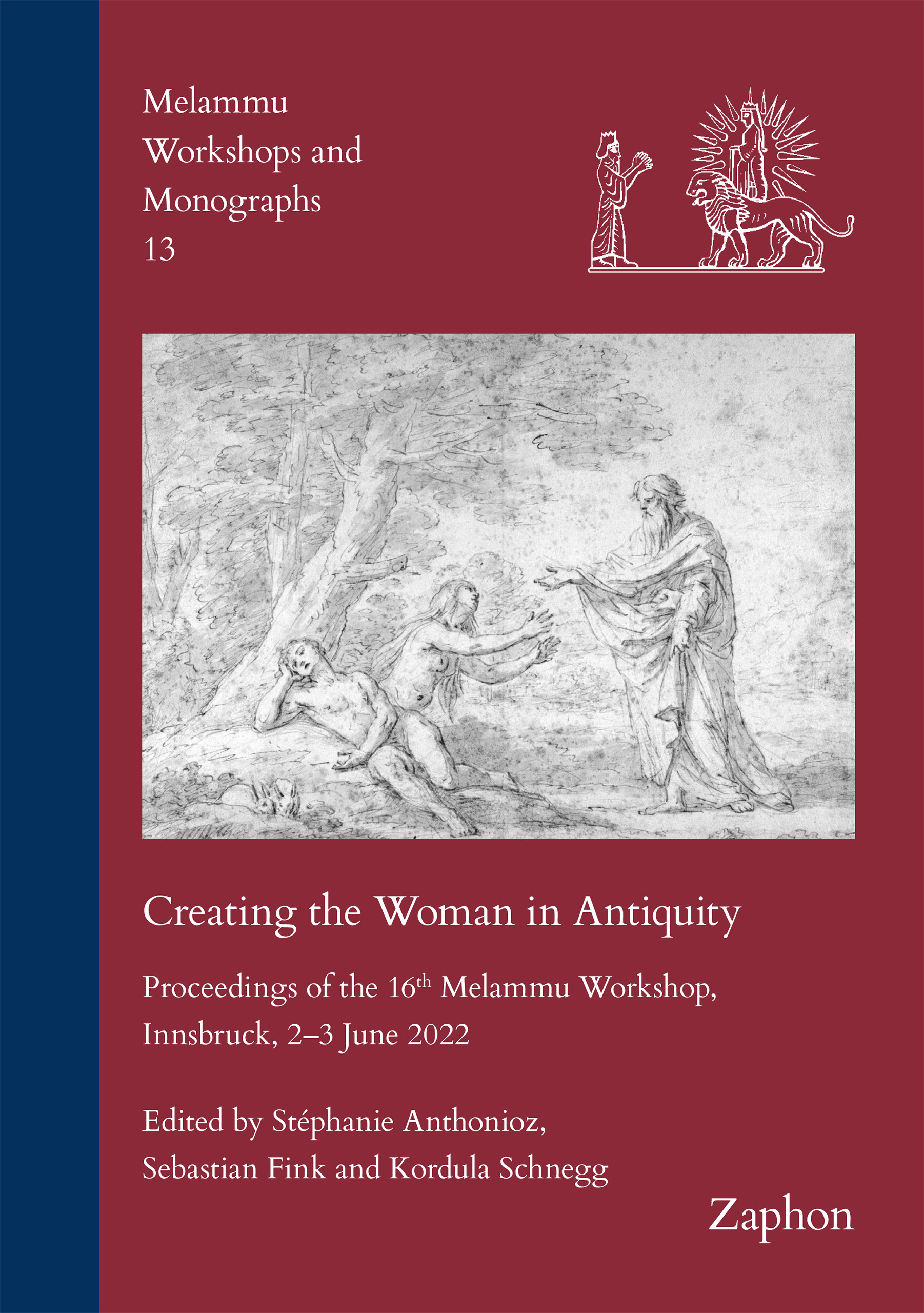 Creating the Woman in Antiquity
Proceedings of the 16th Melammu Workshop, Innsbruck, 2–3 June 2022
Volume 13
 Cyril of Alexandria’s Christological Exegesis
Explorations of Partitive Exegesis in the Dialogues on the Trinity
Volume 70

 Drunk the Potion, No Whit Charmed
The Doctrine of Pure and Perfect Souls from Iamblichus to Damascius


 Epiphanies of the Divine in the Septuagint and the New Testament
Fifth International Symposium of the Corpus Judaeo-Hellenisticum Novi Testamenti (CJHNT), 14-17 May 2015, Nottingham
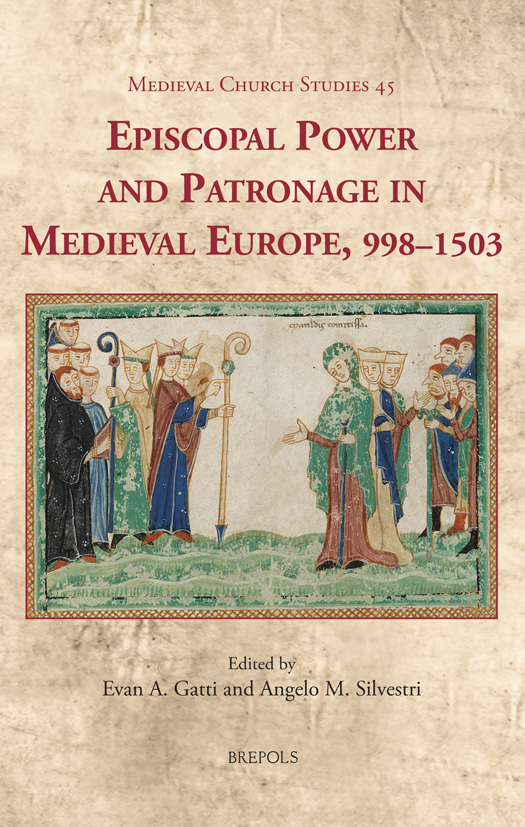


 Extracanonical Traditions and the Holy Land
Texts, Rituals, and Material Culture in Late Antique Palestine
 Fear, Fear of God, God-Fearers
Philological and Historical Perspectives on the World of Ancient Judaism and Christianity

