A global crisis?
The Mediterranean World between the 3rd and the 5th century CE
edited by Paolo Cimadomo and Dario Nappo

Paperback (Published)
(September 2022)
ISBN: 9788891322708
6.65 x 9.41 inches
Price: $250.00
On back order
The Roman Empire has been recently considered a valid case study for the application of global history and globalisation theories by Roman historians and archaeologists (Pitts and Versluys 2014, Globalisation and the Roman World: World History, Connectivity and Material Culture). This approach highlights the characteristics of the Roman Empire as an interconnected world, where numerous cultural, economic, and religious exchanges took place, creating everywhere a common cultural veneer considered as ‘Roman’. According to these theories, during the Roman period the Mediterranean knew a high level of economic, cultural, technological, juridical, and religious connection. What happened when these connections were partially interrupted by a ‘crisis’ period? This book aims to challenge the concepts of globalisation in the Roman Empire, analysing the periods of ‘crisis’ and ‘recovery’ between the 3rd and the 5th century CE. Modern scholarship usually assumes that this connectivity came to an abrupt interruption during a period of crisis (Hekster, de Kleijn and Slootjes 2007, Crises and the Roman Empire; Klooster and Kuin 2020, After the Crisis: Remembrance, Re-anchoring and Recovery in Ancient Greece and Rome). Despite abundant scholarly works on the subject, no satisfactory and shared theory of crisis exists. Combining globalisation and crisis as objects of analysis, we aim to explore whether the diverse range of trading and cultural connections – implied by globalisation theories – would continue or be disrupted once the imperial world supposedly almost collapsed. The discussion follows a number of principal themes, including the transformations of the Roman Empire, the nature of interconnections between Rome and its provinces, the creation of new forms of connection, and the development of new identities. Whether ‘crisis’ and ‘recovery’ are the appropriate words to describe these phenomena is one of our main concerns: how can we theoretically define the concepts of ‘crisis’ and ‘recovery’? How were these two concepts related to each other? Shall we use these terms to define the phenomena that affected the Roman Empire between the 3rd and the 5th century CE? Despite being apparently opposite phenomena, crisis and connectivity were both characterising the later phase of the Roman Empire. Our aim is to collect a number of essays that will address these complex phenomena from different points of view. Contributions may regard, but are not limited to: Economics, politics, military issues, material and immaterial connections across the Roman Empire; analysis of changes in these areas and how fast they happened; finally, whether globalisation and crisis were two phenomena mirroring each other and to what extent was (or was not) a global empire more prone to experience a global crisis.
- Edited by Paolo Cimadomo
- Edited by Dario Nappo
Other Titles in this Series


Similar Books

 Caesar’s Visions and Impact on the Roman Empire
Revisiting the Archaeological and Historical Record of the 40s BC
Volume 2



 Drunk the Potion, No Whit Charmed
The Doctrine of Pure and Perfect Souls from Iamblichus to Damascius

 Epiphanies of the Divine in the Septuagint and the New Testament
Fifth International Symposium of the Corpus Judaeo-Hellenisticum Novi Testamenti (CJHNT), 14-17 May 2015, Nottingham


 Etruscan and Roman Hellenistic Anatomical ex votos
Reassessing Popular Religious Expressions in Central Italy
Volume 8



 Invisible Labour in Antiquity
Visualizing Obscure Work in the Ancient Mediterannean and West Asia
Volume 1
 Language and Power in the Roman Empire and Early India
Hierarchy, Ambiguity, and the Art of Reading the Signs in Cosmopolitan Cultures
 Late Antique villae in the Balkans (3rd–7th c. AD): Current Research Questions and Perspectives
HAEMUS Companion to the Late Antique Balkans 1
Volume 4

 Nurturing the Elite
Representations of Drinking, Eating, and Religious Vessels in Palmyrene Funerary Iconography
Volume 13


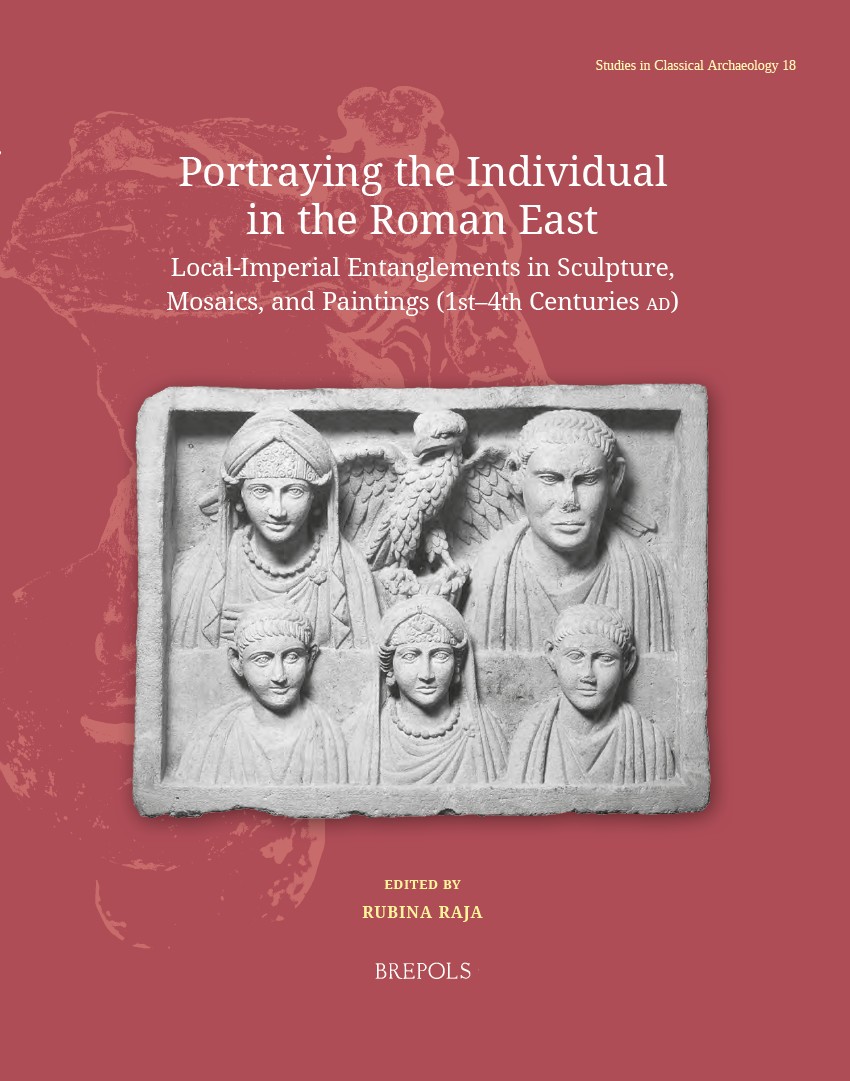 Portraying the Individual in the Roman East
Local–Imperial Entanglements in Sculpture, Mosaics, and Paintings (First–Fourth Centuries AD)
Volume 18

 Small Worlds and Relational Agencies: Local Societies in Early Medieval Iberia
Pequeños mundos y Agencias relacionales: Sociedades locales altomedievales en la Península Ibérica
 The Compositional History of the Book of Kings
An Analysis of the Evaluative Frameworks in 1 Kings 14–2 Kings 25

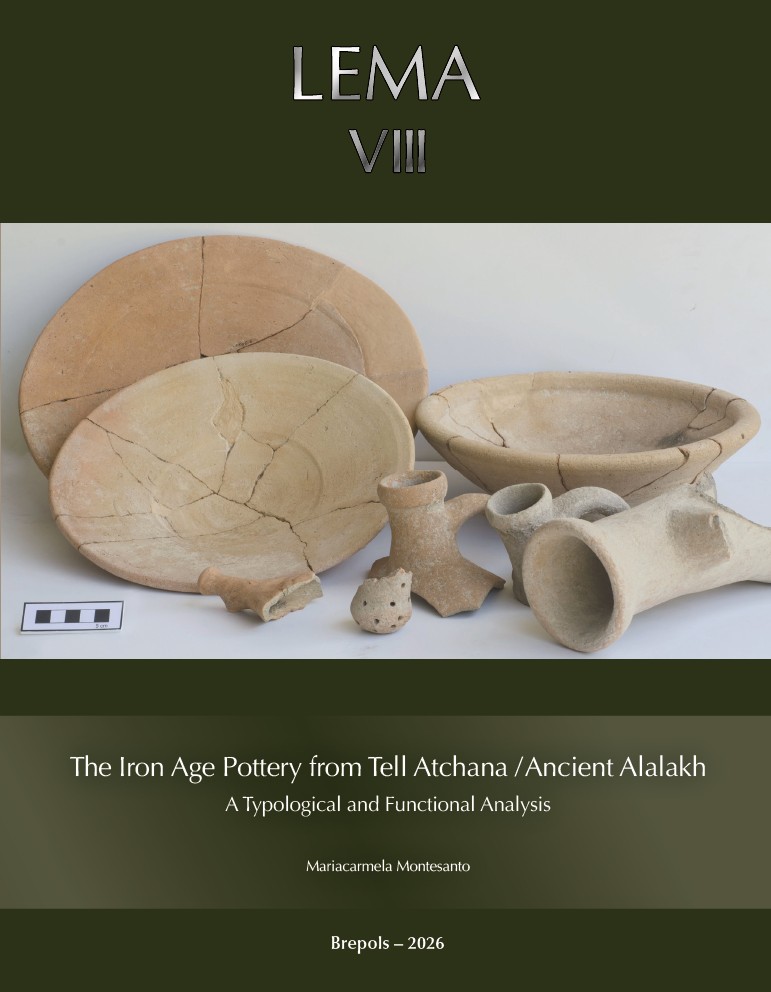 The Iron Age Pottery from Tell Atchana / Ancient Alalakh
A Typological and Functional Analysis
Volume 8
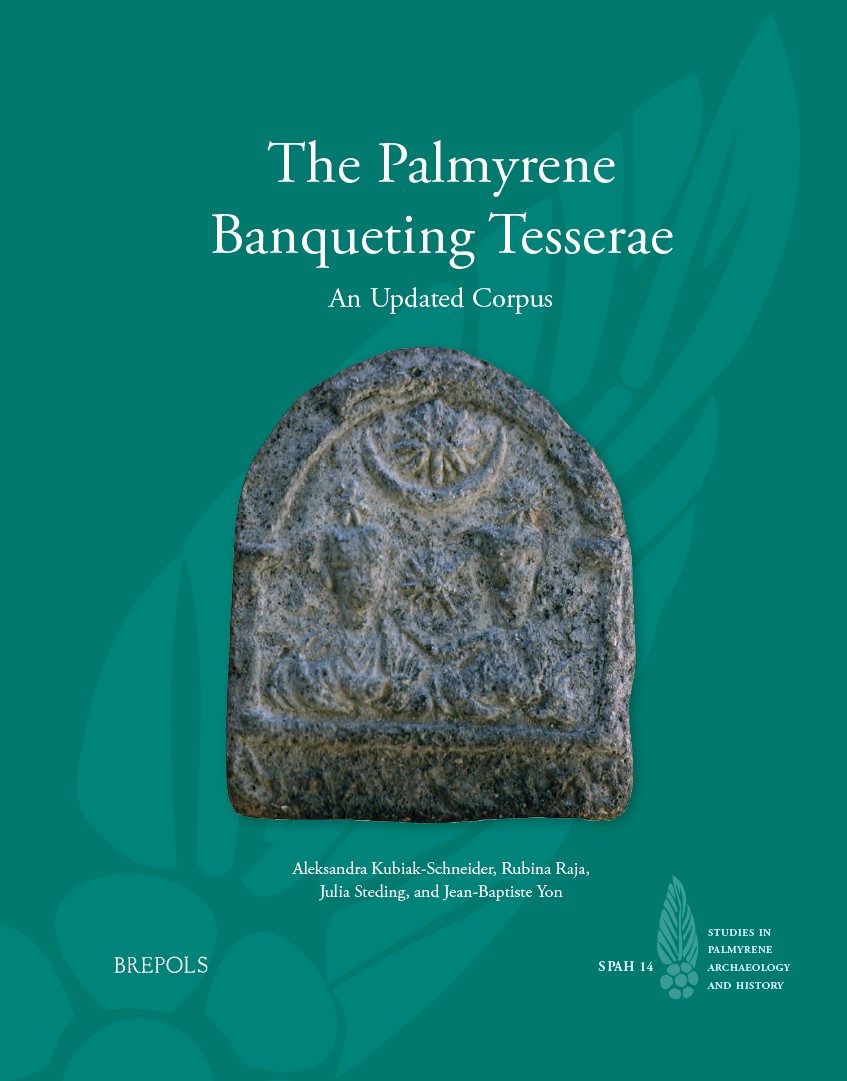

 Writing in the Church of the Nativity in Bethlehem
Inscription and Graffiti in a Multilingual and Multigraphic Perspective
Volume 45
 Contesting Labeled Identities
The Sociology of Gentilics in Biblical and Northwest Semitic Literature