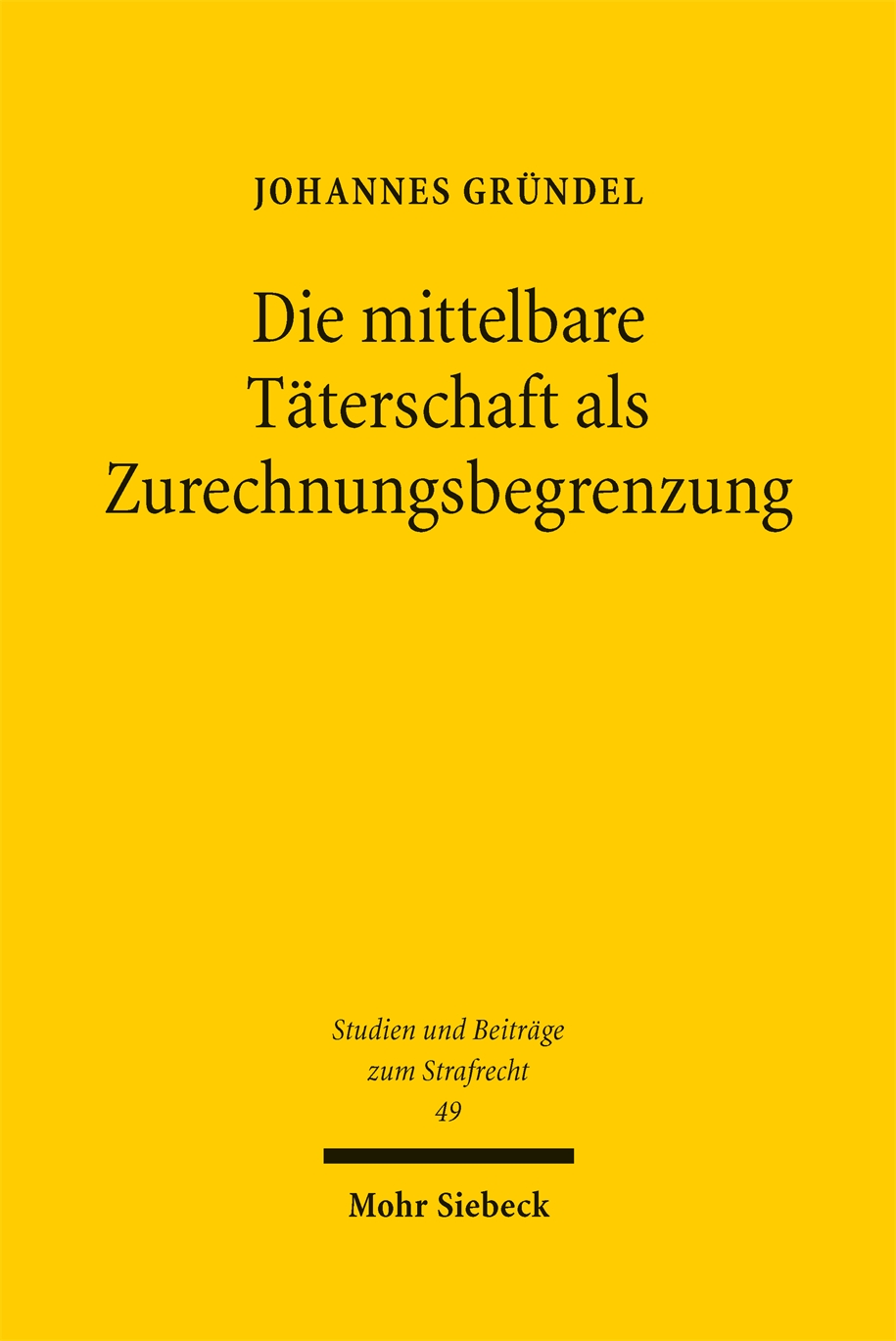
Stichwort: Kooperation
Keiner ist alleine schlau genug
Contributions by Wang Hui Contributions by Alexander Kluge Contributions by Lutz Koepnick Contributions by Jürgen Büssow Contributions by Paul Giani Contributions by Florian Wobser Contributions by Barbara Potthast Contributions by Vincent Pauval Contributions by Christian Schulte Contributions by Philipp Ekardt Contributions by Tara Hottman Contributions by Dong Bingfeng Contributions by Jane de Almeida Contributions by Lena Reinhardt Contributions by Elisa Risi Contributions by Katharina Müller Contributions by Emma Woelk Contributions by Karl Bruckmaier Contributions by Herbert Holl Contributions by Christoph Keese Contributions by Wolfram Ette Contributions by Winfried Siebers Contributions by Rainer Stollmann Contributions by Thomas Combrink Contributions by Gunther Martens Edited by Rainer Stollmann Edited by Thomas Combrink Edited by Gunther Martens

Paperback (Published)
(September 2017)
ISBN: 9783847107491
6.1 x 9.13 inches
Price: $50.00
In stock
Die Hauptquelle, auf die Kluges kooperative Arbeitshaltung und seine Wertschatzung der Kooperation zuruckgehen, ist Marx. Dieser spricht im Kapital von den animal spirits, den Lebensgeistern. Sie erwachen, wenn Menschen raumlich zusammen sind. So ist schon ein Publikum keinesfalls die blosse Summe von Einzelnen. Das Wichtigste geschieht zwischen den Menschen, denn: Keiner ist alleine schlau genug. Kooperation gibt es aber auch in ihnen: Ich denke, weil ich davon absehen kann, dass ich bin. Ich bin namlich keineswegs allein, sondern in mir sind die anderen, und die denken unaufhorlich, weil das ihre Notwehrform ist.
Marx speaks in “Das Kapital” of the “animal spirits”, the “spirits of life”. They awaken when people are together spatially. Thus, an audience is by no means a mere sum of individuals. The most important things happen between people, because: “No one person who stands alone is smart enough”. “Cooperation” is also within them: “I think I am, because I can ignore it. I am actually by no means alone; others are within me, and they think incessantly, because that is their form of self-defence.” In Alexander Kluge’s conceptual inventory as well as in his practical work, “cooperation” is one of the most important key words to be noted. This will be the focal point of the 2017 Yearbook.
Dr. Rainer Stollmann war bis 2012 Professor fur Kulturgeschichte an der Universitat Bremen. Thomas Combrink ist Literaturwissenschaftler und Mitarbeiter von Alexander Kluge. Dr. Gunther Martens ist Forschungsprofessor fur deutsche Literaturwissenschaft am Institut fur deutsche Sprache und Literatur der Universitat Gent, Belgien.
- Contributions by Wang Hui
- Contributions by Alexander Kluge
- Contributions by Lutz Koepnick
- Contributions by Jürgen Büssow
- Contributions by Paul Giani
- Contributions by Florian Wobser
- Contributions by Barbara Potthast
- Contributions by Vincent Pauval
- Contributions by Christian Schulte
- Contributions by Philipp Ekardt
- Contributions by Tara Hottman
- Contributions by Dong Bingfeng
- Contributions by Jane de Almeida
- Contributions by Lena Reinhardt
- Contributions by Elisa Risi
- Contributions by Katharina Müller
- Contributions by Emma Woelk
- Contributions by Karl Bruckmaier
- Contributions by Herbert Holl
- Contributions by Christoph Keese
- Contributions by Wolfram Ette
- Contributions by Winfried Siebers
- Contributions by Rainer Stollmann
- Contributions by Thomas Combrink
- Contributions by Gunther Martens
- Edited by Rainer Stollmann
- Edited by Thomas Combrink
- Edited by Gunther Martens
Other Titles in this Series




Similar Books


 Drunk the Potion, No Whit Charmed
The Doctrine of Pure and Perfect Souls from Iamblichus to Damascius
 Éthique, politique, religions
Superstition (XVIIe - XXIe siècles). Sémantique, histoires et cultures


 La Lettre clandestine
La littérature philosophique clandestine, ses éditeurs et ses éditions
Volume 34
 Libertinage et philosophie à l’époque classique (XVIe-XVIIIe siècle)
Athéisme, Modernité et Sécularisation / Atheism, Modernity and Secularization
Volume 23


 Political Thought and Eleventh-Century Populism
The Meek, the Many, and the Meritorious during the Age of the Gregorian Reform
Volume 38


 The Latin Hermes in Translation
Asclepius, Glosses on Trismegistus, Book of Six Principles of Things, Book of 24 Philosophers
Volume 50



 ‘Emergente Evolution’?
Fallstudien zur philosophischen Rekonstruktion und schopfungstheologischen Rezeption eines naturalistischen Paradigmas
Volume 40
 Al-Ğābirīs Genese und Kritik der Arabischen Vernunft
On Genesis and Critique of Arab Reason by Muḥammed ʿĀbid al-Ğābirī


 Das Dasein und das isolierte Subjekt
Die Frage der philosophischen Selbstinterpretation des Menschen bei Heidegger


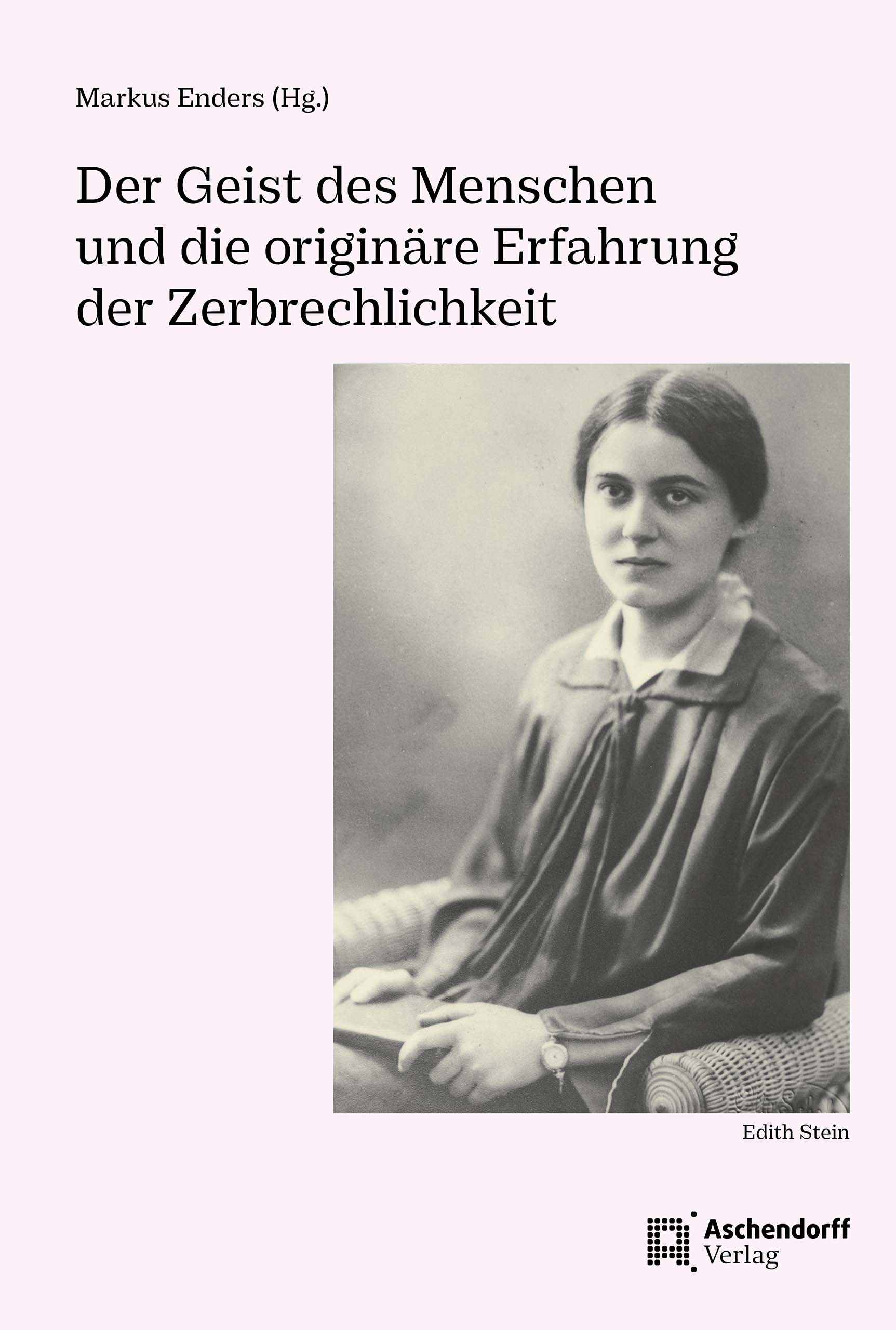 Der Geist des Menschen und die originäre Erfahrung der Zerbrechlichkeit
Eine philosophisch-theologische Grundlegung nach Edith Stein im Dialog mit der medizinischen Anthropologie und der existentiellen Psychologie