
Knochen- und Zahnfunde im Indusgebiet
Betrachtungen zur Abgrenzung des Fruh- und Reif-Harappa-Komplexes und seines sudasiatischen Umfeldes
by Ralph Lubbe

Paperback (Published)
(July 2017)
ISBN: 9783935012232
8.27 x 11.42 inches
Price: $25.00
In stock
In the Neolithic and Chalcolithic periods as well as in the Bronze Age the culture of the Indus valley is among the first urban high cultures. Its surface area exceeds that of Egypt and Mesopotamia taken together. The largest cities were at a distance of up to 200 km from each other, while Mesopotamian towns were often just 20 km apart. As the early phases are usually compared to the Sumerian and Akkadian cultures, the respective research is pursued not within the discipline of Indology but is subsumed under Near Eastern Archaeology. So far the focus has been on writing and the material culture; an approach from the view-point of human biology and anthropology would provide a new understanding. It is too little known that excavations of this third high culture of Antiquity have brought to light a great variety of bones and teeth. Analyses of these finds allow an insight into continuity and breaks in the development of civilization. The osteological analysis of bones and teeth allows to draw a picture of the way of living, the customary diet, the preparation of food, hygiene, identity and the standard of living. One has just begun to call in the assistance of genetics and molecular biology. Disease pictures have been described that will be of interest to epidemiologists. Exemplary disease symptoms and recognizable causalities offer explanations for sequential processes and socio-biological connections. Linguistic observation cannot offer explanations for population leaps. It may, on the contrary, be more to the point to try and explain transmitted events (Aryan invasion, Rigveda) with the help of anthropometrics and gene pools. In periods of transition the development of homo sapiens in South Asia is marked by negative adaptation of stress; a reduced diet and diminished robustness are consequences of the farmer’s increased dependence on carbo-hydrates compared to that of the hunter/gatherer. Mobility and a lower exposure to germs lie, to this day, at the bottom of a high “tribal share”. Questions need to be answered concerning the beginning and the end of the high culture, preceding cultures have to be defined but also factors hastening the decline, such as tectonic events, lack of rain and monsoon or the salinization of arable soil. Modern tribal structures and strict caste rules prescribing endogamy are helpful for the analysis: they allow for hypotheses based on the limited exchange of gene pools among the population groups. In Neolithic societies, in Egypt and Babylonia war was omnipresent. Harappa in its heyday appears remarkably peaceful: no walls, no finds of weapons, no lesions on the bones. The high level of civilization (“water luxury”) will be described as part of the historical development of rise and decline. It is worthwhile to give the osteological material – “thinner” in comparison with European material – a much closer look and develop surprising hypotheses. The study is meant as a concentrated but comprehensive overview about the state of the findings, from the standpoint of a medical man and a historian of the Ancient Near East. By the way, a German study of the palaeo-pathology of South Asia is still lacking.
- By (author) Ralph Lubbe
Similar Books






 Boğazköy Tablets in the Museum of Anatolian Civilizations (Bo 9032–Bo 9097)
Anadolu Medeniyetleri Müzesinde Bulunan Boğazköy Tabletleri (Bo 9032–Bo 9097)
Volume 4

 Connecting the Dots: Counting, Writing, and the Beginnings of Civilization
The Secret Lives of Clay Tokens: A Memoir

 Creating the Woman in Antiquity
Proceedings of the 16th Melammu Workshop, Innsbruck, 2–3 June 2022
Volume 13
 Curating the Prehistoric Past
Studies on West Asian Archaeology and Beyond in Honour of Yoshihiro Nishiaki


 Exploring Gender Dynamics across the Ancient Near East
Collected Essays of Gender and Methodology in the Ancient Near East (GeMANE) 4 and 5
Volume 7


 Ḫattušaš utnē išḫameški
Hittite and Other Ancient Near Eastern Studies Presented to Piotr Taracha on the Occasion of His 65th Birthday





 Kultur – Kontakt – Kultur
Beiträge anlässlich der 66. Rencontre Assyriologique Internationale in Frankfurt/Main und Mainz, 25.–29. Juli 2022
Volume 35

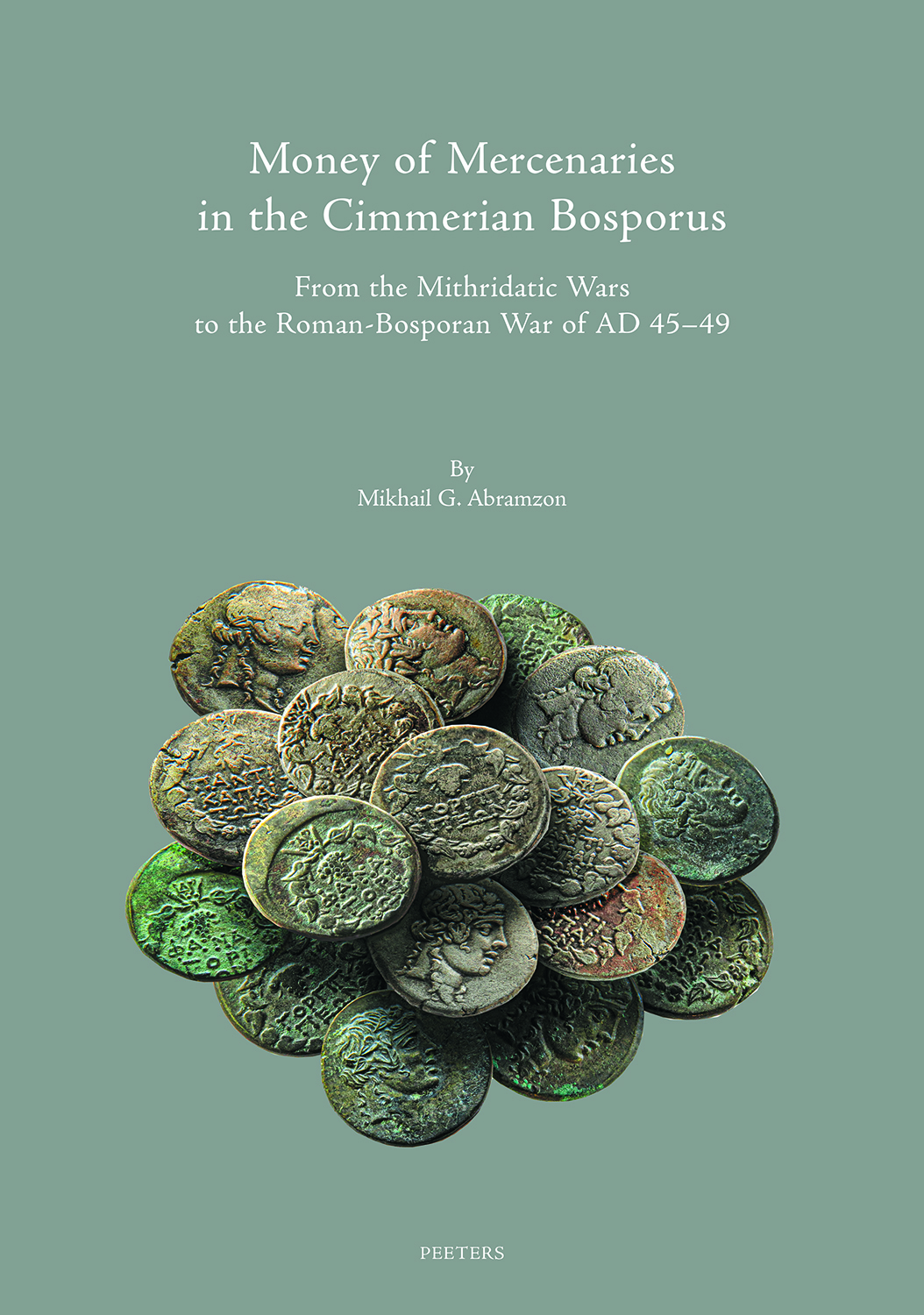 Money of Mercenaries in the Cimmerian Bosporus
From the Mithridatic Wars to the Roman-Bosporan War of AD 45-49
Volume 45

 New Research on Old Collections in Southwest Asian Archaeology
Proceedings of the Workshop Held at the British Museum, London, 31 July – 2 August, 2023
 Old Aramaic Inscriptions and their Contexts
An Epigraphic, Archaeological, and Historical Synthesis
Volume 63


 Politics, Peoples, and Polities in the Ancient Near East
Proceedings of the 69th Rencontre Assyriologique Internationale, Helsinki
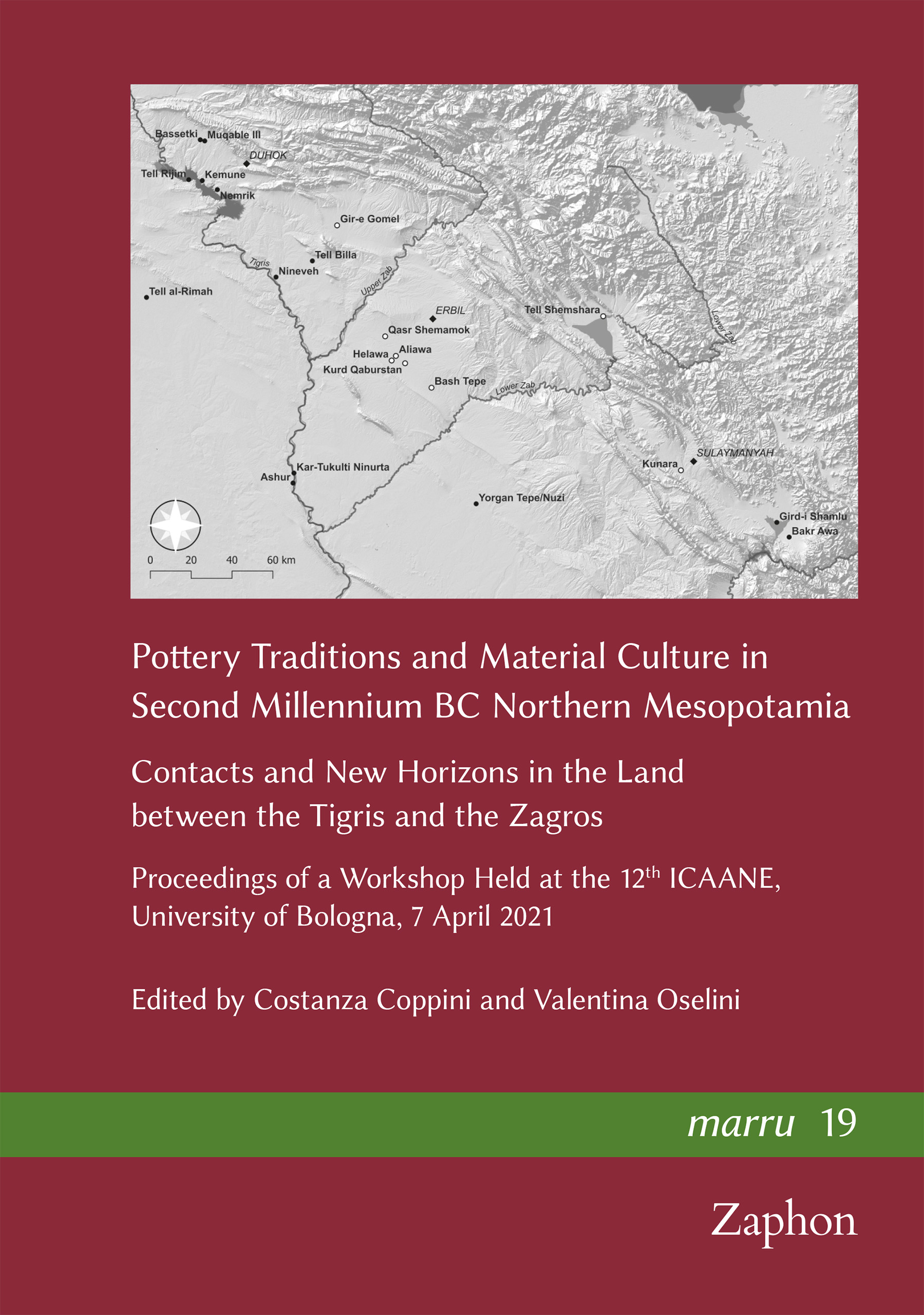 Pottery Traditions and Material Culture in Second Millennium BC Northern Mesopotamia
Contacts and New Horizons in the Land between the Tigris and the Zagros. Proceedings of a Workshop Held at the 12th ICAANE, University of Bologna, 7 April 2021
Volume 19
 Punning in Odd or Elegant Constructions in Jeremiah
The Convergence of Linguistics, Rhetoric, and Textuality in the Hebrew Text of Jeremiah
