
Continuity and Change in Etruscan Domestic Architecture
By (author) Paul M. Miller

Paperback (Published)
(April 2017)
ISBN: 9781784915803
7.99 x 10.91 inches
Price: $60.00
In stock
Etruscan architecture underwent various changes between the later Iron Age and the Archaic period. This book reconsiders these changes by focusing on the building materials and techniques used in the construction of domestic structures.
Etruscan architecture underwent various changes between the later Iron Age and the Archaic period (c. 800-500 BC), as seen in the evidence from several sites. These changes affected the design and style of domestic architecture as well as the use of raw materials and construction techniques. However, based on a supposed linear progression from inferior to superior building materials, explanations and interpretations often portray an architectural transition in Etruria from ‘prehistoric’ to ‘historic’ building types. This perspective has encouraged a rather deterministic, overly simplified and inequitable view of the causes of change in which the replacement of traditional materials with new ones is thought to have been the main factor. This book aims to reconsider the nature of architectural changes in this period by focussing on the building materials and techniques used in the construction of domestic structures. Through a process of identification and interpretation using comparative analysis and an approach based on the chaine operatoire perspective, changes in building materials and techniques are examined, with special reference to four key sites: San Giovenale, Acquarossa, Poggio Civitate (Murlo) and Lago dell’Accesa. It is argued that changes occurred in neither a synchronous nor a linear way, but separately and at irregular intervals. In this monograph, they are interpreted as resulting mainly from multigenerational habitual changes, reflecting the relationship between human behaviour and the built and natural environments, rather than choices between old and new materials. Moreover, despite some innovations, certain traditional building techniques and their associated materials continued into the Archaic period, indicating that Etruscan domestic architecture did not undergo a complete transformation, as sometimes asserted or implied in other works. This study of building techniques and materials, while not rejecting the widely held view of a significant Etruscan architectural transition, argues for a more nuanced reading of the evidence and greater recognition of the nature of behavioural change during the period in question.
- By (author) Paul M. Miller
Similar Books


 Behind the Scenes of Medieval Roofs
An Overview of the Roofing Systems of Italian Churches
Volume 90
 Caesar’s Visions and Impact on the Roman Empire
Revisiting the Archaeological and Historical Record of the 40s BC
Volume 2

 Circulation, Use, Impact
The Consumption of Architectural Books in the Early Modern Eastern Adriatic
Volume 1


 Etruscan and Roman Hellenistic Anatomical ex votos
Reassessing Popular Religious Expressions in Central Italy
Volume 8



 Invisible Labour in Antiquity
Visualizing Obscure Work in the Ancient Mediterannean and West Asia
Volume 1
 Late Antique villae in the Balkans (3rd–7th c. AD): Current Research Questions and Perspectives
HAEMUS Companion to the Late Antique Balkans 1
Volume 4


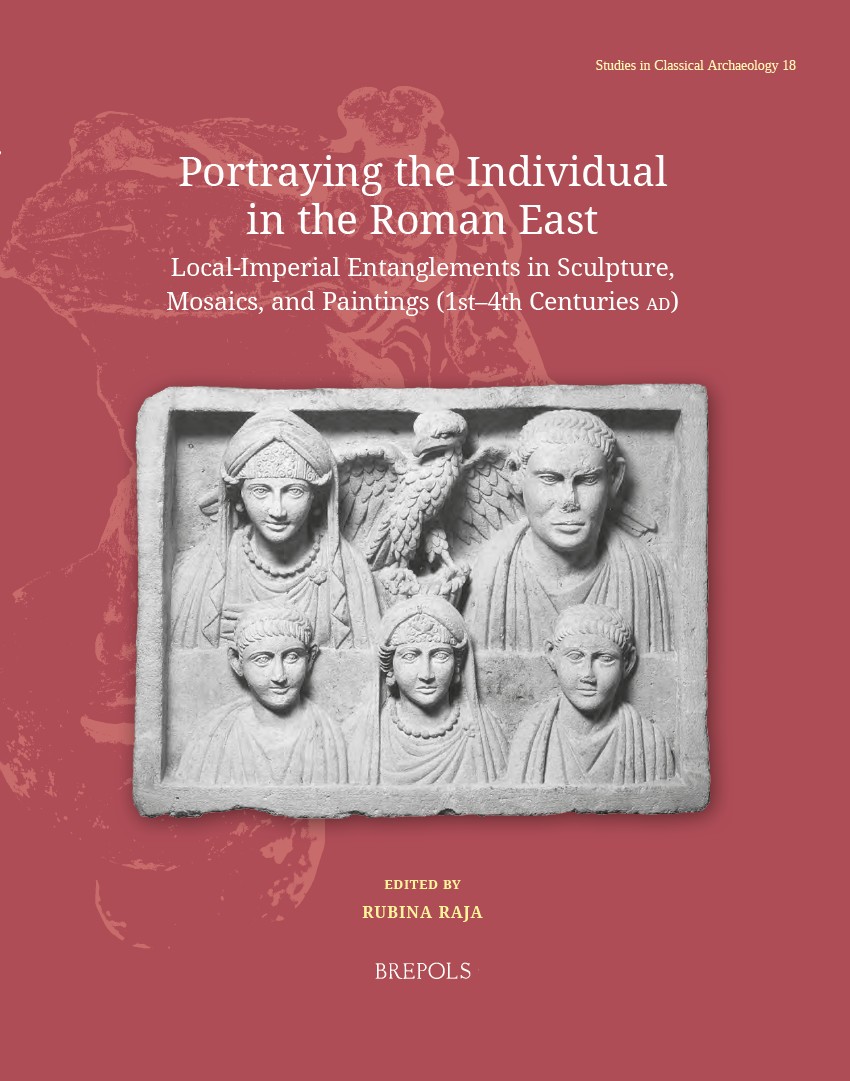 Portraying the Individual in the Roman East
Local–Imperial Entanglements in Sculpture, Mosaics, and Paintings (First–Fourth Centuries AD)
Volume 18

 Small Worlds and Relational Agencies: Local Societies in Early Medieval Iberia
Pequeños mundos y Agencias relacionales: Sociedades locales altomedievales en la Península Ibérica


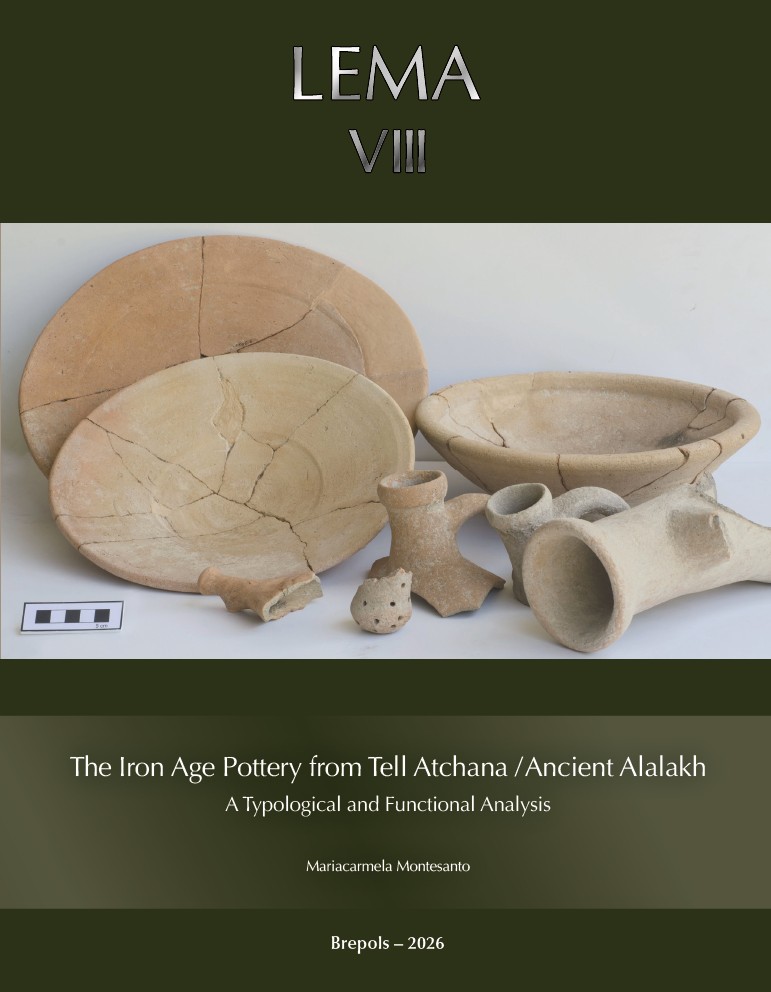 The Iron Age Pottery from Tell Atchana / Ancient Alalakh
A Typological and Functional Analysis
Volume 8


 Visual Memory and Oblivion
Monuments and Conflicts in Urban Spaces in Central and Eastern Europe from the Nineteenth Century to the Present Day

 Writing in the Church of the Nativity in Bethlehem
Inscription and Graffiti in a Multilingual and Multigraphic Perspective
Volume 45


 Atlante tematico di topografia antica 36-2026
Urbanistica e monumenti, porti, Roma. Ricerche sui monti Aurunci
Volume 36
 Cerámica común romana y ciclo haliéutico
Análisis de los contextos de las cetariae de Iulia Traducta
 Die Entwicklung erdbebensicherer Bautechniken in der Frühen und Mittleren Eisenzeit in Ostanatolien
Volume 11

 La chiesa di San Francesco grande e l’ospedale antico di Padova
Archeologia Storia Arte Architettura e Restauri
Volume 8