
Journeys for a Witness
My Work as a Photographer for the United Nations: 1960s-1980s
by Florita Botts, edited by Elisabetta Bini

Paperback (Published)
(January 2020)
ISBN: 9788833132884
Price: $46.00
On back order
Florita Botts worked for over twenty-five years for the Food and Agricultural Organization (FAO) of the United Nations. This book recounts her personal and professional journey through ten different projects she was involved in between the 1960s and the 1980s. Its aim, to describe – and partly denounce – the inner workings of one of the largest agencies devoted to international development in the world during the most intense phases of decolonization. For most of her successful career, Florita Botts was one of the few women in the field. She often operated in strenuous conditions, carrying loads of equipment across the most remote regions of the world. She used photography partly to document FAO’s projects, but mostly as an educational tool to help extension agents improve their teaching techniques. She strove to always find the best way to explain complex topics to untrained people and encourage their participation in the learning process. Florita Botts might well embody the category of the “concerned photographer,” a term used to describe those professionals whose work aims to educate and change the world, not just document it. Born in 1927 to a Russian baroness and an American businessman, Florita Botts was raised between Mexico, Arizona and California, and received an education in literature and music. Before becoming a photographer for FAO, she was a copy editor in New York City, a social worker in Mexico, and an expert in community development in Italy.
Florita Botts worked for over twenty-five years for the Food and Agricultural Organization (FAO) of the United Nations. This book recounts her personal and professional journey through ten different projects she was involved in between the 1960s and the 1980s. Its aim, to describe – and partly denounce – the inner workings of one of the largest agencies devoted to international development in the world during the most intense phases of decolonization. For most of her successful career, Florita Botts was one of the few women in the field. She often operated in strenuous conditions, carrying loads of equipment across the most remote regions of the world. She used photography partly to document FAO’s projects, but mostly as an educational tool to help extension agents improve their teaching techniques. She strove to always find the best way to explain complex topics to untrained people and encourage their participation in the learning process. Florita Botts might well embody the category of the “concerned photographer,” a term used to describe those professionals whose work aims to educate and change the world, not just document it. Born in 1927 to a Russian baroness and an American businessman, Florita Botts was raised between Mexico, Arizona and California, and received an education in literature and music. Before becoming a photographer for FAO, she was a copy editor in New York City, a social worker in Mexico, and an expert in community development in Italy.
- By (author) Florita Botts
- Edited by Elisabetta Bini
Other Titles in this Series


 Storia di un diplomatico
Luca Pietromarchi al Regio Ministero degli Affari Esteri (1923-1945)
Volume 3
Similar Books


 As Messianism Turns to Heresy
The Regenstein Chair Lectures On Lurianic Kabbalah and Shabbatai Tzevi at Hebrew Union College - Cincinnati

 Beyond Sovereign Courts
Agents and Practices in Early Modern Spanish and Habsburg Diplomacy
Volume 3




 Dis/United States of Vulnerability
Literary and Cultural Transgressions in U.S. Poetry Since the 1960s
Volume 330


 European Drama and Performance Studies
Dramatisations politiques. Théâtre, politique et idéologie au XIXe siècle (1806-1914)
Volume 27

 Food Security under Armed Conflict
Global Knowledge Landscape and Public Attention to Social, Economic, and Humanitarian Dimensions


 Innovationes Lovanienses: Arts, Law and Theology at the University of Louvain (1425–1797)
Studium Lovaniense: Learning across Borders, 2
Volume 18


 Modernization, Crises, Cultural Revolutions
Yugoslavia’s 1960s and 1970s through the amateur film lens
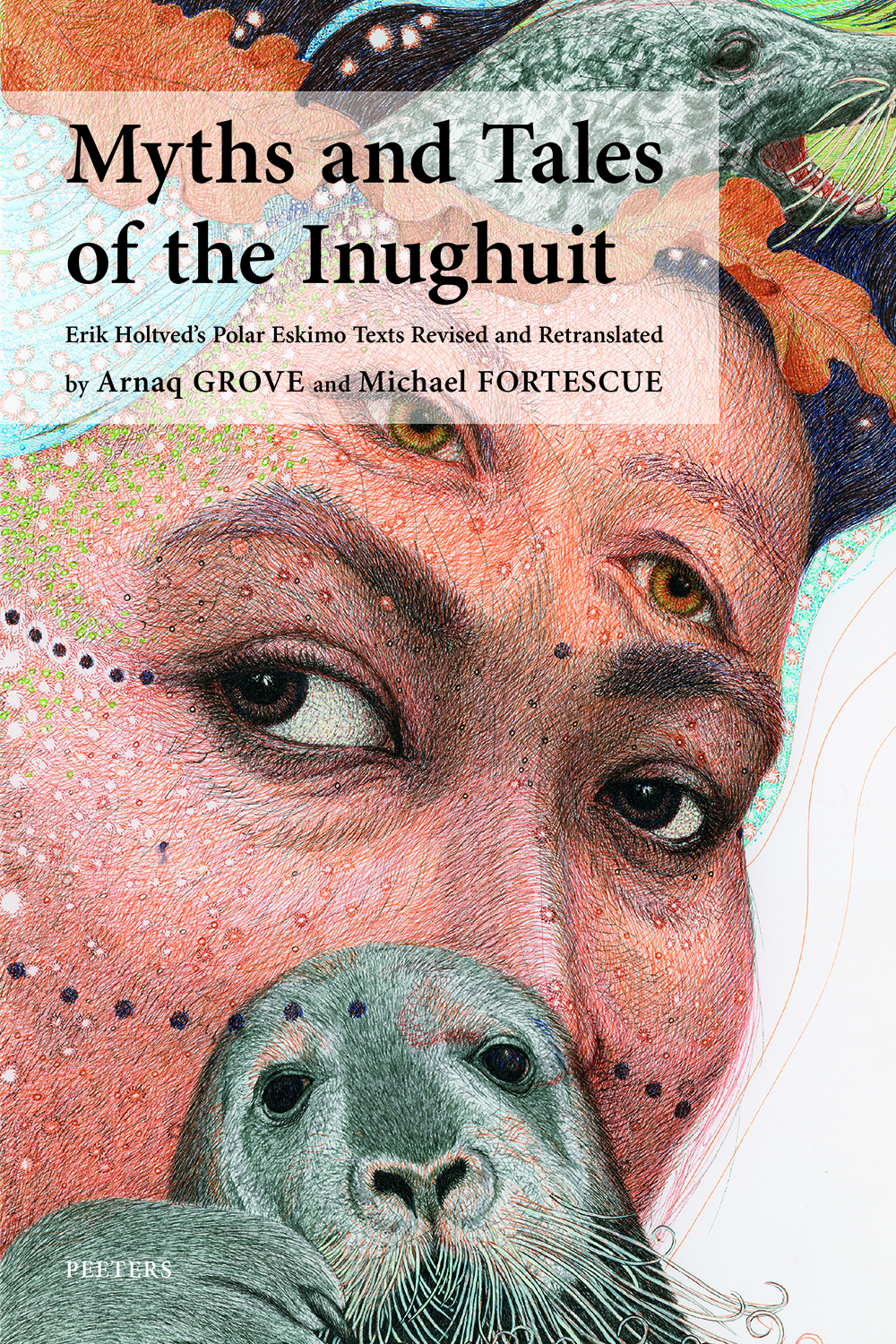 Myths and Tales of the Inughuit
Erik Holtved's Polar Eskimo Texts Revised and Re-translated into Danish and English
Volume 475, 12


 Students, Scholars and Their Books at the University of Louvain (1425-1797)
Studium Lovaniense: Learning across Borders, 1
Volume 17