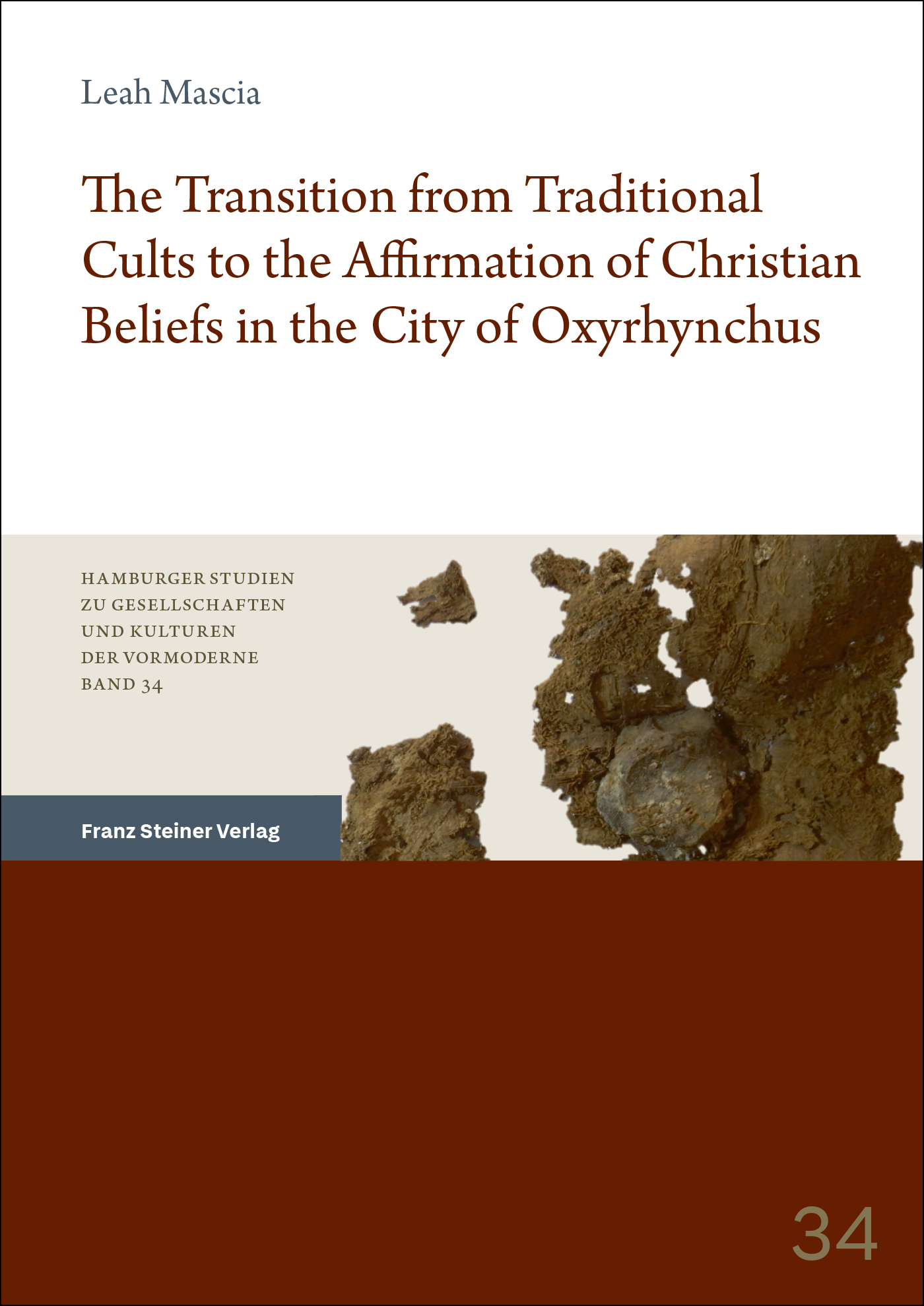
Understanding Lithic Recycling at the Late Lower Palaeolithic Qesem Cave, Israel
A functional and chemical investigation of small flakes
By (author) Flavia Venditti

Paperback (Published)
(March 2019)
ISBN: 9781789691016
8.07 x 11.46 inches
Price: $56.00
In stock
Qesem Cave (Israel) acts here as a case study to explore two important topics from the Middle Pleistocene: the practice of recycling old discarded flakes for the production of new objects by means of recycling, and the production of flakes and tools of small dimensions-topics that have not gained sufficient attention from the scienti
Flakes, and small flakes in particular, are usually seen as by-products or debris of the knapping process, rather than as desired end-products with a specific potential use. In recent years, this particular category of small tools has attracted increasing interest among researchers, especially when focusing on technological aspects in Lower Palaeolithic contexts, while the functional role of these tools is still poorly investigated. ‘Understanding Lithic Recycling at the Late Lower Palaeolithic Qesem Cave, Israel: A functional and chemical investigation of small flakes’ examines Late Lower Palaeolithic Qesem Cave, Israel, where a particular lithic trajectory directed towards the production of small flakes by means of recycling and exploiting old discarded flakes as cores has been recognised. The high density of this production throughout the stratigraphic sequence of the cave demonstrates that this was a conscious and planned technological choice aimed at providing small and sharp items to meet specific functional behaviours, and that this lithic behaviour persisted for some 200 kyr of human use of the cave. The exceptional conservation of use-wear signs and residues has made it possible to reconstruct the functional role of this specific production system, highlighting its specialised nature mostly related to the processing of the animal carcasses through accurate and careful actions and in a very specific way. The application of functional analysis based on the determination of wear on artefacts by means of optical light microscope, scanning electron microscopy and chemical analysis (FTIR and EDX), provides a useful and effective approach for understanding the adaptive strategies of the Qesem Cave hominins while facing various situations and solving different needs.
FLAVIA VENDITTI is currently a post-doctoral fellow at the University of Tel Aviv, Israel. She specialises in the functional analysis of quartz and flint lithic tool production and has a particular interest in Palaeolithic assemblages. During her MA studies, she started working in the field of use-wear analysis under the supervision of Professor Cristina Lemorini at University of Rome ‘La Sapienza’. She focused her research on the use-wear study of a quartz assemblage form the Middle Palaeolithic site of Coudouolous in Quercy (France). Subsequently, she attended a two-years Masters class in Archaeological Heritage at University of Rome ‘La Sapienza’ and completed her dissertation on the effects of the mechanical postdepositional alteration on quartz artifacts coming from Neolithic sites of the Sai Island (Sudan). Flavia completed her doctorate in 2017 with a research project on the functional analysis of the products of recycling from the Lower Palaeolithic Qesem Cave site in the Levant. She is a member of the Qesem Cave team project taking part in the annual archaeological excavations on the site.
- By (author) Flavia Venditti
Similar Books





 Boğazköy Tablets in the Museum of Anatolian Civilizations (Bo 9032–Bo 9097)
Anadolu Medeniyetleri Müzesinde Bulunan Boğazköy Tabletleri (Bo 9032–Bo 9097)
Volume 4
 Connecting the Dots: Counting, Writing, and the Beginnings of Civilization
The Secret Lives of Clay Tokens: A Memoir

 Curating the Prehistoric Past
Studies on West Asian Archaeology and Beyond in Honour of Yoshihiro Nishiaki

 Exploring Gender Dynamics across the Ancient Near East
Collected Essays of Gender and Methodology in the Ancient Near East (GeMANE) 4 and 5
Volume 7


 Ḫattušaš utnē išḫameški
Hittite and Other Ancient Near Eastern Studies Presented to Piotr Taracha on the Occasion of His 65th Birthday




 Kultur – Kontakt – Kultur
Beiträge anlässlich der 66. Rencontre Assyriologique Internationale in Frankfurt/Main und Mainz, 25.–29. Juli 2022
Volume 35
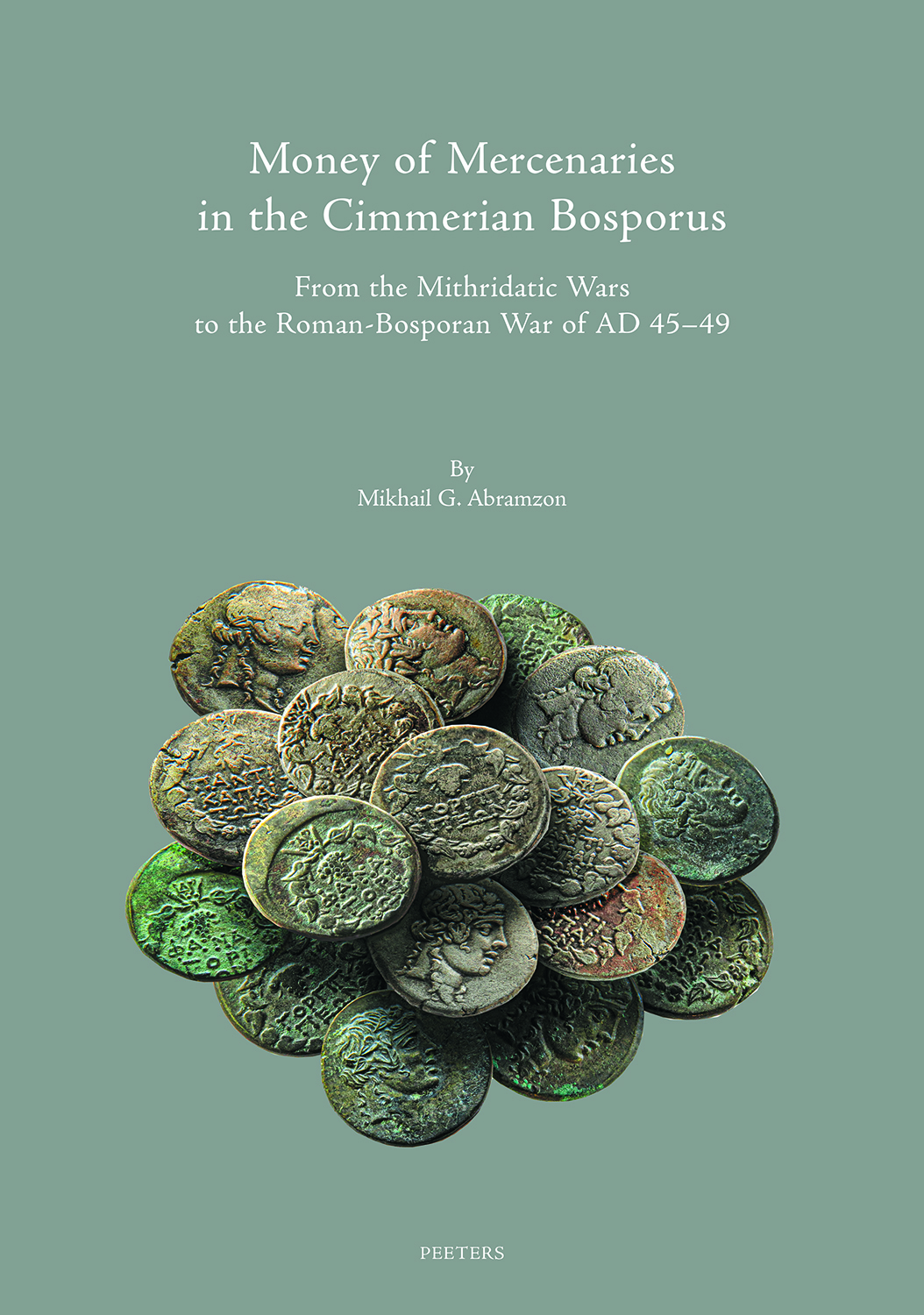 Money of Mercenaries in the Cimmerian Bosporus
From the Mithridatic Wars to the Roman-Bosporan War of AD 45-49
Volume 45

 New Research on Old Collections in Southwest Asian Archaeology
Proceedings of the Workshop Held at the British Museum, London, 31 July – 2 August, 2023
 Old Aramaic Inscriptions and their Contexts
An Epigraphic, Archaeological, and Historical Synthesis
Volume 63

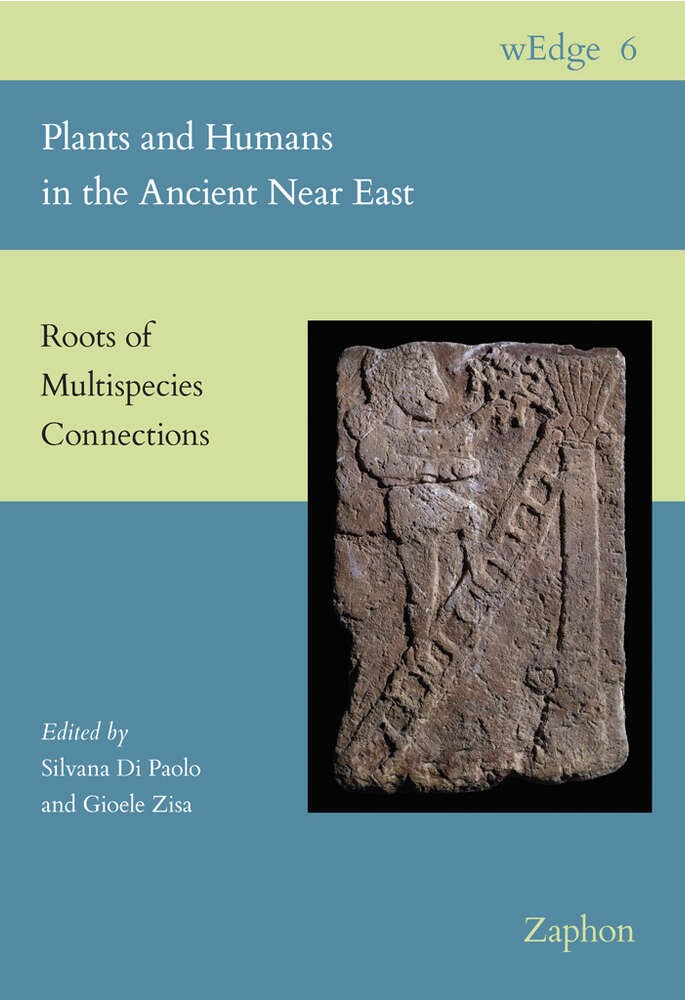
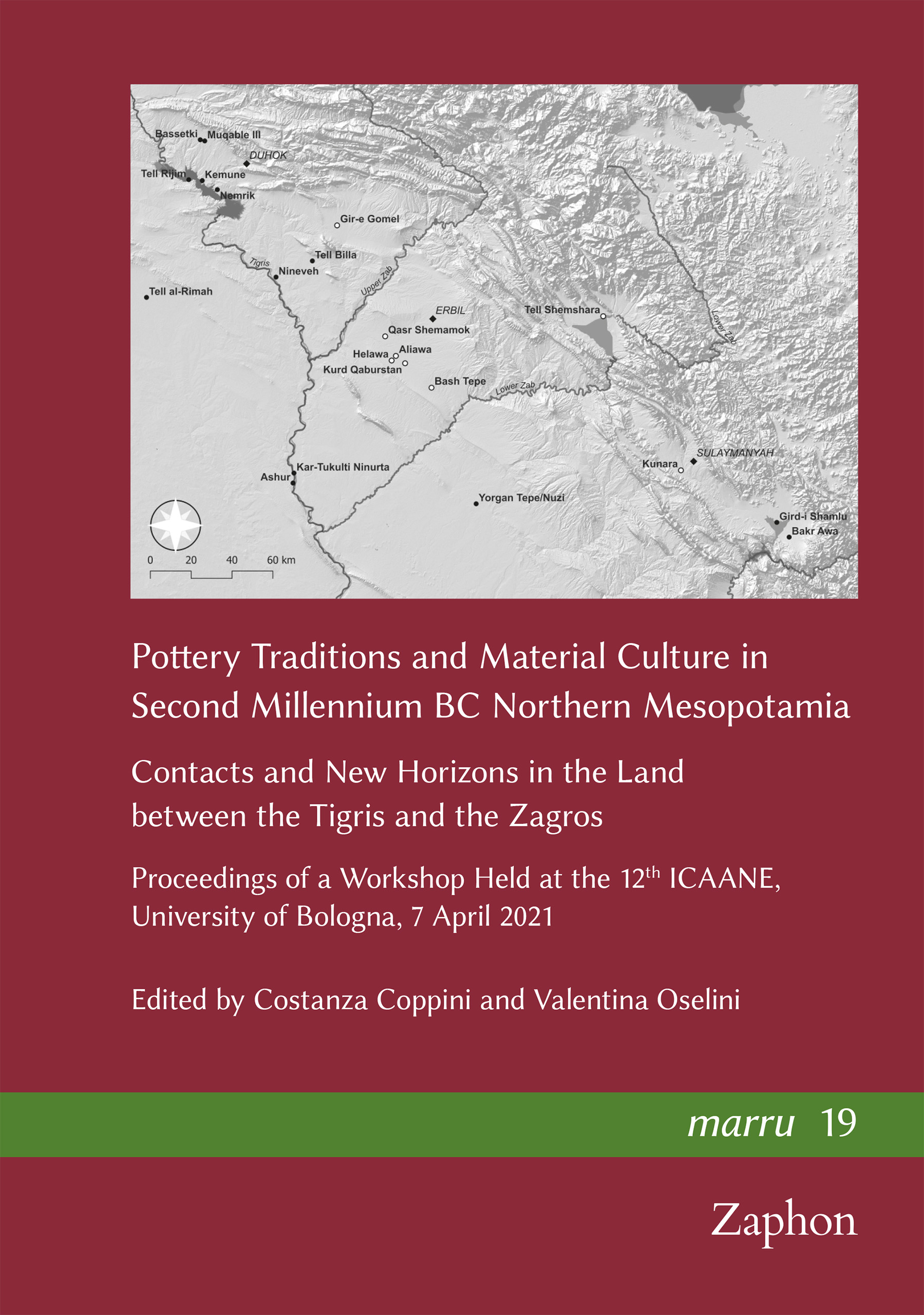 Pottery Traditions and Material Culture in Second Millennium BC Northern Mesopotamia
Contacts and New Horizons in the Land between the Tigris and the Zagros. Proceedings of a Workshop Held at the 12th ICAANE, University of Bologna, 7 April 2021
Volume 19
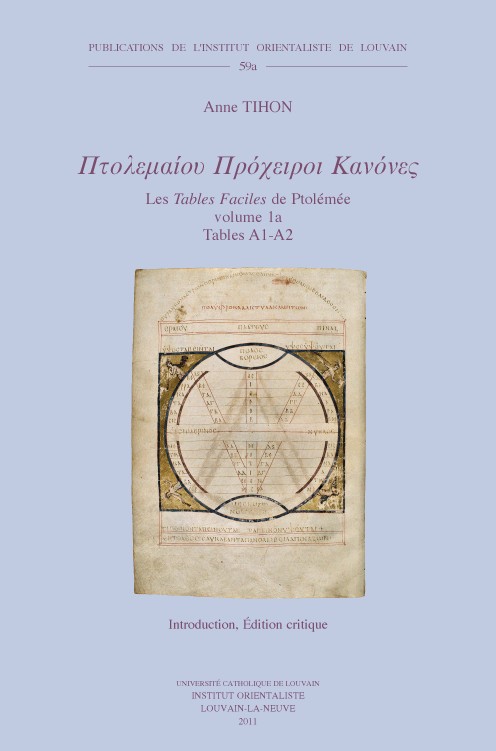
 Punning in Odd or Elegant Constructions in Jeremiah
The Convergence of Linguistics, Rhetoric, and Textuality in the Hebrew Text of Jeremiah

 Sertorius, the Exiles of the Sullan Regime and the Provinces of the Empire
Legitimacy, Morality and Imperial Discourse in the 70s BCE
 Shame in the Worlds of the Hebrew Bible and Akkadian Texts
A Linguistic Study and Its Implications
Volume 33

 Telling Contexts
Archaeological and Textual Studies in Honor of Elizabeth Bloch-Smith and Mark S. Smith
 The Body
Lived, Cultured, Adorned: Essays on Dress and the Body in the Bible and Ancient Near East in Honor of Nili S. Fox
 The Discourse of Rites
Shaping and Reshaping the (Counter-)Priestly Rituals Conducted Outside the Tabernacle
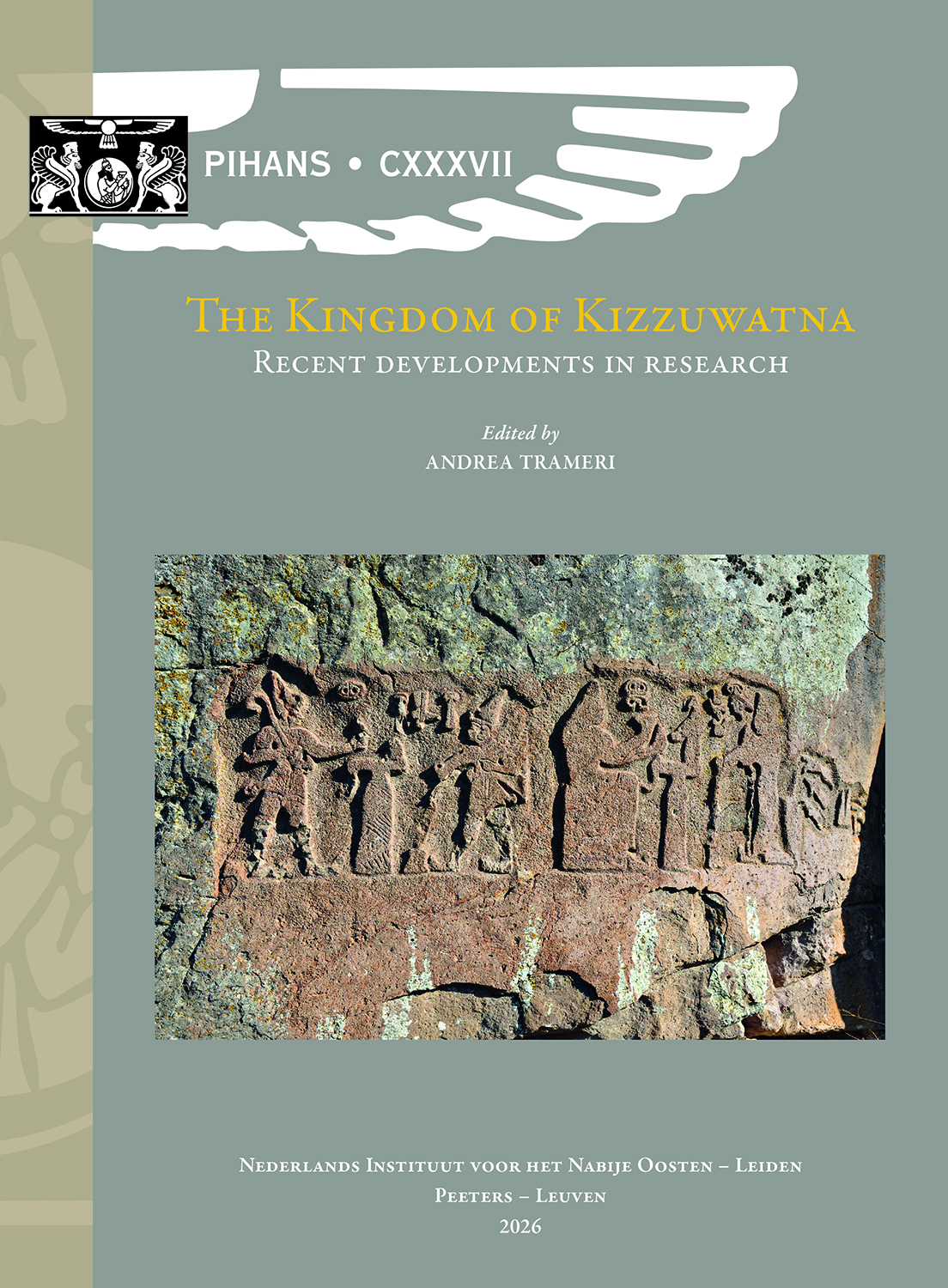 The Kingdom of Kizzuwatna: Recent Developments in Research
Proceedings of the Third NINO Postdoctoral Research Fellow Annual Conference, Leiden, 23rd-25th March 2023
Volume 137