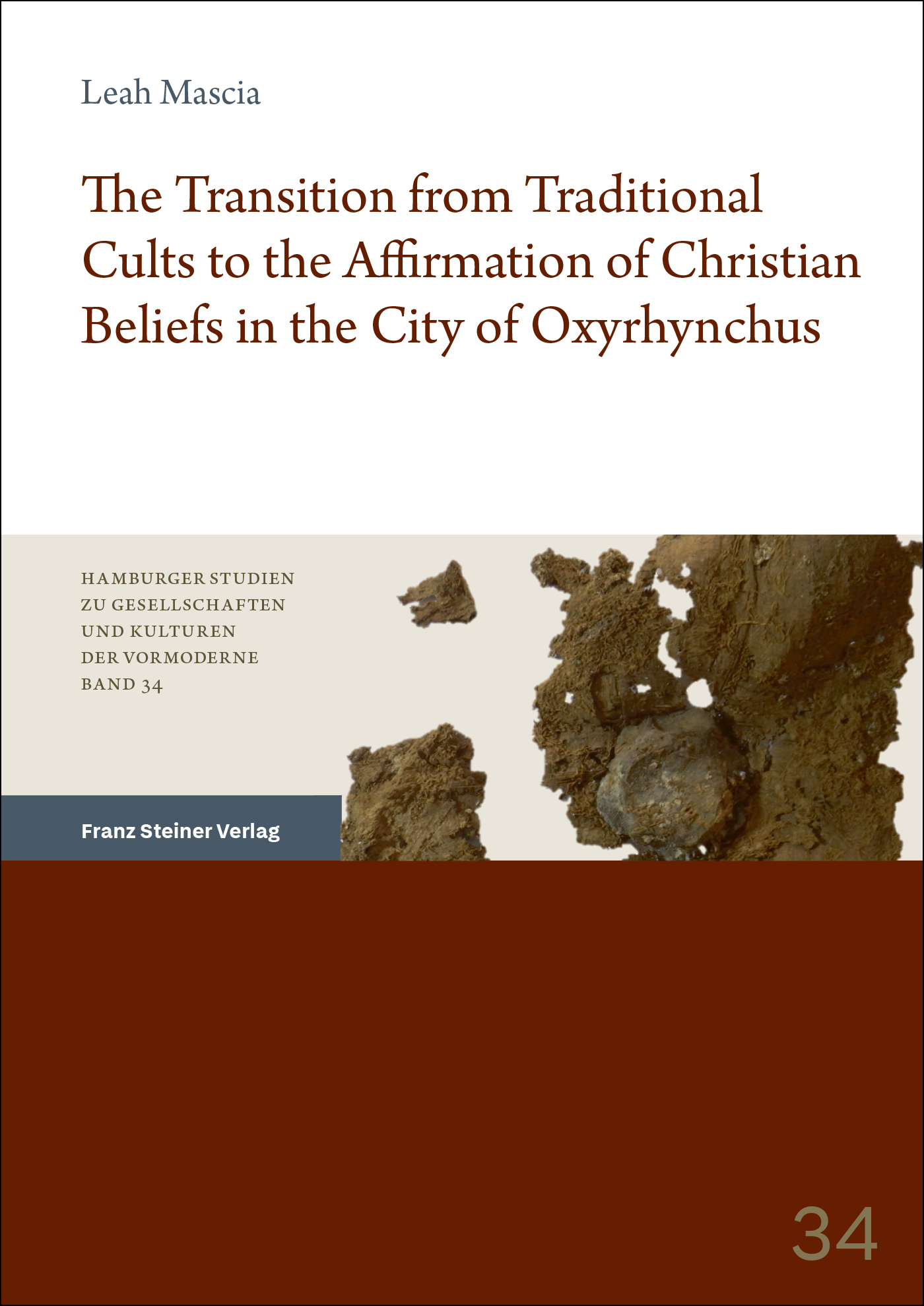
Glass and Glass Production in the Near East during the Iron Age
Evidence from objects, texts and chemical analysis
By (author) Katharina Schmidt

Paperback (Published)
(March 2019)
ISBN: 9781789691542
8.07 x 11.46 inches
Price: $80.00
In stock
This book examines the history of glass in Iron Age Mesopotamia and neighbouring regions (1000-539 BCE). This is the first monograph to cover this region and period comprehensively and in detail and thus fills a significant gap in glass research.
Glass and Glass Production in the Near East during the Iron Age: Evidence from objects, texts and chemical analysis examines the history of glass in Iron Age Mesopotamia and neighbouring regions (1000-539 BCE). This is the first monograph to cover this region and period comprehensively and in detail and thus fills a significant gap in glass research. It focusses on identification of the different types of glass objects and their respective manufacturing techniques from the the Iron Age period. Both glass as material and individual glass objects are investigated to answer questions such as as how raw glass (primary production) and glass objects (secondary production) were manufactured, how both these industries were organised, and how widespread glass objects were in Mesopotamian society in the Iron Age period. Such a comprehensive picture of glass and its production in the Iron Age can only be achieved by setting archaeological data in relation to cuneiform texts, archaeometric analyses and experimental-archaeological investigations. With regard to the different disciplines incorporated into this study, an attempt was made to view them together and to establish connections between these areas.
1. Foreword and Acknowledgements
2. Glass and Glassy Materials: Definitions and Material Properties
3. Archaeological Contexts: Sites with Iron Age Glass Finds
4. The Glass Objects: Manufacturing Techniques, Typology, and Function
5. Discussion of the Archaeological Data
6. The Nineveh Glass Recipes
7. Archaeometrical Evidence
8. Conclusion
Index of Technical Terms
Bibliography
Catalogue
Plates
Appendix 1
Appendix 2: Chemical raw data of different sites discussed
Katharina Schmidt obtained MA in Near Eastern Archaeology at Ludwig-Maximilians- Universität of Munich in 2012, with a dissertation on glazed Neo-Assyrian vessels from Upper Mesopotamia. In 2013 she started her PhD as a member of the Graduate School ‘Distant Worlds’ at the same university. As a visiting researcher, she studied at University College, London, and acquired additional knowledge in the use of chemical analyses – in particular with regard to glass. In 2016 she completed her PhD at Munich with a dissertation on glass and glassmaking in the Iron Age period. As an archaeologist she worked on excavations in Syria (Tell Halaf) and Turkey (Sirkeli Höyük, Dülük Baba Tepesi). Since 2016 she has been director of the German Protestant Institute of Archaeology in Amman, Jordan, where she carries out various research and excavation projects, above all the excavations at Tall Zirā´a.
- By (author) Katharina Schmidt
'Katharina Schmidt has written a much-needed volume on Iron Age glass from the Near East... this is a major contribution to the study of Iron Age glass that will be of great help to students of ancient technologies and glass for years to come.' - Julian Henderson (2019), Antiquity
— Julian Henderson
Similar Books





 Boğazköy Tablets in the Museum of Anatolian Civilizations (Bo 9032–Bo 9097)
Anadolu Medeniyetleri Müzesinde Bulunan Boğazköy Tabletleri (Bo 9032–Bo 9097)
Volume 4
 Connecting the Dots: Counting, Writing, and the Beginnings of Civilization
The Secret Lives of Clay Tokens: A Memoir

 Curating the Prehistoric Past
Studies on West Asian Archaeology and Beyond in Honour of Yoshihiro Nishiaki

 Exploring Gender Dynamics across the Ancient Near East
Collected Essays of Gender and Methodology in the Ancient Near East (GeMANE) 4 and 5
Volume 7


 Ḫattušaš utnē išḫameški
Hittite and Other Ancient Near Eastern Studies Presented to Piotr Taracha on the Occasion of His 65th Birthday



 Kultur – Kontakt – Kultur
Beiträge anlässlich der 66. Rencontre Assyriologique Internationale in Frankfurt/Main und Mainz, 25.–29. Juli 2022
Volume 35
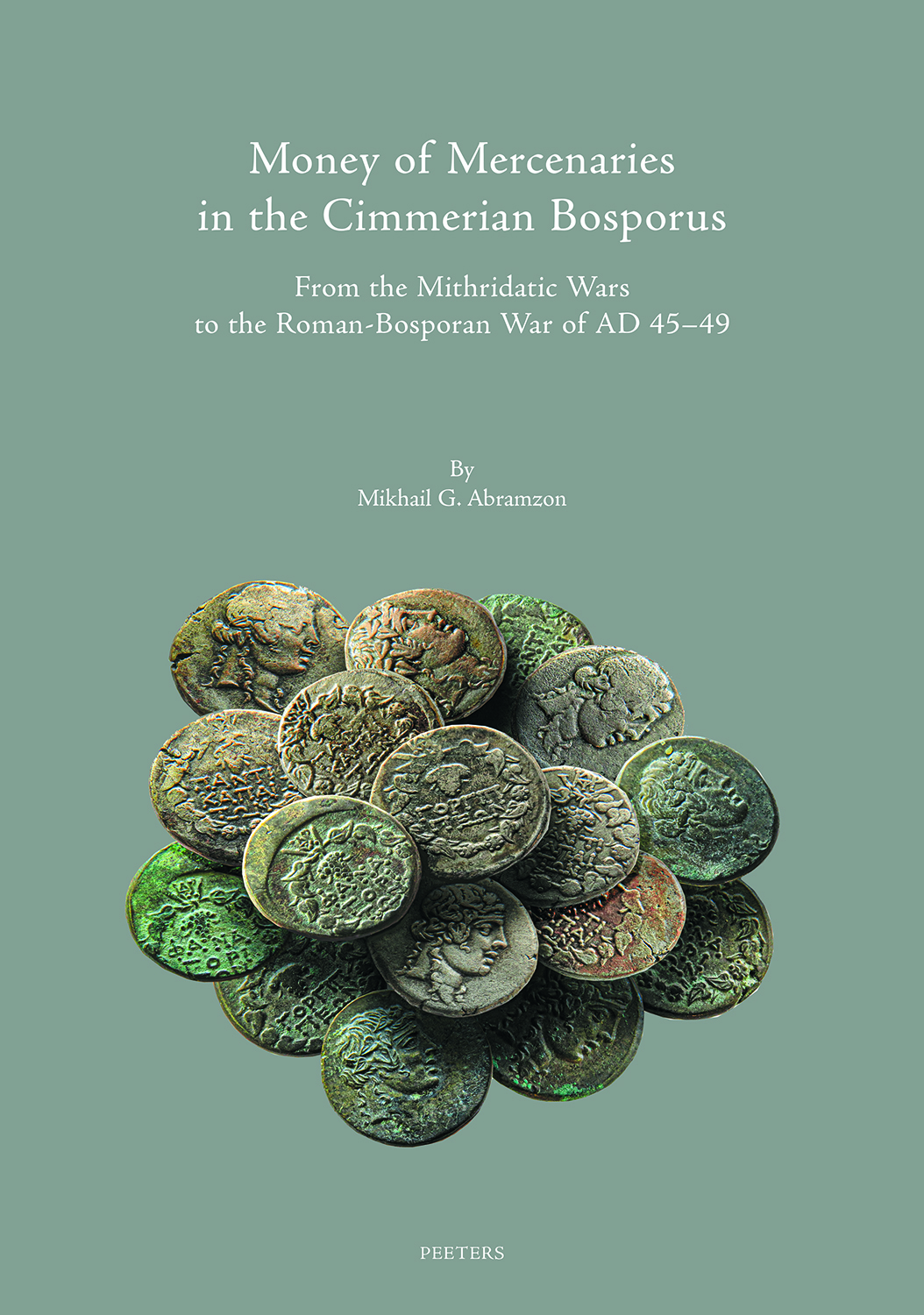 Money of Mercenaries in the Cimmerian Bosporus
From the Mithridatic Wars to the Roman-Bosporan War of AD 45-49
Volume 45

 New Research on Old Collections in Southwest Asian Archaeology
Proceedings of the Workshop Held at the British Museum, London, 31 July – 2 August, 2023
 Old Aramaic Inscriptions and their Contexts
An Epigraphic, Archaeological, and Historical Synthesis
Volume 63

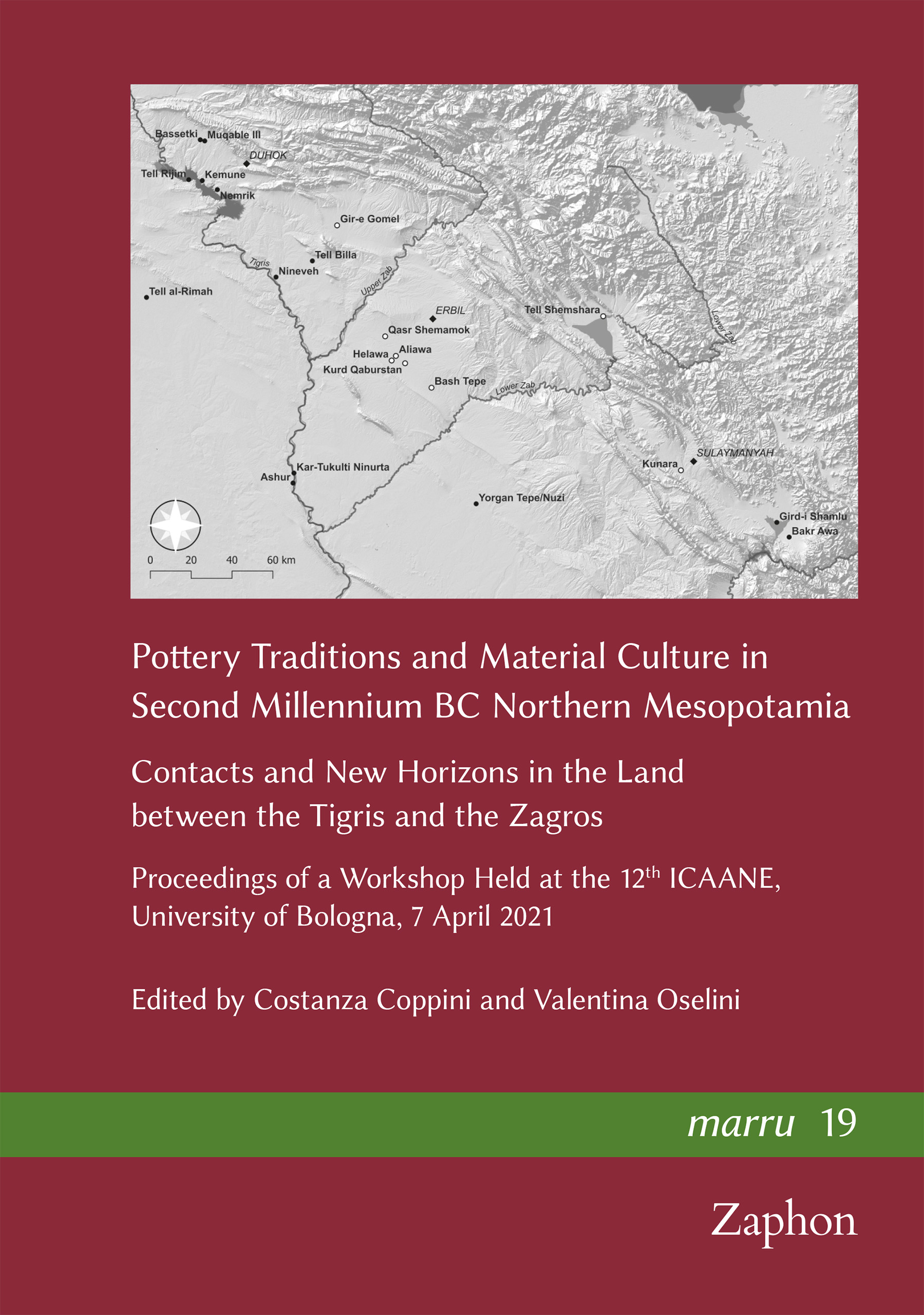 Pottery Traditions and Material Culture in Second Millennium BC Northern Mesopotamia
Contacts and New Horizons in the Land between the Tigris and the Zagros. Proceedings of a Workshop Held at the 12th ICAANE, University of Bologna, 7 April 2021
Volume 19
 Punning in Odd or Elegant Constructions in Jeremiah
The Convergence of Linguistics, Rhetoric, and Textuality in the Hebrew Text of Jeremiah

 Sertorius, the Exiles of the Sullan Regime and the Provinces of the Empire
Legitimacy, Morality and Imperial Discourse in the 70s BCE
 Shame in the Worlds of the Hebrew Bible and Akkadian Texts
A Linguistic Study and Its Implications
Volume 33

 Telling Contexts
Archaeological and Textual Studies in Honor of Elizabeth Bloch-Smith and Mark S. Smith
 The Body
Lived, Cultured, Adorned: Essays on Dress and the Body in the Bible and Ancient Near East in Honor of Nili S. Fox
 The Discourse of Rites
Shaping and Reshaping the (Counter-)Priestly Rituals Conducted Outside the Tabernacle
 The Kingdom of Kizzuwatna: Recent Developments in Research
Proceedings of the Third NINO Postdoctoral Research Fellow Annual Conference, Leiden, 23rd-25th March 2023
Volume 137