
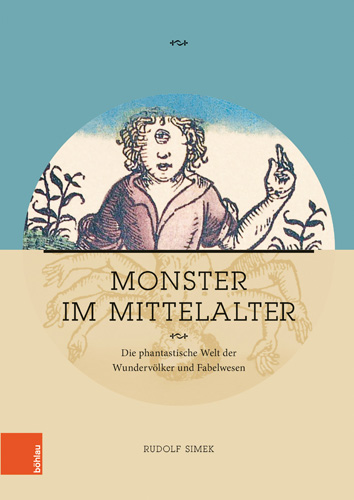
Monster im Mittelalter
Die phantastische Welt der Wundervölker und Fabelwesen
By (author) Rudolf Simek
Paperback (Published)
(March 2019)
ISBN: 9783412514037
6.69 x 9.49 inches
Price: $57.00
In stock
English Summary: Nowadays monsters of all kinds populate many scenes in literature, film, art and advertising. The spectrum ranges from aliens to Cookie monsters to zombies. That was not different in the Middle Ages. There, too, monsters are encountered everywhere – on church portals, on capitals, in paintings and book illustrations, or in novels, travelogues, and natural history works. However, our idea of the monsters has changed significantly. According to the medieval view, beings with physical deformities such as headless, cyclops or dog-headed, with peculiar customs and eating habits such as snake eaters and parrots, as well as human-animal hybrids such as sirens, centaurs, sea knights and sea monks are considered monstrous. Animal monsters are only found among marine life. So you count neither dragons nor unicorns, neither griffins nor trolls to the monsters. With this richly illustrated book, Rudolf Simek invites you to explore the unknown world of medieval monsters. He tells us where they come from, what meaning they have and what effect they unfold to the present day. An illustrated lexicon presents 250 mythical creatures individually. German Description: Heutzutage bevolkern Monster aller Art viele Szenerien in Literatur, Film, Kunst und Werbung. Das Spektrum reicht von Aliens uber Krumelmonster bis zu Zombies. Das war im Mittelalter nicht anders. Auch dort begegnet man den Monstern allenthalben – etwa an Kirchenportalen, auf Kapitellen, in Gemalden und Buchillustrationen oder in Romanen, Reisebeschreibungen und naturkundlichen Werken. Allerdings hat sich unsere Vorstellung von den Monstern deutlich gewandelt. Nach mittelalterlicher Sicht werden Wesen mit korperlichen Deformationen wie Kopflose, Zyklopen oder Hundskopfige, mit eigentumlichen Gebrauchen und Essgewohnheiten wie Schlangenfresser und Elternmaster sowie menschlich-tierische Mischwesen wie Sirenen, Kentauren, Meerritter und Meermonche als monstros angesehen. Tierische Monster gibt es nur unter den Meereslebewesen. So zahlt man weder Drachen noch Einhorner, weder Greife noch Trolle zu den Monstern. Mit diesem reich bebilderten Buch ladt Rudolf Simek ein, die unbekannte Welt der mittelalterlichen Monster zu erkunden. Er erzahlt, woher sie kommen, welche Bedeutung sie haben und welche Wirkung sie bis in die Gegenwart entfalten. Ein illustriertes Lexikon stellt 250 Fabelwesen einzeln vor. Bereits in 2. Auflage!
Rudolf Simek ist Professor emeritus für mittelalterliche deutsche und nordische Literatur an der Universität Bonn.
- By (author) Rudolf Simek
Similar Books


 Innovation and Medieval Communities
The Circulation of Ideas and Practices in and out of the Town (1200-1500)
Volume 63

 Medieval Debates on Foreknowledge: Future Contingents, Prophecy, and Divination
Acts of the XXVII Annual Colloquium of the SIEPM, Trento 12-15 September 2023
Volume 31

 Medieval Yeghegis, Armenia
History, Archaeology, Society. Local Multiplicities and Global Connections of a Rural Centre on the Silk Road(s)

 Nicholas of Lyra’s Commentaries on the Gospels of Matthew and Luke
Franciscan Exegesis in a Time of Crisis
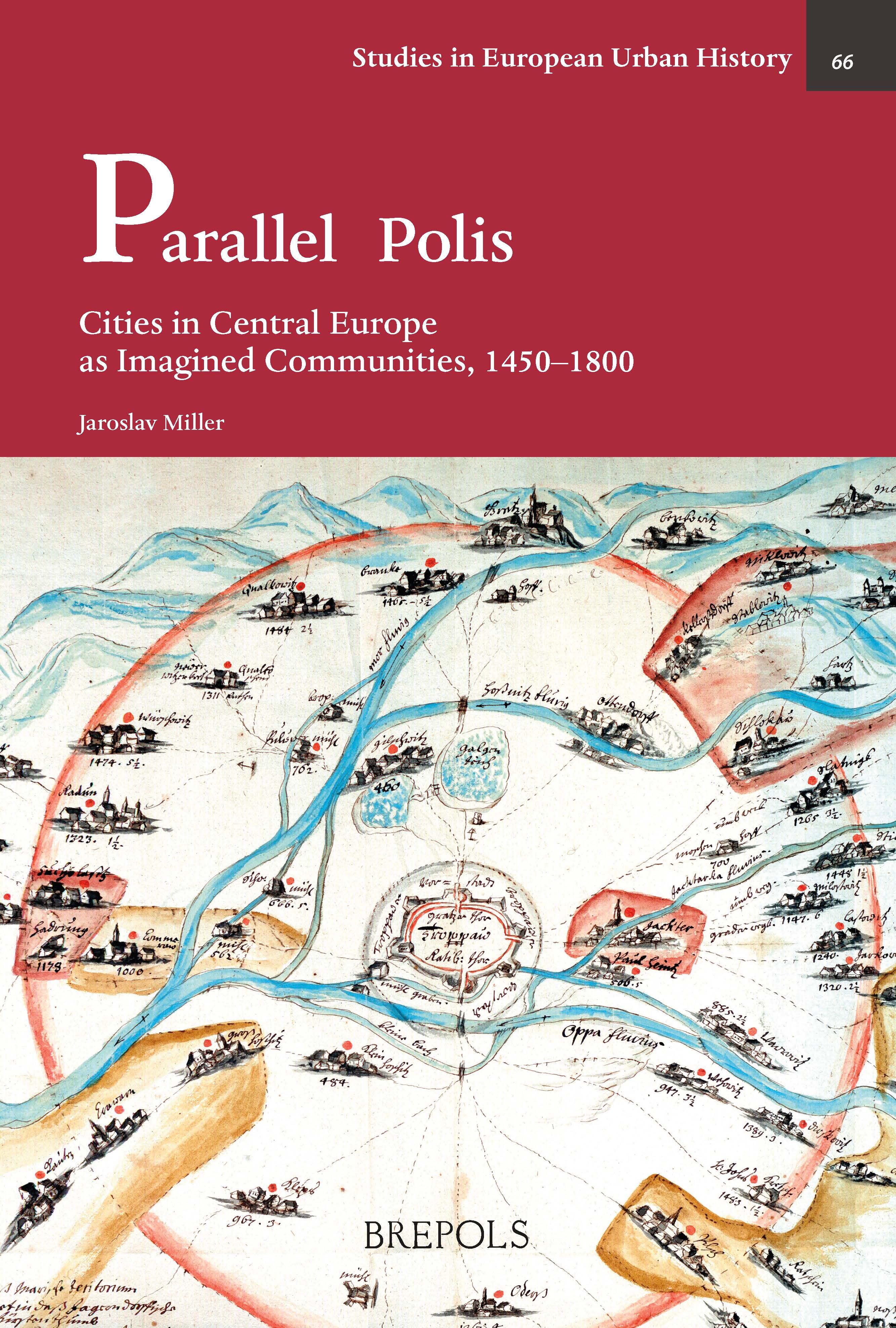


 Power and Women in Southeast and Central Europe in Late Medieval and Early Modern Period (1300-1600)
Volume 10

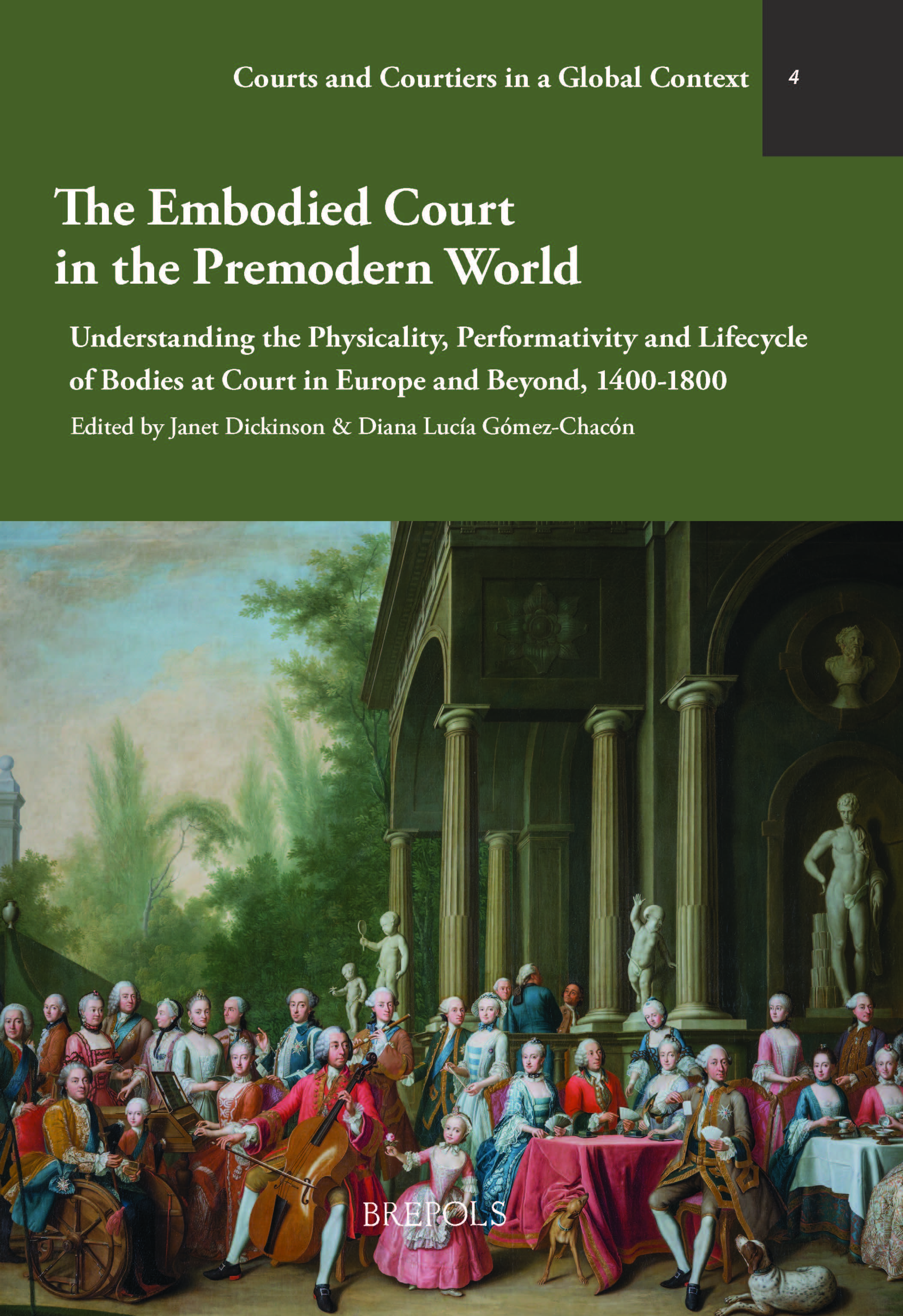 The Embodied Court in the Premodern World
Understanding the Physicality, Performativity and Lifecycle of Bodies at Court in Europe and Beyond, 1400-1800
Volume 4



 Women in Late Antiquity and the Early Middle Ages
Studies from Western Europe and North Africa
Volume 44
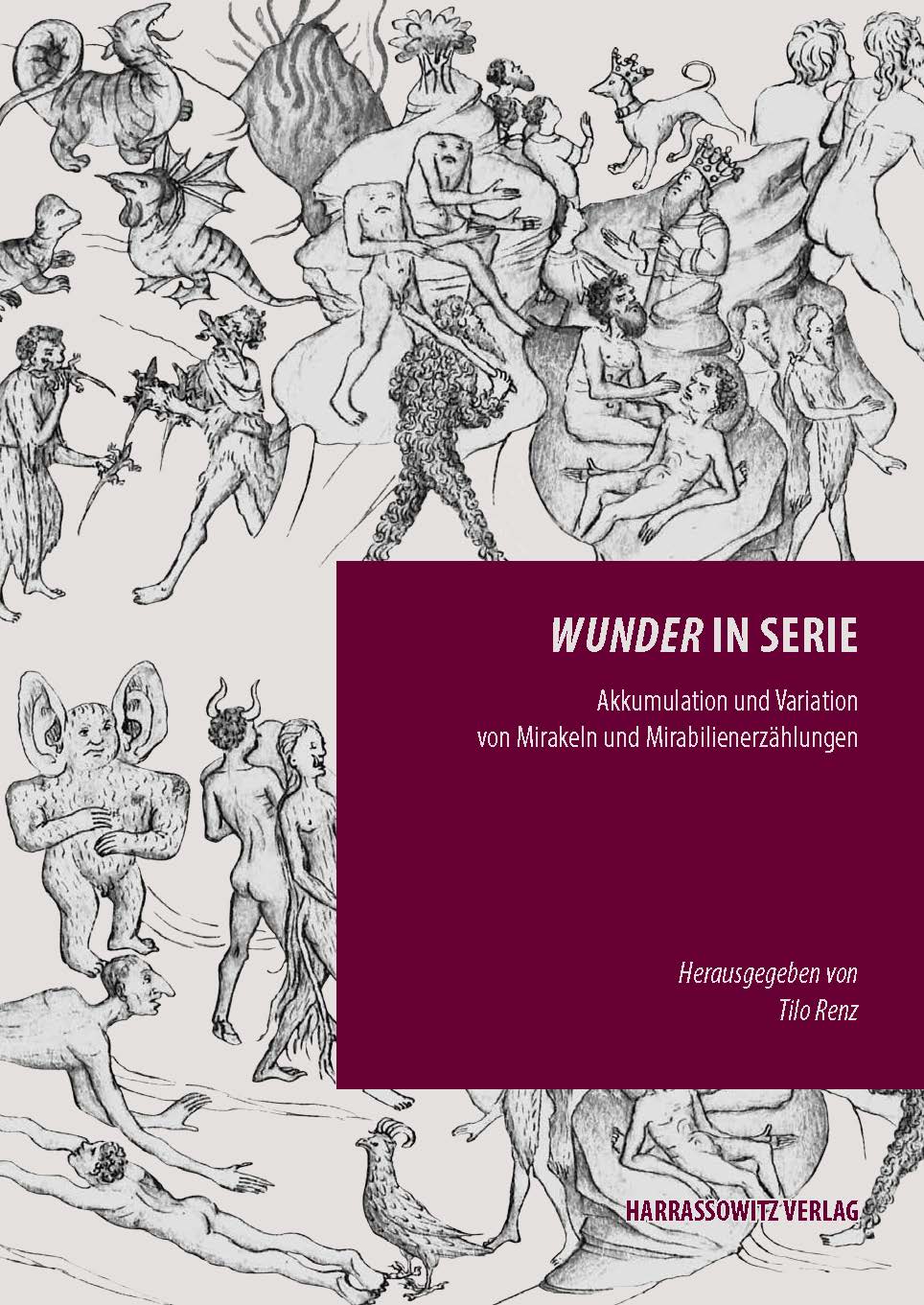 wunder in Serie



 Medialisierung des Ephemeren
Dimensionen des Akustischen in Texten, Bildern und Artefakten des Mittelalters
 Un fascicolo di prediche pistoiesi del 1233. (Pistoia, Archivio Capitolare, C.112)
A cura di Gilda P. Mantovani, Marco Petoletti e Riccardo Saccenti
Volume 556


 Building the Presence of the Prince
The Institutions Responsible for the Construction and Management of the Buildings of European Courts (14th-17th centuries)
Volume 14