
Befund und Historisierung
Dokumentation und ihre Interpretationsspielraume
edited by S. Heinsch, W. Kuntner and R. Rollinger

English summary: Archaeological periodization schemes of material culture development in Northern Mesopotamia from 7th to 5th centuries BCE traditionally refer to the sequence of dynasties. In particular, they highlight historical events related to distinguished members of the royal houses of the Sargonids, Urartians, Medes, Teispids, and Achaemenids. However, whereas the repercussions these Iron Age empires had on the history of the Near East are undeniable, the impact they had on the material culture and its development is not always equally tangible in the archaeological findings. The latter are not infrequently characterized by continuity rather than by incisive changes, as recent studies and re-evaluations of key sites in Syria, Iraq, Iran and Armenia show. This publication uses case studies to address problems that arises when the archaeological (relative concept) and historical (absolute concept) methodology use different intrinsic values of time to reconstruct history and to understand cultural material development. German description: Archaologische Periodisierungsschemata der materiellen Kulturentwicklung Nordmesopotamiens in der Zeit vom 7. bis 5. Jahrhundert v. Chr. orientieren sich traditionell an historische Zasuren, die mit der Abfolge von Herrschaftsdynastien wie den Sargoniden, Urartaern, Medern, Teispiden und Achameniden verbunden sind. Gleichwohl die Bedeutung dieser eisenzeitlichen Herrscherhauser auf die politische Geschichte Vorderasiens unbestreitbar ist, ist ihr Einfluss auf die materielle Kulturentwicklung nicht im gleichen Maae bestimmbar. Letztere ist namlich ofter durch Kontinuitat als durch einschneidende Veranderungen gepragt, wie rezente Untersuchungen und Neubewertungen wichtiger archaologischer Befunde in Syrien, Irak, Iran und Armenien aufgezeigt haben. Der vorliegende Band weist anhand von Fallbeispielen auf die Problematik hin, die bei abweichenden Bedeutungszuweisungen der Dimension Zeit in archaologischen (relatives Konzept) und historischen (absolutes Konzept) Betrachtungsweisen fur die Rekonstruktion der Geschichte und der Entwicklung der materiellen Kultur auftreten konnen.
English summary: Archaeological periodization schemes of material culture development in Northern Mesopotamia from 7th to 5th centuries BCE traditionally refer to the sequence of dynasties. In particular, they highlight historical events related to distinguished members of the royal houses of the Sargonids, Urartians, Medes, Teispids, and Achaemenids. However, whereas the repercussions these Iron Age empires had on the history of the Near East are undeniable, the impact they had on the material culture and its development is not always equally tangible in the archaeological findings. The latter are not infrequently characterized by continuity rather than by incisive changes, as recent studies and re-evaluations of key sites in Syria, Iraq, Iran and Armenia show. This publication uses case studies to address problems that arises when the archaeological (relative concept) and historical (absolute concept) methodology use different intrinsic values of time to reconstruct history and to understand cultural material development. German description: Archaologische Periodisierungsschemata der materiellen Kulturentwicklung Nordmesopotamiens in der Zeit vom 7. bis 5. Jahrhundert v. Chr. orientieren sich traditionell an historische Zasuren, die mit der Abfolge von Herrschaftsdynastien wie den Sargoniden, Urartaern, Medern, Teispiden und Achameniden verbunden sind. Gleichwohl die Bedeutung dieser eisenzeitlichen Herrscherhauser auf die politische Geschichte Vorderasiens unbestreitbar ist, ist ihr Einfluss auf die materielle Kulturentwicklung nicht im gleichen Maae bestimmbar. Letztere ist namlich ofter durch Kontinuitat als durch einschneidende Veranderungen gepragt, wie rezente Untersuchungen und Neubewertungen wichtiger archaologischer Befunde in Syrien, Irak, Iran und Armenien aufgezeigt haben. Der vorliegende Band weist anhand von Fallbeispielen auf die Problematik hin, die bei abweichenden Bedeutungszuweisungen der Dimension Zeit in archaologischen (relatives Konzept) und historischen (absolutes Konzept) Betrachtungsweisen fur die Rekonstruktion der Geschichte und der Entwicklung der materiellen Kultur auftreten konnen.
- Edited by S. Heinsch
- Edited by W. Kuntner
- Edited by R Rollinger
Other Titles in this Series

 The End of the Kura-Araxes Phenomenon
The Chrono-Cultural Aspect of the EB/MB Transition in the South Caucasus
Volume 3
 Between Near East and Eurasian Nomads
Representation of Local Elites in the Lori Berd Necropolis during the First Half of the First Millennium BC
Volume 4

Similar Books





 Connecting the Dots: Counting, Writing, and the Beginnings of Civilization
The Secret Lives of Clay Tokens: A Memoir

 Curating the Prehistoric Past
Studies on West Asian Archaeology and Beyond in Honour of Yoshihiro Nishiaki

 Exploring Gender Dynamics across the Ancient Near East
Collected Essays of Gender and Methodology in the Ancient Near East (GeMANE) 4 and 5
Volume 7


 Ḫattušaš utnē išḫameški
Hittite and Other Ancient Near Eastern Studies Presented to Piotr Taracha on the Occasion of His 65th Birthday




 Kultur – Kontakt – Kultur
Beiträge anlässlich der 66. Rencontre Assyriologique Internationale in Frankfurt/Main und Mainz, 25.–29. Juli 2022
Volume 35
 Money of Mercenaries in the Cimmerian Bosporus
From the Mithridatic Wars to the Roman-Bosporan War of AD 45-49
Volume 45

 New Research on Old Collections in Southwest Asian Archaeology
Proceedings of the Workshop Held at the British Museum, London, 31 July – 2 August, 2023
 Old Aramaic Inscriptions and their Contexts
An Epigraphic, Archaeological, and Historical Synthesis
Volume 63

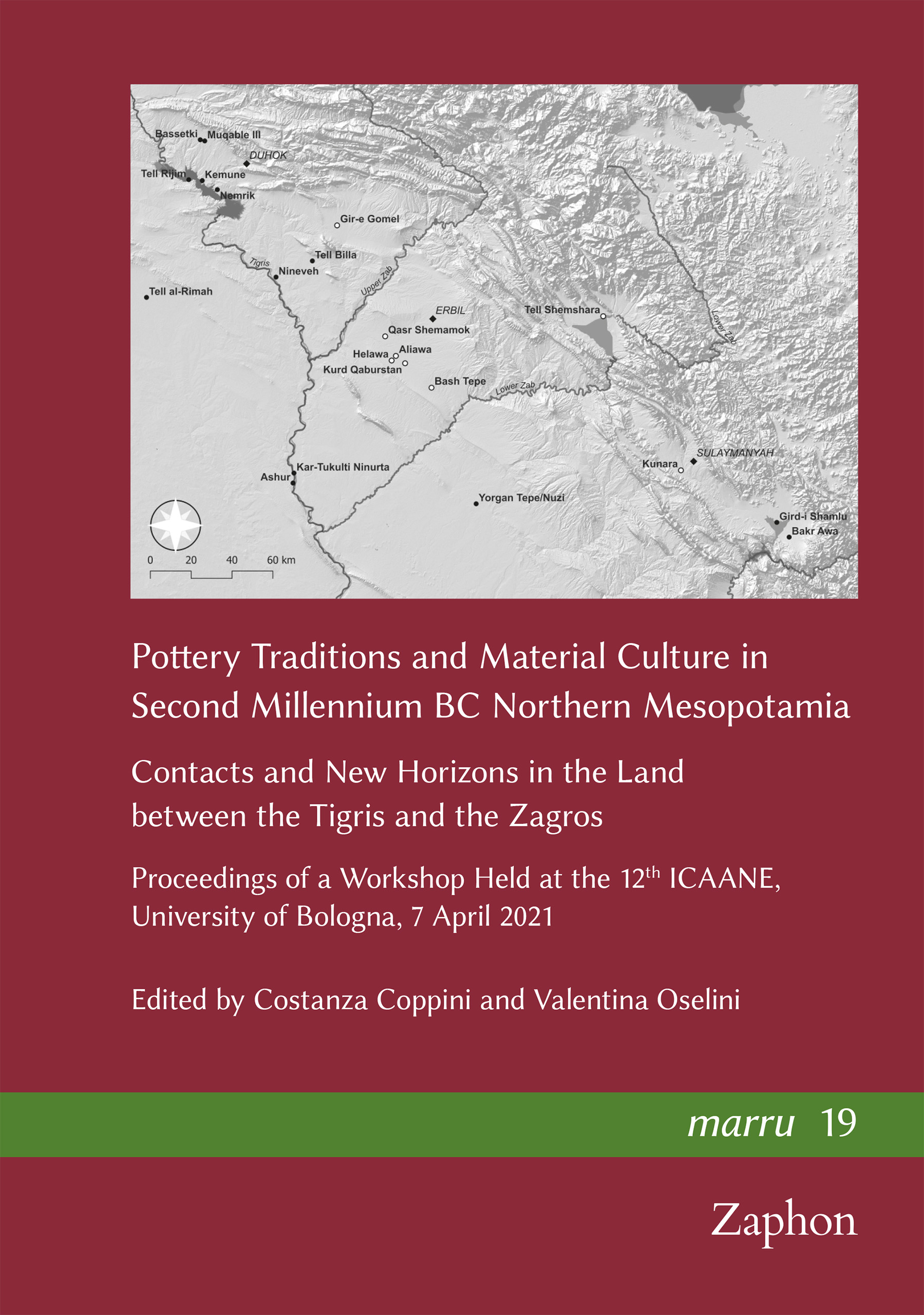 Pottery Traditions and Material Culture in Second Millennium BC Northern Mesopotamia
Contacts and New Horizons in the Land between the Tigris and the Zagros. Proceedings of a Workshop Held at the 12th ICAANE, University of Bologna, 7 April 2021
Volume 19
 Punning in Odd or Elegant Constructions in Jeremiah
The Convergence of Linguistics, Rhetoric, and Textuality in the Hebrew Text of Jeremiah

 Sertorius, the Exiles of the Sullan Regime and the Provinces of the Empire
Legitimacy, Morality and Imperial Discourse in the 70s BCE
 Shame in the Worlds of the Hebrew Bible and Akkadian Texts
A Linguistic Study and Its Implications
Volume 33

 Telling Contexts
Archaeological and Textual Studies in Honor of Elizabeth Bloch-Smith and Mark S. Smith
 The Body
Lived, Cultured, Adorned: Essays on Dress and the Body in the Bible and Ancient Near East in Honor of Nili S. Fox
 The Discourse of Rites
Shaping and Reshaping the (Counter-)Priestly Rituals Conducted Outside the Tabernacle
 The Kingdom of Kizzuwatna: Recent Developments in Research
Proceedings of the Third NINO Postdoctoral Research Fellow Annual Conference, Leiden, 23rd-25th March 2023
Volume 137


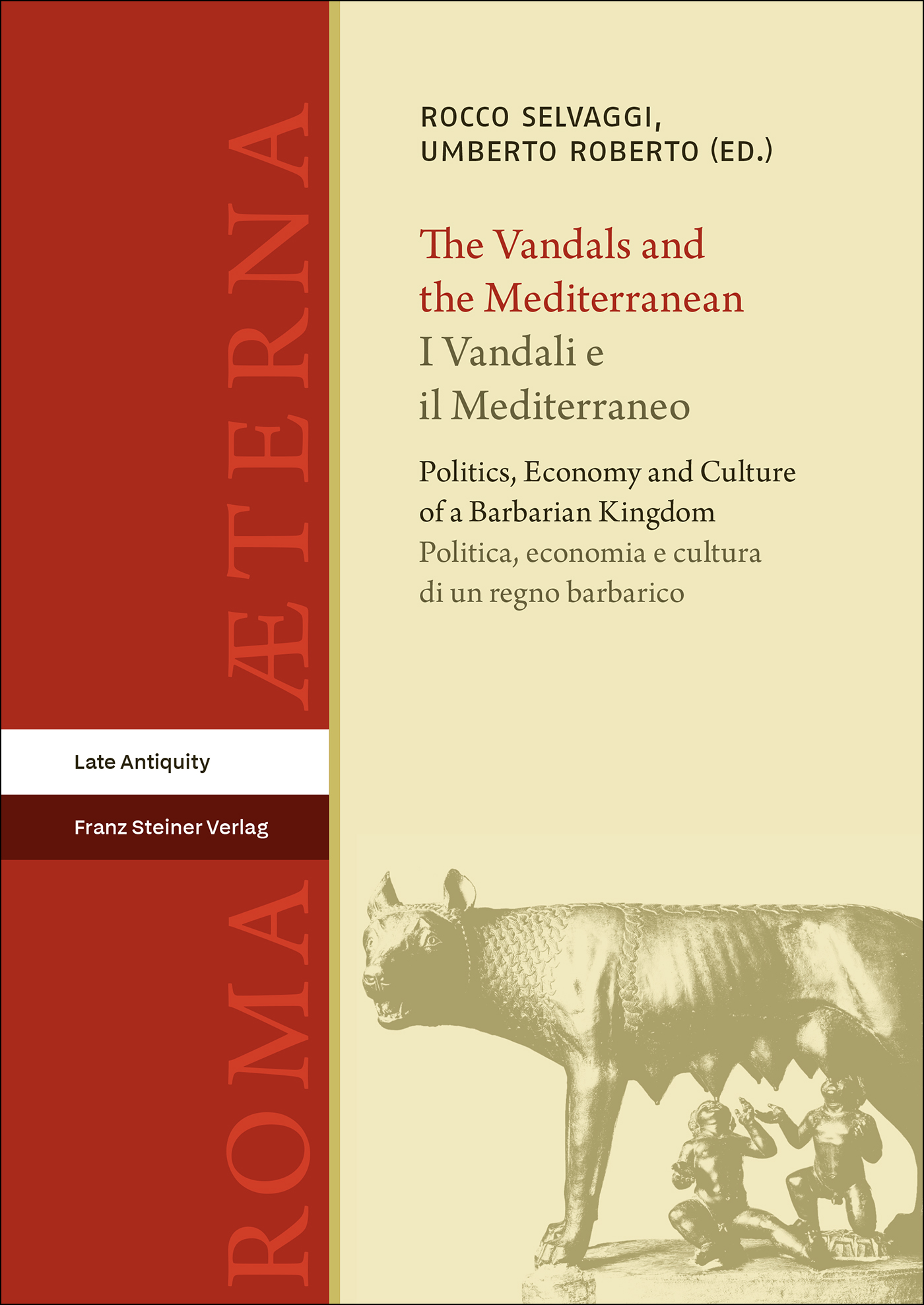 The Vandals and the Mediterranean / I Vandali e il Mediterraneo
Politics, Economy and Culture of a Barbarian Kingdom / Politica, economia e cultura di un regno barbarico