
Giulia Gonzaga
A Gentlewoman in the Italian Reformation
by Susanna Peyronel Rambaldi

The life of Giulia Gonzaga – a leading figure in a delicate time of transition in 16th-century Italian political, cultural and religious history – brings this period and its dramatic turning-points alive. A favoured disciple of Juan de Valdes and at the centre of his group of followers, as well as a loyal friend of the protonotary Pietro Carnesecchi, who was condemned for heresy and executed, Giulia Gonzaga was strongly tied to her class, her powerful dynasty and to family and political intrigues. Under the shadow of her family, she enjoyed a heterodox experience shared by many others, men and women alike, who were protagonists of an intellectual and spiritual dissent that was harshly repressed by the Church of Rome. Through the life of a woman, this book recounts the shifts in the political balance of power in Italy in the early years of Spanish dominion and how they mixed with religious dissent and with attempts to change the direction of the Church. It also recounts the relationships, friendships and solidarities of an aristocracy, male and female, that sought to play a role in the bitter conflicts that had emerged in Italian society as the Reformation spread throughout Europe.
The life of Giulia Gonzaga – a leading figure in a delicate time of transition in 16th-century Italian political, cultural and religious history – brings this period and its dramatic turning-points alive. A favoured disciple of Juan de Valdes and at the centre of his group of followers, as well as a loyal friend of the protonotary Pietro Carnesecchi, who was condemned for heresy and executed, Giulia Gonzaga was strongly tied to her class, her powerful dynasty and to family and political intrigues. Under the shadow of her family, she enjoyed a heterodox experience shared by many others, men and women alike, who were protagonists of an intellectual and spiritual dissent that was harshly repressed by the Church of Rome. Through the life of a woman, this book recounts the shifts in the political balance of power in Italy in the early years of Spanish dominion and how they mixed with religious dissent and with attempts to change the direction of the Church. It also recounts the relationships, friendships and solidarities of an aristocracy, male and female, that sought to play a role in the bitter conflicts that had emerged in Italian society as the Reformation spread throughout Europe.
- By (author) Susanna Peyronel Rambaldi
Other Titles in this Series


 The Cardinal and his Painters
Giacomo Stefaneschi, Giotto and Simone Martini between Rome and Avignon


 Lordships of Southern Italy
Rural Societies, Aristocratic Powers and Monarchy in the 12th and 13th Centuries
Volume 5


Similar Books


 Balthasar Caymox of Nuremberg
Early Modern German Print Publishers: Popular Prints of the Seventeenth Century

 Behind the Scenes of Medieval Roofs
An Overview of the Roofing Systems of Italian Churches
Volume 90

 Beyond Sovereign Courts
Agents and Practices in Early Modern Spanish and Habsburg Diplomacy
Volume 3

 Circulation, Use, Impact
The Consumption of Architectural Books in the Early Modern Eastern Adriatic
Volume 1


 Councils, Conflicts, Correspondence
Urban Diplomacy in Reval (Tallinn) and Lübeck (c. 1470–1570)
Volume 67


 Homo-Politicus in the Balkans
Early Modern Southeast European History in Imperial and Regional Context

 Innovationes Lovanienses: Arts, Law and Theology at the University of Louvain (1425–1797)
Studium Lovaniense: Learning across Borders, 2
Volume 18

 Legal Visuality
Exegesis, Ambiguity, and Dissimulation of the Donation of Constantine in the Early Modern Period
 Music and Colonialism in Fascist Italy
Identity, Propaganda, and Ethnographic Representation
Volume 13

 Naples as Laboratory / Laboratorium Neapel
Style Options, Artistic Rivalry and Self Fashioning in Neapolitan Baroque Painting / Plurale Stilbildung, Kunstlerkonkurrenz und Self Fashioning in der neapolitanischen Barockmalerei


 Power and Women in Southeast and Central Europe in Late Medieval and Early Modern Period (1300-1600)
Volume 10



 Staging the Spectacle of Majesty
Ceremonial, Courtly Space, and Collecting under the Spanish Habsburgs
Volume 9
 Students, Scholars and Their Books at the University of Louvain (1425-1797)
Studium Lovaniense: Learning across Borders, 1
Volume 17


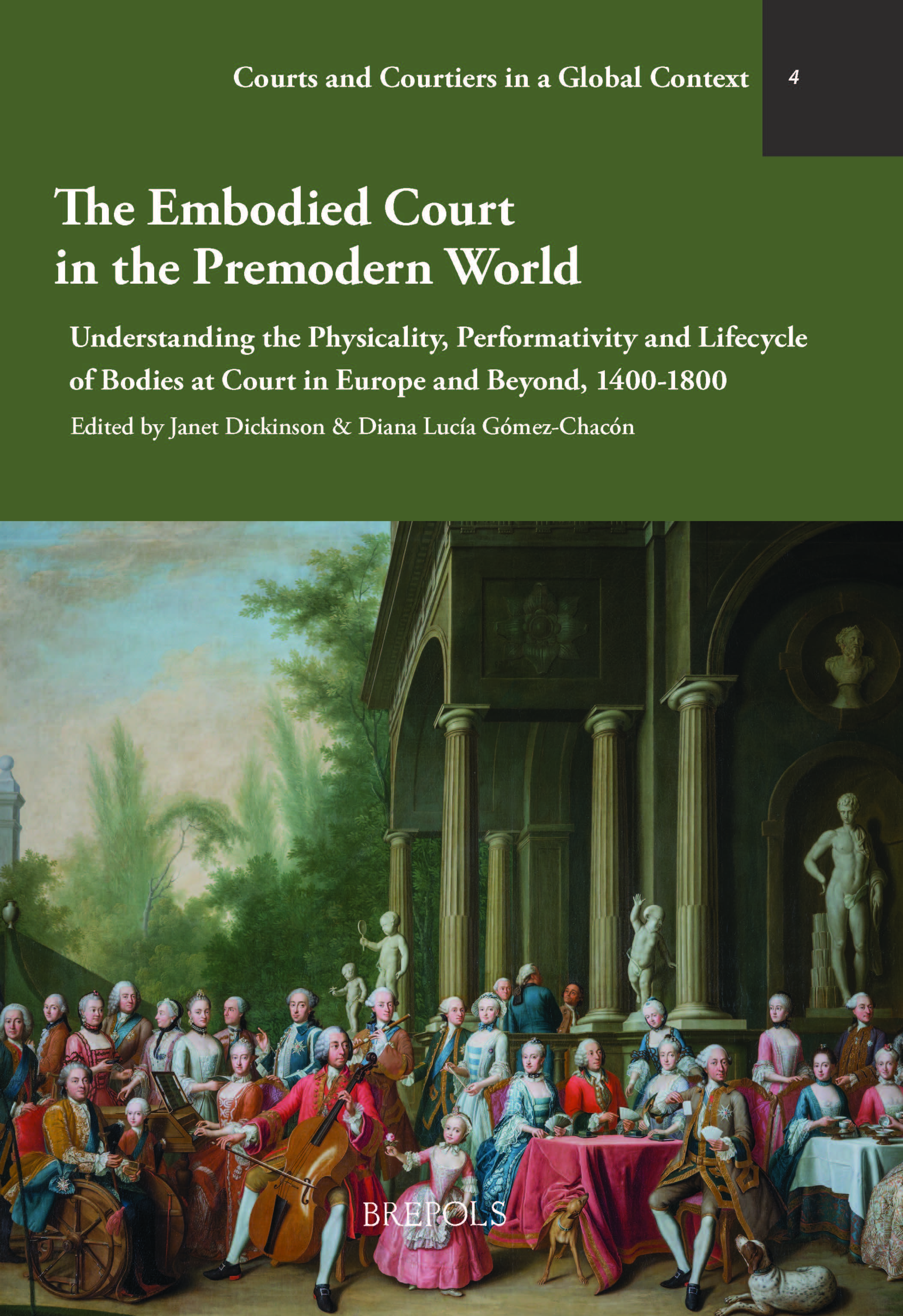 The Embodied Court in the Premodern World
Understanding the Physicality, Performativity and Lifecycle of Bodies at Court in Europe and Beyond, 1400-1800
Volume 4

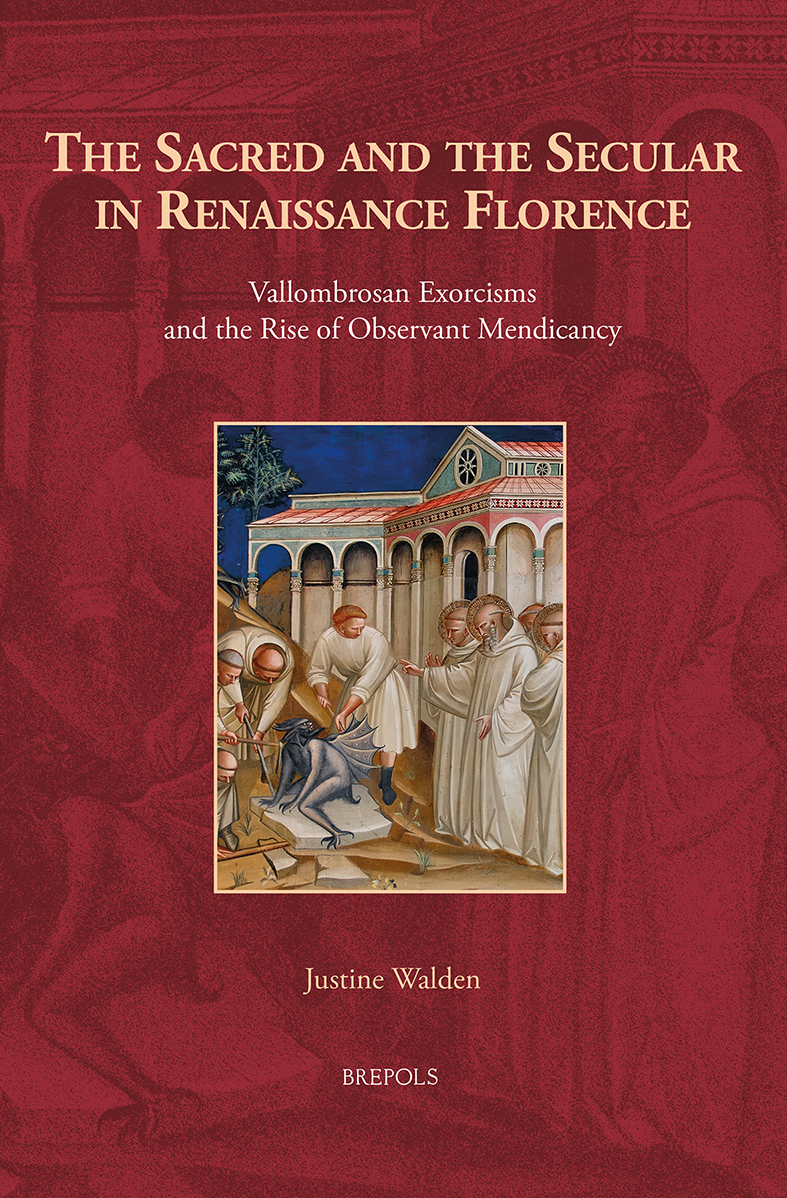 The Sacred and the Secular in Renaissance Florence
Vallombrosan Exorcisms and the Rise of Observant Mendicancy
Volume 31