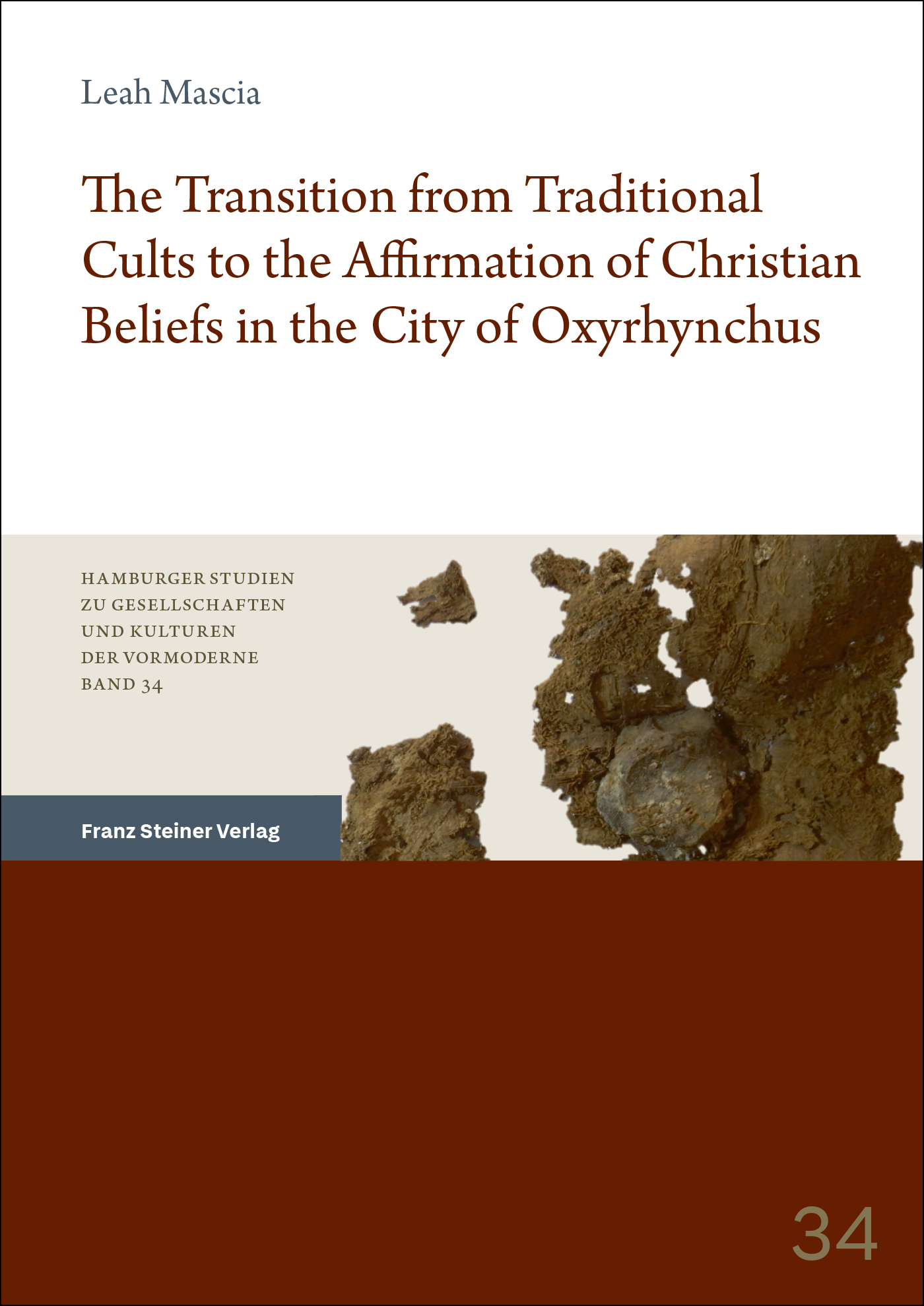
Building between the Two Rivers: An Introduction to the Building Archaeology of Ancient Mesopotamia
By (author) Stefano Anastasio Contributions by Piero Gilento

Paperback (Published)
(August 2020)
ISBN: 9781789696035
6.85 x 9.69 inches
Price: $48.00
In stock
This volume introduces university students and scholars of Near Eastern archaeology to ‘Building archaeology’ methods as applied to the context of Ancient Mesopotamia. It helps the reader understand the principles underlying this discipline and to realise what knowledge and skills are needed, beyond those that are specific to archaeo
Building between the Two Rivers aims to supply university students and scholars of Near Eastern archaeology with an introduction to ‘Building archaeology’ methods as applied to the context of Ancient Mesopotamia. It helps the reader understand the principles underlying the discipline, which deals with the registration and analysis of all building materials and techniques involved in the assembly and erection of a construction, and to outline what knowledge and skills are needed, beyond those that are specific to archaeologists. The in-depth registration and analysis of building materials and techniques requires professional skills and experience, which cannot be achieved with only a standard university training in archaeology. However, archaeologists need to know the basics of the classification of building materials, their physical properties, the main techniques of their finishing, as well as the basic principles of statics. They should also be able to let architects understand how to better tune the registration of data to ensure a fruitful archaeological interpretation. Due to the introductory nature of the book, contents are organised in didactic chapters, trying to cover all the main topics and displaying them by means of selected examples. Particular attention is given to the methods of the ‘stratigraphic reading’, which are discussed in a dedicated appendix authored by Piero Gilento. A thematic bibliography and a technical glossary complete the book, helping readers enhance their understanding of the subject.
Preface Building archaeology: goals and methods Building archaeology The building survey and stratigraphy Direct and indirect sources The Mesopotamian context Land use and water management Urbanisation and city planning Ancient cartography, topography and surveying Commissioners, designers and builders Ancient building crafts and technology Building materials Building materials: general characteristics Earth architecture Stone Mortar Bitumen Wood and reeds Metals Claddings and decorations Architectural elements Load-bearing structural systems: general features Walls Arches, vaults and domes Pillars and columns Openings Staircases Domestic and urban structures for water management Pavements, ceilings and roofs Building types Ziggurats and temples Palaces Fortifications Houses, storage- and workplaces Roads, streets, bridges Infrastructures for the water management Gardens and orchards Portable shelters Funerary buildings Conclusions Appendix: the methods of building archaeology - (Piero Gilento) What is and what does 'building archaeology' deal with? Architectural stratigraphy What is a Stratigraphic Building Unit (SBU)? What stratigraphic relationships exist between the SBUs? Typology and chronotypology in building archaeology How to work Web resources Thematic bibliography The Mesopotamian context Building materials Architectural elements Building types Bibliographic references Chronological table Glossary and analytical index Illustration credits, Preface ;
Building archaeology: goals and methods ;
Building archaeology ;
The building survey and stratigraphy ;
Direct and indirect sources The Mesopotamian context ;
Land use and water management ;
Urbanisation and city planning ;
Ancient cartography, topography and surveying ;
Commissioners, designers and builders ;
Ancient building crafts and technology Building materials ;
Building materials: general characteristics ;
Earth architecture ;
Stone ;
Mortar ;
Bitumen ;
Wood and reeds ;
Metals ;
Claddings and decorations Architectural elements ;
Load-bearing structural systems: general features ;
Walls ;
Arches, vaults and domes ;
Pillars and columns ;
Openings ;
Staircases ;
Domestic and urban structures for water management ;
Pavements, ceilings and roofs Building types ;
Ziggurats and temples ;
Palaces ;
Fortifications ;
Houses, storage- and workplaces ;
Roads, streets, bridges ;
Infrastructures for the water management ;
Gardens and orchards ;
Portable shelters ;
Funerary buildings Conclusions ;
Appendix: the methods of building archaeology – (Piero Gilento) ;
What is and what does ‘building archaeology’ deal with? ;
Architectural stratigraphy ;
What is a Stratigraphic Building Unit (SBU)? ;
What stratigraphic relationships exist between the SBUs? ;
Typology and chronotypology in building archaeology ;
How to work ;
Web resources Thematic bibliography ;
The Mesopotamian context ;
Building materials ;
Architectural elements ;
Building types Bibliographic references ;
Chronological table ;
Glossary and analytical index ;
Illustration credits
Stefano Anastasio is an archaeologist who specialises in the Ancient Near East. He is currently storehouse-keeper of the archaeological deposits of the Superintendency for Archaeology, Arts and Landscape in Florence. He is also currently working on the implementation of the new Photo-Archive for the Archaeological Conservation Centre of the Superintendency ;
Piero Gilento is an Associate Researcher at the Research Unit UMR7041-ArScAn (France), co-director of the French archaeological mission in northern Jordan, and Principal Investigator of the ACTECH project founded by a Marie Skłodowska-Curie fellowship.
- By (author) Stefano Anastasio
- Contributions by Piero Gilento
This well-illustrated handbook will introduce students to archaeological evidence alongside epigraphical and visual documents for building materials, architectural elements, and building types in Mesopotamia from the Neolithic to the Achaemenian period, altogether spanning 10,500–333 BC.
— C. C. Mattusch
Essential reading for the archeologist, Stefano Anastasio’s book will also appeal to anyone interested in how and why building techniques invented thousands of years ago still form the basis of architectural planning today. Designed to help budding archeologists determine the age and possible use of ancient buildings, Stefano Anastasio’s authoritative guide traces the evolution of architectural techniques from the 10th millennium BCE to the fourth century BCE. Beginning with a survey of the natural resources of ancient Mesopotamia, Anastasio goes on to compare the particular qualities of such building materials as brick, stone, wood, mortars and even metal and, with the help of detailed illustrations, shows the multiple ways these materials were used to erect walls, lay foundations and create serviceable roofs. He also demonstrates how with the development of the arch, “a huge technological innovation,” buildings became more stable, more spacious and far more beautiful.
— Jane Waldron Grutz
Similar Books





 Boğazköy Tablets in the Museum of Anatolian Civilizations (Bo 9032–Bo 9097)
Anadolu Medeniyetleri Müzesinde Bulunan Boğazköy Tabletleri (Bo 9032–Bo 9097)
Volume 4
 Connecting the Dots: Counting, Writing, and the Beginnings of Civilization
The Secret Lives of Clay Tokens: A Memoir

 Curating the Prehistoric Past
Studies on West Asian Archaeology and Beyond in Honour of Yoshihiro Nishiaki

 Exploring Gender Dynamics across the Ancient Near East
Collected Essays of Gender and Methodology in the Ancient Near East (GeMANE) 4 and 5
Volume 7


 Ḫattušaš utnē išḫameški
Hittite and Other Ancient Near Eastern Studies Presented to Piotr Taracha on the Occasion of His 65th Birthday



 Kultur – Kontakt – Kultur
Beiträge anlässlich der 66. Rencontre Assyriologique Internationale in Frankfurt/Main und Mainz, 25.–29. Juli 2022
Volume 35
 Money of Mercenaries in the Cimmerian Bosporus
From the Mithridatic Wars to the Roman-Bosporan War of AD 45-49
Volume 45

 New Research on Old Collections in Southwest Asian Archaeology
Proceedings of the Workshop Held at the British Museum, London, 31 July – 2 August, 2023
 Old Aramaic Inscriptions and their Contexts
An Epigraphic, Archaeological, and Historical Synthesis
Volume 63

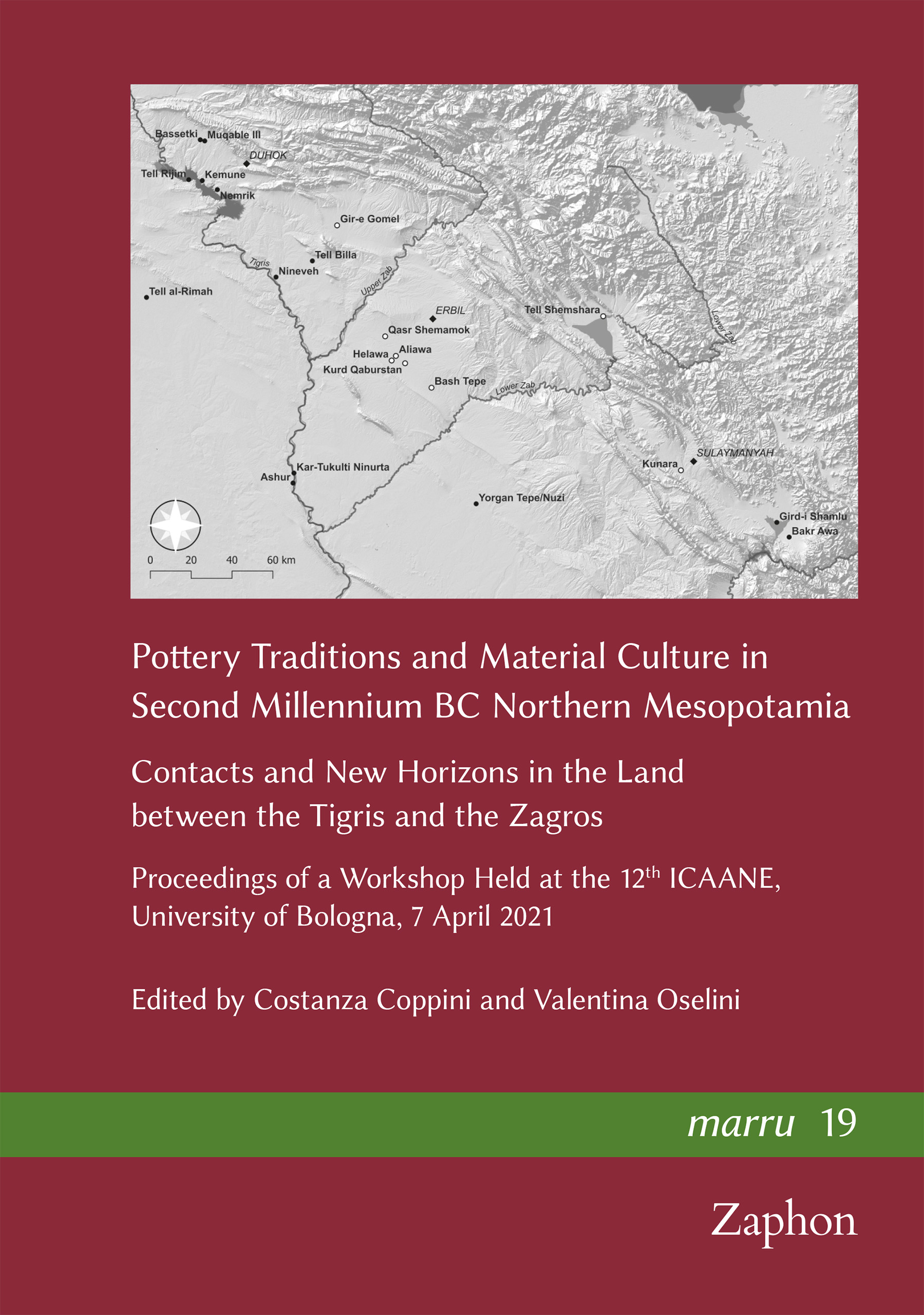 Pottery Traditions and Material Culture in Second Millennium BC Northern Mesopotamia
Contacts and New Horizons in the Land between the Tigris and the Zagros. Proceedings of a Workshop Held at the 12th ICAANE, University of Bologna, 7 April 2021
Volume 19
 Punning in Odd or Elegant Constructions in Jeremiah
The Convergence of Linguistics, Rhetoric, and Textuality in the Hebrew Text of Jeremiah

 Sertorius, the Exiles of the Sullan Regime and the Provinces of the Empire
Legitimacy, Morality and Imperial Discourse in the 70s BCE
 Shame in the Worlds of the Hebrew Bible and Akkadian Texts
A Linguistic Study and Its Implications
Volume 33

 Telling Contexts
Archaeological and Textual Studies in Honor of Elizabeth Bloch-Smith and Mark S. Smith
 The Body
Lived, Cultured, Adorned: Essays on Dress and the Body in the Bible and Ancient Near East in Honor of Nili S. Fox
 The Discourse of Rites
Shaping and Reshaping the (Counter-)Priestly Rituals Conducted Outside the Tabernacle
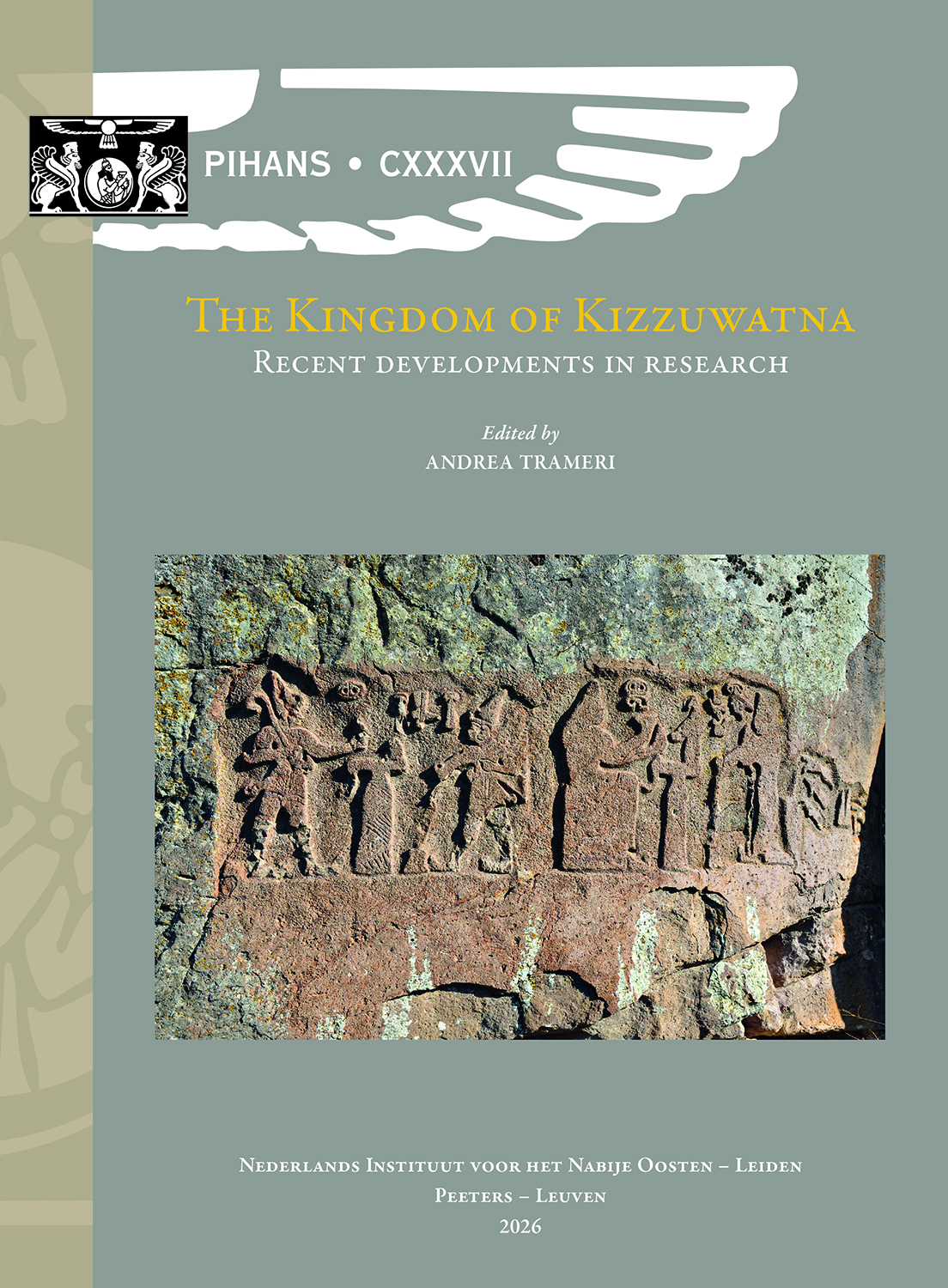 The Kingdom of Kizzuwatna: Recent Developments in Research
Proceedings of the Third NINO Postdoctoral Research Fellow Annual Conference, Leiden, 23rd-25th March 2023
Volume 137