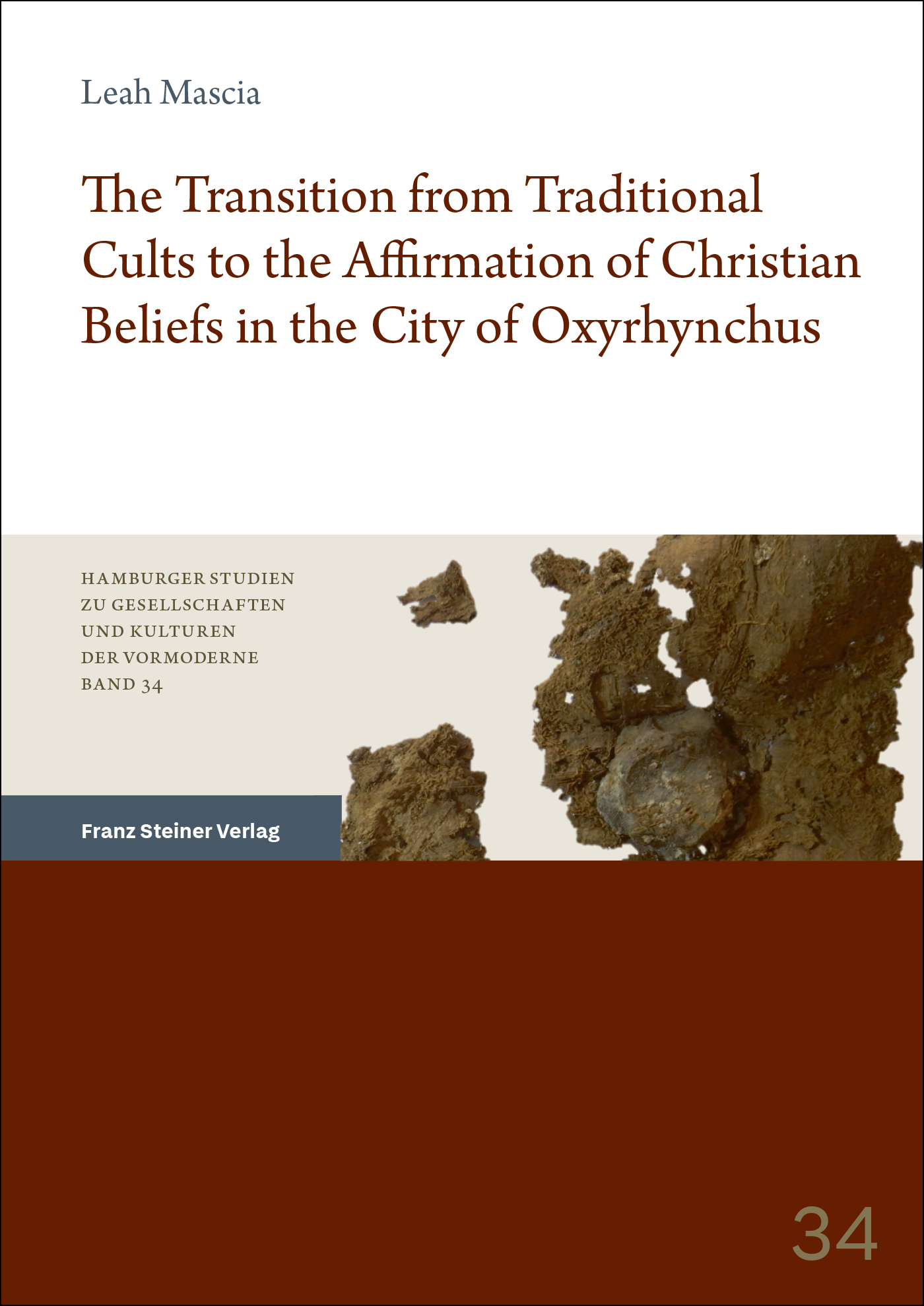
Études Mésopotamiennes – Mesopotamian Studies N°4 – 2024
Tell Masaïkh/Kar-AssurnaSirpal : Horizons céramiques dans les cultures de la vallée du Moyen Euphrate à l’Âge du Fer I–III
By (author) Ilaria Calini

Paperback (Published)
(January 2024)
ISBN: 9781803277141
8.07 x 11.46 inches
Price: $77.00
In stock
EMMS 4 provides the first complete presentation of the ceramic vessels from the levels associated with the Neo-Assyrian occupation of Tell Masaikh, excavated by a French-Syrian archaeological mission between 1996 and 2010.
Etudes Mesopotamiennes – Mesopotamian Studies 4 provides the first complete presentation of the ceramic vessels from the levels associated with the Neo-Assyrian occupation of Tell Masaikh, excavated by a French-Syrian archaeological mission between 1996 and 2010. Located in the valley of the Middle Euphrates in Syria, at a crossroads for encounters and on a key axis for communications and trade from Assyria to the Mediterranean, as well as from Anatolia to Babylonia, Tell Masaikh corresponds to the ancient city of Kar-Assurnasirpal, founded on the left bank of the Euphrates by Assurnasirpal II during his military conquests, and later becoming one of the residences of the Assyrian governor Nergal-eresh. But rather than showing the imposition of a material culture that only conforms to the models of the Assyrian Empire, the ceramic production of Tell Masaikh bears witness to an open cultural horizon, where Assyrian, Babylonian, Kassite and Levantine traditions blend and interact. In light of data documenting Syria’s archaeological heritage in a region whose ancient history is still relatively obscure, this book not only presents a catalogue of previously unpublished finds, but also anchors the study of this material in a broader historical reflection on the ways Assyrian power interplayed in a specific regional context.
I. Introduction Tell Masaikh et le projet " Terqa et sa region " : origine des travaux et problematiques historiographiques Les enjeux du projet pour la reconstruction du contexte historique et geopolitique de la region Tell Masaikh, au centre des dynamiques d'occupation de la vallee au Fer II Les dynamiques d'interaction culturelle de la region au prisme de la culture materielle ceramique Tell Mashtale, Tell Marwaniyeh et Tell Jurdi Sharqi 3 a la fin du Bronze Recent Tell Masaikh au Fer II II. Les chantiers de fouille et les contextes de decouverte de la ceramique entiere Les premiers chantiers : D, E et F Chantier D Chantier E Chantier F L'elargissement des operations dans le palais : E-Nord, E-Sud, G et G-Sud Chantier E-Nord Chantier E-Sud Chantiers G et G-Sud Les chantiers de la ville basse : H, I et K Chantier H Chantier I Chantier K Les dernieres operations : L et M Chantier L Chantier M III. Le corpus ceramique Selection, enregistrement et traitement preliminaire Presentation generale et distribution stratigraphique du corpus Caracteristiques du materiel : pate, cuisson, surface, decors Les types ceramiques : classement et chrono-typologie Les formes principales Autres formes Discussion IV. Conclusions Bibliographie Planches par secteurs et par phases Typologie Base des donnees,
Avant-propos
I. Introduction
Tell Masaïkh et le projet « Terqa et sa région » : origine des travaux et problématiques historiographiques
Les enjeux du projet pour la reconstruction du contexte historique et géopolitique de la région
Tell Masaïkh, au centre des dynamiques d’occupation de la vallée au Fer II
Les dynamiques d’interaction culturelle de la région au prisme de la culture matérielle céramique
Tell Mashtale, Tell Marwaniyeh et Tell Jurdi Sharqi 3 à la fin du Bronze Récent
Tell Masaïkh au Fer II
II. Les chantiers de fouille et les contextes de découverte de la céramique entière
Les premiers chantiers : D, E et F
Chantier D
Chantier E
Chantier F
L’élargissement des opérations dans le palais : E-Nord, E-Sud, G et G-Sud
Chantier E-Nord
Chantier E-Sud
Chantiers G et G-Sud
Les chantiers de la ville basse : H, I et K
Chantier H
Chantier I
Chantier K
Les dernières opérations : L et M
Chantier L
Chantier M
III. Le corpus céramique
Sélection, enregistrement et traitement préliminaire
Présentation générale et distribution stratigraphique du corpus
Caractéristiques du matériel : pâte, cuisson, surface, décors
Les types céramiques : classement et chrono-typologie
Les formes principales
Autres formes
Discussion
IV. Conclusions
Bibliographie
Planches par secteurs et par phases
Typologie
Base des données
Ilaria Calini est chercheuse en Post-doctorat à l’École Pratique des Hautes Études / Université Paris Sciences & Lettres à Paris et travaille sur les interactions culturelles dans le monde assyrien et entre l’Assyrie et la Grèce antique. Associée à l’équipe UMR 8210 – AnHiMA (Anthropologie et Histoire des Mondes Anciens), elle est membre de la Mission archéologique franco-syrienne à Terqa et Tell Masaïkh depuis 2008, et a fouillé à Tell Masaïkh/Kar-Assurnaṣirpal entre 2008 et 2010. Depuis 2010, elle travaille sur la capitale provinciale assyrienne de Qasr Shemamok/Kilizu, au Kurdistan irakien, ainsi que sur d’autres sites de la région. Elle est chargée de l’étude et de la publication du matériel céramique.
- By (author) Ilaria Calini
‘In terms of its editorial and iconographic layout, the volume is well edited. … To sum up, Calini has offered to those who study Iron Age ceramics an important contribution that sheds light on a region not yet properly known for the Assyrian period, with an agile and well-illustrated text. It will certainly be an obligatory reference for future studies on Neo-Assyrian ceramics in general.’ – Stefano Anastasio (2024): Akkadica 145
—
Other Titles in this Series


 Études Mésopotamiennes – Mesopotamian Studies N°3 – 2023
L’empreinte des empires au Proche-Orient ancien : Volume d’hommage offert à Francis Joannès
Similar Books





 Boğazköy Tablets in the Museum of Anatolian Civilizations (Bo 9032–Bo 9097)
Anadolu Medeniyetleri Müzesinde Bulunan Boğazköy Tabletleri (Bo 9032–Bo 9097)
Volume 4
 Connecting the Dots: Counting, Writing, and the Beginnings of Civilization
The Secret Lives of Clay Tokens: A Memoir

 Curating the Prehistoric Past
Studies on West Asian Archaeology and Beyond in Honour of Yoshihiro Nishiaki

 Exploring Gender Dynamics across the Ancient Near East
Collected Essays of Gender and Methodology in the Ancient Near East (GeMANE) 4 and 5
Volume 7


 Ḫattušaš utnē išḫameški
Hittite and Other Ancient Near Eastern Studies Presented to Piotr Taracha on the Occasion of His 65th Birthday




 Kultur – Kontakt – Kultur
Beiträge anlässlich der 66. Rencontre Assyriologique Internationale in Frankfurt/Main und Mainz, 25.–29. Juli 2022
Volume 35
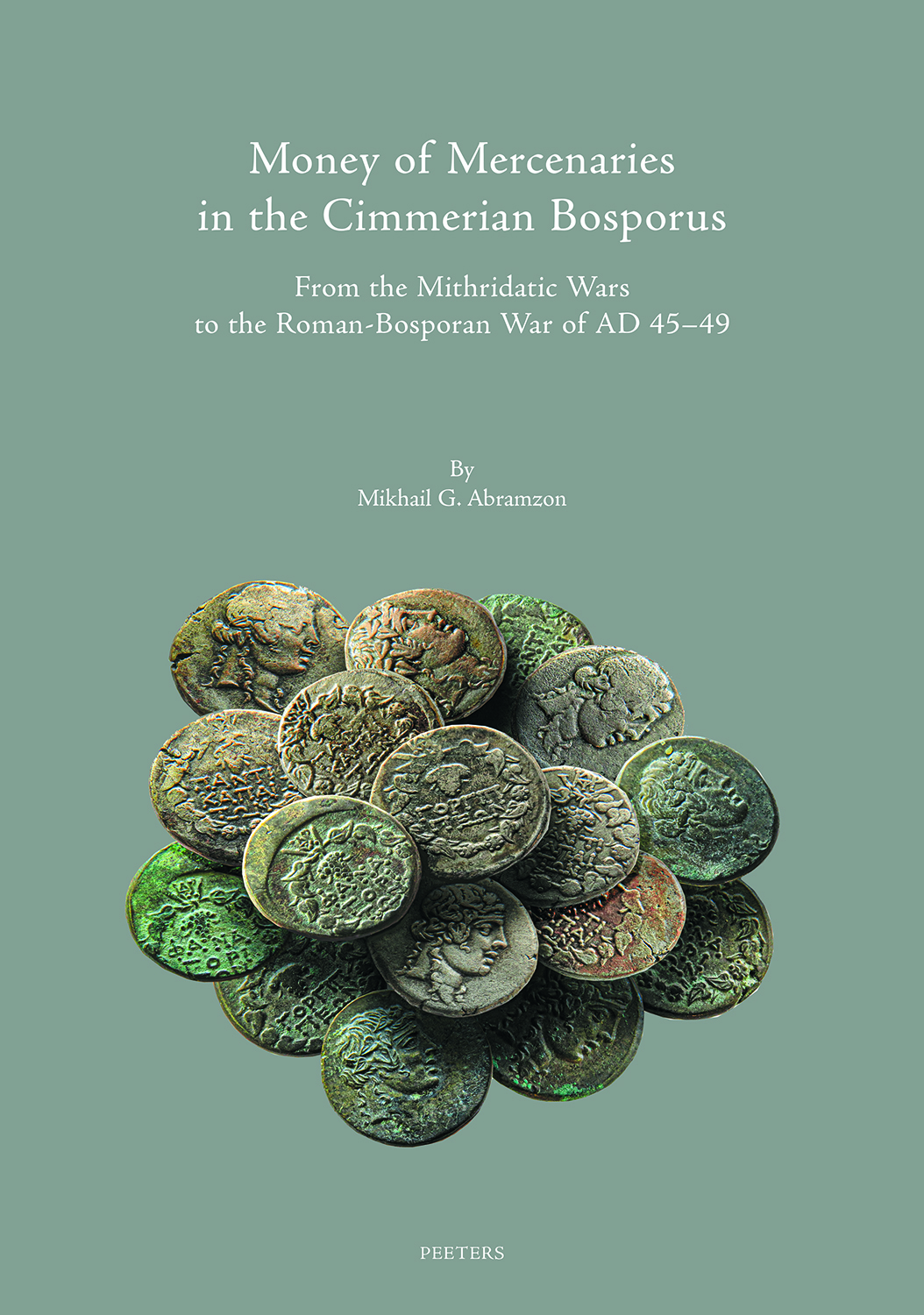 Money of Mercenaries in the Cimmerian Bosporus
From the Mithridatic Wars to the Roman-Bosporan War of AD 45-49
Volume 45

 New Research on Old Collections in Southwest Asian Archaeology
Proceedings of the Workshop Held at the British Museum, London, 31 July – 2 August, 2023
 Old Aramaic Inscriptions and their Contexts
An Epigraphic, Archaeological, and Historical Synthesis
Volume 63

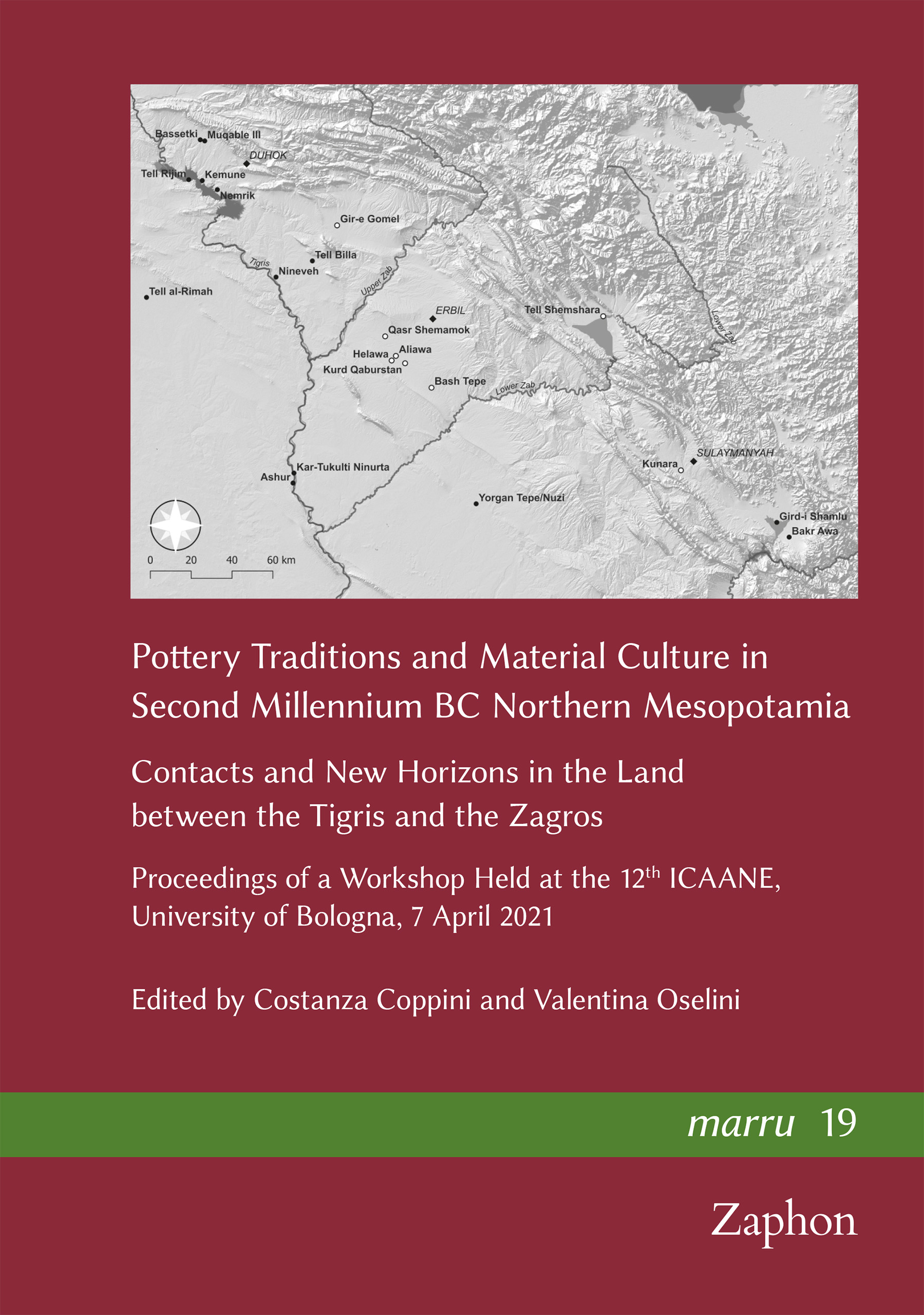 Pottery Traditions and Material Culture in Second Millennium BC Northern Mesopotamia
Contacts and New Horizons in the Land between the Tigris and the Zagros. Proceedings of a Workshop Held at the 12th ICAANE, University of Bologna, 7 April 2021
Volume 19
 Punning in Odd or Elegant Constructions in Jeremiah
The Convergence of Linguistics, Rhetoric, and Textuality in the Hebrew Text of Jeremiah

 Sertorius, the Exiles of the Sullan Regime and the Provinces of the Empire
Legitimacy, Morality and Imperial Discourse in the 70s BCE
 Shame in the Worlds of the Hebrew Bible and Akkadian Texts
A Linguistic Study and Its Implications
Volume 33

 Telling Contexts
Archaeological and Textual Studies in Honor of Elizabeth Bloch-Smith and Mark S. Smith
 The Body
Lived, Cultured, Adorned: Essays on Dress and the Body in the Bible and Ancient Near East in Honor of Nili S. Fox
 The Discourse of Rites
Shaping and Reshaping the (Counter-)Priestly Rituals Conducted Outside the Tabernacle
 The Kingdom of Kizzuwatna: Recent Developments in Research
Proceedings of the Third NINO Postdoctoral Research Fellow Annual Conference, Leiden, 23rd-25th March 2023
Volume 137