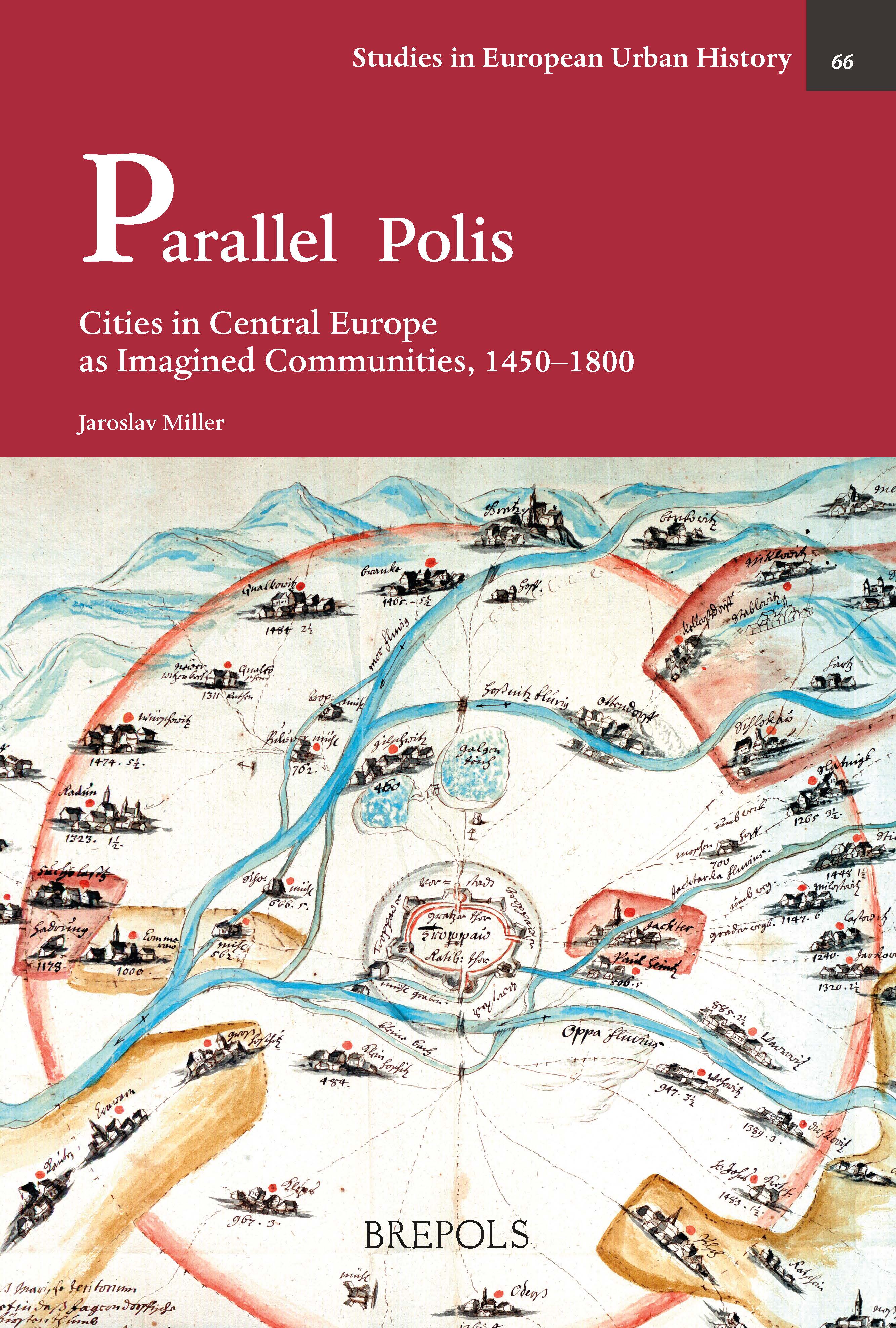
Sound and Space in Early Modern Valencia c. 1400–c. 1700
Edited by Tess Knighton Edited by Eduardo Carrero Santamaría Edited by Francesch Orts Ruiz
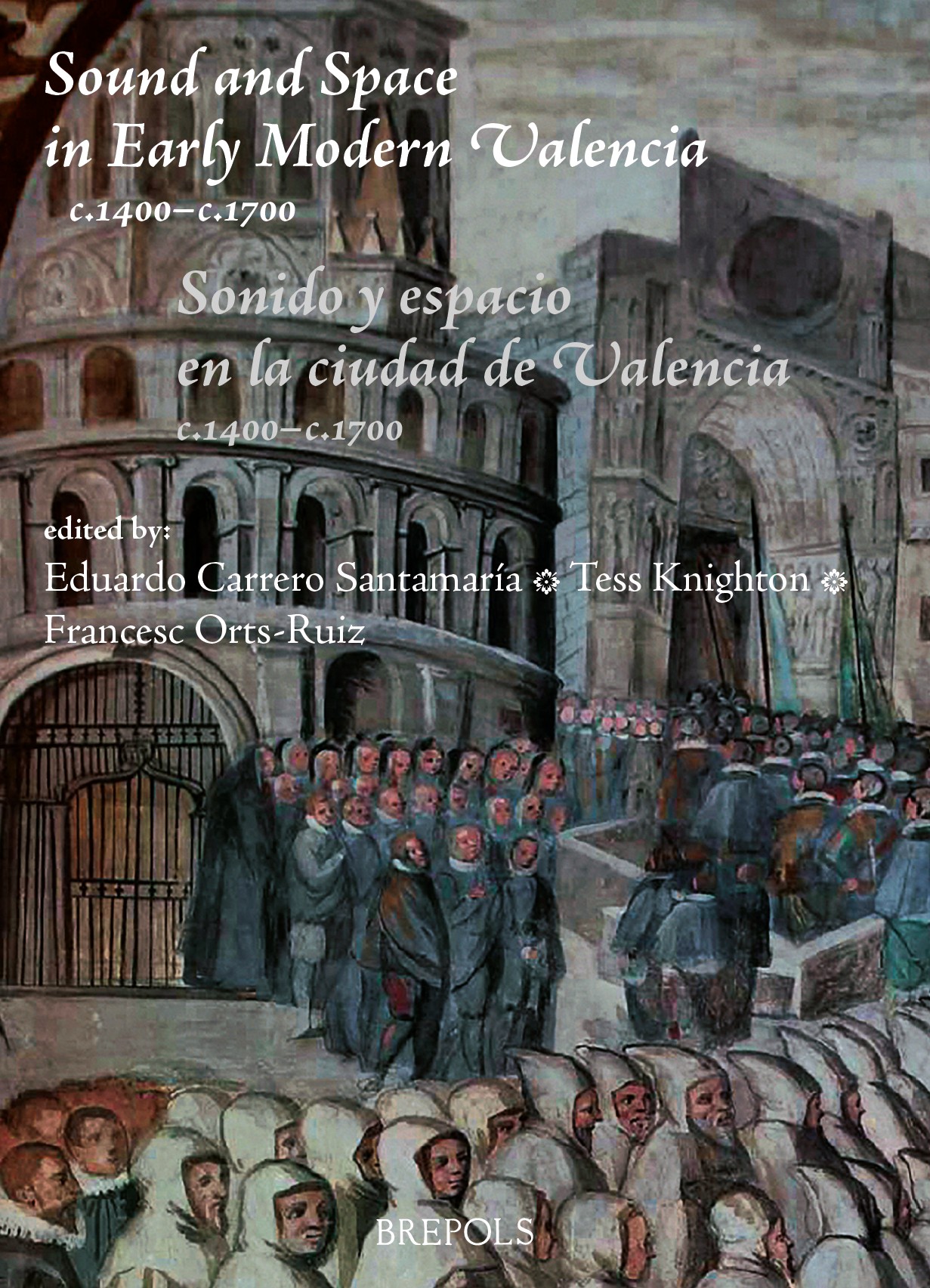
During the fifteenth century Valencia was transformed into an impressive urban complex which over the course of time became renowned for its highly developed ceremonial practices involving emblematic buildings and public spaces that shaped and were shaped by a wide variety of sounds: this dynamic and multifaceted relationship between sound and space created the city’s identity and characterised the daily life of its inhabitants.
By the later Middle Ages Valencia had become a major urban centre close to the Mediterranean and surrounded by fertile plains. From Jaume I’s conquest of the city in 1238, ecclesiastical and civic institutions were founded in rapid succession and built elegant churches and palaces to reflect their permanence and prestige. From at least the time of Francesc Eiximenis (d. 1409), the city’s authorities became increasingly aware of the importance of opening new public spaces within the web of narrow streets characteristic of Muslim conurbations in the interest of developing the representation of a Christian civic religion. These spaces, notably those in front of the royal palace, cathedral and Dominican and Franciscan monasteries, quickly established themselves as focal points for urban ritual, especially for the processional activity that marked the liturgical calendar and the devotional practices of confraternities and guilds. Sounds of all kinds shaped and were shaped by the urban complex and were generated by both the festive and non-festive events that, whether recurrent or exceptional, held deep significance for the inhabitants of the city. This interdisciplinary collection of fifteen essays explores the relationship between the sounds and spaces of late medieval and early modern Valencia to gain greater insight into how the city’s inhabitants interpreted the soundspace in which they moved and which influenced their daily lives, creating a sense of community – albeit one full of rivalry and conflict – and resulting in a coherent Valencian identity.
- Edited by Tess Knighton
- Edited by Eduardo Carrero Santamaría
- Edited by Francesch Orts Ruiz
Other Titles in this Series


 Josquin and the Sublime
Proceedings of the International Josquin Symposium at Roosevelt Academy, Middelburg, 12-15 July 2009


 Music in the Carolingian World
Witnesses to a Metadiscipline, Essays in Honor of Charles M. Atkinson


Similar Books
 A Collaborative Tapestry in Honour of Shirley Ann Brown / Une fresque brodée en l’honneur de Shirley Ann Brown
The Bayeux Tapestry Seen by her Colleagues and Friends / La Tapisserie de Bayeux vue par ses collègues et amis


 Balthasar Caymox of Nuremberg
Early Modern German Print Publishers: Popular Prints of the Seventeenth Century
 Behind the Scenes of Medieval Roofs
An Overview of the Roofing Systems of Italian Churches
Volume 90
 Beyond Sovereign Courts
Agents and Practices in Early Modern Spanish and Habsburg Diplomacy
Volume 3


 Circulation, Use, Impact
The Consumption of Architectural Books in the Early Modern Eastern Adriatic
Volume 1


 Councils, Conflicts, Correspondence
Urban Diplomacy in Reval (Tallinn) and Lübeck (c. 1470–1570)
Volume 67




 Innovation and Medieval Communities
The Circulation of Ideas and Practices in and out of the Town (1200-1500)
Volume 63
 Innovationes Lovanienses: Arts, Law and Theology at the University of Louvain (1425–1797)
Studium Lovaniense: Learning across Borders, 2
Volume 18
 John Dunstaple Reading Boethius
John Dunstaple’s Annotations to Boethius’s “De institutione musica” in the Manuscript Oxford, Corpus Christi College Library, MS 118
 Legal Visuality
Exegesis, Ambiguity, and Dissimulation of the Donation of Constantine in the Early Modern Period
 Linguistic and Cultural Dynamics in a Frontier Society
New Perspectives on Northeastern Bavaria and Western Bohemia in the Early Middle Ages
Volume 9
 Medieval Debates on Foreknowledge: Future Contingents, Prophecy, and Divination
Acts of the XXVII Annual Colloquium of the SIEPM, Trento 12-15 September 2023
Volume 31
 Medieval Yeghegis, Armenia
History, Archaeology, Society. Local Multiplicities and Global Connections of a Rural Centre on the Silk Road(s)

 Naples as Laboratory / Laboratorium Neapel
Style Options, Artistic Rivalry and Self Fashioning in Neapolitan Baroque Painting / Plurale Stilbildung, Kunstlerkonkurrenz und Self Fashioning in der neapolitanischen Barockmalerei