
Mu ammad ‘Abduh and the Ongoing Project of Islamic Reform
Edited by Walid Ghali Edited by William Ryle-Hodges

Mu ammad ‘Abduh as one of the most influential figures in the modern history of Muslim societies and the reform movement. Although his demise was at an early age (53 years) over a century ago, his thoughts and ideas are still discussed in different spheres. In the chaotic political, social and religious circumstances we find ourselves in post-Arab Spring, thinkers and scholars increasingly turn to the work of some great reformers who appeared in the late 19th century.
Mu ammad ‘Abduh (1849-1905) is an Egyptian philosopher, sociologist, and reformer ranked one of the most remarkable figures in the contemporary Muslim world. At his death in 1323/1905, he left numerous disciples and works of genuine interest and inestimable value. He was, and still is, commonly given the superb title “al-Ust dh al-Im m” (The Master and Guide); this title alone shows his influence upon his contemporaries.
‘Abduh was one of those reformers who tried to explain the reasons for the decline of Muslims and their cultures. Mu ammad ‘Abduh was born in Egypt, an autonomous province of the ancient Ottoman Empire. He was instrumental in developing one of the first political parties in Egypt (The National Party); he participated in a failed attempt at revolution ‘Urabi, 1881), went into exile, and died in Egypt under British occupation. He had many occupations: journalist, teacher, writer, politician, and the Grand Muft of Egypt. Politically, he lived through extraordinary eventful times, and politics occupied him throughout his life.
- Edited by Walid Ghali
- Edited by William Ryle-Hodges
Similar Books
 Cities through Time
Glimpses into Urbanity and Community in Mediaeval to Modern West Asia and Egypt
Volume 1
 Cuneiform Artefacts from Archaeological Contexts: New Research on Ancient Iraq
Proceedings of a Conference Held at the Bavarian Academy of Sciences and Humanities, July 4–5, 2024
Volume 2


 From the Frontiers of the Empire to the Borders of the Nations
Borderland Security and Safety in the (post-)Ottoman Spaces (1700–1939)
 Global Gulf
Geo-Economic, Geo-Political, and Geo-Technological Transformation in Saudi Arabia, the United Arab Emirates, and Qatar


 Islamic Rituals Beyond the Mosque
Historical Evolution of Prayer and Devotion in Physical Space and Cyberspace
 Ismail Hakki Bursevi’s translation of and commentary on Fusus al-Hikam By Muhyiddin Ibn ‘Arabi
Volumes 1-4
 Monastic Manuscripts from the Eastern Mediterranean (Sinai, Jerusalem, Antioch)
Production, Use, and Contexts


 Qatar’s Societal Security
Towards the Inclusive National Concept of ‘Baladna’ Identity, Migration and External Threats Since 2017
 The Biblical Tale of Judah and Tamar in Fourteenth-Century Iran
A Judeo-Persian Versified Account by Shāhīn with Scholarly Edition, Annotated Translation and Persian Transliteration
Volume 94, 951
 The Discourse of Rites
Shaping and Reshaping the (Counter-)Priestly Rituals Conducted Outside the Tabernacle




 »Ein elend-schönes Land«
Gattung und Gedächtnis in Lea Goldbergs hebräischer Literatur. Aus dem Hebräischen von Rainer Wenzel
 Al-Ğābirīs Genese und Kritik der Arabischen Vernunft
On Genesis and Critique of Arab Reason by Muḥammed ʿĀbid al-Ğābirī
 Germanistik im 21. Jahrhundert: Verbindungen – Verknüpfungen – Vernetzungen II
Literatur- und kulturwissenschaftliche Perspektiven
Volume 30

 Meine arabischen Freunde
Geschichten aus dem Maghreb für Aufklärung - gegen Islamismus und Unfreiheit

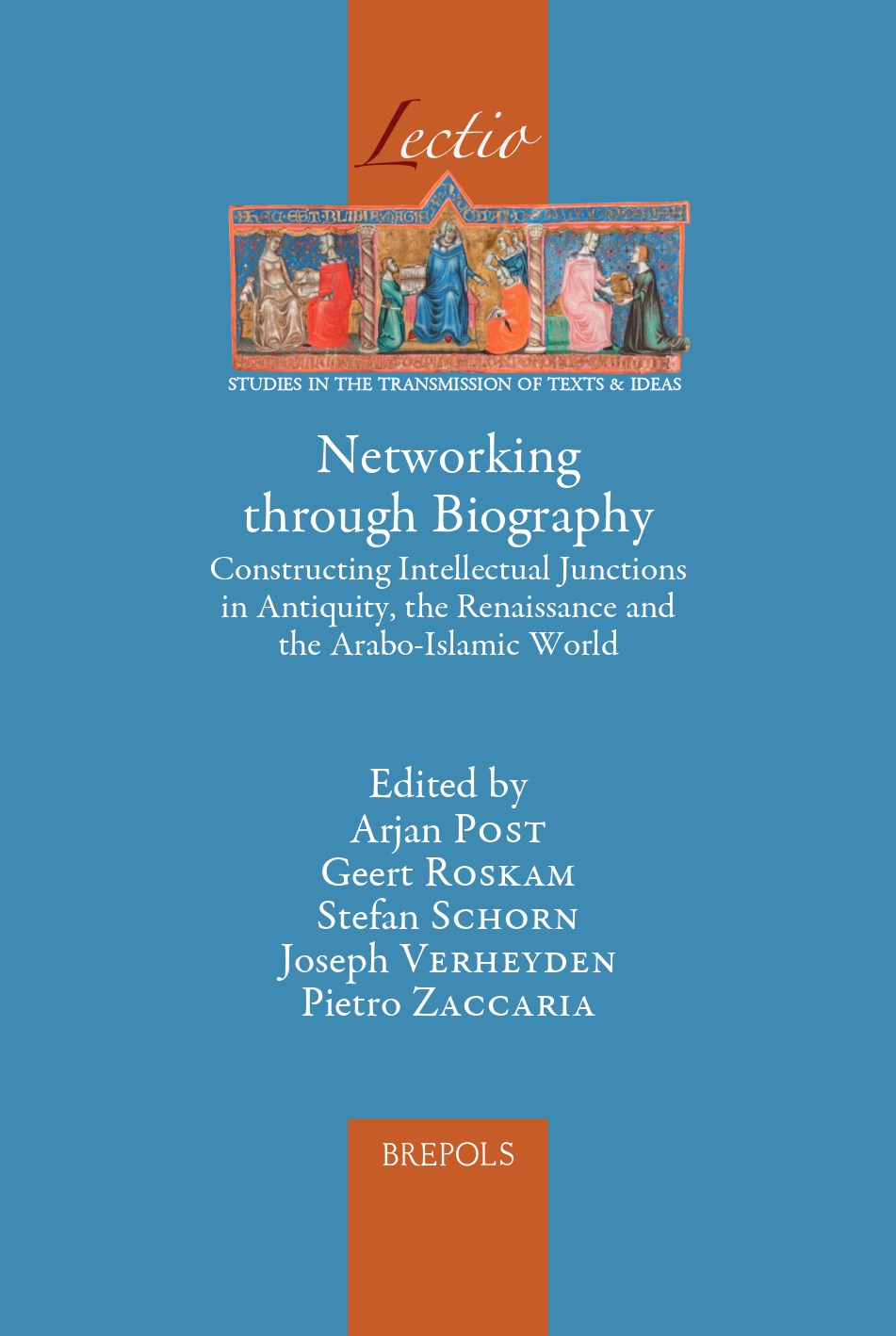 Networking through Biography
Constructing Intellectual Junctions in Antiquity, the Renaissance and the Arabo-Islamic World
Volume 19
 Protestantisme et islam. Regards croises (XVIe-XXIe siecles)
Actes du colloque organise par l'Institut Protestant de Theologie et l'Ecole Pratique des Hautes Etudes, 19-21 janvier 2022
Volume 210
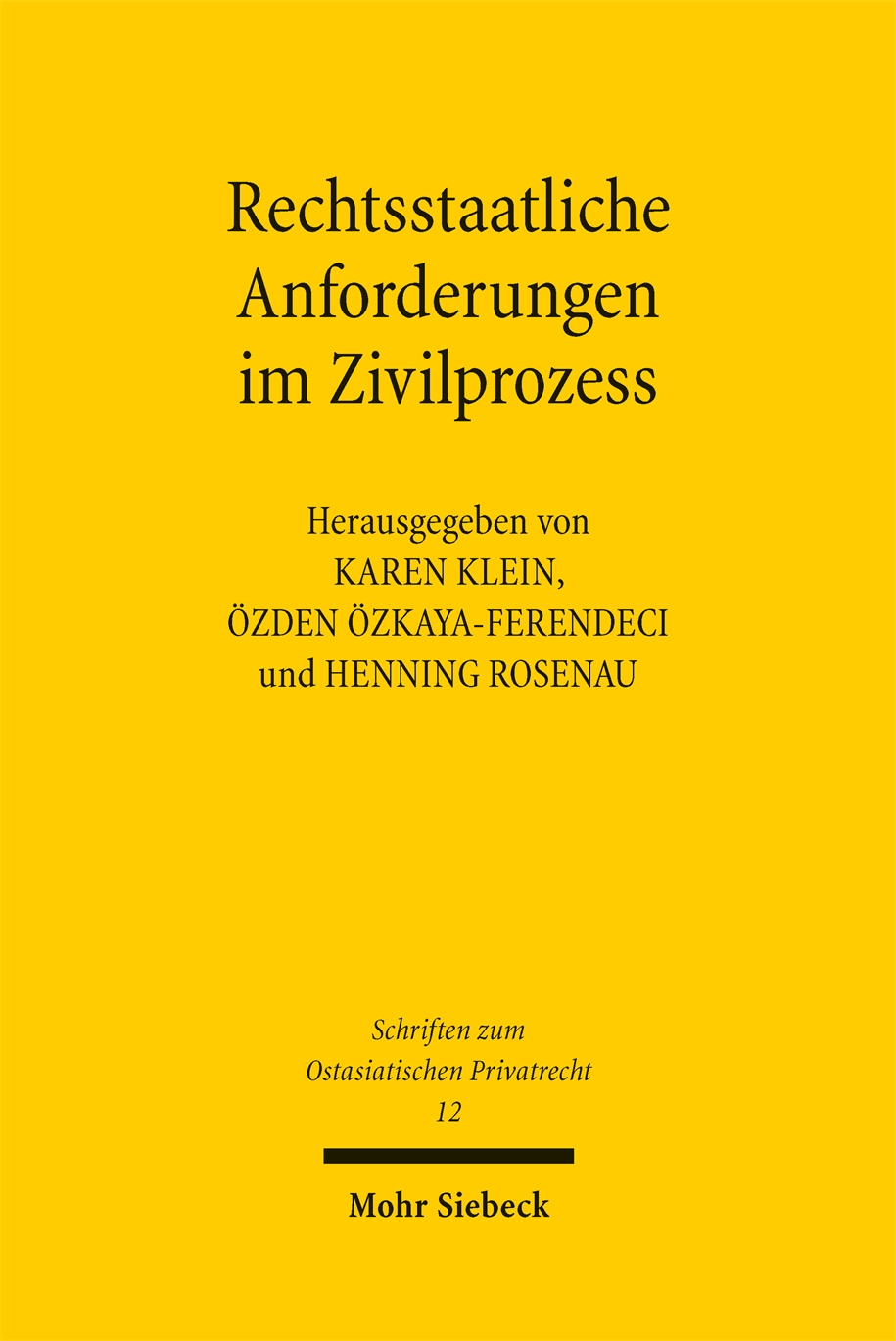 Rechtsstaatliche Anforderungen im Zivilprozess
Tagungsband des Türkisch-Japanisch-Deutschen Rechtssymposiums vom 23. bis 25. November 2023
 Vivevano alla christiana ma malamente
Comunità cattoliche, ibridazioni religiose e pluralità confessionale nei Balcani ottomani (secc. XVII-XVIII)


 Beiträge zur Islamischen Kunst und Archäologie
The Arts and Archaeology of Funerary Cultures in Islam
Volume 10.0
 Boğazköy Tablets in the Museum of Anatolian Civilisations (Bo 95–Bo 3993)
Anadolu Medeniyetleri Müzesinde Bulunan Boğazköy Tabletleri (Bo 95–Bo 3993)
Volume 3


 Discerning Religious Truth
A Didactic Exposition of the Logic and Epistemology of the Islamic Sciences
Volume 1