Negotiating Justice
A New Constitution for South Africa
Edited by Mervyn Bennun Edited by Malyn Newitt Contributions by Mervyn Bennun Contributions by Andrew Caiger Contributions by Rob Midgley Contributions by Malyn Newitt Contributions by Nico Steytler Contributions by Pierre De Vos

Paperback (Published)
(September 1995)
ISBN: 9780859894593
5.87 x 8.31 inches
Price: $21.00
In stock
Between February 1990 when the South African president, F.W. De Klerk, released Nelson Mandela from prison and legalised the ANC, and April 1994 when the first democratic elections were held, South Africa experienced revolutionary changes. This book investigates some of the problems that came to the fore during this ‘interregnum’ and seeks to explain how a peaceful transition was eventually achieved. Ordinary South Africans as well as those entrusted with building the new state were forced to consider questions of profound importance -human rights and land reform, the future of the Homelands and the validity of the democratic process. The book focuses on these issues and on the interplay of forces of stability and instability in a period that saw the spread of communal violence on a horrific scale such that many prophesied the outbreak of civil war. It offers a way of understanding this violence by looking at the way it served the perceived interests of traditional apartheid and the objectives of the whites in the ‘decolonisation’ period. The book also explores the way in which De Klerk’s National Party changed from support for Inkatha and the idea of Federalism to an alliance of convenience with the ANC which made the elections of April 1994 possible. The historical dimension of the new constitution is examined and the way in which the concept of democracy was negotiated. The book also focuses on the National Peace Accord and the attempt to create institu-tions to defuse the communal violence – the first time in the modern history of South Africa that an attempt was made to create institutions to serve the needs of the population as a whole. Other chapters examine the issue of a Bill of Rights and land reform. A close look at the experience of India since its independence throws light on what can and cannot be achieved through a formal Bill of Rights, and the options facing the new government in achieving stability in this area are realistically appraised. Between February 1990 when the South African president F.W. De Klerk, released Nelson Mandela from prison and legalised the ANC, and April 1994 when the first democratic elections were held, South Africa experienced revolutionary changes.
- Edited by Mervyn Bennun
- Edited by Malyn Newitt
- Contributions by Mervyn Bennun
- Contributions by Andrew Caiger
- Contributions by Rob Midgley
- Contributions by Malyn Newitt
- Contributions by Nico Steytler
- Contributions by Pierre De Vos
Similar Books



 As Messianism Turns to Heresy
The Regenstein Chair Lectures On Lurianic Kabbalah and Shabbatai Tzevi at Hebrew Union College - Cincinnati

 Beyond Sovereign Courts
Agents and Practices in Early Modern Spanish and Habsburg Diplomacy
Volume 3




 Food Security under Armed Conflict
Global Knowledge Landscape and Public Attention to Social, Economic, and Humanitarian Dimensions

 Innovationes Lovanienses: Arts, Law and Theology at the University of Louvain (1425–1797)
Studium Lovaniense: Learning across Borders, 2
Volume 18


 Music and Colonialism in Fascist Italy
Identity, Propaganda, and Ethnographic Representation
Volume 13
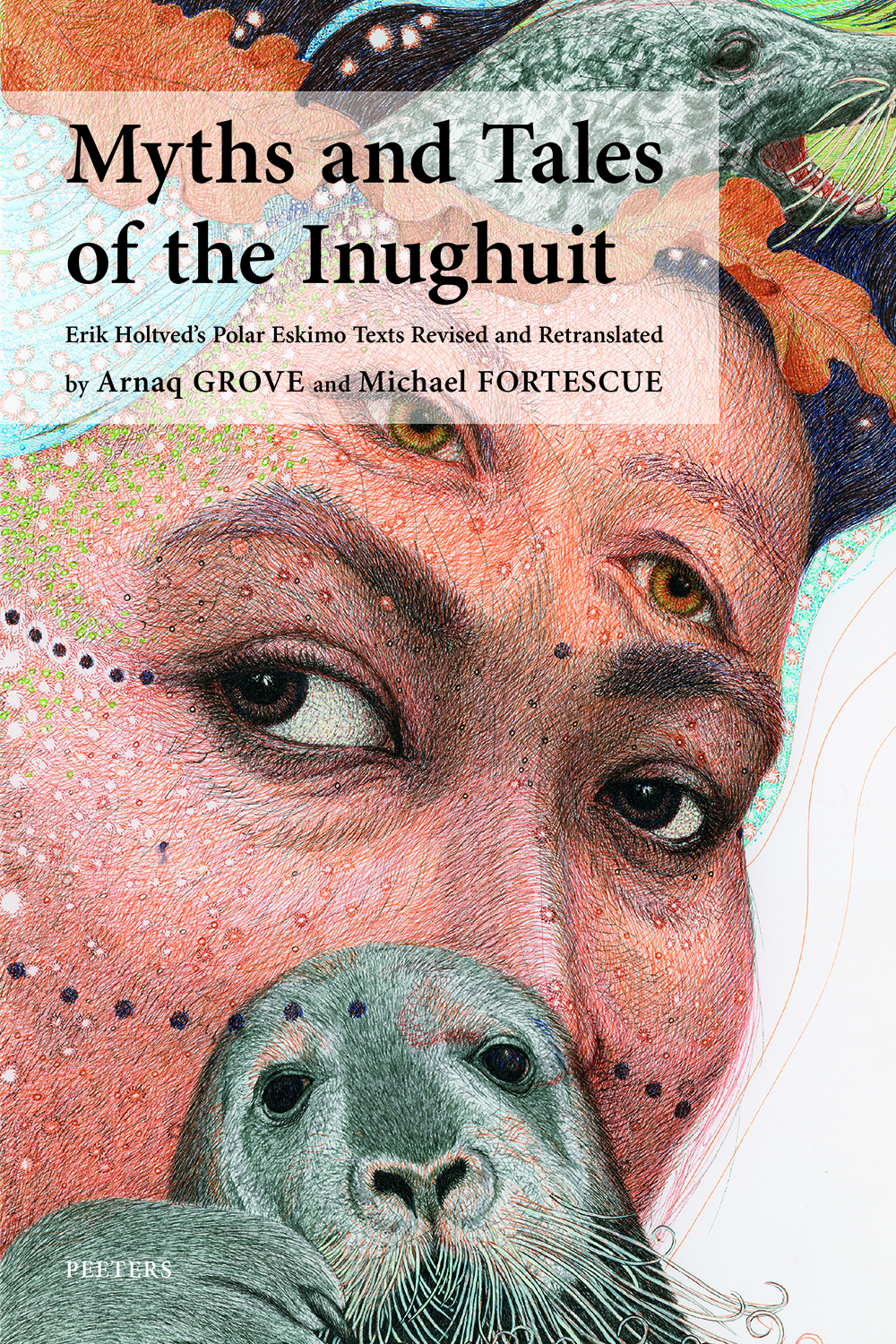 Myths and Tales of the Inughuit
Erik Holtved's Polar Eskimo Texts Revised and Re-translated into Danish and English
Volume 475, 12


 Students, Scholars and Their Books at the University of Louvain (1425-1797)
Studium Lovaniense: Learning across Borders, 1
Volume 17


 The Exeter Companion to Fairies, Nereids, Trolls and other Social Supernatural Beings
European Traditions


 The Phantom Hitchhiker
Italian Literature, Japanese Lore, and the Transnational Afterlives of a Global Ghost Story