
Corpus of Cuneiform Texts in the Metropolitan Museum of Art II
Literary and Scholastic Texts of the First Millennium B.C
By (author) Ira Spar

This important scholarly work is volume two in a series of four volumes that will publish all the more than six hundred cuneiform tablets in the collection of the Metropolitan Museum of Art. Included are 106 religious, scientific, scholastic, and literary texts, written in Sumerian and Akkadian and primarily dated to the latter part of the first millenium b.c. They shed new light on the civilization of the ancient Near East – on its complex beliefs and customs and surprisingly vast knowledge of mathematics and astronomy – for both the contemporary scholar and interested reader. The texts are organized in five sections: Documents of the Temple Cult include hymns and prayers, rituals and petitions; Documents of the Incantation Priest, Diviner, Physician, and Magician reveal various categories of omens; Literary Texts present myths and legends; The Scholastic Tradition contains a variety of texts and lists, including mathematical and astronomical texts; and the final section covers Unidentified Fragments. Among the most important texts are No. 42, a fragment of the Babylonian version of the ancient Flood story, and No. 81, which attests to the intellectual achievement of Babylonian astronomers. Eighteen distinguished international scholars in the field have contributed transliterations and translations of each tablet, and these are accompanied by commentaries and by insightful introductory essays on each genre. The volume was assembled and edited by Ira Spar, Professor of Ancient Studies at Ramapo College of New Jersey, and W. G. Lambert, Professor Emeritus of the University of Birmingham, England. Lambert also contributed several entries and a general introduction that provides contextual information about the transmission of the literary and scholastic tradition in pre-Hellenistic Mesopotamia. The precise facsimile drawings of every tablet hand-made by Ira Spar are a valuable visual accompaniment to the text. This publication reaffirms the Museum’s ongoing commitment to promote wider knowledge of Ancient Near Eastern civilization. And significantly, it appears at a time when better understanding of the history and culture of that region of the world holds particular relevance. Volume one of this series (1988) documents 120 tablets, cones, and bricks from the third and second millenia b.c. Volume three (2000) covers private archive texts from the first millenium B.C. Volume four, in preparation, will include an edition of cuneiform tablets written in the first millenium b.c. and inscriptions on bricks, cylinders, and prisms of royal records of the kings of Babylon and Assyria.
This important scholarly work is volume two in a series of four volumes that will publish all the more than six hundred cuneiform tablets in the collection of the Metropolitan Museum of Art. Included are 106 religious, scientific, scholastic, and literary texts, written in Sumerian and Akkadian and primarily dated to the latter part of the first millenium b.c. They shed new light on the civilization of the ancient Near East – on its complex beliefs and customs and surprisingly vast knowledge of mathematics and astronomy – for both the contemporary scholar and interested reader. The texts are organized in five sections: Documents of the Temple Cult include hymns and prayers, rituals and petitions; Documents of the Incantation Priest, Diviner, Physician, and Magician reveal various categories of omens; Literary Texts present myths and legends; The Scholastic Tradition contains a variety of texts and lists, including mathematical and astronomical texts; and the final section covers Unidentified Fragments. Among the most important texts are No. 42, a fragment of the Babylonian version of the ancient Flood story, and No. 81, which attests to the intellectual achievement of Babylonian astronomers. Eighteen distinguished international scholars in the field have contributed transliterations and translations of each tablet, and these are accompanied by commentaries and by insightful introductory essays on each genre. The volume was assembled and edited by Ira Spar, Professor of Ancient Studies at Ramapo College of New Jersey, and W. G. Lambert, Professor Emeritus of the University of Birmingham, England. Lambert also contributed several entries and a general introduction that provides contextual information about the transmission of the literary and scholastic tradition in pre-Hellenistic Mesopotamia. The precise facsimile drawings of every tablet hand-made by Ira Spar are a valuable visual accompaniment to the text. This publication reaffirms the Museum’s ongoing commitment to promote wider knowledge of Ancient Near Eastern civilization. And significantly, it appears at a time when better understanding of the history and culture of that region of the world holds particular relevance. Volume one of this series (1988) documents 120 tablets, cones, and bricks from the third and second millenia b.c. Volume three (2000) covers private archive texts from the first millenium B.C. Volume four, in preparation, will include an edition of cuneiform tablets written in the first millenium b.c. and inscriptions on bricks, cylinders, and prisms of royal records of the kings of Babylon and Assyria.
- By (author) Ira Spar
Similar Books





 Connecting the Dots: Counting, Writing, and the Beginnings of Civilization
The Secret Lives of Clay Tokens: A Memoir

 Curating the Prehistoric Past
Studies on West Asian Archaeology and Beyond in Honour of Yoshihiro Nishiaki

 Exploring Gender Dynamics across the Ancient Near East
Collected Essays of Gender and Methodology in the Ancient Near East (GeMANE) 4 and 5
Volume 7


 Ḫattušaš utnē išḫameški
Hittite and Other Ancient Near Eastern Studies Presented to Piotr Taracha on the Occasion of His 65th Birthday




 Kultur – Kontakt – Kultur
Beiträge anlässlich der 66. Rencontre Assyriologique Internationale in Frankfurt/Main und Mainz, 25.–29. Juli 2022
Volume 35
 Money of Mercenaries in the Cimmerian Bosporus
From the Mithridatic Wars to the Roman-Bosporan War of AD 45-49
Volume 45

 New Research on Old Collections in Southwest Asian Archaeology
Proceedings of the Workshop Held at the British Museum, London, 31 July – 2 August, 2023
 Old Aramaic Inscriptions and their Contexts
An Epigraphic, Archaeological, and Historical Synthesis
Volume 63

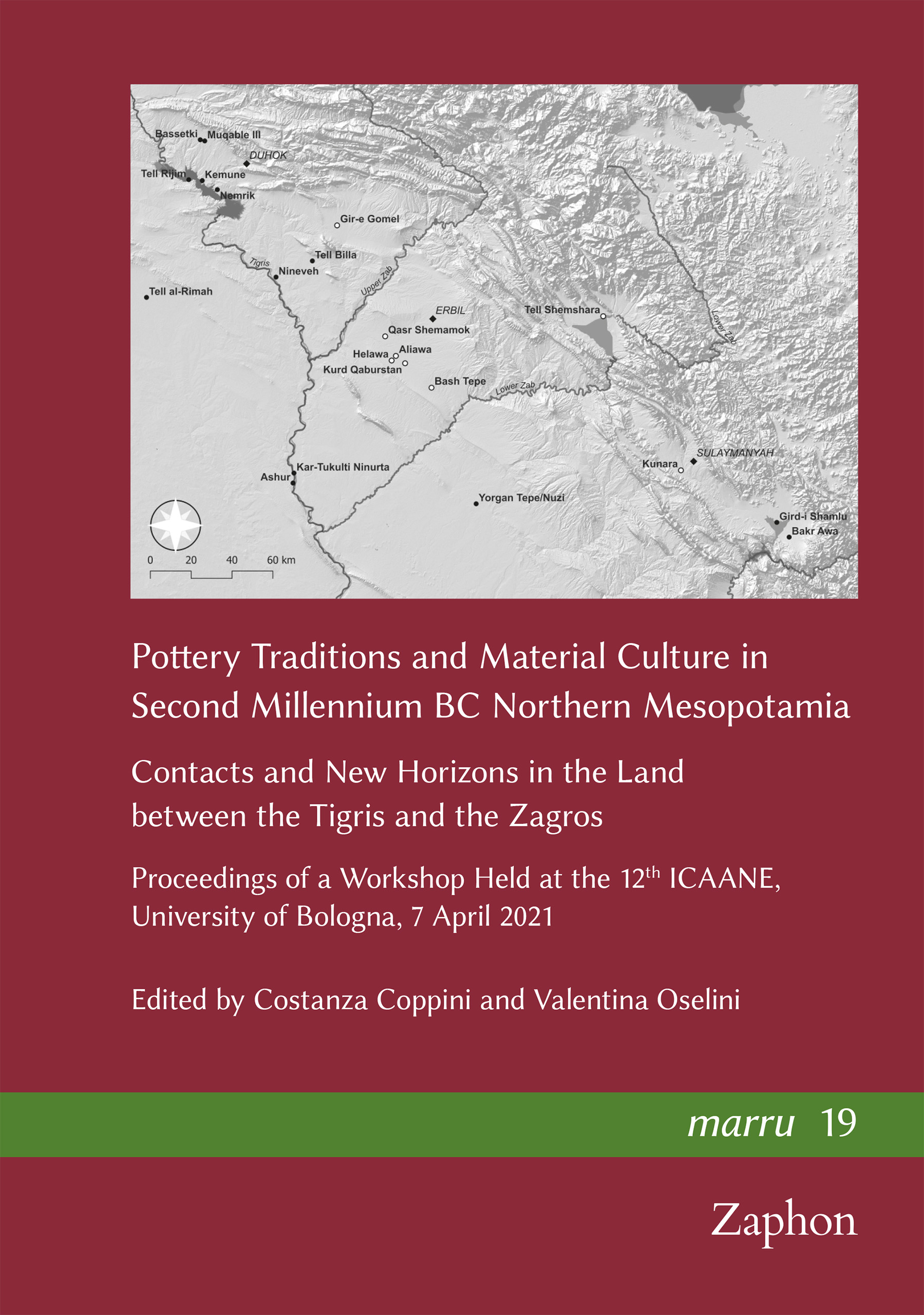 Pottery Traditions and Material Culture in Second Millennium BC Northern Mesopotamia
Contacts and New Horizons in the Land between the Tigris and the Zagros. Proceedings of a Workshop Held at the 12th ICAANE, University of Bologna, 7 April 2021
Volume 19
 Punning in Odd or Elegant Constructions in Jeremiah
The Convergence of Linguistics, Rhetoric, and Textuality in the Hebrew Text of Jeremiah

 Sertorius, the Exiles of the Sullan Regime and the Provinces of the Empire
Legitimacy, Morality and Imperial Discourse in the 70s BCE
 Shame in the Worlds of the Hebrew Bible and Akkadian Texts
A Linguistic Study and Its Implications
Volume 33

 Telling Contexts
Archaeological and Textual Studies in Honor of Elizabeth Bloch-Smith and Mark S. Smith
 The Body
Lived, Cultured, Adorned: Essays on Dress and the Body in the Bible and Ancient Near East in Honor of Nili S. Fox
 The Discourse of Rites
Shaping and Reshaping the (Counter-)Priestly Rituals Conducted Outside the Tabernacle
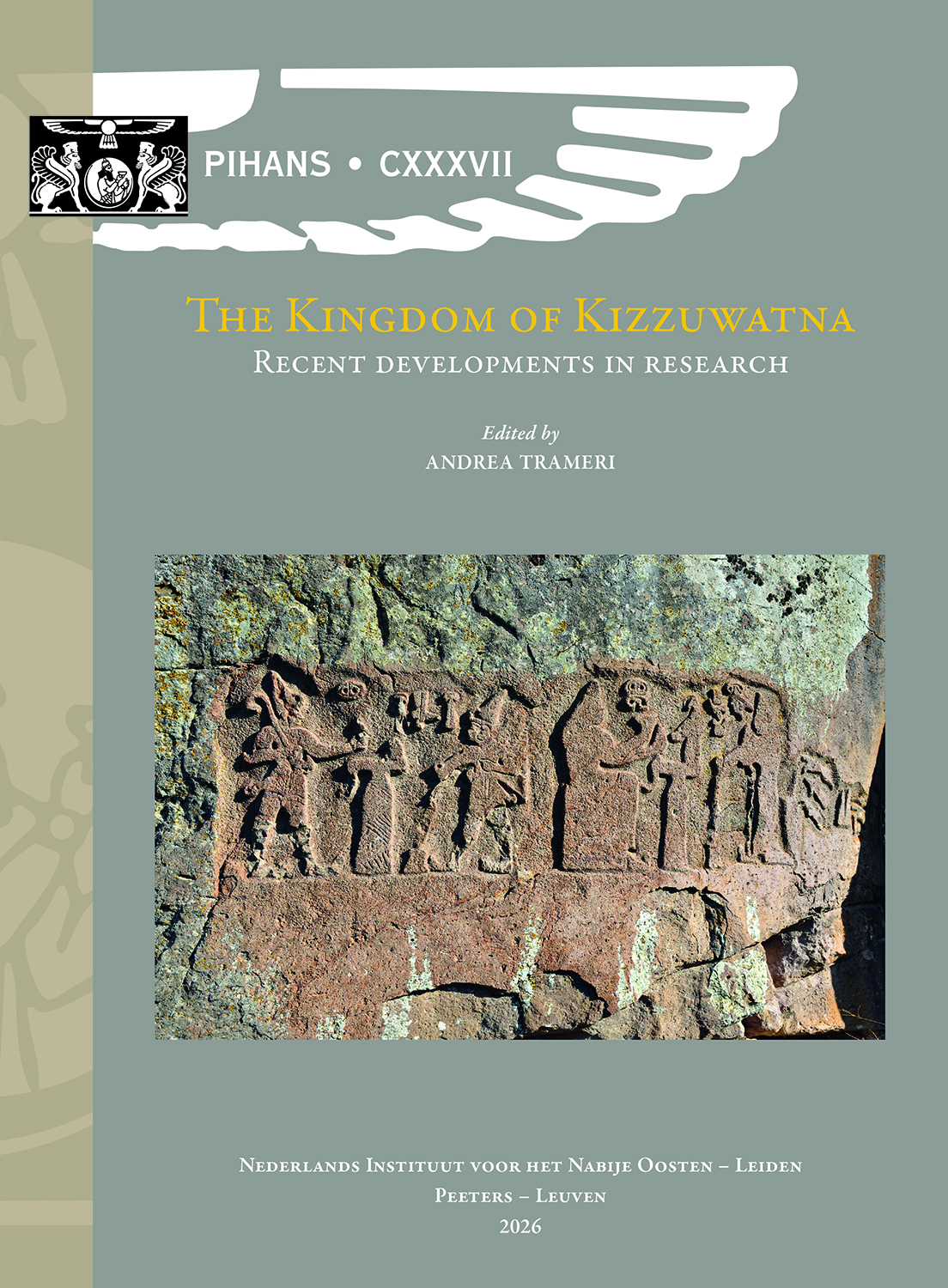 The Kingdom of Kizzuwatna: Recent Developments in Research
Proceedings of the Third NINO Postdoctoral Research Fellow Annual Conference, Leiden, 23rd-25th March 2023
Volume 137


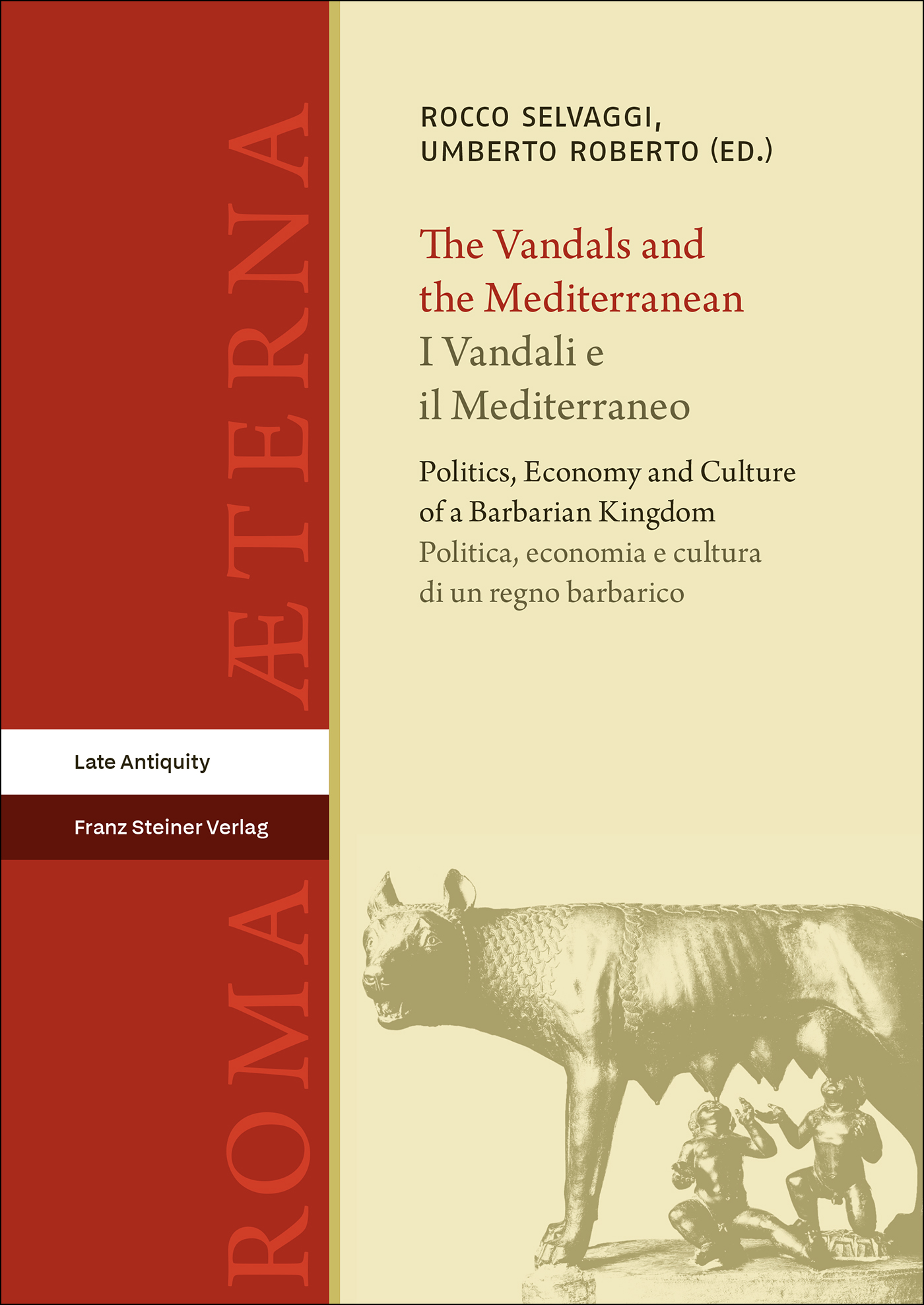 The Vandals and the Mediterranean / I Vandali e il Mediterraneo
Politics, Economy and Culture of a Barbarian Kingdom / Politica, economia e cultura di un regno barbarico