
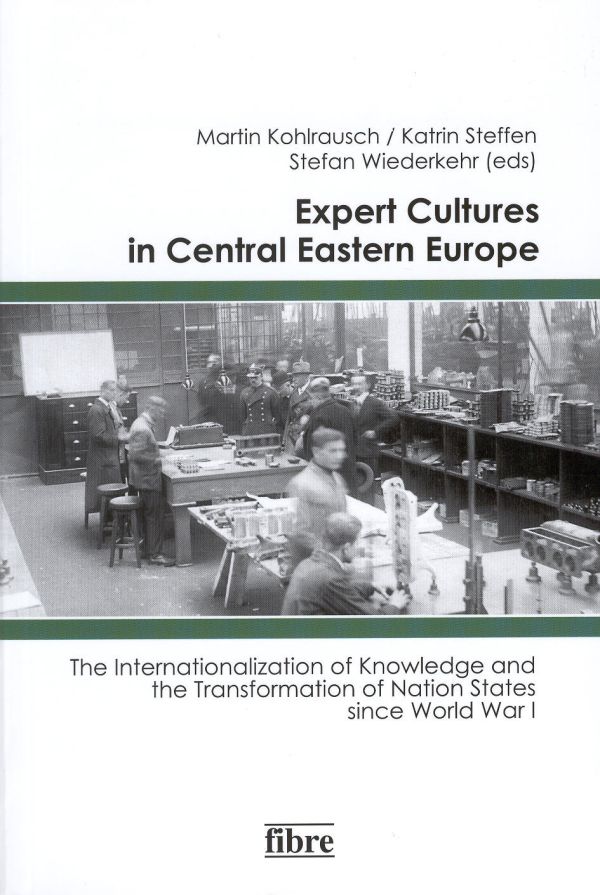
Expert Cultures in Central Eastern Europe
The Internationalization of Knowledge and the Transformation of Nation States since World War I
Edited by Martin Kohlrausch Edited by Katrin Steffen Edited by Stefan Wiederkehr
Paperback (Published)
(May 2010)
ISBN: 9783938400586
6.02 x 8.98 inches
Price: $87.00
On back order
The 20th century can be described as the century of the expert. The emergence of the expert as a specific type of professionally qualified individual was a result of the growing scientification of economy, society and politics. In his public function, the expert always operates between a universalist understanding of science and the politically defined requirements of the nation state.
This volume examines the fate of the expert in Central Eastern Europe from the breakdown of the dynastic empires after World War I to the end of Communism. This multiethnic region with its turbulent tradition of statehood and changing political systems provides an ideal case to reveal the complex relationship between the transnational cooperation among experts on the one hand and their national orientation on the other.
- Edited by Martin Kohlrausch
- Edited by Katrin Steffen
- Edited by Stefan Wiederkehr
Other Titles in this Series
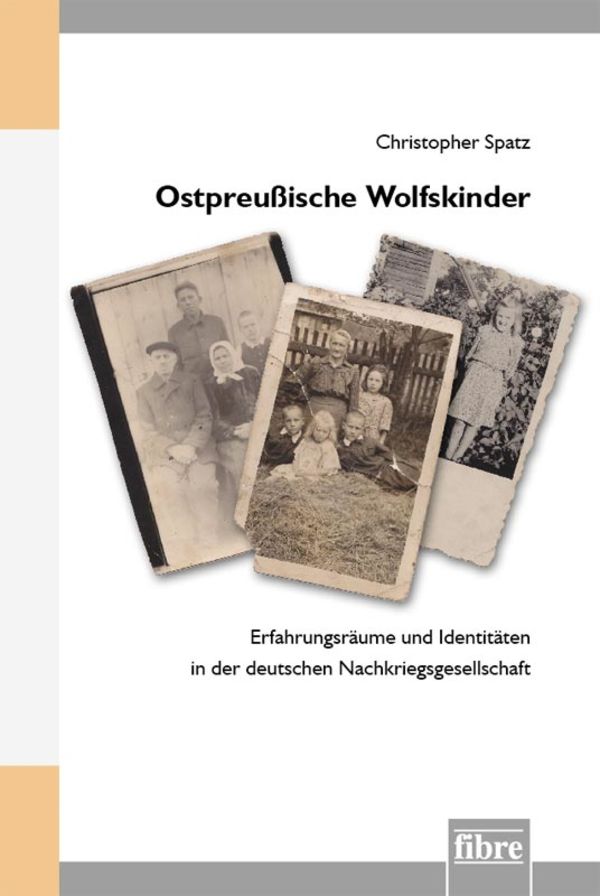 Ostpreußische Wolfskinder
Erfahrungsräume und Identitäten in der deutschen Nachkriegsgesellschaft
Volume 35
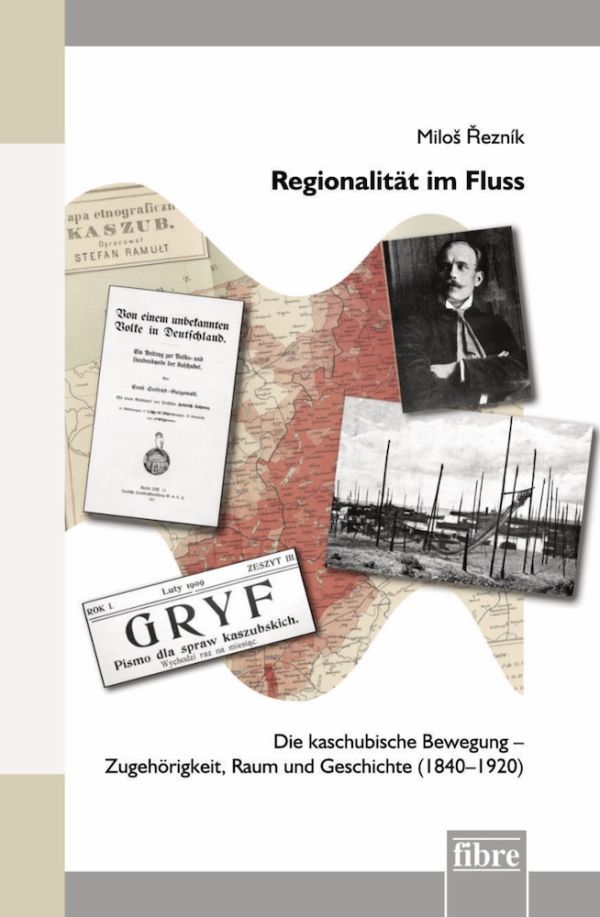 Regionalität im Fluss
Die kaschubische Bewegung – Zugehörigkeit, Raum und Geschichte (1840–1920)
Volume 48
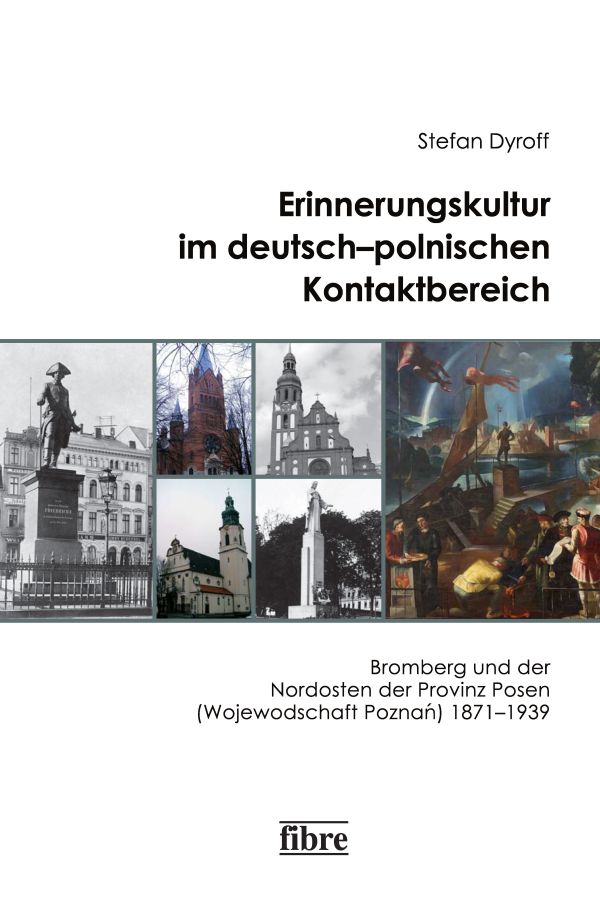 Erinnerungskultur im deutsch-polnischen Kontaktbereich
Bromberg und der Nordosten der Provinz Posen (Wojewodschaft Poznań) 1871–1939
Volume 19
 Beruf und Berufung transnational
Deutsche und polnische Akademikerinnen in der Zwischenkriegszeit
Volume 38
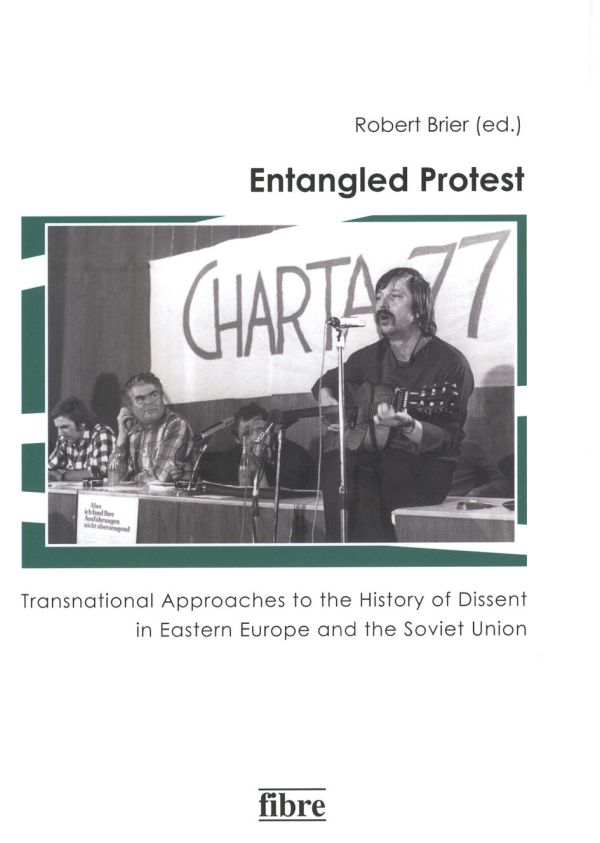 Entangled Protest
Transnational Approaches to the History of Dissent in Eastern Europe and the Soviet Union
Volume 31
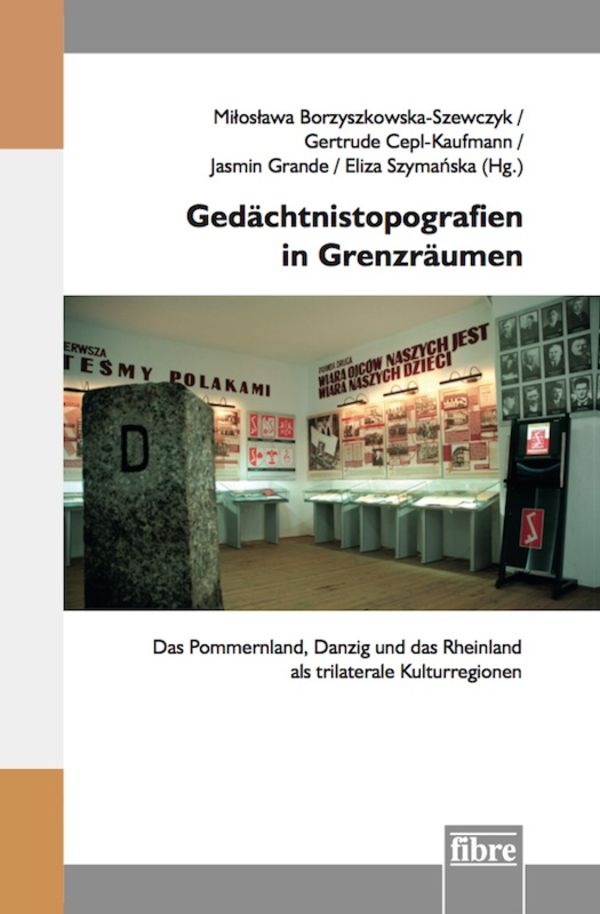 Gedächtnistopografien in Grenzräumen
Das Pommernland, Danzig und das Rheinland als trilaterale Kulturregionen
Volume 44
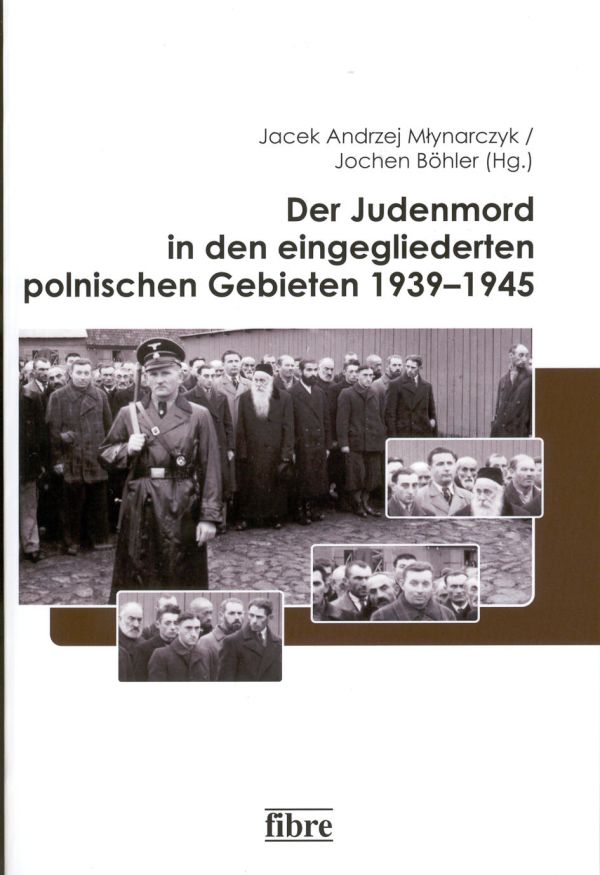
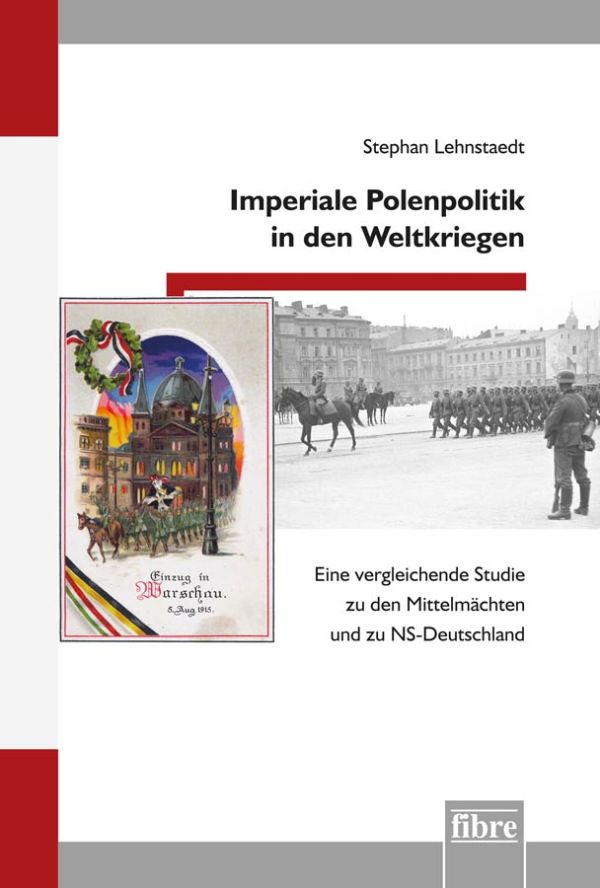 Imperiale Polenpolitik in den Weltkriegen
Eine vergleichende Studie zu den Mittelmächten und zu NS-Deutschland
Volume 36
 Nationsbildung und Außenpolitik im Osten Europas
Nationsbildungsprozesse, Konstruktionen nationaler Identität und außenpolitische Positionierungen im 20. und 21. Jahrhundert
Volume 41
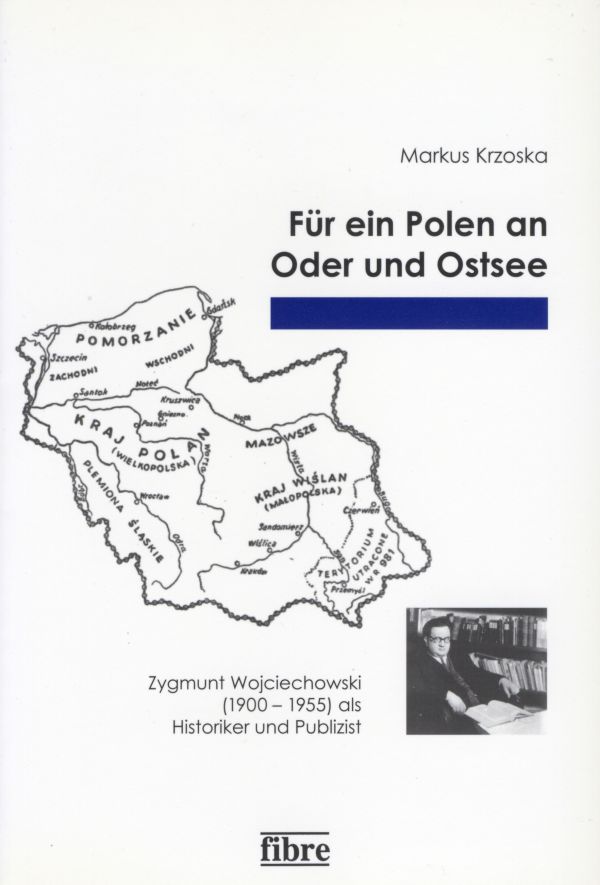 Für ein Polen an Oder und Ostsee
Zygmunt Wojciechowski (1900–1955) als Historiker und Publizist
Volume 8
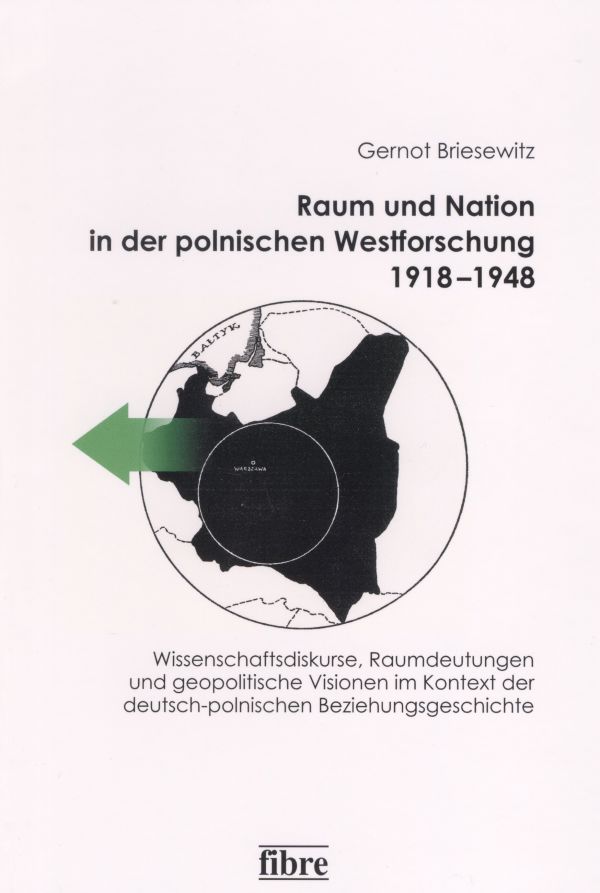 Raum und Nation in der polnischen Westforschung 1918–1948
Wissenschaftsdiskurse, Raumdeutungen und geopolitische Visionen im Kontext der deutsch-polnischen Beziehungsgeschichte
Volume 32
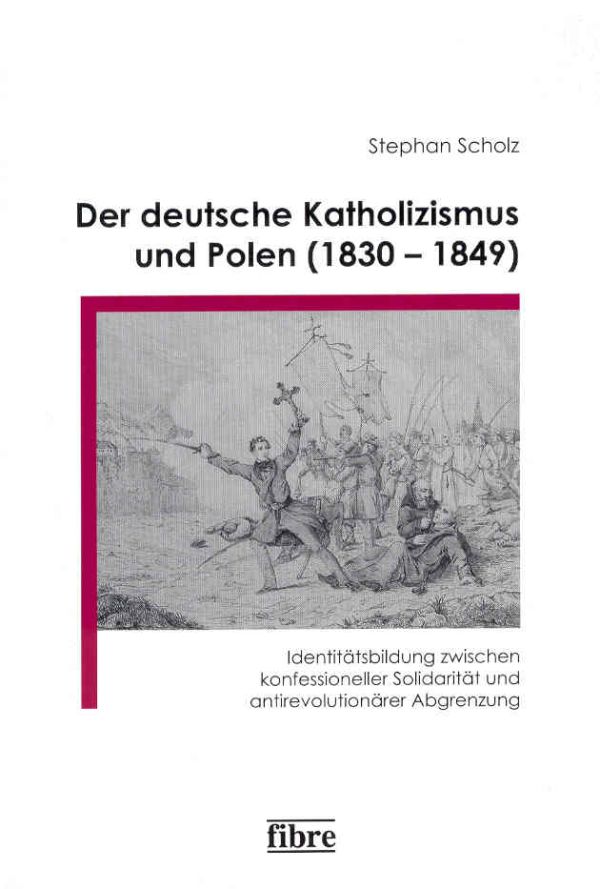 Der deutsche Katholizismus und Polen (1830–1849)
Identitätsbildung zwischen konfessioneller Solidarität und antirevolutionärer Abgrenzung
Volume 13
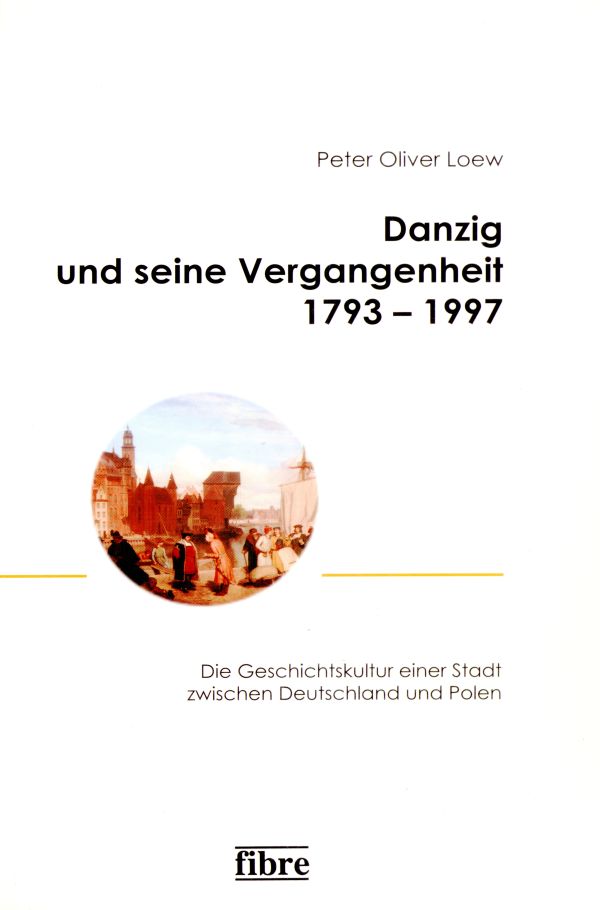 Danzig und seine Vergangenheit 1793–1997
Die Geschichtskultur einer Stadt zwischen Deutschland und Polen
Volume 9
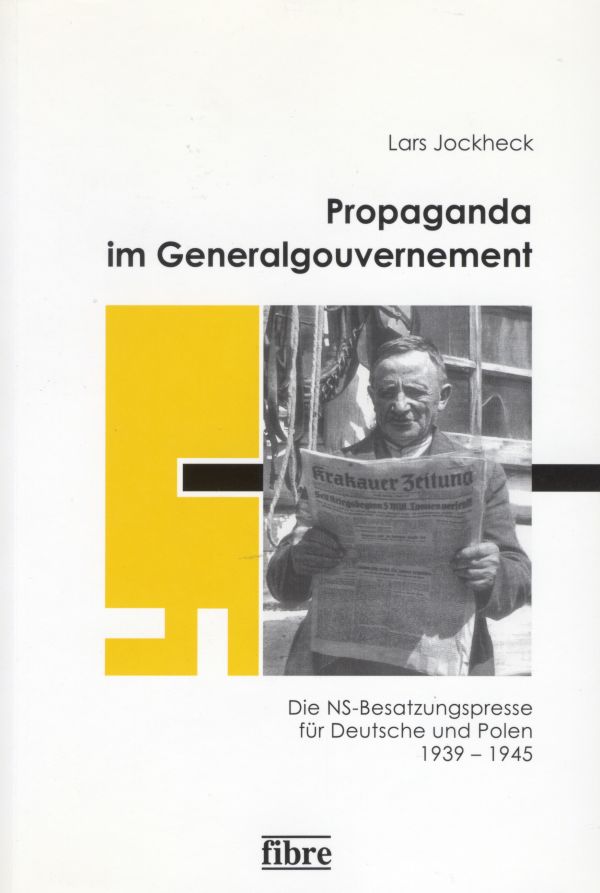 Propaganda im Generalgouvernement
Die NS-Besatzungspresse für Deutsche und Polen 1939–1945
Volume 15
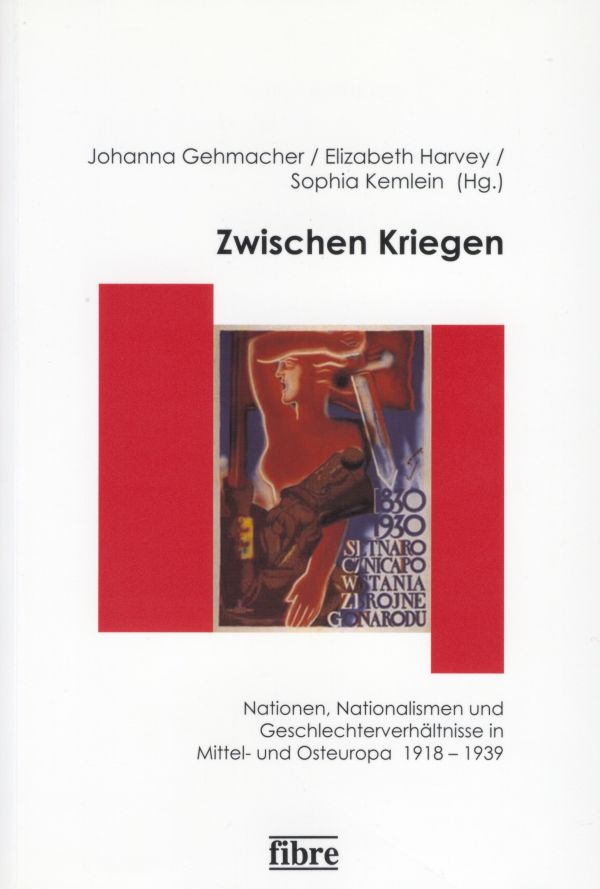 Zwischen Kriegen
Nationen, Nationalismen und Geschlechterverhältnisse in Mittel- und Osteuropa 1918-1939
Volume 7
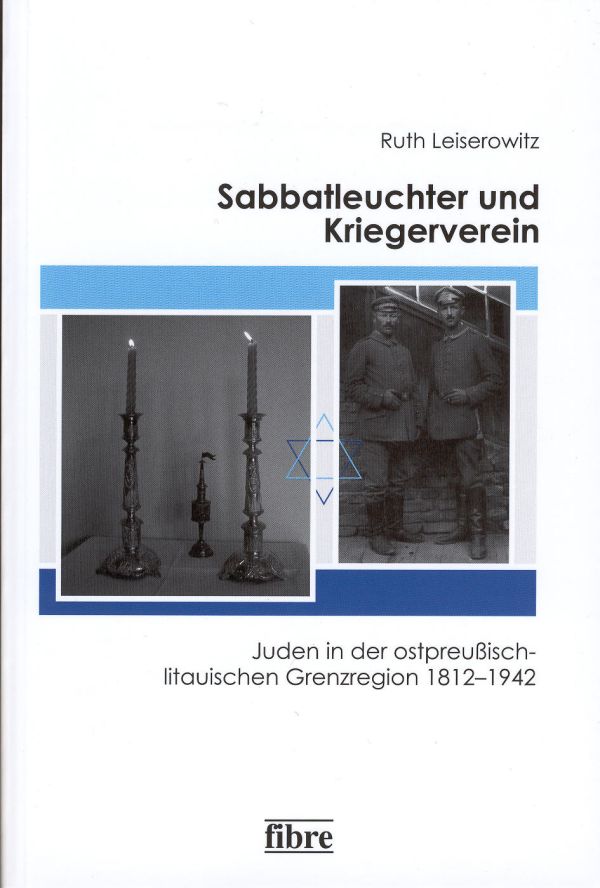 Sabbatleuchter und Kriegerverein
Juden in der ostpreußisch-litauischen Grenzregion 1812–1942
Volume 24
Similar Books



 Dis/United States of Vulnerability
Literary and Cultural Transgressions in U.S. Poetry Since the 1960s
Volume 330


 European Drama and Performance Studies
Dramatisations politiques. Théâtre, politique et idéologie au XIXe siècle (1806-1914)
Volume 27


 Modernization, Crises, Cultural Revolutions
Yugoslavia’s 1960s and 1970s through the amateur film lens


 Visual Memory and Oblivion
Monuments and Conflicts in Urban Spaces in Central and Eastern Europe from the Nineteenth Century to the Present Day



 “Tod durch Erschießen”
Generaloberst Nikolaus von Falkenhorst. Wehrmachtsbefehlshaber in Norwegen 1940–1945. Erinnerungen – Verhörprotokolle – Urteilssprüche
Volume 63
 “Zum Siege unserer menschenfreundlichen Prinzipien”
Ungarische Freimaurernetzwerke im „Orient“ 1886-1920


 Coburgs südöstliche Netzwerke – Coburg’s Networks in Southeastern Europe
Bulgarien, Rumänien und Ostmitteleuropa im 19. und 20. Jahrhundert. Hrsg. von Franziska Bartl und Frank-Lothar Kroll mit einem Grußwort Seiner Majestät des Königs der Bulgaren Simeon II.
Volume 39


 Dark Like You
Zur medienreflexiven Modernität der Kinder- und Jugendzeitschrift ‚The Brownies’ Book‘ (1920–1921)
Volume 191
 Das Generalgouvernement Belgien im Ersten Weltkrieg 1914-17–1918
Die Erinnerungen des Generalobersten Ludwig Freiherrn von Falkenhausen
Volume 64
 Das Werden einer Universität
Die Protokolle des Akademischen Senats der Hamburgischen Universität 1919–1921