
Mensch und Tier in der Antike
Grenzziehung und Grenzüberschreitung
Edited by Annetta Alexandridis Edited by Markus Wild Edited by Lorenz Winkler-Horacek
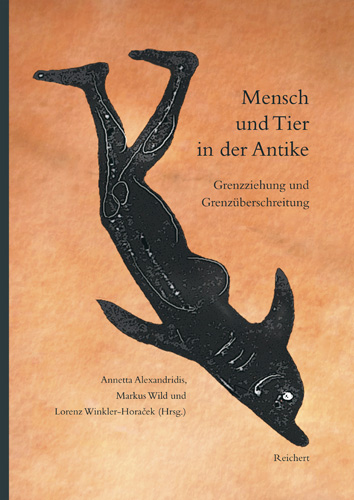
Hardback (Published)
(January 2009)
ISBN: 9783895005831
6.69 x 9.45 inches
Price: $87.00
On back order
These conference proceedings explore the encounter of human and animal nature from a philological, historical and archaeological perspective in areas such as the body, myth, religion and cult, politics and philosophy. Ancient texts and images present a broad variety of approaches to the question of how, if at all, to define the boundaries between both species. At the same time it becomes evident, how strongly the conception of both humans and animals were shaped by anthropomorphism, so that a distinction between both is in the end impossible.
English summary: These conference proceedings explore the encounter of human and animal nature from a philological, historical and archaeological perspective in areas such as the body, myth, religion and cult, politics and philosophy. Ancient texts and images present a broad variety of approaches to the question of how, if at all, to define the boundaries between both species. At the same time it becomes evident, how strongly the conception of both humans and animals were shaped by anthropomorphism, so that a distinction between both is in the end impossible. German description: Dieser Kongressband untersucht aus philologischer, historischer und archaologischer Perspektive verschiedene Bereiche der Antike, in denen Mensch und Tier, oder auch menschliche und tierische Naturen, aufeinandertreffen. Antike Texte und Bilder aus Religion und Kult, Mythos, Politik und Philosophie zeigen ein weites Spektrum an Moglichkeiten, wie die Grenzen zwischen Mensch und Tier gezogen oder aber auch aufgelost werden konnen. Die Vorstellungen, die sich in Sprache, Texten und Bildern manifestierten, sind allerdings so stark von Anthropomorphismus gepragt, dass eine konzeptionelle Trennung von Mensch und Tier kaum moglich ist.
- Edited by Annetta Alexandridis
- Edited by Markus Wild
- Edited by Lorenz Winkler-Horacek
"The 25 chapters are based on papers presented at a conference and investigate how the line between man and beast was drawn and redrawn, investigated, challenged and occasionally crossed in a number of ancient texts and contexts [...] [This volume] illustrates how the question of the animal resonates beyond the confines of the philosophical debate." Julia Kindt, University of SydneyIn: Journal of Hellenic Studies 137 (2017) 213-225
—
„The 25 chapters are based on papers presented at a conference and investigate how the line between man and beast was drawn and redrawn, investigated, challenged and occasionally crossed in a number of ancient texts and contexts [...] [This volume] illustrates how the question of the animal resonates beyond the confines of the philosophical debate.“<br/><br/>Von: Julia Kindt, University of Sydney<br/>In: Journal of Hellenic Studies 137 (2017) 213-225<br/><br/>------------------------------------------------------<br/>„The present book originated in a symposium held at the University of Rostock, Germany, in 2005. Subject is the relationship between man and animal in antiquity, a theme explored in 25 papers. Typical subjects discussed are: Plato, Aristotle, Aristophanes, and the Stoics on animals; hunting practices; animal sacrifice; animal imagery in political writings; imaginary animals; hybrid beings that combine animal and human traits; the Egyptian veneration of animals (or deities in animal form); animals in ancient art. [...] [T]his is a good scholarly resource, to be praised for the English abstract that accompanies each papaer.”<br/><br/>In: International Review of Biblical Studies. 56 (2009) 10. No. 1383<br/>
—
Similar Books

 Caesar’s Visions and Impact on the Roman Empire
Revisiting the Archaeological and Historical Record of the 40s BC
Volume 2


 Drunk the Potion, No Whit Charmed
The Doctrine of Pure and Perfect Souls from Iamblichus to Damascius

 Epiphanies of the Divine in the Septuagint and the New Testament
Fifth International Symposium of the Corpus Judaeo-Hellenisticum Novi Testamenti (CJHNT), 14-17 May 2015, Nottingham


 Etruscan and Roman Hellenistic Anatomical ex votos
Reassessing Popular Religious Expressions in Central Italy
Volume 8




 Invisible Labour in Antiquity
Visualizing Obscure Work in the Ancient Mediterannean and West Asia
Volume 1
 Language and Power in the Roman Empire and Early India
Hierarchy, Ambiguity, and the Art of Reading the Signs in Cosmopolitan Cultures
 Late Antique villae in the Balkans (3rd–7th c. AD): Current Research Questions and Perspectives
HAEMUS Companion to the Late Antique Balkans 1
Volume 4

 Nurturing the Elite
Representations of Drinking, Eating, and Religious Vessels in Palmyrene Funerary Iconography
Volume 13


 Portraying the Individual in the Roman East
Local–Imperial Entanglements in Sculpture, Mosaics, and Paintings (First–Fourth Centuries AD)
Volume 18

 Small Worlds and Relational Agencies: Local Societies in Early Medieval Iberia
Pequeños mundos y Agencias relacionales: Sociedades locales altomedievales en la Península Ibérica
 The Compositional History of the Book of Kings
An Analysis of the Evaluative Frameworks in 1 Kings 14–2 Kings 25

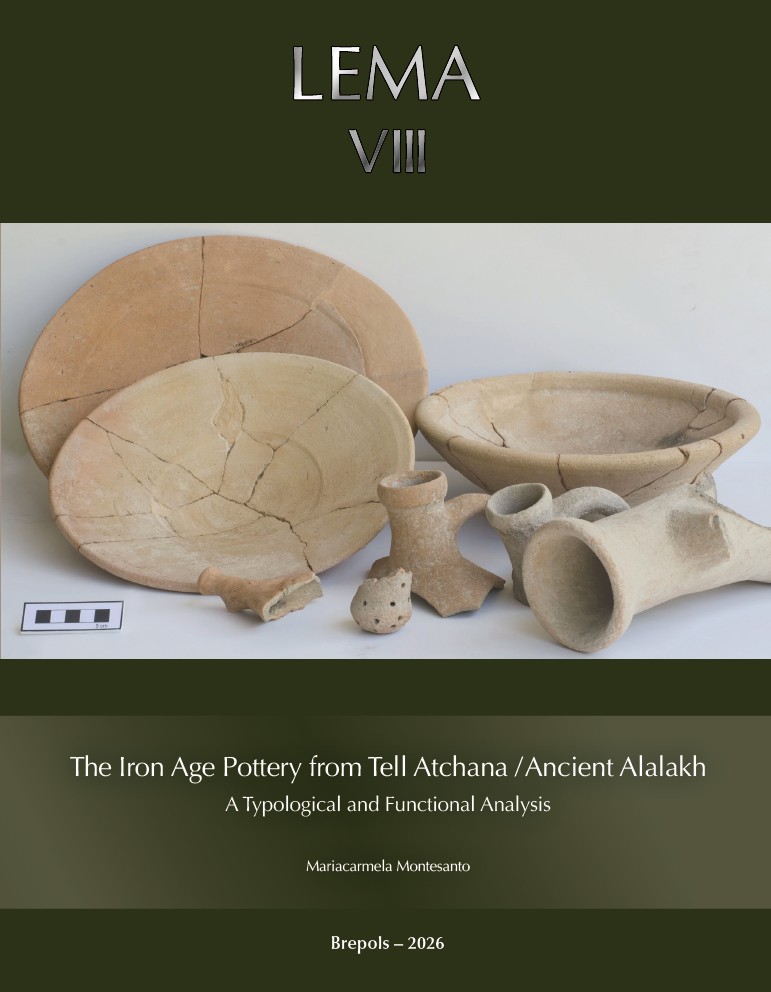 The Iron Age Pottery from Tell Atchana / Ancient Alalakh
A Typological and Functional Analysis
Volume 8

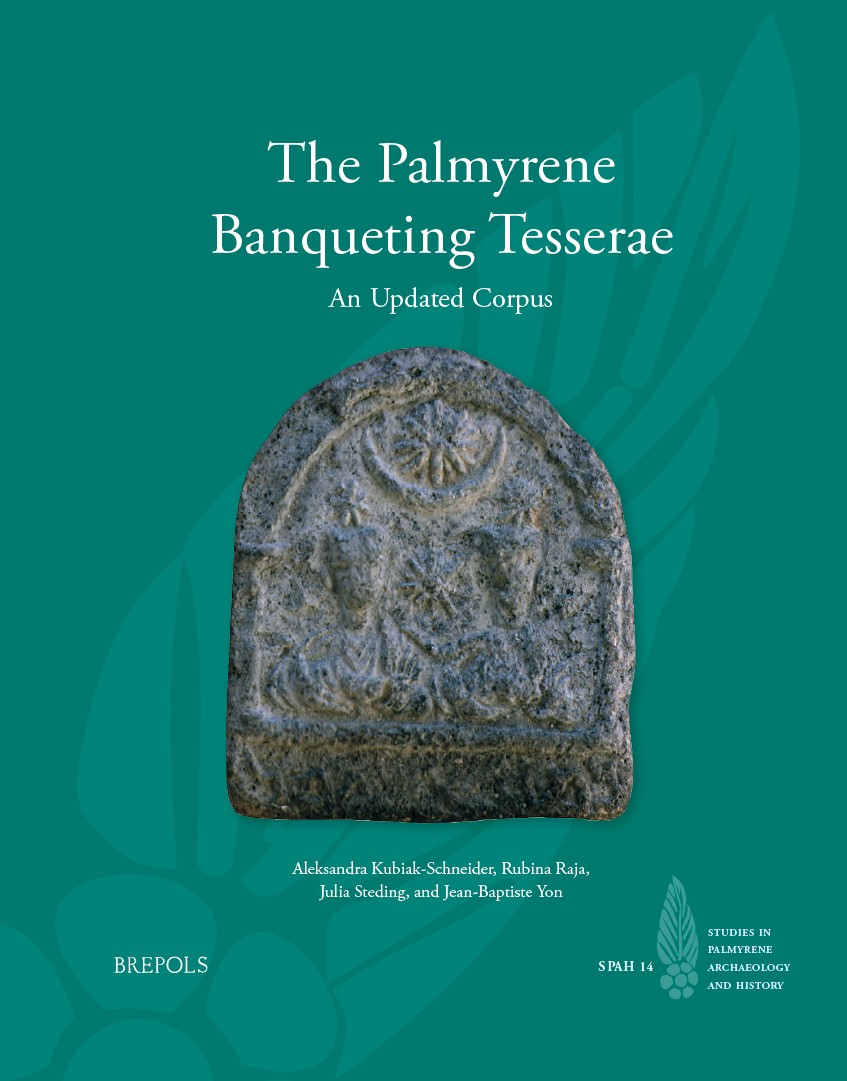

 Writing in the Church of the Nativity in Bethlehem
Inscription and Graffiti in a Multilingual and Multigraphic Perspective
Volume 45
 Contesting Labeled Identities
The Sociology of Gentilics in Biblical and Northwest Semitic Literature


 After Life in Roman Paganism. L’Égypte des astrologues. Les Mages hellénisés
Introductions historiographiques
Volume 7

 Atlante tematico di topografia antica 36-2026
Urbanistica e monumenti, porti, Roma. Ricerche sui monti Aurunci
Volume 36
 Cerámica común romana y ciclo haliéutico
Análisis de los contextos de las cetariae de Iulia Traducta

 Diodor über den ersten Sklavenaufstand auf Sizilien
Ein philologischer und historischer Kommentar
Volume 67
