
(Re-)Constructing Funerary Rituals in the Ancient Near East
Proceedings of the First International Symposium of the Tubingen Post-Graduate School 'Symbols of the Dead' in May 2009
edited by Peter Pfalzner, Herbert Niehr, Ernst Pernicka and Anne Wissing
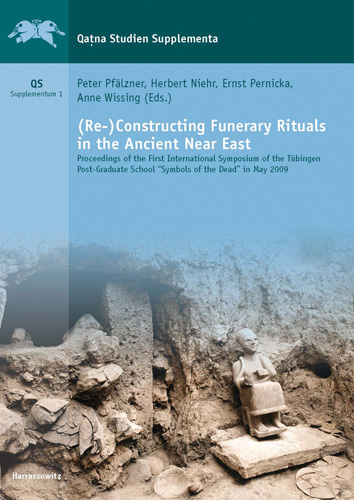
Hardback (Published)
(December 2012)
ISBN: 9783447068208
8.31 x 11.65 inches
Price: $103.00
On back order
The first supplementary volume of the series “Qatna Studien” presents the contributions of an international symposium held at the University of Tubingen in May 2009. This symposium was initiated and organized by the students and scholars of the post-graduate school ‘Symbols of the Dead’. The topic of the symposium was to evaluate the possibilities in reconstructing Ancient Near Eastern funerary rituals from available archaeological and textual evidence. Contributors from seven countries discussed many aspects of ritual behaviour linked to death, the after-life and the variations in ritual treatment of the deceased before, during and after the actual burial. Among the many issues raised were questions related to the kinds of rituals linked to death in different cultural surroundings, the intentions of the actors conducting such rituals, their meaning and social importance, the question of ancestors and grave goods, and of grave offerings, the reasons for and the meaning of different burial types, and the theoretical and methodological approaches to ritual. Archaeological case studies were introduced, available textual evidence was presented, and even an ethnographic perspective from Kyrgyzstan is contributed. The archaeological and philological sources presented come from a wide geographical framework including Syria and Northern Mesopotamia, the Syro-Anatolian regions, the Southern Levant, Egypt, and Iran. Their chronological frame spans from the third to the first millennium BC. These contributions will enrich our understanding of the various cultural approaches to death in the Ancient Near East and increase our insight into many aspects of funerary rituals.
- Edited by Herbert Niehr
- Edited by Ernst Pernicka
- Edited by Peter Pfälzner
- Edited by Anne Wissing
Similar Books






 Boğazköy Tablets in the Museum of Anatolian Civilizations (Bo 9032–Bo 9097)
Anadolu Medeniyetleri Müzesinde Bulunan Boğazköy Tabletleri (Bo 9032–Bo 9097)
Volume 4
 Connecting the Dots: Counting, Writing, and the Beginnings of Civilization
The Secret Lives of Clay Tokens: A Memoir

 Curating the Prehistoric Past
Studies on West Asian Archaeology and Beyond in Honour of Yoshihiro Nishiaki

 Exploring Gender Dynamics across the Ancient Near East
Collected Essays of Gender and Methodology in the Ancient Near East (GeMANE) 4 and 5
Volume 7


 Ḫattušaš utnē išḫameški
Hittite and Other Ancient Near Eastern Studies Presented to Piotr Taracha on the Occasion of His 65th Birthday



 Kultur – Kontakt – Kultur
Beiträge anlässlich der 66. Rencontre Assyriologique Internationale in Frankfurt/Main und Mainz, 25.–29. Juli 2022
Volume 35
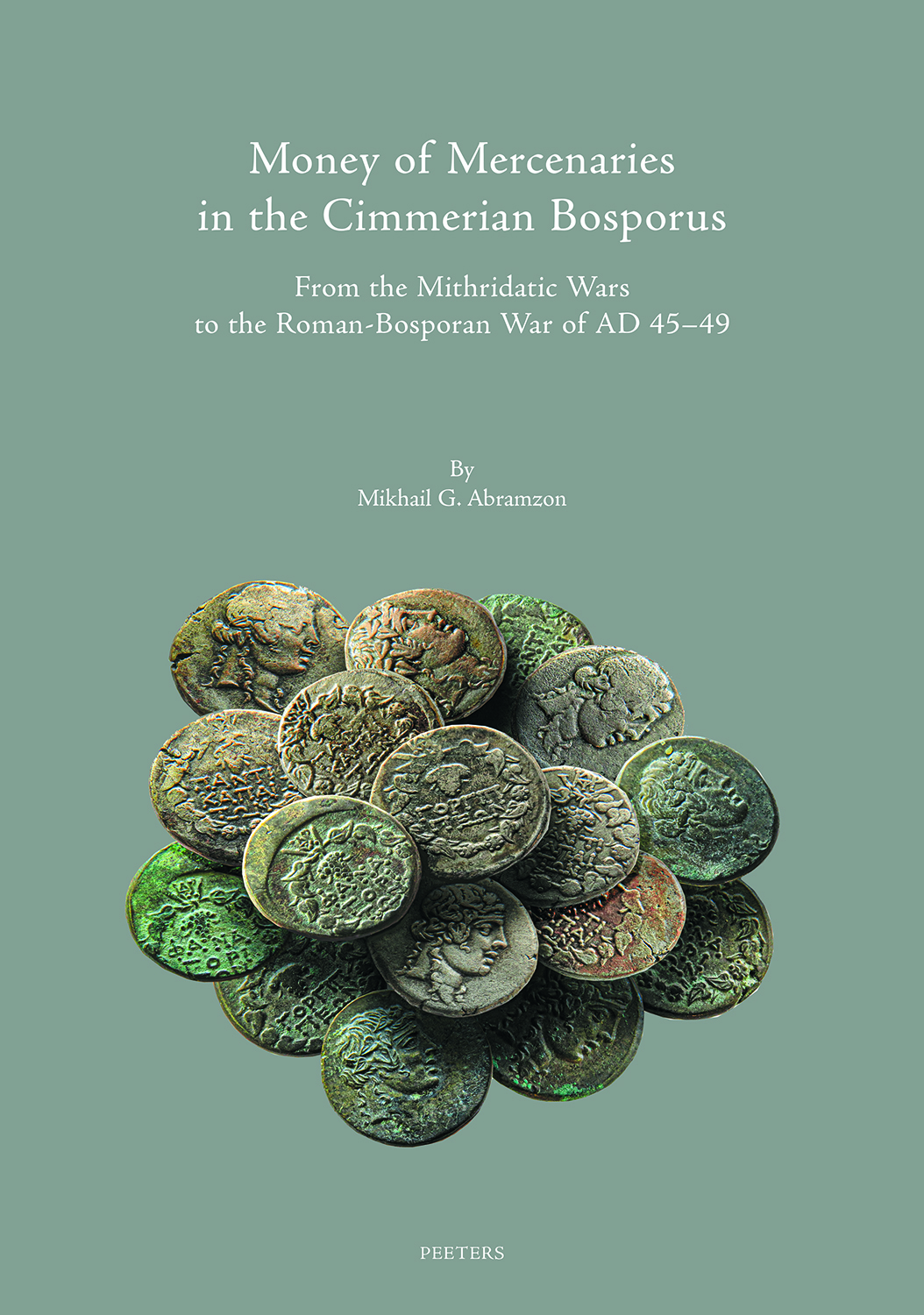 Money of Mercenaries in the Cimmerian Bosporus
From the Mithridatic Wars to the Roman-Bosporan War of AD 45-49
Volume 45

 New Research on Old Collections in Southwest Asian Archaeology
Proceedings of the Workshop Held at the British Museum, London, 31 July – 2 August, 2023
 Old Aramaic Inscriptions and their Contexts
An Epigraphic, Archaeological, and Historical Synthesis
Volume 63

 Politics, Peoples, and Polities in the Ancient Near East
Proceedings of the 69th Rencontre Assyriologique Internationale, Helsinki
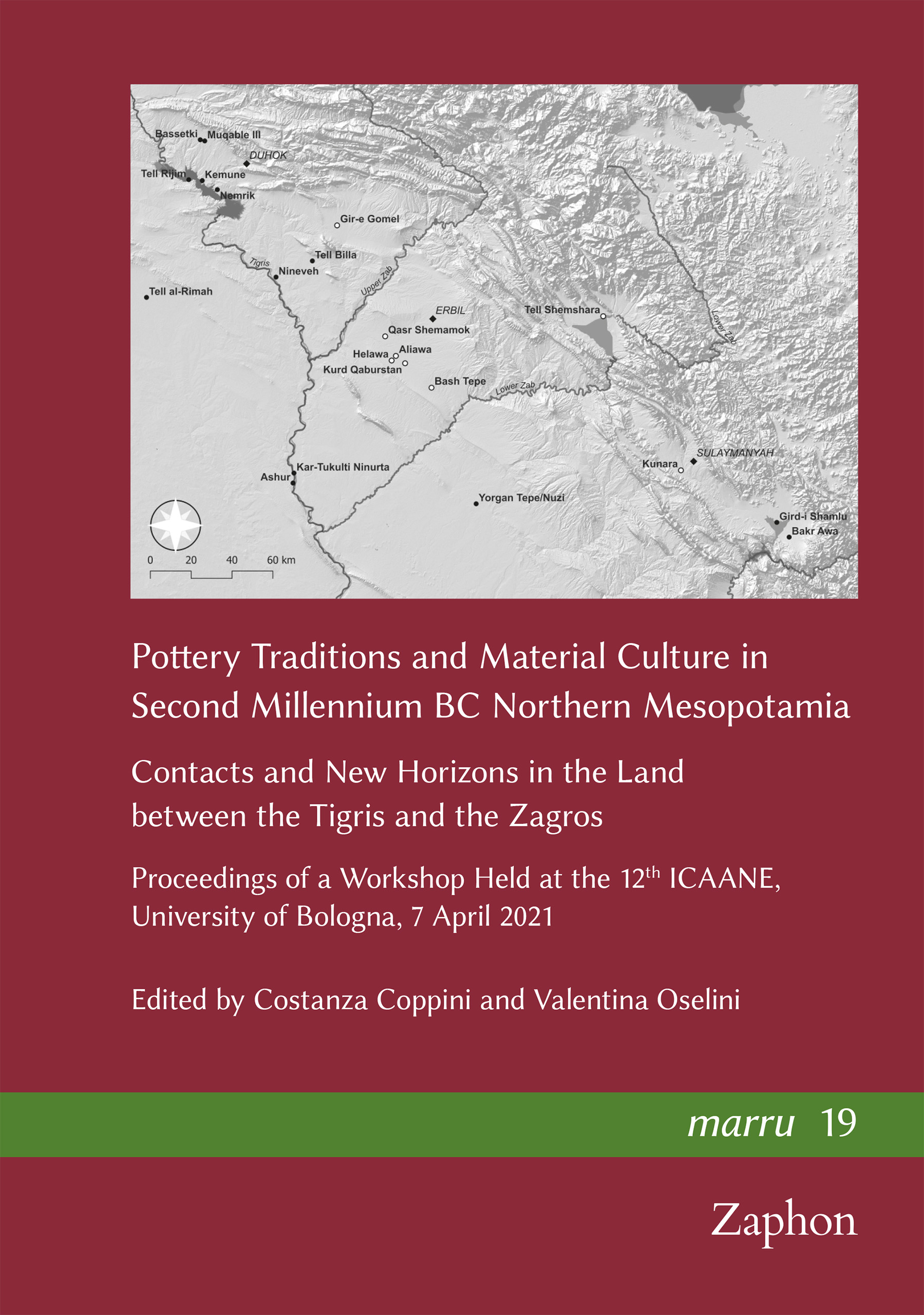 Pottery Traditions and Material Culture in Second Millennium BC Northern Mesopotamia
Contacts and New Horizons in the Land between the Tigris and the Zagros. Proceedings of a Workshop Held at the 12th ICAANE, University of Bologna, 7 April 2021
Volume 19
 Punning in Odd or Elegant Constructions in Jeremiah
The Convergence of Linguistics, Rhetoric, and Textuality in the Hebrew Text of Jeremiah

 Sertorius, the Exiles of the Sullan Regime and the Provinces of the Empire
Legitimacy, Morality and Imperial Discourse in the 70s BCE
 Shame in the Worlds of the Hebrew Bible and Akkadian Texts
A Linguistic Study and Its Implications
Volume 33

 Telling Contexts
Archaeological and Textual Studies in Honor of Elizabeth Bloch-Smith and Mark S. Smith
 The Body
Lived, Cultured, Adorned: Essays on Dress and the Body in the Bible and Ancient Near East in Honor of Nili S. Fox
 The Discourse of Rites
Shaping and Reshaping the (Counter-)Priestly Rituals Conducted Outside the Tabernacle
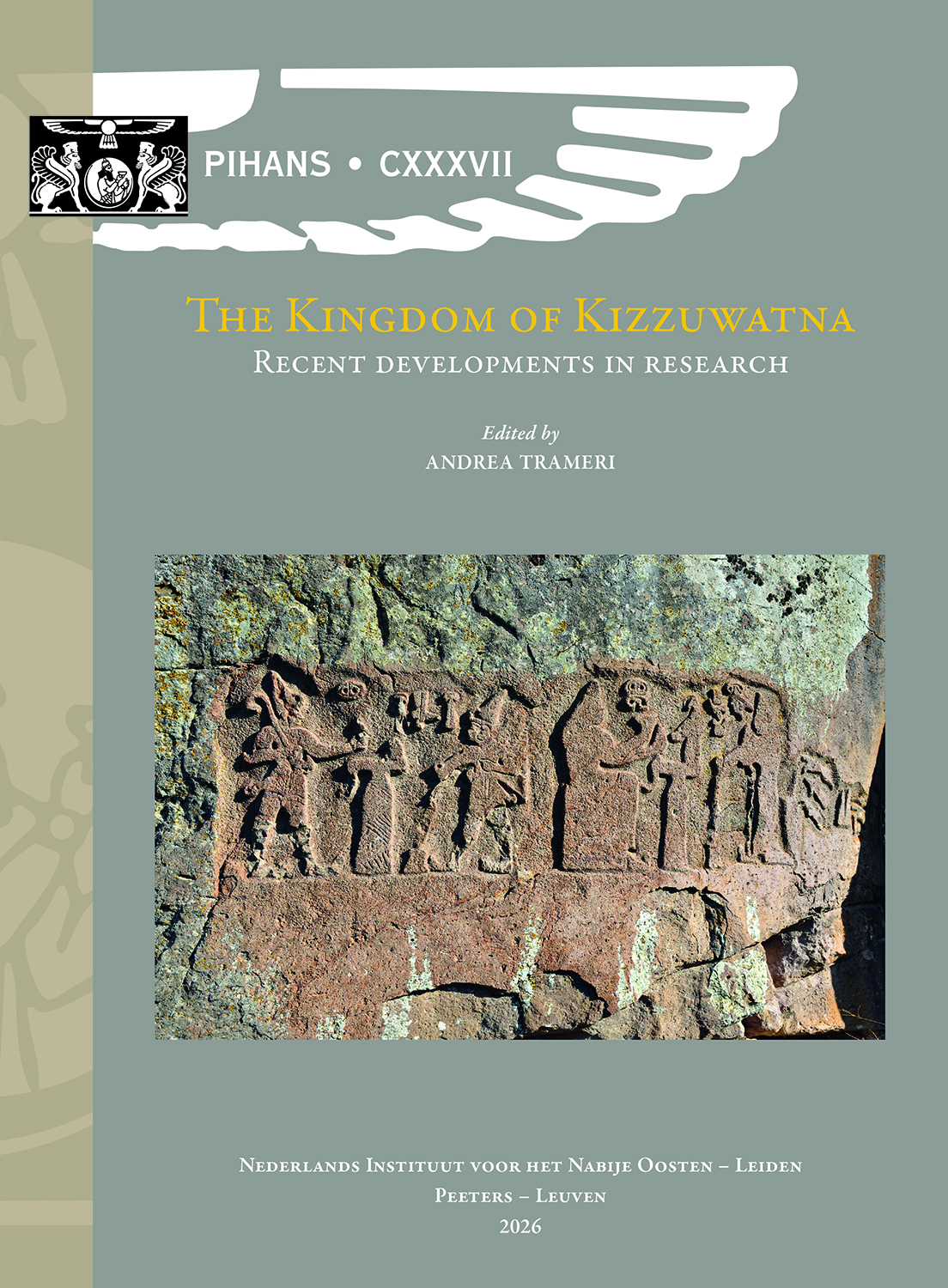 The Kingdom of Kizzuwatna: Recent Developments in Research
Proceedings of the Third NINO Postdoctoral Research Fellow Annual Conference, Leiden, 23rd-25th March 2023
Volume 137