
Building a New Rome
The Roman Colony of Pisidian Antioch (25 BC-300 AD)
edited by Unal Demirer, Elaine K. Gazda and Diana Y. Ng

The essays in this volume bring to bear the latest scholarly and technological trends in archaeological research to shed light on the site of Pisidian Antioch in central Turkey. Drawing on 3-D virtual reality technology and archival material from a 1924 expedition, the authors propose new reconstructions of the city’s major excavated monuments.
The essays in this volume bring to bear the latest scholarly and technological trends in archaeological research to shed new light on the site of Pisidian Antioch in west-central Turkey. Drawing on 3-D virtual reality technology as well as archival material from a 1924 University of Michigan expedition to the site, the authors propose new reconstructions of the city’s major excavated monuments. They also evaluate these monuments in relation to the social and political imperatives of Pisidian Antioch’s hybrid culture – one that overlaid a Roman imperial colony on a Hellenistic Greek city in an Anatolian region long inhabited by Phrygians and Pisidians. The study of Pisidian Antioch is thus seen in the context of recent scholarship on Rome’s colonial project in the eastern empire. An accompanying DVD presents a fly-over of the virtual city created to aid in the authors’ research.
- Edited by Unal Demirer
- Edited by Elaine K. Gazda
- Edited by Diana Y. Ng
Other Titles in this Series


 From the Motor City to the Mediterranean
Travels of a Truck, a Sedan, and an Inquisitive Photographer, 1924-1926
Volume 18


 Life, Death and Afterlife in Ancient Egypt
The Djehutymose Coffin in the Kelsey Museum of Archaeology
Volume 9


 Karanis, An Egyptian Town in Roman Times
Discoveries of the University of Michigan Expedition to Egypt (1924-1935)
Volume 1
Similar Books




 Caesar’s Visions and Impact on the Roman Empire
Revisiting the Archaeological and Historical Record of the 40s BC
Volume 2

 Connecting the Dots: Counting, Writing, and the Beginnings of Civilization
The Secret Lives of Clay Tokens: A Memoir



 Etruscan and Roman Hellenistic Anatomical ex votos
Reassessing Popular Religious Expressions in Central Italy
Volume 8

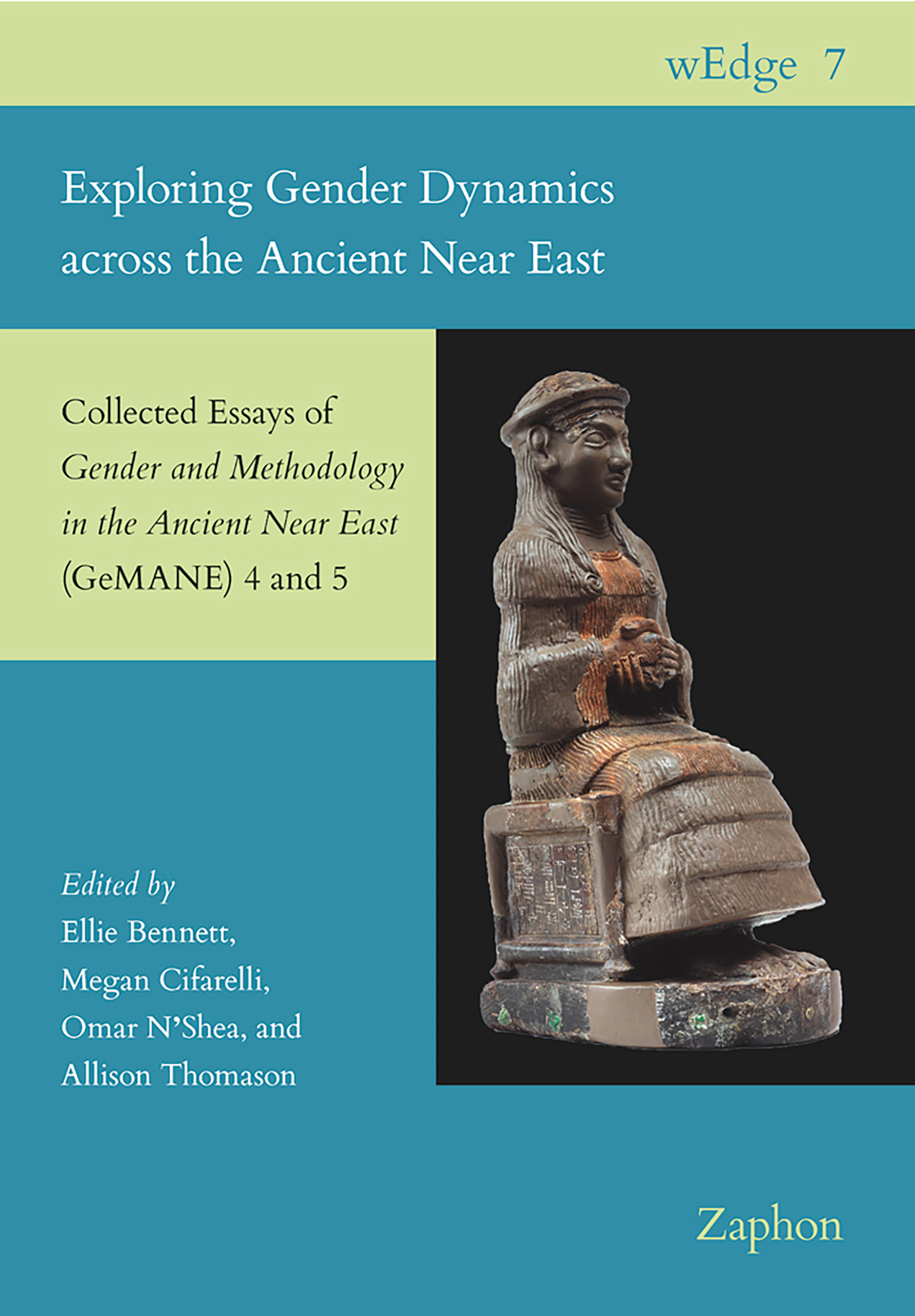 Exploring Gender Dynamics across the Ancient Near East
Collected Essays of Gender and Methodology in the Ancient Near East (GeMANE) 4 and 5
Volume 7


 Ḫattušaš utnē išḫameški
Hittite and Other Ancient Near Eastern Studies Presented to Piotr Taracha on the Occasion of His 65th Birthday



 Invisible Labour in Antiquity
Visualizing Obscure Work in the Ancient Mediterannean and West Asia
Volume 1

 Late Antique villae in the Balkans (3rd–7th c. AD): Current Research Questions and Perspectives
HAEMUS Companion to the Late Antique Balkans 1
Volume 4
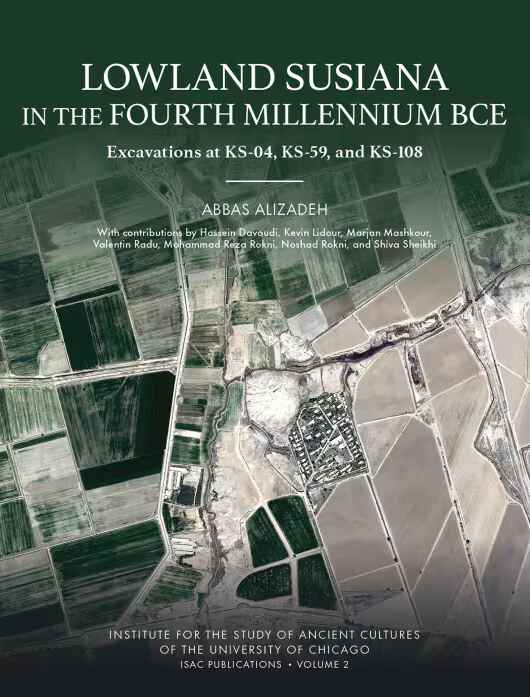

 New Research on Old Collections in Southwest Asian Archaeology
Proceedings of the Workshop Held at the British Museum, London, 31 July – 2 August, 2023
 Old Aramaic Inscriptions and their Contexts
An Epigraphic, Archaeological, and Historical Synthesis
Volume 63


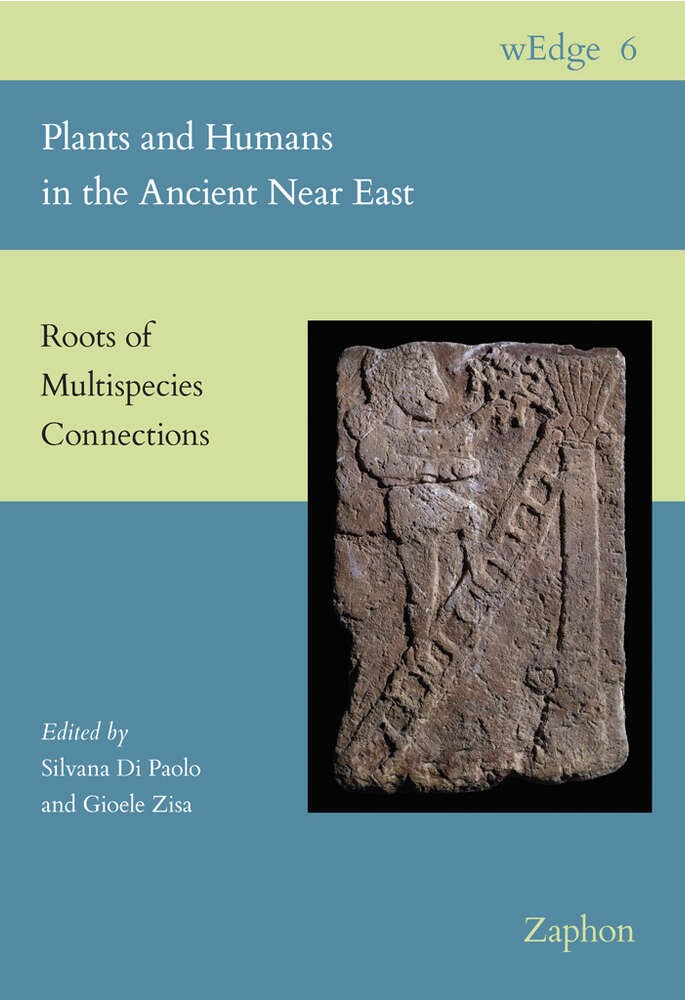
 Portraying the Individual in the Roman East
Local–Imperial Entanglements in Sculpture, Mosaics, and Paintings (First–Fourth Centuries AD)
Volume 18
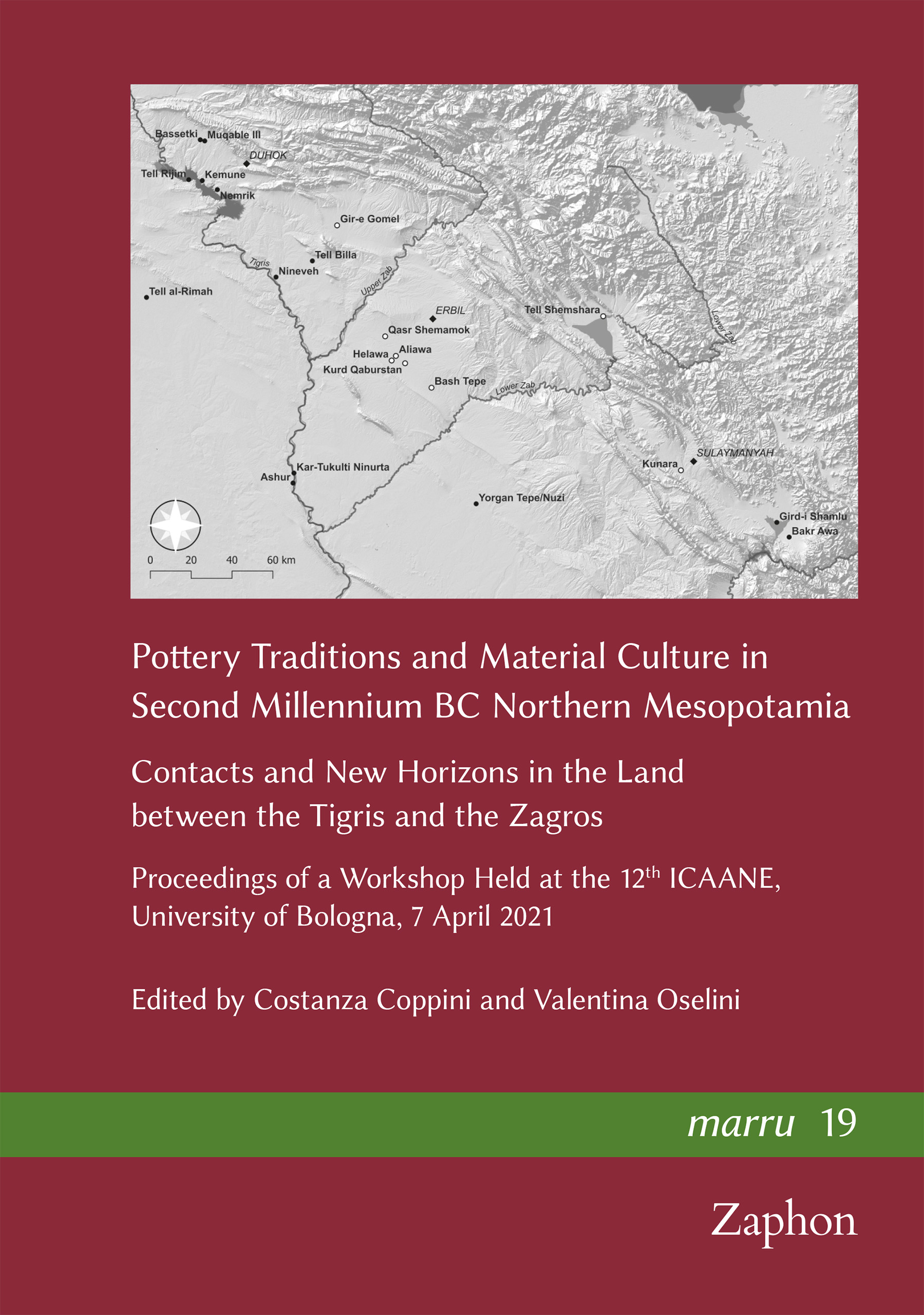 Pottery Traditions and Material Culture in Second Millennium BC Northern Mesopotamia
Contacts and New Horizons in the Land between the Tigris and the Zagros. Proceedings of a Workshop Held at the 12th ICAANE, University of Bologna, 7 April 2021
Volume 19
 Punning in Odd or Elegant Constructions in Jeremiah
The Convergence of Linguistics, Rhetoric, and Textuality in the Hebrew Text of Jeremiah

 Shame in the Worlds of the Hebrew Bible and Akkadian Texts
A Linguistic Study and Its Implications
Volume 33
 Small Worlds and Relational Agencies: Local Societies in Early Medieval Iberia
Pequeños mundos y Agencias relacionales: Sociedades locales altomedievales en la Península Ibérica
 Telling Contexts
Archaeological and Textual Studies in Honor of Elizabeth Bloch-Smith and Mark S. Smith
 The Body
Lived, Cultured, Adorned: Essays on Dress and the Body in the Bible and Ancient Near East in Honor of Nili S. Fox
 The Discourse of Rites
Shaping and Reshaping the (Counter-)Priestly Rituals Conducted Outside the Tabernacle