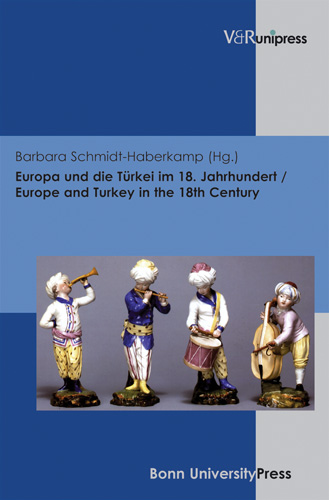
Europa und die Türkei im 18. Jahrhundert / Europe and Turkey in the 18th Century
Edited by Barbara Schmidt-Haberkamp
Hardback (Published)
(August 2011)
ISBN: 9783899717952
6.46 x 9.69 inches
Price: $125.00
On back order
Interkulturelle Kontakte und wechselseitige Wahrnehmung zwischen der Turkei und Europa im 18. Jahrhundert.
English summary: The contributions to this volume explore intercultural contacts and the reciprocal perceptions between Turkey and Europe in the eighteenth century. ‘The dangerous Turk’, one of the most antagonistic narratives in early modern times, lost impact after the Ottoman defeat in the second siege of Vienna 1683. The image of the Turk changed from the menacing, invincible terror of Christendom to that of a quaint and exotic neighbour. The result was a broad, partly euphoric acceptance and blending of Ottoman culture into the political, scientific, economic and aesthetic discourses of the eighteenth century. Conversely, the European impact on the socio-political and cultural life of the Ottoman Empire increased at the beginning of the eighteenth century. From the perspective of a variety of different academic disciplines, the contributions to this volume explore the following questions: What possibilities were there to form an idea of the other and to what extent was this idea founded on autistic self-assertion on the one hand, on curiosity and creative appropriation on the other? What forms of intercultural contacts existed and how have they been documented? german description: Thema dieses Bandes sind die interkulturellen Kontakte und die wechselseitige Wahrnehmung zwischen der Turkei und Europa im 18. Jahrhundert. Die Turkengefahr, eines der wichtigsten Antagonismusnarrative der fruhen Neuzeit, verblasste nach der osmanischen Niederlage bei der zweiten Belagerung Wiens 1683, und das Bild des Turken wandelte sich vom bedrohlichen, unbesiegbaren Schrecken der Christenheit zum kuriosen, exotischen Nachbarn. Die osmanische Kultur fand in den politischen, wissenschaftlichen, wirtschaftlichen und asthetischen Diskursen des 18. Jahrhunderts breite, zum Teil euphorische Aufnahme und Verarbeitung. Zugleich verstarkte sich zu Beginn des 18. Jahrhunderts der europaische Einfluss im gesellschaftspolitischen und kulturellen Leben des Osmanischen Reichs. Welche Moglichkeiten bestanden, sich ein Bild des Anderen zu machen, und zu welchen Teilen grundete es auf autistischer Selbstbespiegelung einerseits, auf Neugier und produktiver Aneignung andererseits? Welche Formen des interkulturellen Kontaktes existierten und wie sind sie dokumentiert? Auf diese Fragen antworten die Beitrage aus der Sicht verschiedener akademischer Disziplinen.
Prof. Dr. Barbara Schmidt-Haberkamp lehrt am Institut für Anglistik, Amerikanistik und Keltologie der Universität Bonn.
- Edited by Barbara Schmidt-Haberkamp
Similar Books

 As Messianism Turns to Heresy
The Regenstein Chair Lectures On Lurianic Kabbalah and Shabbatai Tzevi at Hebrew Union College - Cincinnati

 Beyond Sovereign Courts
Agents and Practices in Early Modern Spanish and Habsburg Diplomacy
Volume 3




 Food Security under Armed Conflict
Global Knowledge Landscape and Public Attention to Social, Economic, and Humanitarian Dimensions

 Innovationes Lovanienses: Arts, Law and Theology at the University of Louvain (1425–1797)
Studium Lovaniense: Learning across Borders, 2
Volume 18


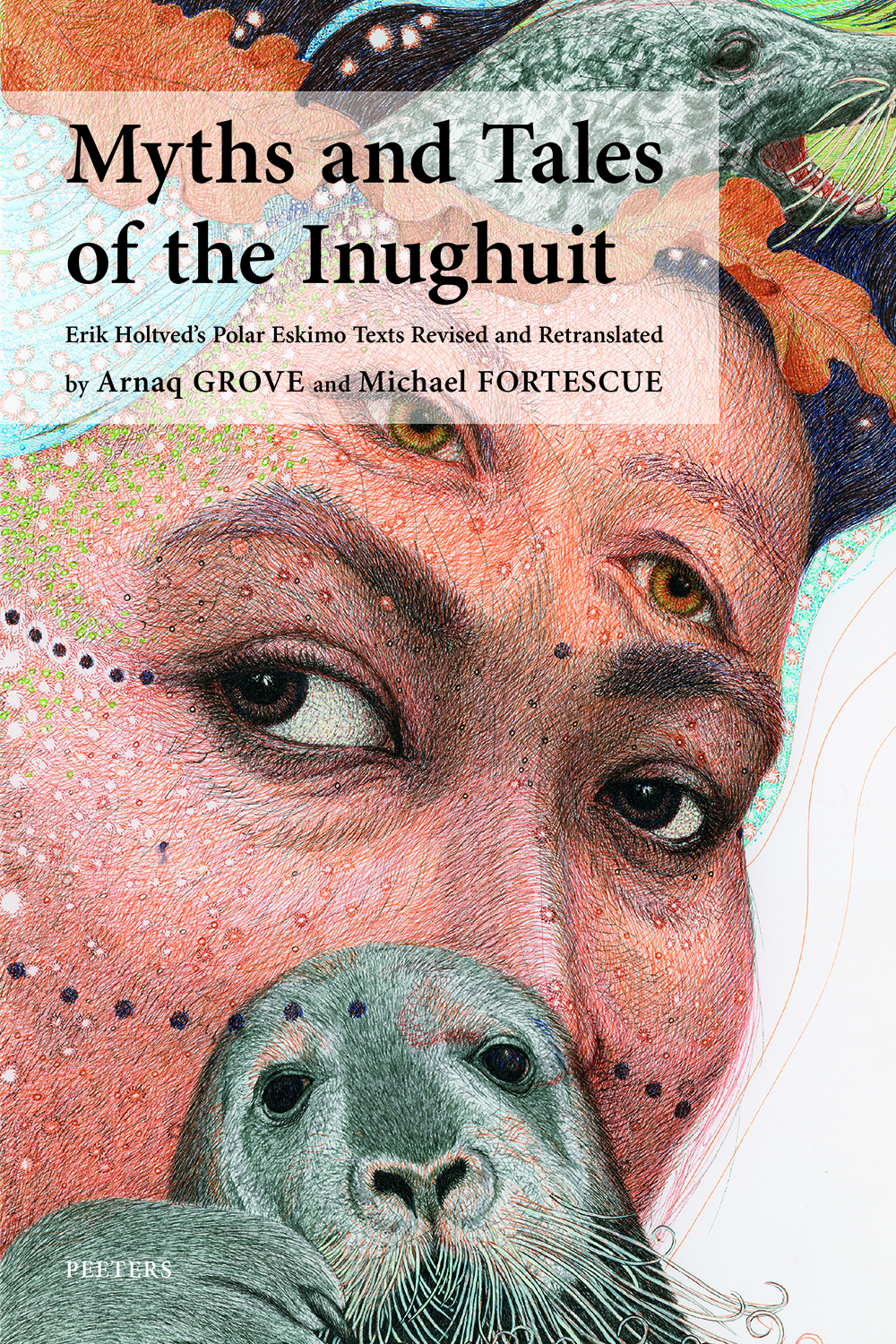 Myths and Tales of the Inughuit
Erik Holtved's Polar Eskimo Texts Revised and Re-translated into Danish and English
Volume 475, 12


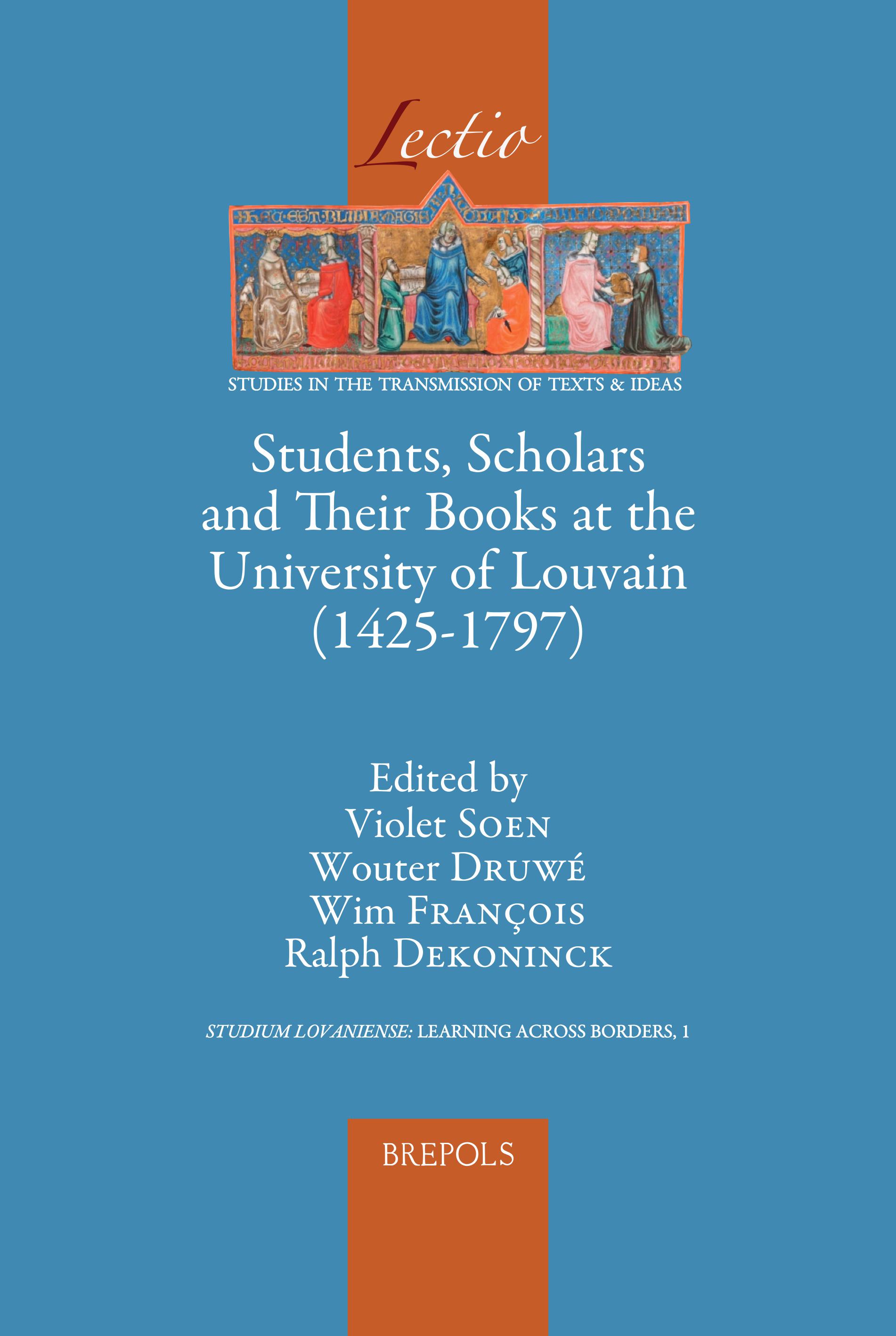 Students, Scholars and Their Books at the University of Louvain (1425-1797)
Studium Lovaniense: Learning across Borders, 1
Volume 17


 The Exeter Companion to Fairies, Nereids, Trolls and other Social Supernatural Beings
European Traditions

 The Phantom Hitchhiker
Italian Literature, Japanese Lore, and the Transnational Afterlives of a Global Ghost Story