Euer Dorf soll schöner werden
Ländlicher Wandel, staatliche Planung und Demokratisierung in der Bundesrepublik Deutschland
By (author) Sebastian Strube

Hardback (Published)
(July 2013)
ISBN: 9783525317112
6.34 x 9.33 inches
Price: $87.00
On back order
Since 1961, the contest “Unser Dorf soll schoner werden” was more than anything a key factor in promoting and shaping the restructuring of the rural space at a time when a wave of modernization was sweeping across the country and the rural areas were changing to a degree which had not been seen for centuries. The contest went along with and actively promoted the end of a ‘peasant folk culture’, which until the 1960s had defined life in the countryside. German text.
English summary: Between 1961 and 1979, villages took part in the contest “Unser Dorf soll schoner werden” (let’s make our village prettier) over 40,000 times. No other program has ever reached rural areas with such breadth and intensity. From the very beginning, the competition was more than just a simple floral decoration contest, with villagers trying to decorate their “Heimat” in as pretty – or in as chintzy, as some critics argued – a way as possible. Since 1961, it was more than anything a key factor in promoting and shaping the restructuring of the rural space at a time when a wave of modernization was sweeping across the country and the rural areas were changing to a degree which had not been seen for centuries. The contest went along with and actively promoted the end of a ‘peasant folk culture’, which until the 1960s had defined life in the countryside. At the same time, it also contributed significantly to the establishment of a modern, functionally differentiated rural space. Even remote areas were now integrated into the Federal Republic as business, residential and recreational spaces. It was a very mixed group of experts, politicians and functionaries who came together to achieve this. Personalities such as Count Lennart Bernadotte from the island of Mainau influenced the contest just as decisively as the National Socialist landscape gardener Heinrich Wiepking or the former minister of Agriculture and Federal President Heinrich Lubke. German description: Zwischen 1961 und 1979 nahmen Dorfer uber 40.000 Mal am Wettbewerb Unser Dorf soll schoner werden teil. Kein anderes Programm erreichte den landlichen Raum in dieser Breite und Intensitat. Dabei war der Wettbewerb von Anfang an mehr, als ein simpler Blumenschmuckwettbewerb, bei dem es nur darum ging, dass die Dorfbewohner ihre Heimat moglichst schon oder – wie manche Kritiker auch meinten – kitschig ausschmuckten. Seit 1961 war der Wettbewerb vor allem ein zentrales Mittel, um die Neuordnung des landlichen Raumes voranzutreiben und zu gestalten. Dies alles zu einer Zeit, zu der eine Welle der Modernisierung uber das Land hinwegging und sich der landliche Raum in einem Ausmass veranderte wie seit Jahrhunderten nicht mehr: Der Wettbewerb begleitete und beforderte das Ende einer bauerlichen Volkskultur, die bis in die 60er Jahre hinein das Leben auf dem Lande bestimmt hatte. Gleichzeitig trug er wesentlich zur Etablierung eines modernen, funktional ausdifferenzierten landlichen Raumes mit bei. Auch abgelegene landliche Gebiete wurden nun als Wirtschafts-, Wohn- und Erholungsraum in die Bundesrepublik integriert. Um dieses Ziel zu verwirklichen, fanden sich hochst unterschiedliche Experten, Politiker und Funktionare zusammen. Personlichkeiten wie Graf Lennart Bernadotte von der Insel Mainau pragten den Wettbewerb ebenso entscheidend wie der NS-Landschaftgestalter Heinrich Wiepking oder der ehemalige Landwirtschaftsminister und Bundesprasident Heinrich Lubke.
Dr. Sebastian Strube ist Historiker und arbeitet als freier Autor und Journalist.
- By (author) Sebastian Strube
Other Titles in this Series



 Die Hamburger Sturmflut von 1962
Risikobewusstsein und Katastrophenschutz aus zeit-, technik- und umweltgeschichtlicher Perspektive

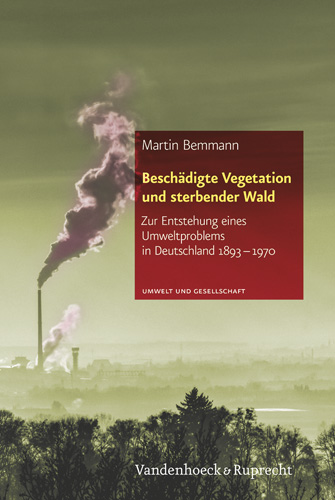 Beschädigte Vegetation und sterbender Wald
Zur Entstehung eines Umweltproblems in Deutschland 1893–1970


 Zivilgesellschaft und Protest
Eine Geschichte der Naturschutz- und Umweltbewegung in Bayern 1945–1980


 Soft Seats and Blisters
Zur Geschichte von Parkways, Panoramastraßen, Trails und Wanderwegen in der Hochmoderne


 Die Gouvernementalisierung der Natur
Deutung und handelnde Bewältigung von Naturkatastrophen im Kurfürstentum Bayern des 18. Jahrhunderts

Similar Books

 As Messianism Turns to Heresy
The Regenstein Chair Lectures On Lurianic Kabbalah and Shabbatai Tzevi at Hebrew Union College - Cincinnati

 Beyond Sovereign Courts
Agents and Practices in Early Modern Spanish and Habsburg Diplomacy
Volume 3




 Food Security under Armed Conflict
Global Knowledge Landscape and Public Attention to Social, Economic, and Humanitarian Dimensions

 Innovationes Lovanienses: Arts, Law and Theology at the University of Louvain (1425–1797)
Studium Lovaniense: Learning across Borders, 2
Volume 18


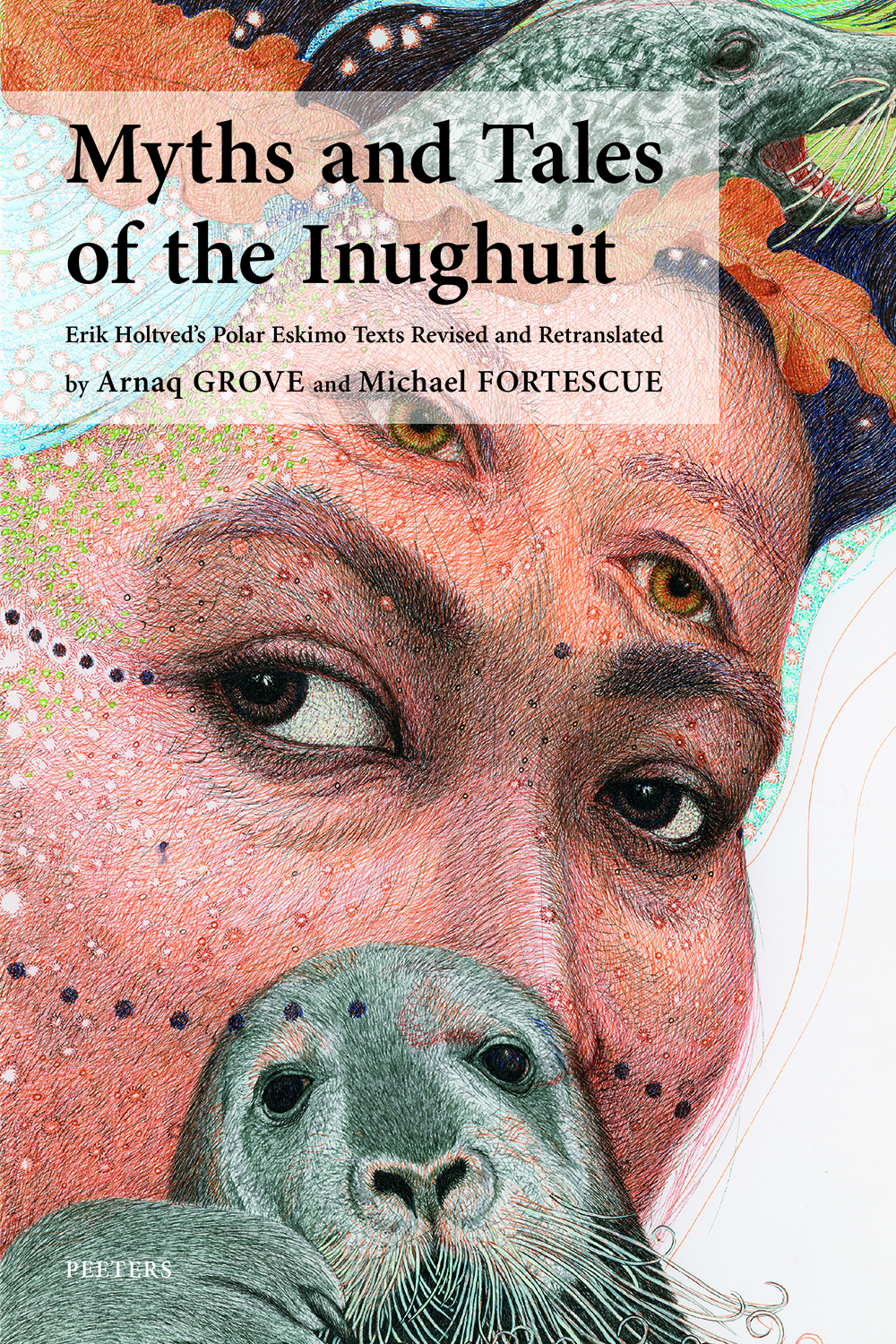 Myths and Tales of the Inughuit
Erik Holtved's Polar Eskimo Texts Revised and Re-translated into Danish and English
Volume 475, 12


 Students, Scholars and Their Books at the University of Louvain (1425-1797)
Studium Lovaniense: Learning across Borders, 1
Volume 17


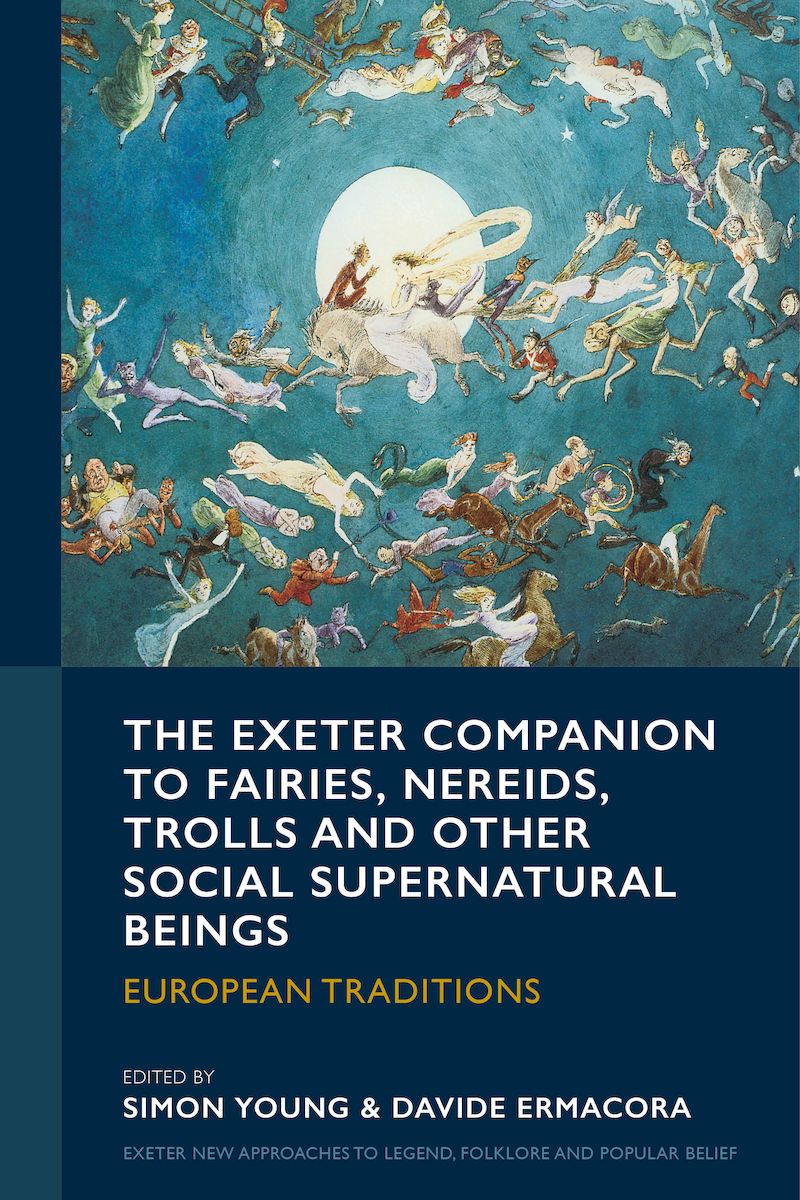 The Exeter Companion to Fairies, Nereids, Trolls and other Social Supernatural Beings
European Traditions

 The Phantom Hitchhiker
Italian Literature, Japanese Lore, and the Transnational Afterlives of a Global Ghost Story