
Die Sapropelitfunde aus dem Oppidum von Manching
By (author) Christina Elisabeth Later

Hardback (Published)
(January 2015)
ISBN: 9783954900732
8.9 x 12.2 inches
Price: $105.00
In stock
The oppidum of Manching yielded one of the largest collections of objects made of sapropelite and related dark rocks in Europe dating to the La Tène period. Especially due to scientific analysis, this find category offers major insights into the economic and cultural relations of Manching during its early stages. Also, the finds are discussed regarding their chronological significance for dating the beginnings of the Manching settlement.<br/>The book presents an up-to-date overview of research history and current research into this material and deals with questions of chronology, jewellery, economy and the symbolic meaning of artefacts made of dark stones during the late Iron Age of Continental Europe.<br/>
Objects made of sapropelite and related rocks of fossile origin, mainly bracelets, are a common part of the material culture in Iron Age Europe. Nevertheless, they often play a minor role in archaeological studies. However, especially by scientific analysis, partly able to determine the provenience of the raw material, it is possible to contribute to questions of cultural and economic relations. The excavations in the oppidum of Manching in Southern Bavaria yielded one of the largest collections of objects made of sapropelite and similar materials dating to the La Tene period. In addition, more samples were submitted to palynological and petrographic analysis than from any other site of the Late Iron Age, providing a solid basis for further research. The study outlines different questions connected to the raw material as well as typological issues and discusses the significance of sapropelite finds for dating the beginnings of the Manching settlement. Furthermore, it focuses on their relevance for the reconstruction of trade and communication networks, which involved Manching and the surrounding La Tene culture of Southern Bavaria. For this purpose, the richly illustrated study does not centre on Manching alone, but presents an up-to-date overview of research history and current perspectives as well as of many more issues concerning objects made of sapropelite and related raw materials; burial and settlement finds from the whole area of the La Tene culture in Continental Europe, from the Atlantic coast to the Carpathian Basin, are included. They are analysed regarding issues of chronology, jewellery, economy and the symbolic meaning of artefacts made of dark stones. Due to this comprehensive approach, it is possible to identify regional trends and specificities in the use of these artefacts, which represent important building blocks for reconstructing contact areas during the Late Iron Age, not only for Manching. This find category allows insights into regionally and chronologically differing distribution patterns and the transfer of goods covering partly long distances, but also into the immaterial exchange of knowledge and ideas throughout the European La Tene culture. At the same time, the objects made of sapropelite and related materials reflect the importance of the Manching region as an economic centre already as early as the 3rd century BC. Thus, this insignificant group of artefacts illuminates the complex network, into which the settlement of Manching was imbedded from its beginning and which provided the framework for Manching’s further development towards an oppidum in the late La Tene period.
Christiana Elisabeth Later M.A., born 1975, studied Prehistory and Early Medieval Archaeology, Near Eastern Archaeology, Cultural Anthropology, Anthropology and Human Genetics at the universities of Munich and Heidelberg. After working as scientific assistant and lecturer at the Institute of Prehistory, Early Medieval History and Archaeology of the Roman Provinces at the Ludwig-Maximilians-University Munich for several years she’s currently working as free-lance archaeologist. She has specialised in research on the Late Iron Age in Central Europe.<br/>
- By (author) Christina Elisabeth Later
Other Titles in this Series
 Die Ausgrabungen in Manching-Süd von 1990–2009
Studien zur Siedlungsstruktur und Befestigungsanlage des Oppidums

 Ergebnisse der Ausgrabungen in Manching-Altenfeld 1996 bis 1999
Teil 1: Text und Beilage. Teil 2: Text

Similar Books
 Archaeological Excavations at Irmis Rka: An Investigation of a Multi-Layered Settlement in Southwest Georgia
Results from the 2020 Season: Early Bronze Age to Medieval Occupations


 Catuvellaunia and Rome: Economic and Political Relations during the Final Decades Pre-conquest
The Role of Grain from Southeastern Britain and Its Potential for Maintenance of the Roman Military along the Frontier on the Rhine
 Making and Meaning in the Bronze and Iron Ages
Chronology, Landscapes and Societies across Europe. Proceedings from the METALAGES2024 Colloquium (Florence, 23 October 2024)


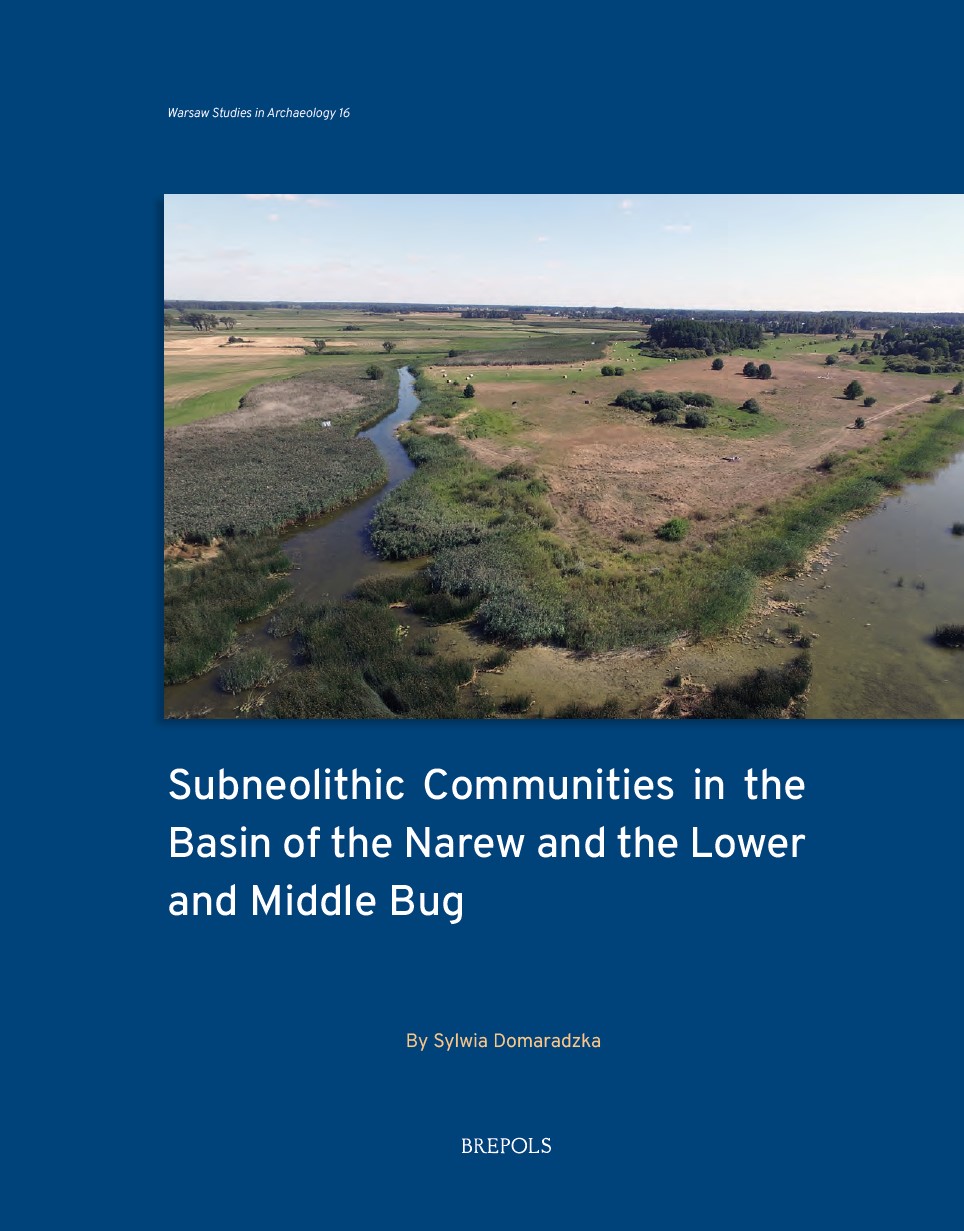


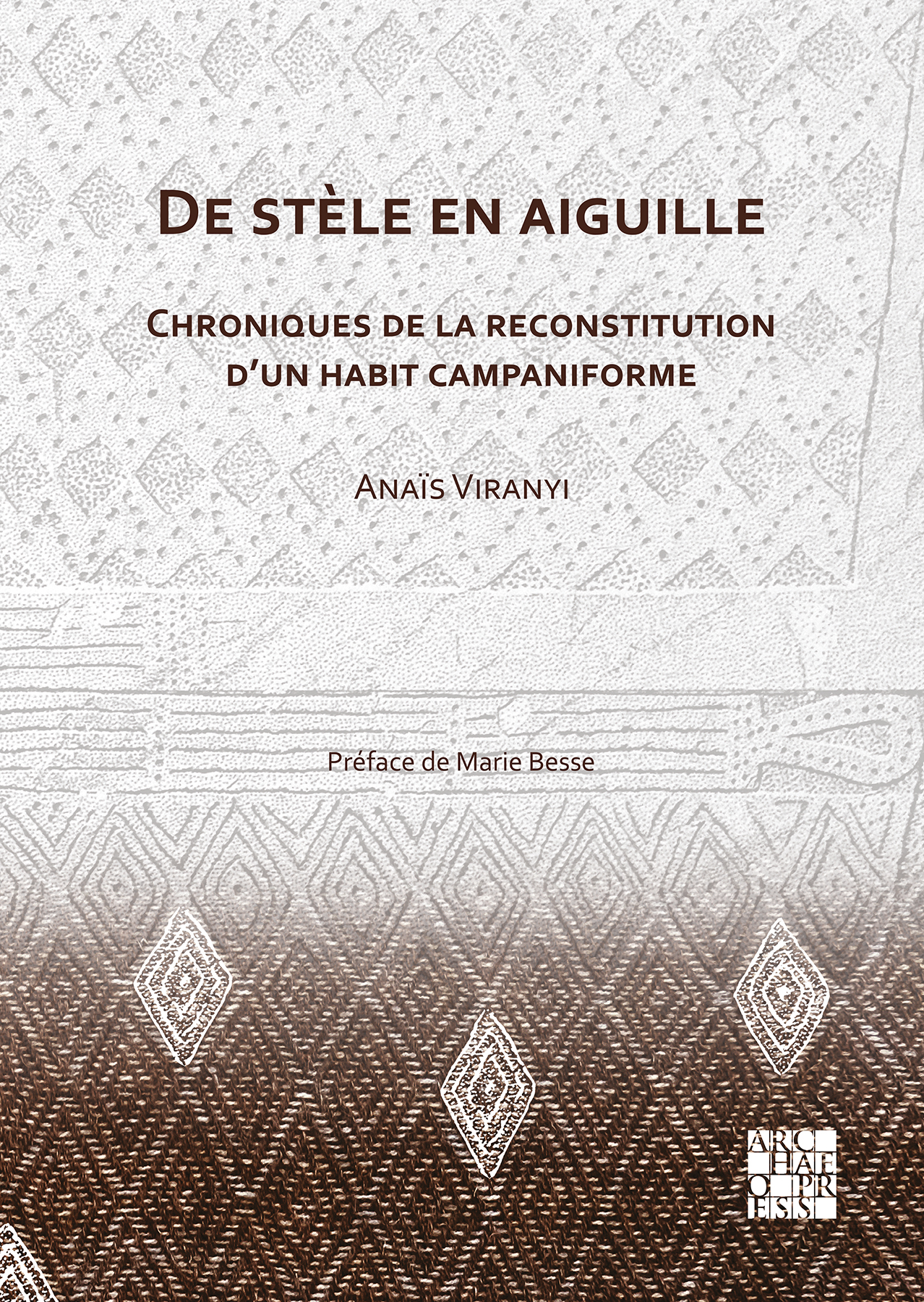
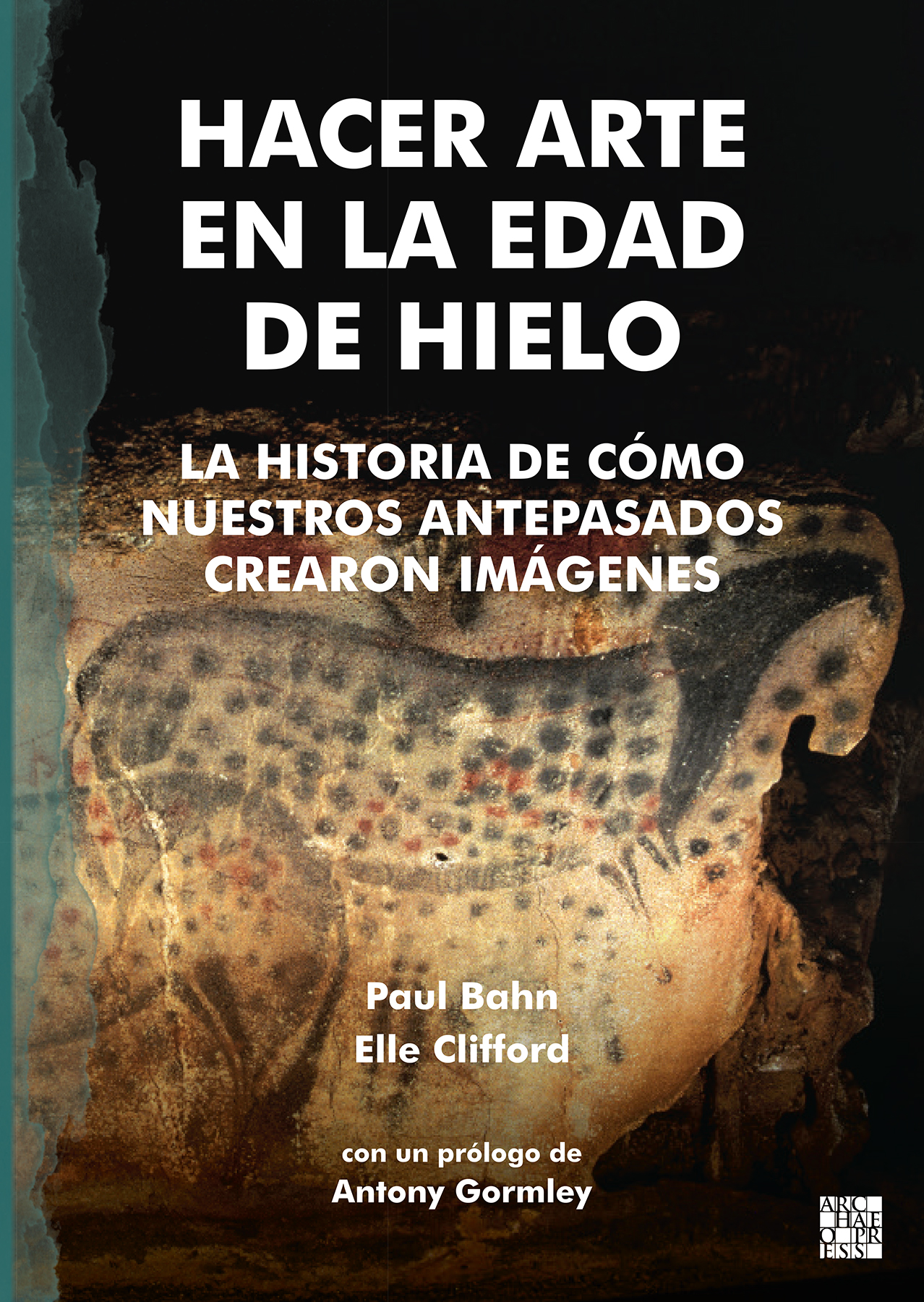

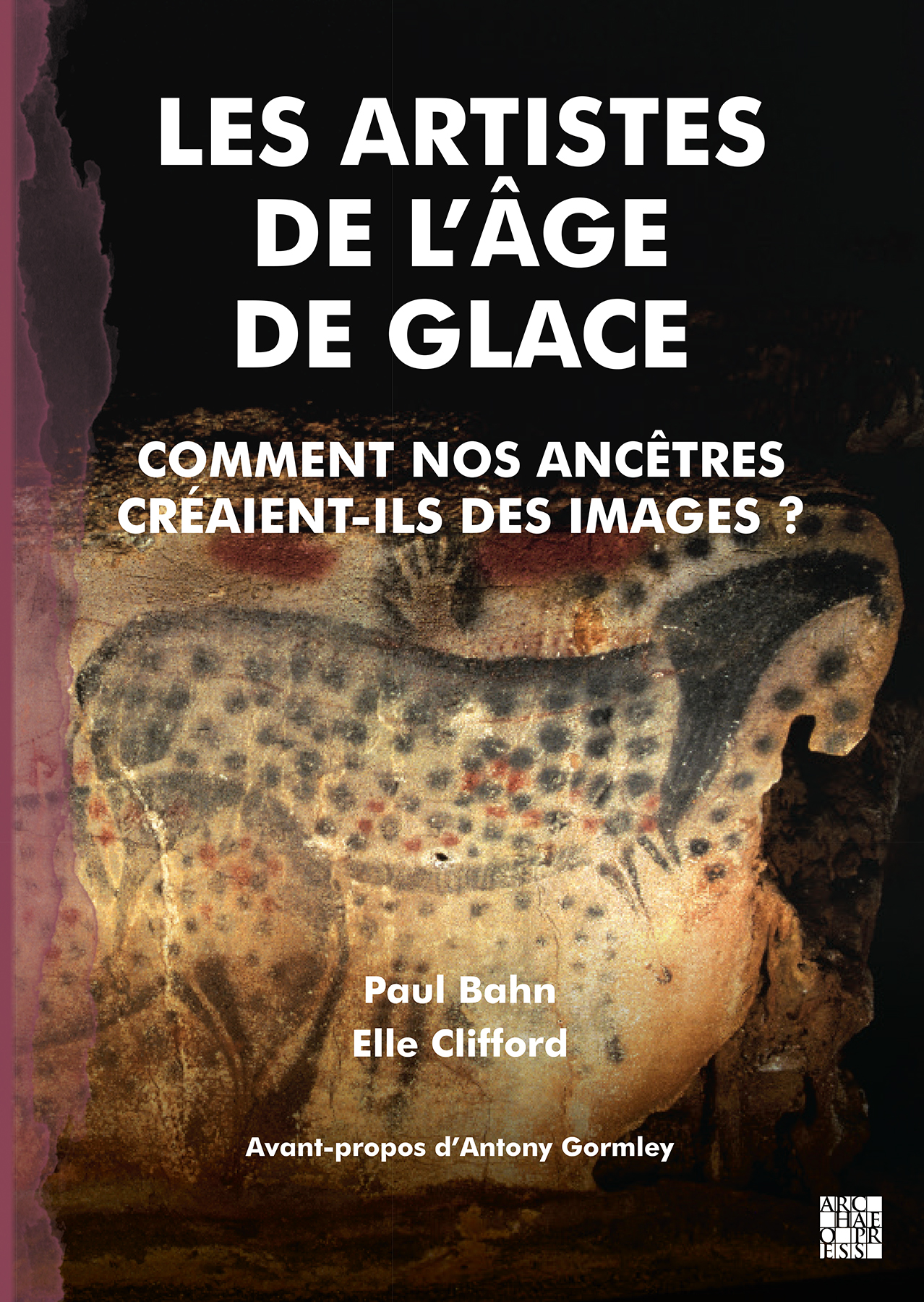
 Nuove scoperte e progressi nelle metodologie di rilievo e analisi dell’arte rupestre post-paleolitica in Italia
New discoveries and progress in the tracing and analysis methodologies of the post-Paleolithic rock art in Italy


 Aspects of the Bronze Age in the Atlantic Archipelago and Beyond
Proceedings from the Belfast Bronze Age Forum, 9–10 November 2013


 Eiszeit – Ice Age
Neue Ergebnisse zum Palaolithikum in Osterreich. New Results on the Palaeolithic in Austria
 From the Hunt to the Cave
Neanderthal Subsistence at Kulna Cave during the Middle Palaeolithic Taubachian Phase: Analyses of the Faunal Remains from Level 11
Volume 4


 Inheritance, Social Networks, Adaptation
Bronze and Early Iron Age Societies North of the Western Carpathians



 Offa’s Dyke Journal: Volume 6 for 2024
A Journal for Linear Monuments, Frontiers and Borderlands Research

 Rituals, Memory, and Societal Dynamics
Contributions to Social Archaeology: A Collection of Essays in Memory of Sharon Zuckerman
Volume 5
