
Contre Platon
Vol. 1: Le platonisme devoile
Edited by Monique Dixsaut

Paperback (Published)
(December 1993)
ISBN: 9782711611768
Price: $48.00
On back order
Pourquoi, comment, devient-on antiplatonicien? A l’evidence, en s’opposant au platonisme, d’emblee le probleme se complique, car il n’est pas certain apres tout que Platon, si obstinement absent de ses propres dialogues, si deliberement anonyme, ait ete platonicien. Comment s’opposer a qui ne parle jamais en son nom, pourquoi refuter une doctrine que son auteur n’a jamais presentee comme telle ni revendiquee comme sienne et dont le sens semble pouvoir etre librement elabore par les adversaires du moment et pour les besoins de leur cause? En quoi le platonisme autorise-t-il ces attaques globales et parfois etrangement violentes? Peut-etre est-ce parce que chaque epoque croit y deceler ce qu’elle tient pour la forme extreme de la demesure et de l’orgueil philosophiques, indiquant du meme coup les problemes et les attitudes juges par elle tolerables en philosophie.
- Edited by Monique Dixsaut
Other Titles in this Series


Similar Books



 Contesting Labeled Identities
The Sociology of Gentilics in Biblical and Northwest Semitic Literature


 Drunk the Potion, No Whit Charmed
The Doctrine of Pure and Perfect Souls from Iamblichus to Damascius

 Epigraphic “Shades” from Hellenistic Thrace
Contextualizing Inscriptions in Greek from Thracian Tombs

 Epiphanies of the Divine in the Septuagint and the New Testament
Fifth International Symposium of the Corpus Judaeo-Hellenisticum Novi Testamenti (CJHNT), 14-17 May 2015, Nottingham


 Éthique, politique, religions
Superstition (XVIIe - XXIe siècles). Sémantique, histoires et cultures


 Gold, Silver and Glass: Power Networks, Cultural Identities, Technology Transfers and Agency across the Old World (7th Century BC – 1st Century AD)
Proceedings of a Conference Held at the British Museum, 16–18 June 2023

 La Lettre clandestine
La littérature philosophique clandestine, ses éditeurs et ses éditions
Volume 34
 Language and Power in the Roman Empire and Early India
Hierarchy, Ambiguity, and the Art of Reading the Signs in Cosmopolitan Cultures
 Late Antique villae in the Balkans (3rd–7th c. AD): Current Research Questions and Perspectives
HAEMUS Companion to the Late Antique Balkans 1
Volume 4
 Libertinage et philosophie à l’époque classique (XVIe-XVIIIe siècle)
Athéisme, Modernité et Sécularisation / Atheism, Modernity and Secularization
Volume 23


 Nurturing the Elite
Representations of Drinking, Eating, and Religious Vessels in Palmyrene Funerary Iconography
Volume 13


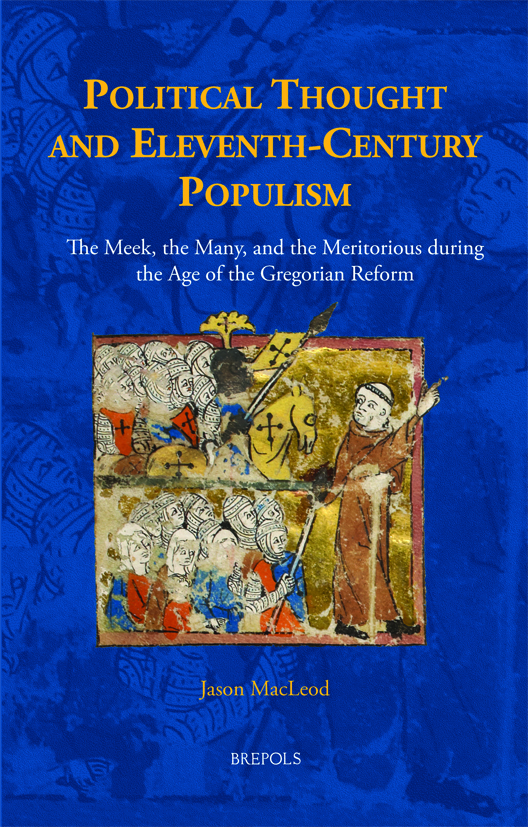 Political Thought and Eleventh-Century Populism
The Meek, the Many, and the Meritorious during the Age of the Gregorian Reform
Volume 38


