Woven Tapestry
Guidelines for Conservation
By (author) Ksynia Marko

Hardback (Published)
(June 2020)
ISBN: 9781909492721
8.27 x 11.69 inches
Price: $180.00
In stock
This publication provides a comprehensive framework for conservators to assess condition and determine appropriate treatment strategies for tapestries. It examines historical manufacturing techniques, identifies key agents of deterioration, and reviews current methodologies for cleaning, support, and repair. By integrating technical analysis with practical guidance, the text supports informed decision-making in the preservation of these significant and often fragile cultural artifacts.
From the Middle Ages, tapestries with figurative or other ornament were used by royalty and aristocrats to furnish their palaces and houses. While often observed as two dimensional art, they are three dimensional structures requiring specialist skill to maintain and conserve them. Since the vast majority of tapestries are on open display in historic interiors, they pose particular conservation and interpretation challenges. This publication aims to help conservators carry out assessments in order to arrive at appropriate options for treatment by focussing on: the techniques of tapestry manufacture; agents of deterioration, and current practice of methods of cleaning, methods of support and repair.
Introduction
Foreword
The National Trust tapestry collection
What is Tapestry?
Methods of manufacture and how they impact on conservation
Techniques, materials, dyes
Agents of Deterioration and Preventive measures Surface Cleaning and Monitoring Condition, Routine care, Tools and Equipment First aid
Documentation
Case Studies
Condition Surveys
Estimating procedures and project management
Wet Cleaning - Understanding the Process
Preparation of the tapestry for wet cleaning Case studies - adhesive removal prior to wet cleaning
Wet Cleaning Methodologies Wet cleaning Case Studies
Methods of Support and Consolidation - Consideration of past and present practice Preparation of tapestry and support fabrics Framing up Stitch techniques - the basics Application of techniques Case Studies
Lining
Display
De-installation and re-installation
Storage, Handling and Transport
Interpretation and engagement
Studio organisation
Training and professional networks
Tapestry in the 21st century
Appendices Dye analysis report (Penny Walton-Rogers) Dye analysis report (Ina Vanden Berghe) On site equipment check list Dust sample form Instructions for use of vacuum gauge Photographic record Form Summary time sheet Estimate form Suppliers and materials at the time of publication (European and US)
Bibliography
Glossary,
Introduction
Foreword
The National Trust tapestry collection
What is Tapestry?
Methods of manufacture and how they impact on conservation
Techniques, materials, dyes
Agents of Deterioration and Preventive measures
Surface Cleaning and Monitoring Condition, Routine care, Tools and Equipment
First aid
Documentation
Case Studies
Condition Surveys
Estimating procedures and project management
Wet Cleaning – Understanding the Process
Preparation of the tapestry for wet cleaning
Case studies – adhesive removal prior to wet cleaning
Wet Cleaning Methodologies
Wet cleaning Case Studies
Methods of Support and Consolidation - Consideration of past and present practice
Preparation of tapestry and support fabrics
Framing up
Stitch techniques – the basics
Application of techniques
Case Studies
Lining
Display
De-installation and re-installation
Storage, Handling and Transport
Interpretation and engagement
Studio organisation
Training and professional networks
Tapestry in the 21st century
Appendices
Dye analysis report (Penny Walton-Rogers)
Dye analysis report (Ina Vanden Berghe)
On site equipment check list
Dust sample form
Instructions for use of vacuum gauge
Photographic record Form
Summary time sheet
Estimate form
Suppliers and materials at the time of publication (European and US)
Bibliography
Glossary
- By (author) Ksynia Marko
"This much anticipated book by Ksynia Marko, Textile Conservation Advisor at the UK's National Trust from 1995 to 2018 will undoubtedly be well received by the textile conservation profession, and stand the test of time as a key reference source for the care and conservation of historic tapestries both within and outside historic house settings. Drawn from the author's deep appreciation and understanding of tapestries and extensive knowledge of their preservation built up over a 40 year career the book's 360 pages contains a wealth of invaluable technical information and professional insight. (...) All chapters are supplemented by end notes that link the different parts of the book together and direct the reader to relevant historical and technical data published elsewhere. A generous set of appendices containing instructions on using equipment, examples of assessment and treatment documents, and a list of materials and suppliers is also provided, along with a glossary of key terms and a wide-ranging bibliography covering tapestry history, technology, deterioration and conservation. This very handsome, highly interesting and informative book will appeal to anyone with a general interest in the preservation of woven tapestries, but it will be most prized by both novice and experienced textile conservators as a comprehensive and accessible technical manual. It sets out and ably succeeds in its aim of communicating current tapestry conservation practice and providing both the motivation and means to support the development of the required knowledge and skills. (...)" Alison Lister, the full review is available on ICON News, August 2020 "Woven Tapestry: Guidelines for Conservation is an invaluable and well-structured contribution to the field of textile conservation. Providing practical tips and tested treatment protocols, the book will greatly contribute to the training of young professionals, ensuring further care for tapestries by the next generation of specialists. As the author says, tapestry weaving is not buried in the past but is a skill that is still widely recognised as a contemporary art form and a valuable commodity." Kosara Yovcheva, full review in NIC Issue 99, December-January 2024
—
"This much anticipated book by Ksynia Marko, Textile Conservation Advisor at the UK’s National Trust from 1995 to 2018 will undoubtedly be well received by the textile conservation profession, and stand the test of time as a key reference source for the care and conservation of historic tapestries both within and outside historic house settings. Drawn from the author’s deep appreciation and understanding of tapestries and extensive knowledge of their preservation built up over a 40 year career the book’s 360 pages contains a wealth of invaluable technical information and professional insight. (...)
All chapters are supplemented by end notes that link the different parts of the book together and direct the reader to relevant historical and technical data published elsewhere. A generous set of appendices containing instructions on using equipment, examples of assessment and treatment documents, and a list of materials and suppliers is also provided, along with a glossary of key terms and a wide-ranging bibliography covering tapestry history, technology, deterioration and conservation.
This very handsome, highly interesting and informative book will appeal to anyone with a general interest in the preservation of woven tapestries, but it will be most prized by both novice and experienced textile conservators as a comprehensive and accessible technical manual. It sets out and ably succeeds in its aim of communicating current tapestry conservation practice and providing both the motivation and means to support the development of the required knowledge and skills. (...)"—
"Woven Tapestry: Guidelines for Conservation is an invaluable and well-structured contribution to the field of textile conservation. Providing practical tips and tested treatment protocols, the book will greatly contribute to the training of young professionals, ensuring further care for tapestries by the next generation of specialists. As the author says, tapestry weaving is not buried in the past but is a skill that is still widely recognised as a contemporary art form and a valuable commodity."
—
Similar Books
 A Collaborative Tapestry in Honour of Shirley Ann Brown / Une fresque brodée en l’honneur de Shirley Ann Brown
The Bayeux Tapestry Seen by her Colleagues and Friends / La Tapisserie de Bayeux vue par ses collègues et amis

 Balthasar Caymox of Nuremberg
Early Modern German Print Publishers: Popular Prints of the Seventeenth Century


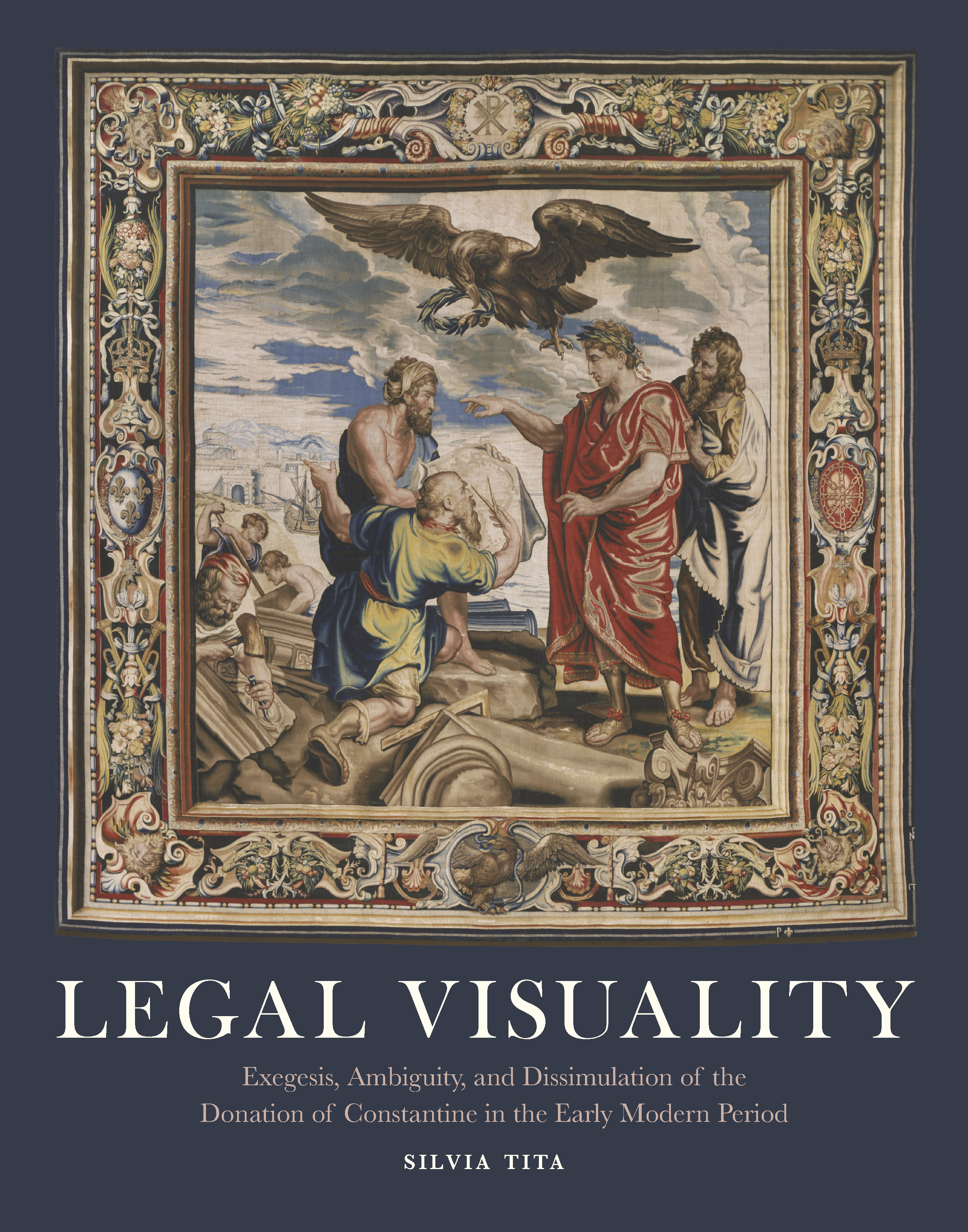 Legal Visuality
Exegesis, Ambiguity, and Dissimulation of the Donation of Constantine in the Early Modern Period

 Monastic Manuscripts from the Eastern Mediterranean (Sinai, Jerusalem, Antioch)
Production, Use, and Contexts
 Naples as Laboratory / Laboratorium Neapel
Style Options, Artistic Rivalry and Self Fashioning in Neapolitan Baroque Painting / Plurale Stilbildung, Kunstlerkonkurrenz und Self Fashioning in der neapolitanischen Barockmalerei

 Nurturing the Elite
Representations of Drinking, Eating, and Religious Vessels in Palmyrene Funerary Iconography
Volume 13


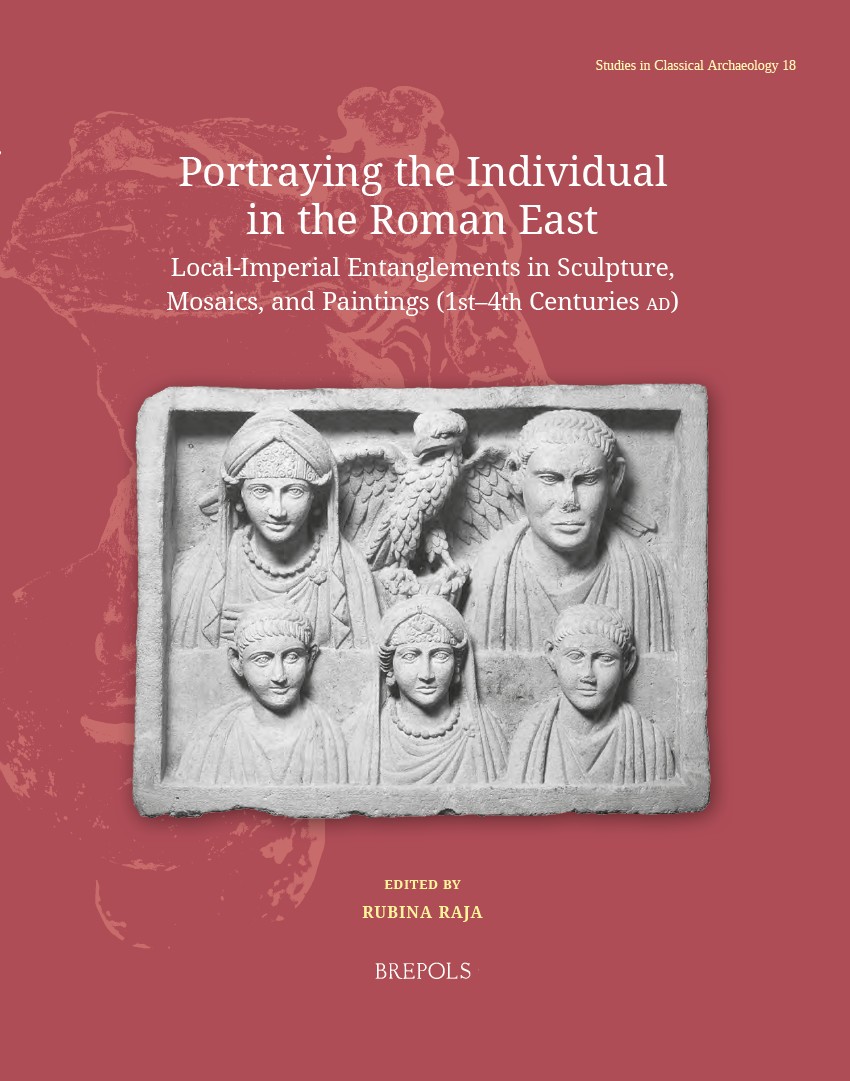 Portraying the Individual in the Roman East
Local–Imperial Entanglements in Sculpture, Mosaics, and Paintings (First–Fourth Centuries AD)
Volume 18


 Technical Studies of Asian Art
Proceedings of the Seventh Forbes Symposium at the Freer Gallery of Art


 Tricks of the Medieval Trades
The Trinity Encyclopedia, a collection of 14th century English craft recipes
 Venice Reimagined
The Resurgence of View Painting in Venice after the Fall of the Serenissima between 1797 and 1866

 Women’s Legacies in Natural Studies, Health, and Liberal Arts
Proceedings of the Second Annual International Women in the Arts Conference
Volume 4
 Writing in the Church of the Nativity in Bethlehem
Inscription and Graffiti in a Multilingual and Multigraphic Perspective
Volume 45