
Three Empires, Three Cities
Identity, Material Culture and Legitimacy in Venice, Ravenna and Rome, 750-1000: Volume offered to Chris Wickham as a gift for his 65th birthday
Edited by Veronica West-Harling

A comparative history of Rome, Ravenna and Venice through an exploration of their post-Byzantine identity before 1000.
This volume presents most of the papers given at a workshop held in Oxford at All Souls College in 2014, part of a research project which focuses on Northern and Central Byzantine and post-Byzantine Italy between 750 and 1000, and proposes a comparison between the development of three cities: Venice, Ravenna and Rome. These three cities share a common feature, which is to find themselves outside the framework of Longobard-Frankish power and society. A comparison between them allows us to glimpse the political, social and cultural development of areas in which the points of reference inherited from the past remain always more ‘Roman’ than ‘Longobard’ or ‘Frankish’. These three cities have geopolitical characteristics which make them very different from each other: one is effectively independent from Frankish and Ottonian power (Venice), a second is formally independent but nevertheless much involved with Frankish politics (Rome), and the third becomes increasingly an integral part of the imperial system (Ravenna). The social and cultural analysis proposed here therefore includes political and ideological practice as well as self-representation through material culture. It aims to discuss the convergences and the divergences between the political realities and the political rhetoric, images and ideology, of early medieval Italy’s empires, and to highlight the ways in which these have contributed to creating the cultures and societies of these three cities. Ultimately, its aim is to illuminate the factors which created the political, social, cultural, religious, artistic and material identity of early medieval Rome, Ravenna and Venice, based on their perception of both their past and their contemporary environments.
- Edited by Veronica West-Harling
Other Titles in this Series


 Biens publics, biens du roi
Les bases economiques des pouvoirs royaux dans le haut Moyen Age
Volume 9
 The Age of Affirmation
Venice, the Adriatic and the Hinterland between the 9th and 10th Centuries
Volume 8

Similar Books
 A Collaborative Tapestry in Honour of Shirley Ann Brown / Une fresque brodée en l’honneur de Shirley Ann Brown
The Bayeux Tapestry Seen by her Colleagues and Friends / La Tapisserie de Bayeux vue par ses collègues et amis
 Behind the Scenes of Medieval Roofs
An Overview of the Roofing Systems of Italian Churches
Volume 90






 Innovation and Medieval Communities
The Circulation of Ideas and Practices in and out of the Town (1200-1500)
Volume 63
 John Dunstaple Reading Boethius
John Dunstaple’s Annotations to Boethius’s “De institutione musica” in the Manuscript Oxford, Corpus Christi College Library, MS 118
 Linguistic and Cultural Dynamics in a Frontier Society
New Perspectives on Northeastern Bavaria and Western Bohemia in the Early Middle Ages
Volume 9
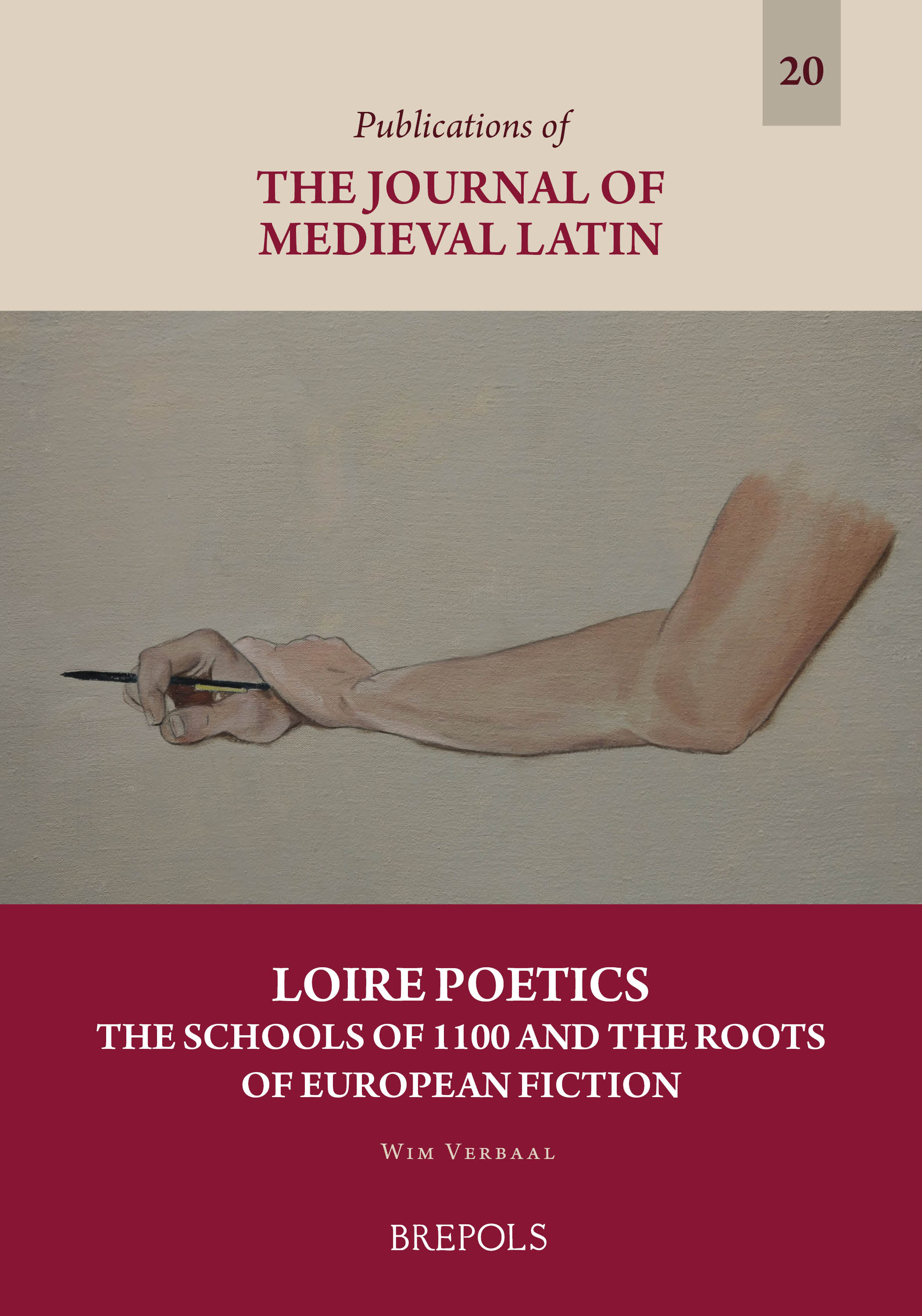
 Medieval Debates on Foreknowledge: Future Contingents, Prophecy, and Divination
Acts of the XXVII Annual Colloquium of the SIEPM, Trento 12-15 September 2023
Volume 31
 Medieval Yeghegis, Armenia
History, Archaeology, Society. Local Multiplicities and Global Connections of a Rural Centre on the Silk Road(s)
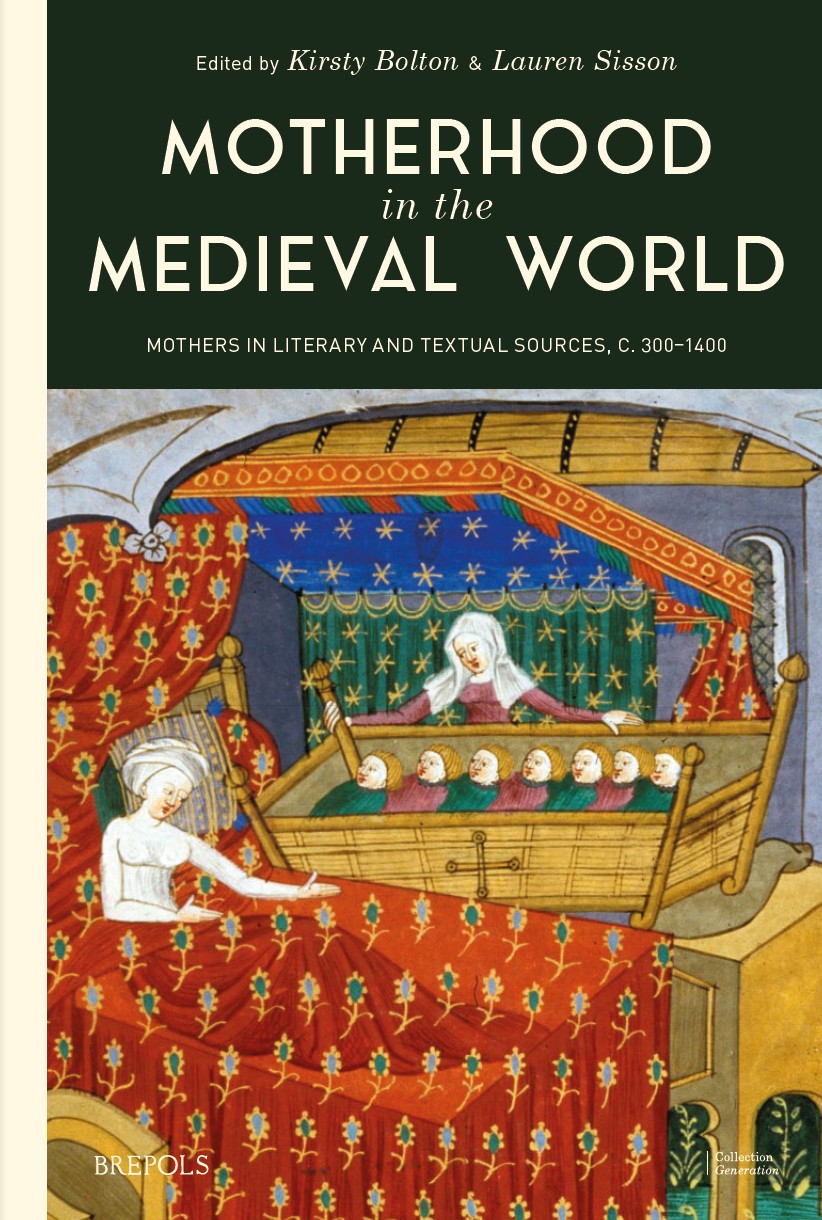
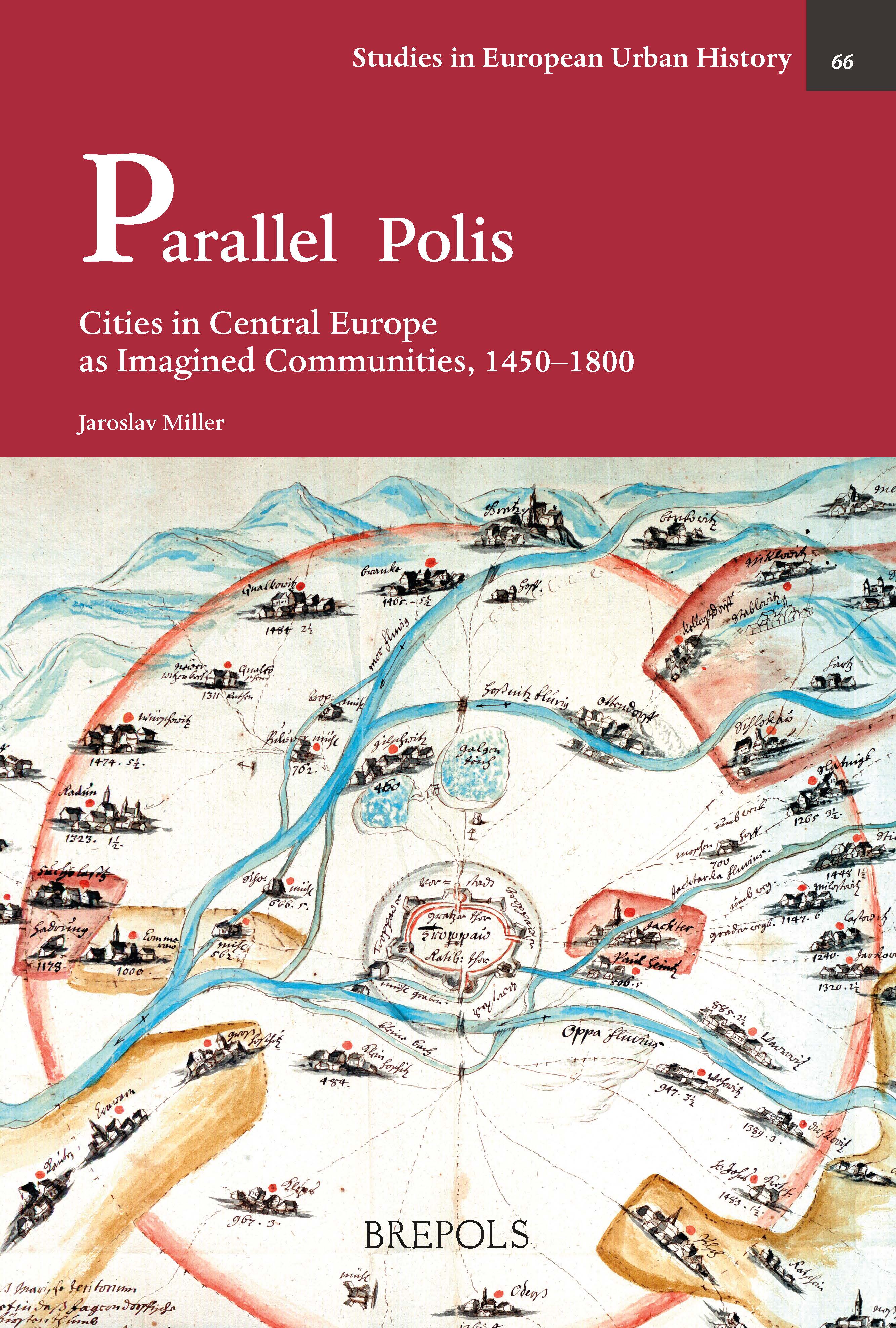


 Power and Women in Southeast and Central Europe in Late Medieval and Early Modern Period (1300-1600)
Volume 10

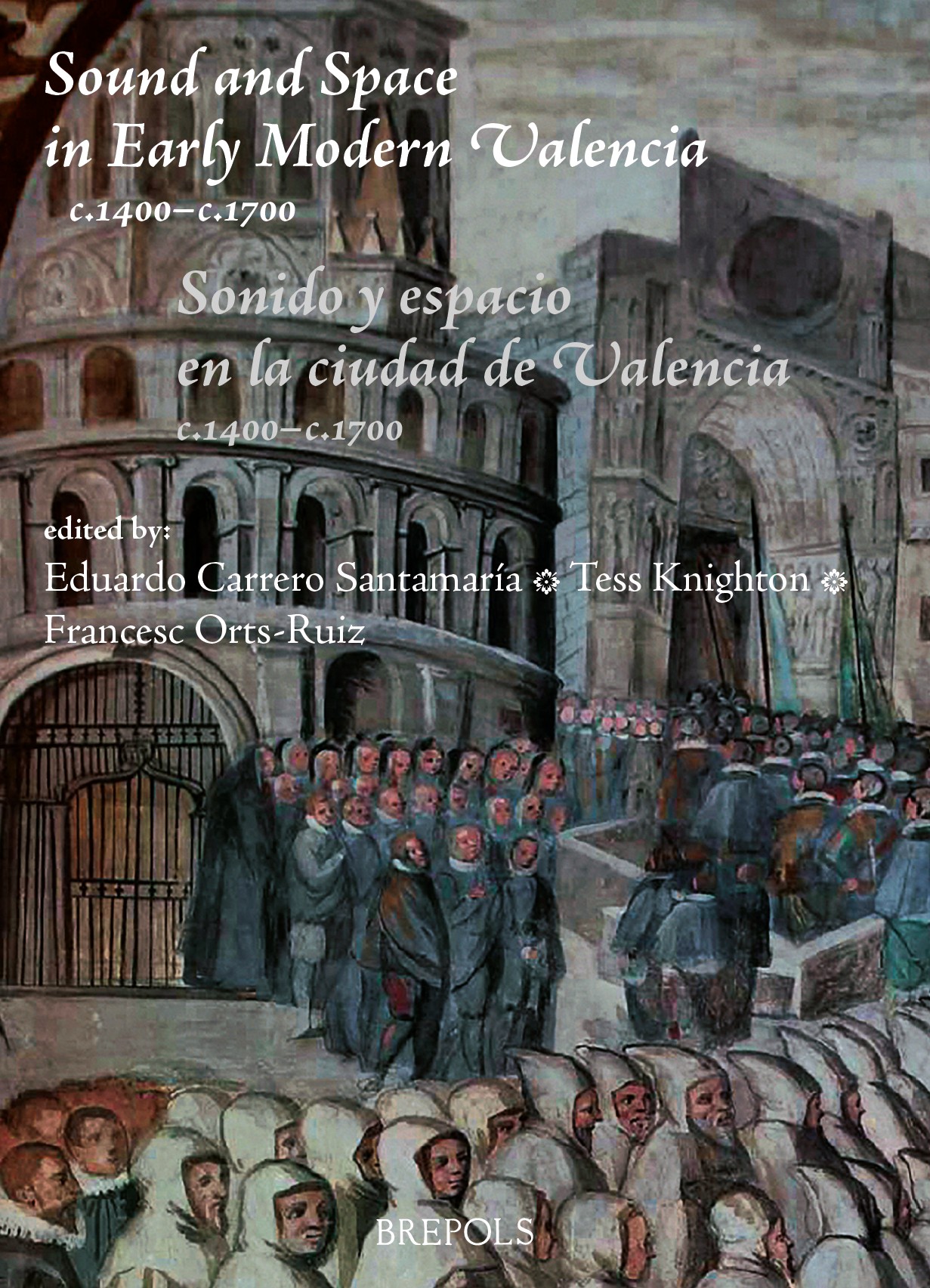

 The Anglo-Norman Bible’s Books of Kings, a Critical Edition
(BL Royal 1 C III, fols 234r-274v)
Volume 37


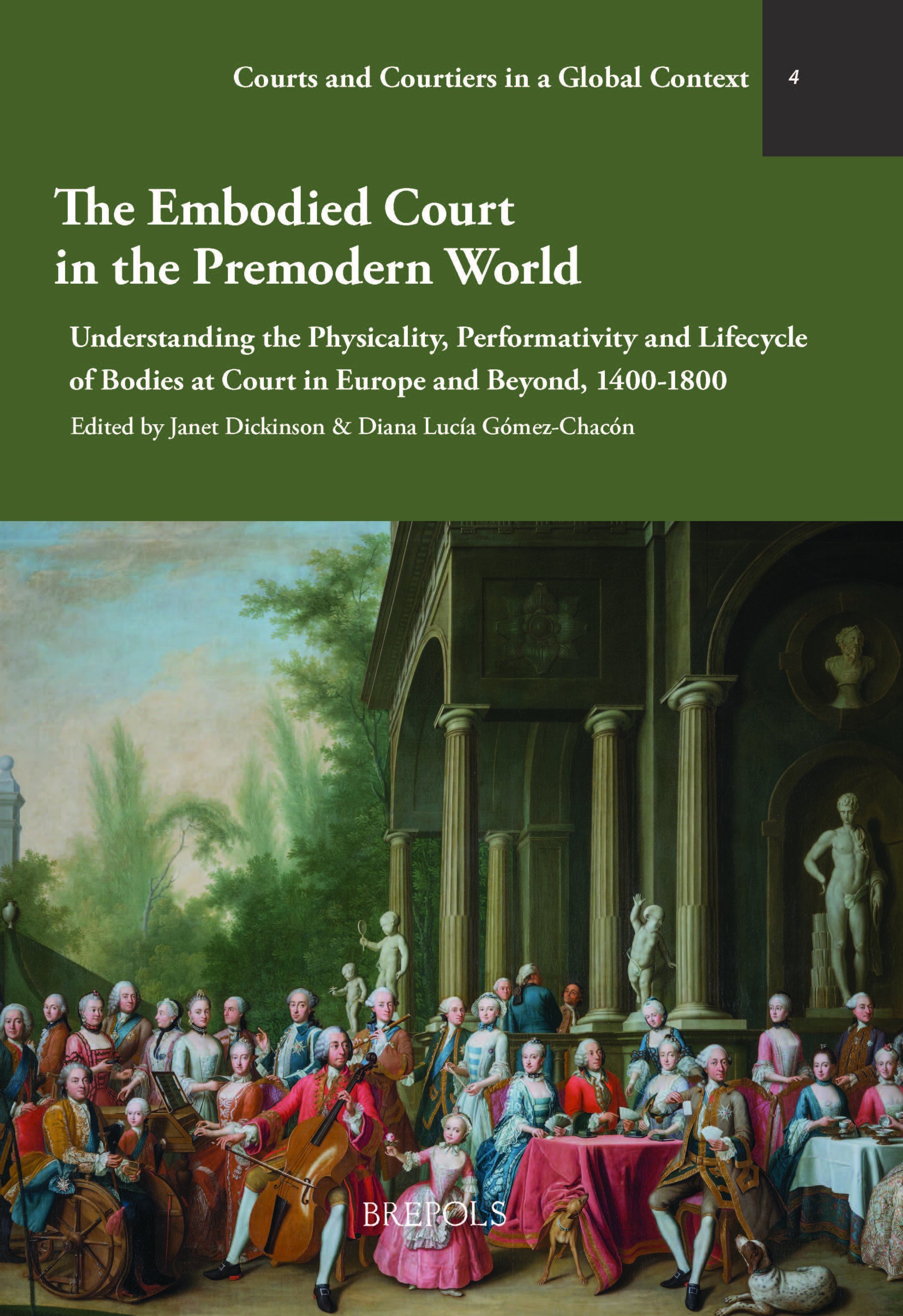 The Embodied Court in the Premodern World
Understanding the Physicality, Performativity and Lifecycle of Bodies at Court in Europe and Beyond, 1400-1800
Volume 4


 The Middle English ‘Medicines for Horses’
Edited from the Manuscript formerly at Kensington Palace, HRH Duke of Gloucester MS s.n. (olim York House MS 45)
Volume 69
