The Thornham Parva Retable
Edited by A Massing

The Thornham Parva Retable is Britain’s largest and best preserved medieval altarpiece. It was found in a loft above a stable at Thornham Hall in Suffolk in 1927. Soon afterwards it was installed in the small thatched church of St Mary, Thornham Parva. Despite being extensively repainted some time before the end of the eighteenth century, its importance was immediately recognised. In 1987 a detailed study of the Retable in-situ and the Cluny Frontal, now in the Musee National du Moyen Age, Paris, established that both were parts of the altar which was probably made for the Dominican Priory at Thetford. It was saved from destruction after the dissolution of the monasteries in the early 16th century by a local family who adapted it for use as a private altar. The authors hoped that in time further examination and analysis of the Retable would be possible, and suggested a date of 1335-40 on stylistic grounds. After a sustained period of fund raising, the Parochial Church Council entrusted the examination and conservation of the Retable to theHamilton Kerr Institute, University of Cambridge. It was moved from the church in 1994.This book documents that project. The results of the technical examination are complemented by a series of articles placing the Retable in a technical and art historical context. It was decided to remove the later repaint as the only means to preserve the original paint lying beneath. Far more original paint was found, confirming the results of the initial examination and proposal. Dating of the wooden support suggested that the earliest date of production was probably 1336-40. The altarpiece can now be seen to be of the highest quality and has provided new insights into the sophisticated practice of oil painting in England before the fifteenth century.
The Thornham Parva Retable is Britain’s largest and best preserved medieval altarpiece. It was found in a loft above a stable at Thornham Hall in Suffolk in 1927. Soon afterwards it was installed in the small thatched church of St Mary, Thornham Parva. Despite being extensively repainted some time before the end of the eighteenth century, its importance was immediately recognised. In 1987 a detailed study of the Retable in-situ and the Cluny Frontal, now in the Musee National du Moyen Age, Paris, established that both were parts of the altar which was probably made for the Dominican Priory at Thetford. It was saved from destruction after the dissolution of the monasteries in the early 16th century by a local family who adapted it for use as a private altar. The authors hoped that in time further examination and analysis of the Retable would be possible, and suggested a date of 1335-40 on stylistic grounds. After a sustained period of fund raising, the Parochial Church Council entrusted the examination and conservation of the Retable to theHamilton Kerr Institute, University of Cambridge. It was moved from the church in 1994.This book documents that project. The results of the technical examination are complemented by a series of articles placing the Retable in a technical and art historical context. It was decided to remove the later repaint as the only means to preserve the original paint lying beneath. Far more original paint was found, confirming the results of the initial examination and proposal. Dating of the wooden support suggested that the earliest date of production was probably 1336-40. The altarpiece can now be seen to be of the highest quality and has provided new insights into the sophisticated practice of oil painting in England before the fifteenth century.
- Edited by A Massing
Other Titles in this Series


Similar Books
 A Collaborative Tapestry in Honour of Shirley Ann Brown / Une fresque brodée en l’honneur de Shirley Ann Brown
The Bayeux Tapestry Seen by her Colleagues and Friends / La Tapisserie de Bayeux vue par ses collègues et amis

 Balthasar Caymox of Nuremberg
Early Modern German Print Publishers: Popular Prints of the Seventeenth Century
 Behind the Scenes of Medieval Roofs
An Overview of the Roofing Systems of Italian Churches
Volume 90




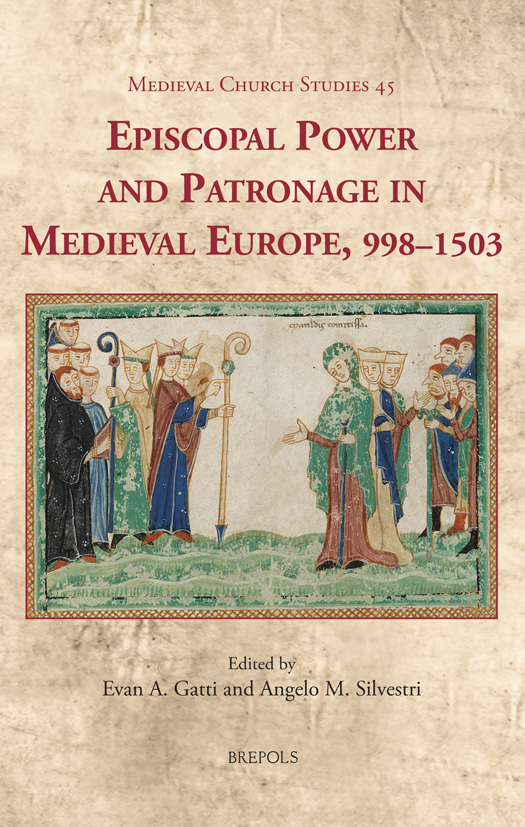


 Innovation and Medieval Communities
The Circulation of Ideas and Practices in and out of the Town (1200-1500)
Volume 63
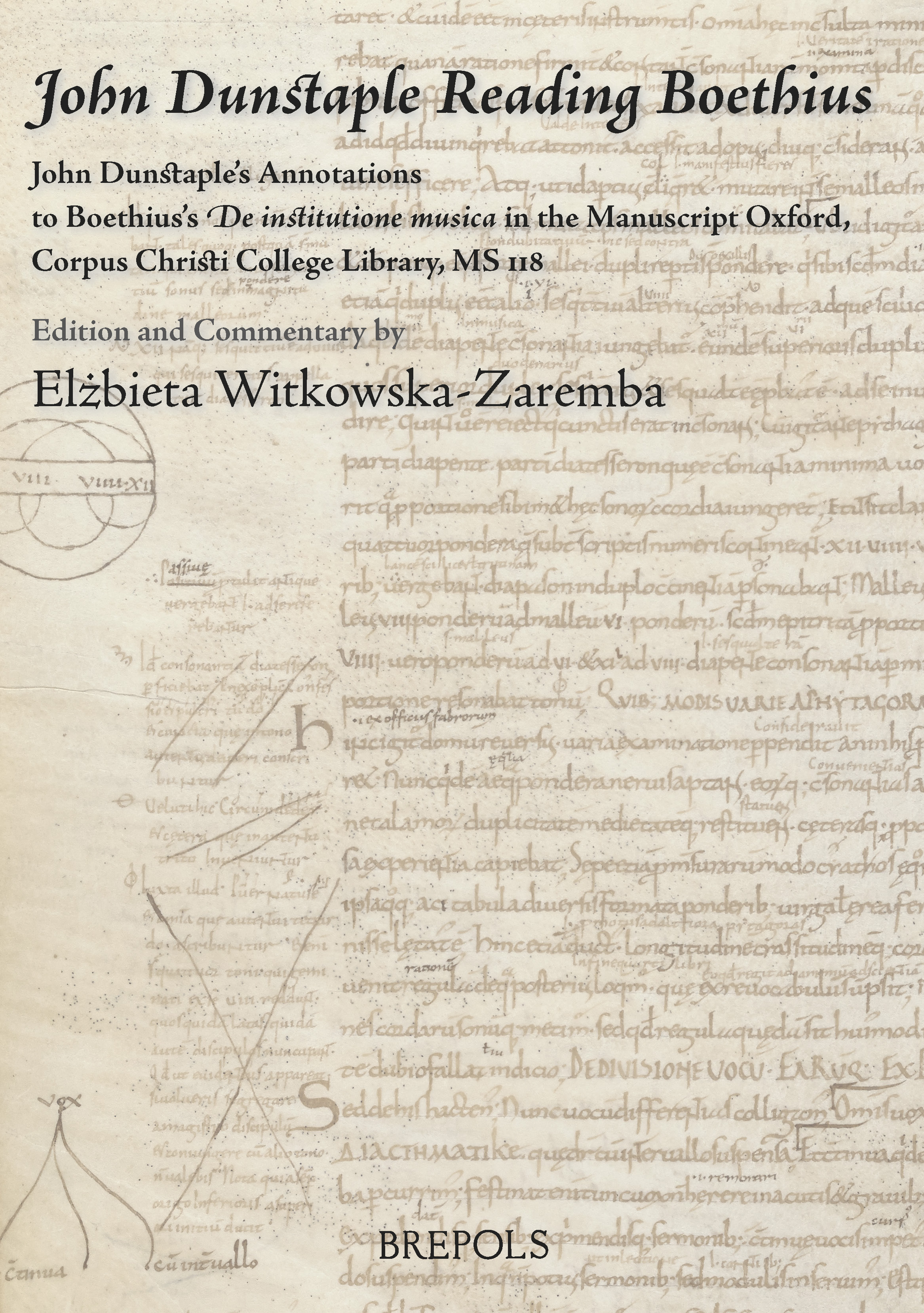 John Dunstaple Reading Boethius
John Dunstaple’s Annotations to Boethius’s “De institutione musica” in the Manuscript Oxford, Corpus Christi College Library, MS 118
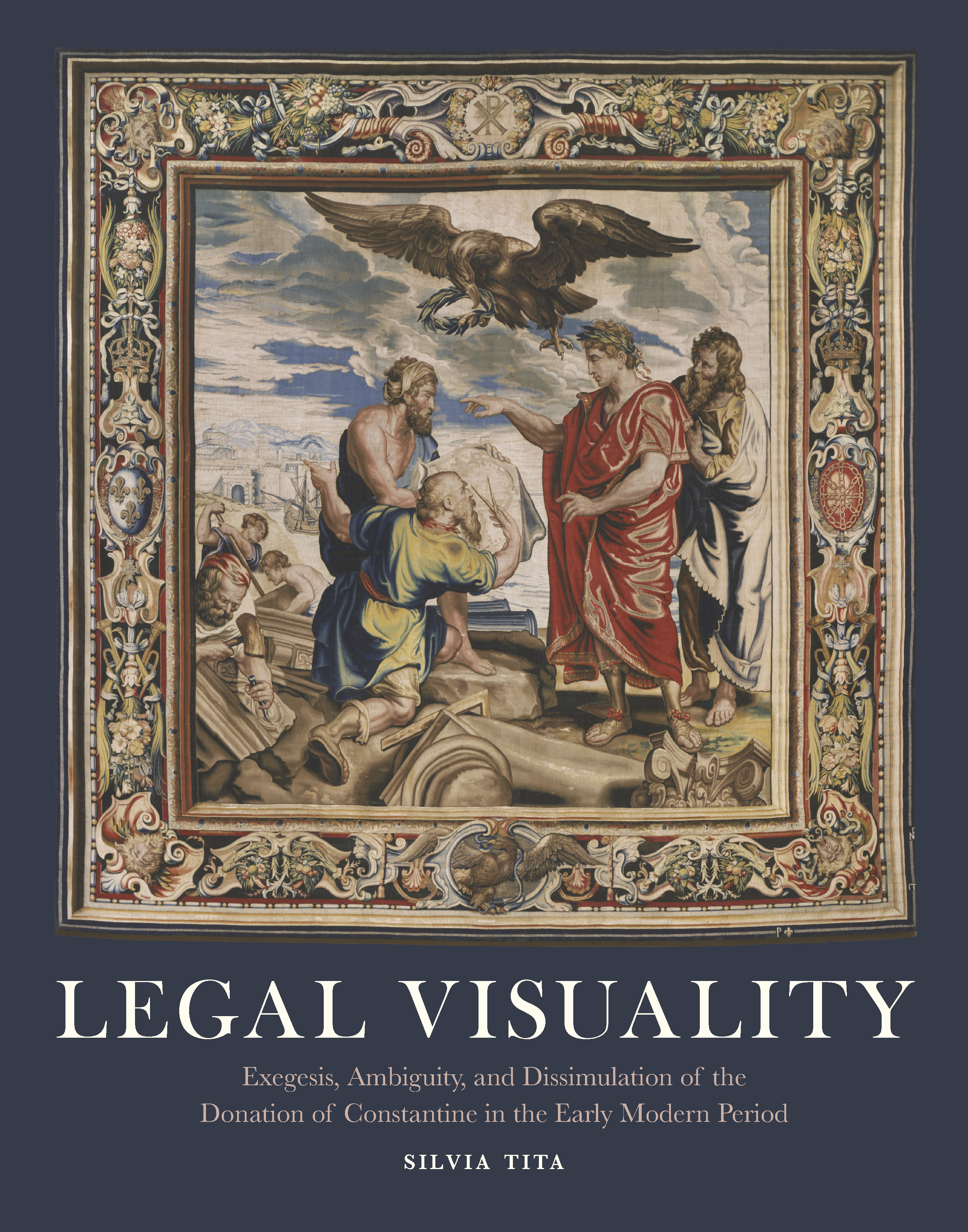 Legal Visuality
Exegesis, Ambiguity, and Dissimulation of the Donation of Constantine in the Early Modern Period
 Linguistic and Cultural Dynamics in a Frontier Society
New Perspectives on Northeastern Bavaria and Western Bohemia in the Early Middle Ages
Volume 9
 Medieval Debates on Foreknowledge: Future Contingents, Prophecy, and Divination
Acts of the XXVII Annual Colloquium of the SIEPM, Trento 12-15 September 2023
Volume 31
 Medieval Yeghegis, Armenia
History, Archaeology, Society. Local Multiplicities and Global Connections of a Rural Centre on the Silk Road(s)
 Monastic Manuscripts from the Eastern Mediterranean (Sinai, Jerusalem, Antioch)
Production, Use, and Contexts
 Naples as Laboratory / Laboratorium Neapel
Style Options, Artistic Rivalry and Self Fashioning in Neapolitan Baroque Painting / Plurale Stilbildung, Kunstlerkonkurrenz und Self Fashioning in der neapolitanischen Barockmalerei

 Nurturing the Elite
Representations of Drinking, Eating, and Religious Vessels in Palmyrene Funerary Iconography
Volume 13