The Ancient Rose of Pompeii
by Ernesto De Carolis, Adele Lagi, Gaetano Di Pasquale, Alessia D'Auria and Carlo Avvisati

Paperback (Published)
(July 2016)
ISBN: 9788891311351
8.27 x 9.45 inches
Price: $48.00
In stock
The double red rose is without a doubt the species most commonly found in ancient Pompeii, both in terms of pictorial representation and mentions by classic authors. It has been variously identified, in the past, as a plant related to the Gallic rose. But can we exclude the contribution of an Oriental rose in a red, reflowering and fragranced rose? The peach (Prunus persica) was widely cultivated in Italy in Roman times; it was originally a species of Chinese origin that the Romans discovered upon arrival in Persia, where it had been introduced some time before. Might the Ancient Rose of Pompeii not have travelled the same path? Currently these are hypotheses that require closer examination, but it is certainly possible to solve the mystery.
The double red rose is without a doubt the species most commonly found in ancient Pompeii, both in terms of pictorial representation and mentions by classic authors. It has been variously identified, in the past, as a plant related to the Gallic rose. But can we exclude the contribution of an Oriental rose in a red, reflowering and fragranced rose? The peach (Prunus persica) was widely cultivated in Italy in Roman times; it was originally a species of Chinese origin that the Romans discovered upon arrival in Persia, where it had been introduced some time before. Might the Ancient Rose of Pompeii not have travelled the same path? Currently these are hypotheses that require closer examination, but it is certainly possible to solve the mystery.
- By (author) Alessia D’Auria
- By (author) Ernesto De Carolis
- By (author) Gaetano Di Pasquale
- By (author) Adele Lagi
Other Titles in this Series


Similar Books
 A Collaborative Tapestry in Honour of Shirley Ann Brown / Une fresque brodée en l’honneur de Shirley Ann Brown
The Bayeux Tapestry Seen by her Colleagues and Friends / La Tapisserie de Bayeux vue par ses collègues et amis


 Balthasar Caymox of Nuremberg
Early Modern German Print Publishers: Popular Prints of the Seventeenth Century


 Drunk the Potion, No Whit Charmed
The Doctrine of Pure and Perfect Souls from Iamblichus to Damascius

 Epiphanies of the Divine in the Septuagint and the New Testament
Fifth International Symposium of the Corpus Judaeo-Hellenisticum Novi Testamenti (CJHNT), 14-17 May 2015, Nottingham


 Language and Power in the Roman Empire and Early India
Hierarchy, Ambiguity, and the Art of Reading the Signs in Cosmopolitan Cultures
 Late Antique villae in the Balkans (3rd–7th c. AD): Current Research Questions and Perspectives
HAEMUS Companion to the Late Antique Balkans 1
Volume 4
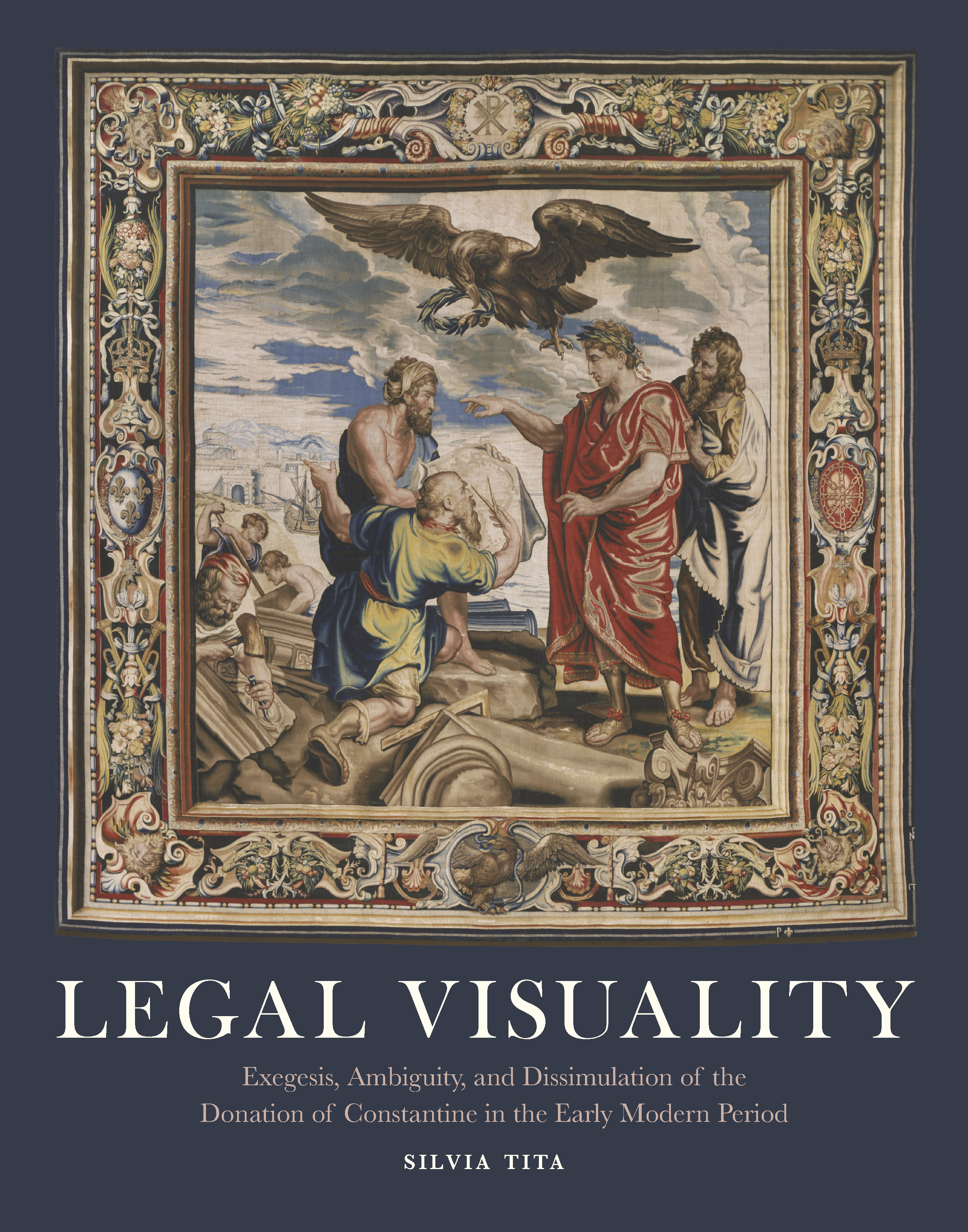 Legal Visuality
Exegesis, Ambiguity, and Dissimulation of the Donation of Constantine in the Early Modern Period
 Monastic Manuscripts from the Eastern Mediterranean (Sinai, Jerusalem, Antioch)
Production, Use, and Contexts
 Naples as Laboratory / Laboratorium Neapel
Style Options, Artistic Rivalry and Self Fashioning in Neapolitan Baroque Painting / Plurale Stilbildung, Kunstlerkonkurrenz und Self Fashioning in der neapolitanischen Barockmalerei
 Nurturing the Elite
Representations of Drinking, Eating, and Religious Vessels in Palmyrene Funerary Iconography
Volume 13


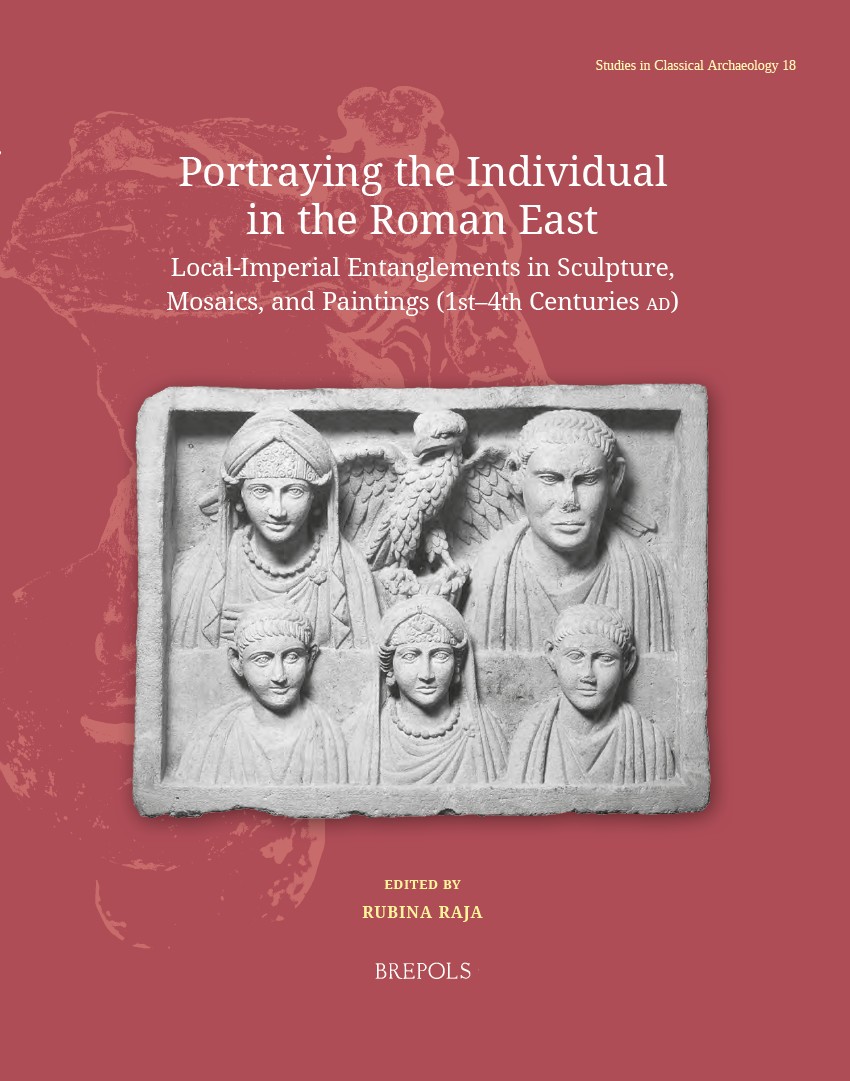 Portraying the Individual in the Roman East
Local–Imperial Entanglements in Sculpture, Mosaics, and Paintings (First–Fourth Centuries AD)
Volume 18


 Technical Studies of Asian Art
Proceedings of the Seventh Forbes Symposium at the Freer Gallery of Art

 The Compositional History of the Book of Kings
An Analysis of the Evaluative Frameworks in 1 Kings 14–2 Kings 25