
Pre-Columbian Maya Graffiti
Context, Dating and Function
by Jaroslaw Zralka

Paperback (Published)
(December 2014)
ISBN: 9788364449161
Price: $75.00
On back order
Graffiti have always been a popular means of expression for people from different social strata in ancient as well as modern societies. They constitute a rich source of information on both the daily life and religious activities of the people who created them. Although ancient graffiti are mostly known from the Old World, especially from the Roman Empire or Egypt, they were also very popular in the pre-Columbian world. Ancient Maya civilisation, which once thrived in the rainforests of Mexico and Central America, has an extremely extensive corpus of graffiti. Many Maya sites have graffiti of various types, including inscribed, painted, gouged, impressed and sketched with charcoal. Maya graffiti were usually executed on the plaster surfaces of architectural buildings: chiefly on walls, vaults, floors, as well as benches and other architectural elements. Most examples are figural images that usually represent people, animals, architectural buildings and geometrical designs. They may also depict supernatural beings, symbolic and religious objects and many other subjects, usually related to the socio-political and religious lives of the Maya elites. Despite architectural graffiti being broadly present in various Maya sites, they remain a relatively rarely studied phenomenon. Little interest has been shown in this kind of art and Maya graffiti tend to be published as minor appendices to larger archaeological reports. Moreover, in the case of many Maya sites, the graffiti were not even documented or recorded. This attitude of sidelining Maya graffiti stemmed from the fact that many scholars considered graffiti to be trivial scribbles or the inconsequential work of the Postclassic or Colonial populations squatting in Maya palaces and temples after they had been abandoned by their original inhabitants. Such long held views in the field are changing; recent studies by various scholars have shown that the meaning of graffiti is far more complex and sophisticated than previously thought. The current view is that graffiti were made by various authors in different periods of time and by people representing different social groups. This book constitutes a comprehensive treatment of the subject of graffiti and provides comparative iconographic data on graffiti from various Maya sites. It also has ample and up-to-date information about graffiti, including its dating, meaning, techniques of rendition and function.
- By (author) Jaroslaw Zralka
Similar Books
 A Collaborative Tapestry in Honour of Shirley Ann Brown / Une fresque brodée en l’honneur de Shirley Ann Brown
The Bayeux Tapestry Seen by her Colleagues and Friends / La Tapisserie de Bayeux vue par ses collègues et amis


 Balthasar Caymox of Nuremberg
Early Modern German Print Publishers: Popular Prints of the Seventeenth Century


 Legal Visuality
Exegesis, Ambiguity, and Dissimulation of the Donation of Constantine in the Early Modern Period
 Monastic Manuscripts from the Eastern Mediterranean (Sinai, Jerusalem, Antioch)
Production, Use, and Contexts
 Naples as Laboratory / Laboratorium Neapel
Style Options, Artistic Rivalry and Self Fashioning in Neapolitan Baroque Painting / Plurale Stilbildung, Kunstlerkonkurrenz und Self Fashioning in der neapolitanischen Barockmalerei

 Nurturing the Elite
Representations of Drinking, Eating, and Religious Vessels in Palmyrene Funerary Iconography
Volume 13


 Portraying the Individual in the Roman East
Local–Imperial Entanglements in Sculpture, Mosaics, and Paintings (First–Fourth Centuries AD)
Volume 18


 Technical Studies of Asian Art
Proceedings of the Seventh Forbes Symposium at the Freer Gallery of Art


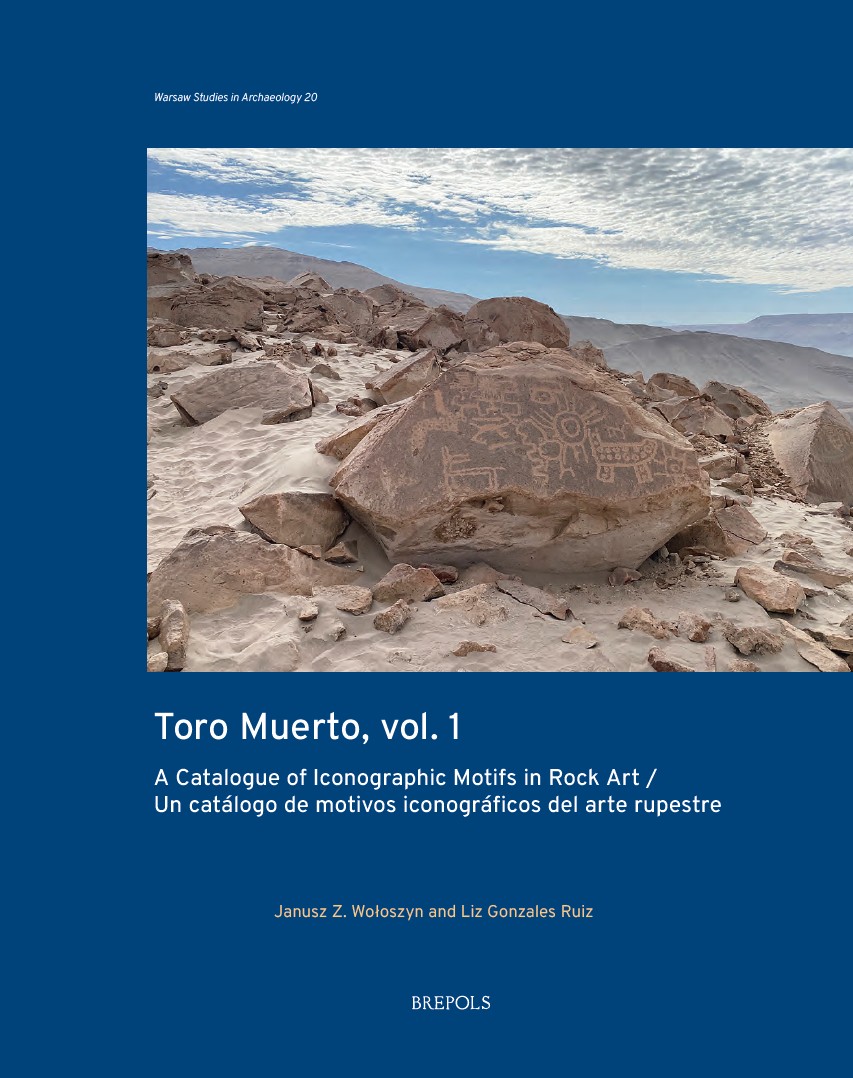 Toro Muerto, vol. I
A Catalogue of Iconographic Motifs in Rock Art / Un catálogo de motivos iconográficos del arte rupestre
Volume 20

 Tricks of the Medieval Trades
The Trinity Encyclopedia, a collection of 14th century English craft recipes
 Venice Reimagined
The Resurgence of View Painting in Venice after the Fall of the Serenissima between 1797 and 1866

 Women’s Legacies in Natural Studies, Health, and Liberal Arts
Proceedings of the Second Annual International Women in the Arts Conference
Volume 4
 Writing in the Church of the Nativity in Bethlehem
Inscription and Graffiti in a Multilingual and Multigraphic Perspective
Volume 45


