
Portraits After Existing Prototypes
By (author) Koenraad Jonckheere

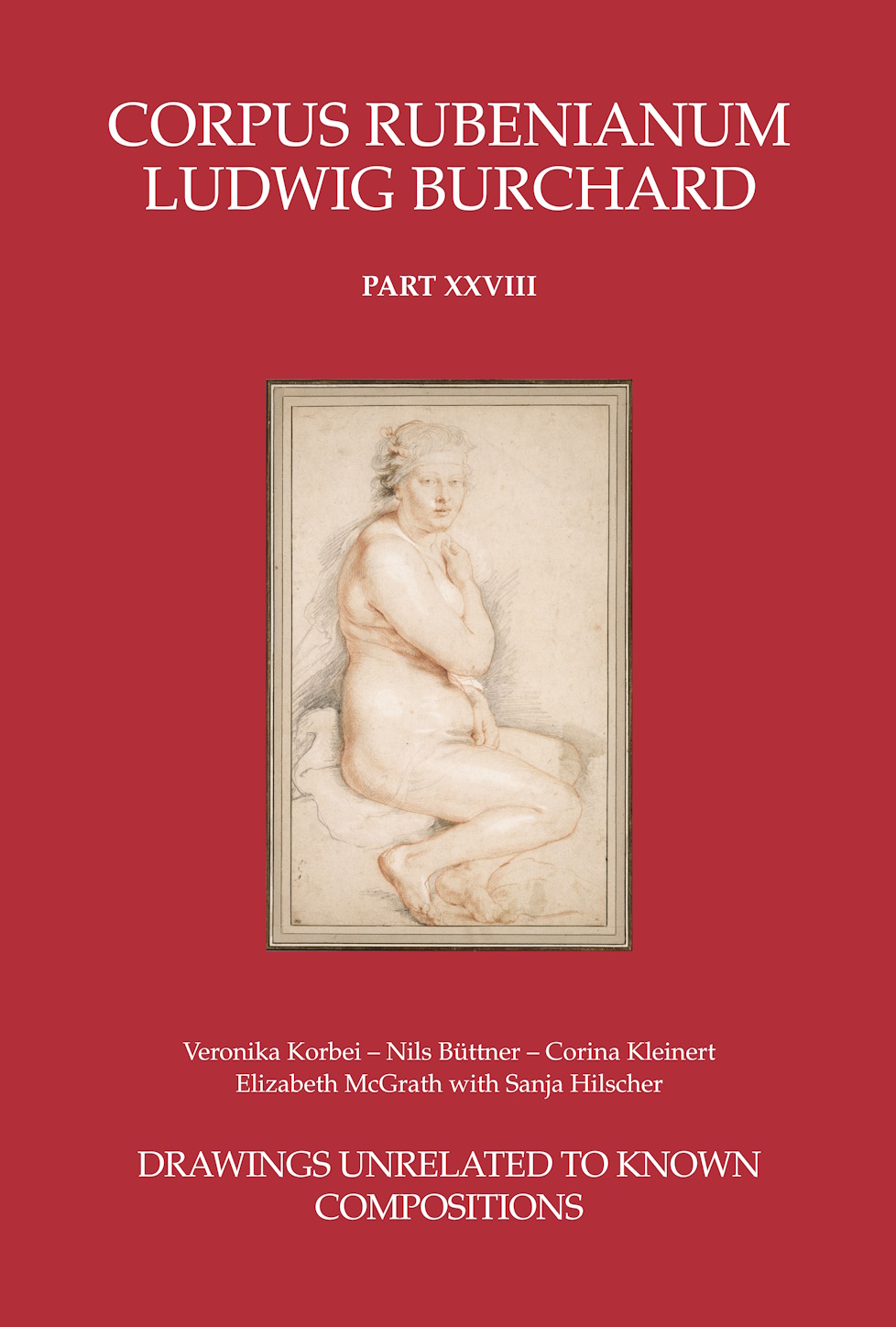
Rubens was mesmerised by faces. He studied physiognomy, the pseudo-science that began making headway in the sixteenth century, which postulated that a person’s character could be read from their facial features. He made geometrical analyses of the faces of ancient emperors and heroes. He invested a great deal of time in detailed anatomical studies, sometimes based on nature, and equally often on antique busts and coins. At times it seems as though the master wanted to know and understand every nook and cranny of the human face. To this end he studied man himself and the way in which the ancients dealt with nature. His best portrait copies, thus, are not strictly copies but rather studies in which art history, craftsmanship, literature and theory merge into an emulation of art and nature. They are works in which the artist was looking for what ultimately captivated him the most: man in all of his myriad facets, and the perspectives art afforded to better understand man.
- By (author) Koenraad Jonckheere
Other Titles in this Series
 Corpus Rubenianum Ludwig Burchard
Copies and Adaptations from Renaissance and Later Artists: Italian Masters. Artists Working in Central Italy and France
 Corpus Rubenianum Part IV
The Holy Trinity, The Life of the Virgin, Madonnas, and The Holy Family: The Holy Trinity and The Life of the Virgin
Volume 4.1


 Copies and Adaptations from Renaissance and Later Artists
German and Netherlandish Artists
Volume 26.1


 Portraits of Unidentified and Newly Identified Sitters Painted in Antwerp
Corpus Rubenianum Ludwig Burchard XIX.3
Volume 19.3



Similar Books
 A Collaborative Tapestry in Honour of Shirley Ann Brown / Une fresque brodée en l’honneur de Shirley Ann Brown
The Bayeux Tapestry Seen by her Colleagues and Friends / La Tapisserie de Bayeux vue par ses collègues et amis



 Balthasar Caymox of Nuremberg
Early Modern German Print Publishers: Popular Prints of the Seventeenth Century


 ENTANGLED AFRICA
Intra-African Relations Between Rain Forest and Mediterranean from Around 4,000 BCE to 1,500 CE


 Gold, Silver and Glass: Power Networks, Cultural Identities, Technology Transfers and Agency across the Old World (7th Century BC – 1st Century AD)
Proceedings of a Conference Held at the British Museum, 16–18 June 2023


 Legal Visuality
Exegesis, Ambiguity, and Dissimulation of the Donation of Constantine in the Early Modern Period
 Listening to the Swan Song
More-than-Human Beings and Sounds in Literature and Culture Through the Ages


 Monastic Manuscripts from the Eastern Mediterranean (Sinai, Jerusalem, Antioch)
Production, Use, and Contexts

 Naples as Laboratory / Laboratorium Neapel
Style Options, Artistic Rivalry and Self Fashioning in Neapolitan Baroque Painting / Plurale Stilbildung, Kunstlerkonkurrenz und Self Fashioning in der neapolitanischen Barockmalerei

 Nurturing the Elite
Representations of Drinking, Eating, and Religious Vessels in Palmyrene Funerary Iconography
Volume 13


 Portraying the Individual in the Roman East
Local–Imperial Entanglements in Sculpture, Mosaics, and Paintings (First–Fourth Centuries AD)
Volume 18


 Technical Studies of Asian Art
Proceedings of the Seventh Forbes Symposium at the Freer Gallery of Art


