
Politics of the Ordinary
Care, Ethics, and Forms of Life
By (author) S. Laugier

What is an ethics formulated in a “different voice”? This book develops the connection between ordinary language philosophy, represented by Wittgenstein and Austin, and the ethics of care. Care is at once a practical response to specific needs and a sensitivity to the ordinary details of human life that matter. The Ordinary has been variously denied, undervalued, or neglected – not taken into account – in theoretical thought. Such negligence, I propose, has to do with widespread contempt for ordinary life inasmuch as it is domestic and female. The disdain stems from the gendered hierarchy of objects deemed worthy of intellectual research. One important aspect of ordinary language philosophy is its capacity to call our attention to human expressiveness as embodied in women’s voices. It thus provides the basis for a re-definition of philosophyas attention to ordinary life, and care for moral expression. This book proposes nothing less than a paradigm shift in ethics, with a reorientation towards vulnerability and a shift from the “just” to the “important.”
- By (author) S. Laugier
Other Titles in this Series


 Moral Boundaries Redrawn
The Significance of Joan Tronto's Argument for Political Theory, Professional Ethics, and Care as Practice
Volume 3


 Care in an Era of New Technologies and Artificial Intelligence
Relationships in a Connected World
Volume 14
Similar Books


 Drunk the Potion, No Whit Charmed
The Doctrine of Pure and Perfect Souls from Iamblichus to Damascius

 Libertinage et philosophie à l’époque classique (XVIe-XVIIIe siècle)
Athéisme, Modernité et Sécularisation / Atheism, Modernity and Secularization
Volume 23

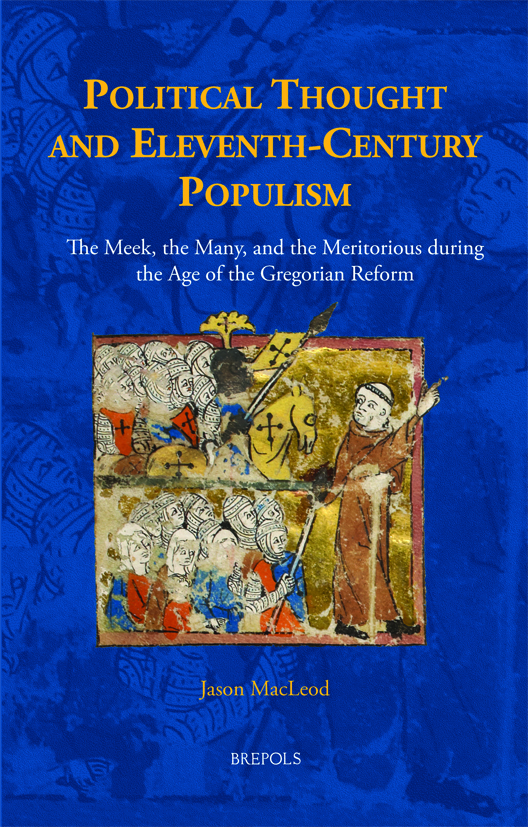 Political Thought and Eleventh-Century Populism
The Meek, the Many, and the Meritorious during the Age of the Gregorian Reform
Volume 38


 The Latin Hermes in Translation
Asclepius, Glosses on Trismegistus, Book of Six Principles of Things, Book of 24 Philosophers
Volume 50




 Éthique, politique, religions
Superstition (XVIIe - XXIe siècles). Sémantique, histoires et cultures


 Lehrreiche Literatur
Die didaktische Gestaltung von Plutarchs Quaestiones Graecae und Romanae und Gellius' Noctes Atticae


 Sitten zwischen Moralphilosophie und Politischer Okonomie am Ende des 18. Jahrhunderts
Mit einer zweisprachigen Edition von Ludwig Heinrich Jakobs Preisschrift Quelles sont les institutions les plus propres a fonder la morale d'un peuple

 Theologische Anthropologie in G. E. Lessings Frühwerk
Literarische Bilder von Gemeinschaft und Nonkonformität, Glück und Sünde

